Adventures in Boating: The Cape Fear River

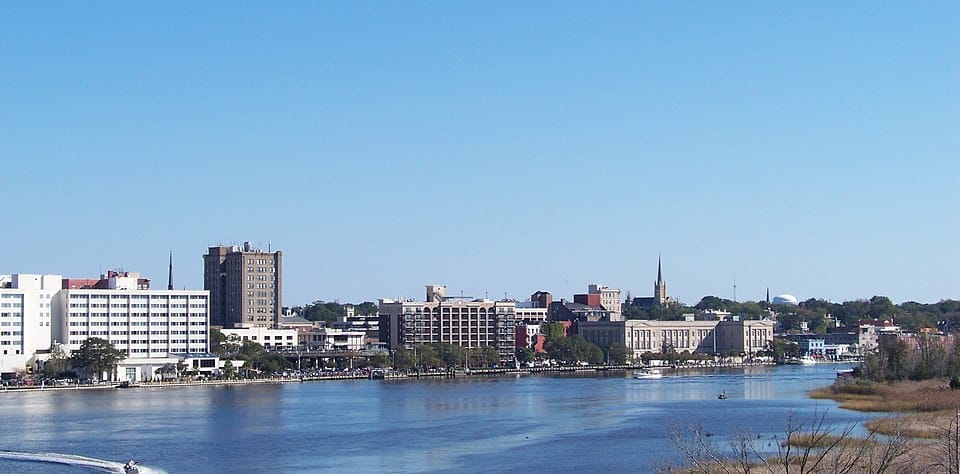
Stretching more than 190 miles from central North Carolina to the Atlantic Ocean, the Cape Fear River offers boaters a diverse and rewarding experience that blends history, wildlife and coastal scenery. As one of the state’s largest and most significant waterways, the river provides opportunities for everything from leisurely cruising and fishing from private boat lifts for rent to paddling and waterfront exploration.
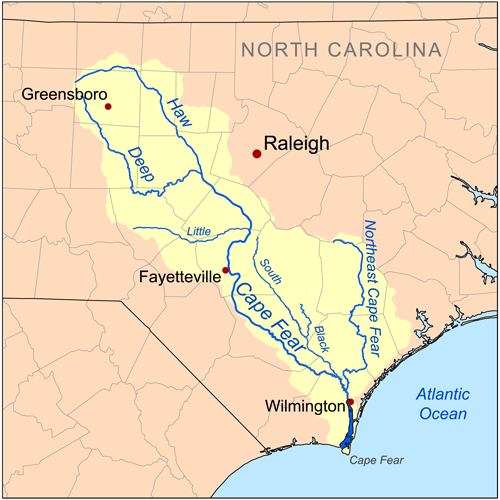
A River of Changing Landscapes
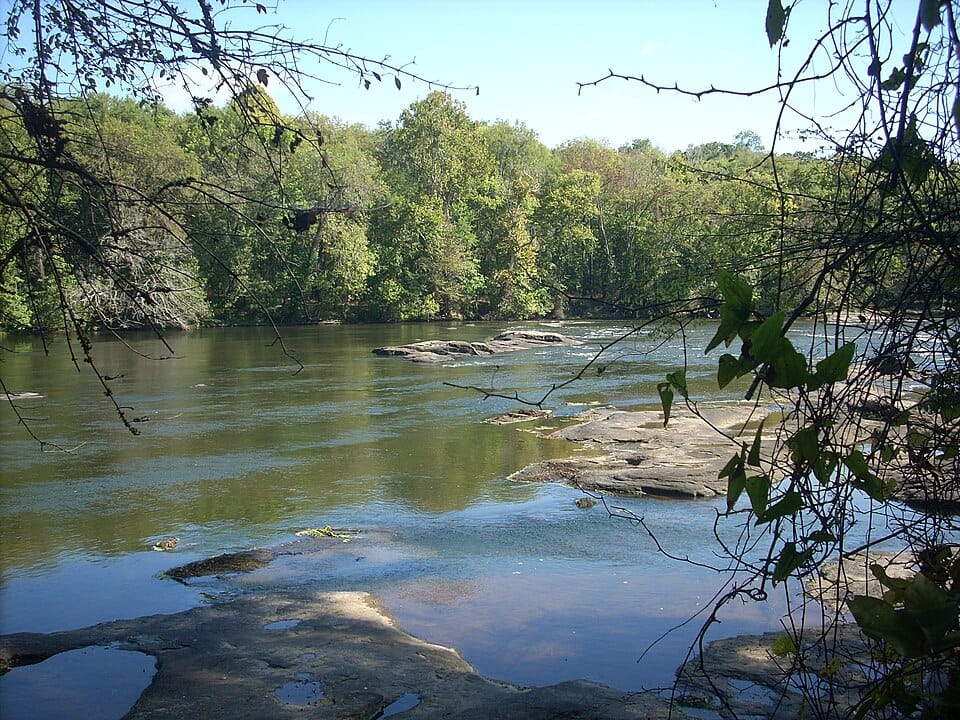
Boating on the Cape Fear River is unique because the scenery changes dramatically along its length. Upstream sections near Fayetteville feature calm and winding waters bordered by forests and bluffs, ideal for small powerboats, kayaks and canoes. As the river flows southeast toward Wilmington, it widens and becomes tidal. This offers deeper channels, marshlands and expansive views well suited for larger boats and cruising yachts.
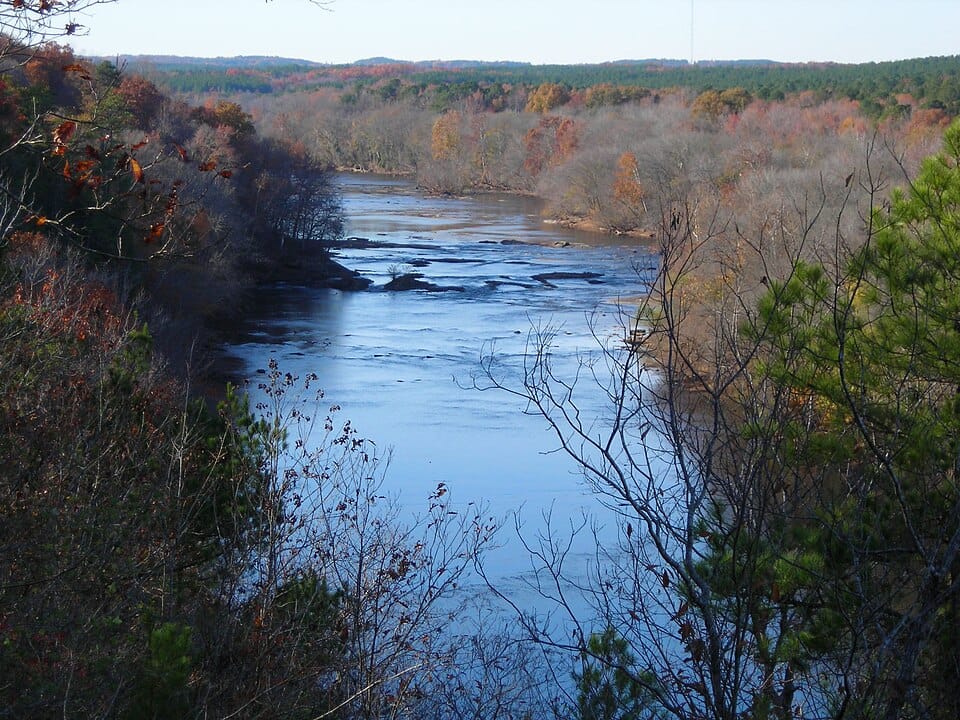
Wildlife and Natural Beauty
The Cape Fear River basin is rich in wildlife. Boaters often spot ospreys, bald eagles, herons and egrets along the shoreline. Dolphins are common in the lower tidal portions of the river near Wilmington and Southport. Cypress swamps, wetlands and blackwater tributaries add to the river’s scenic appeal and make it a favorite for nature lovers and photographers.
Historic Sites Along the Way
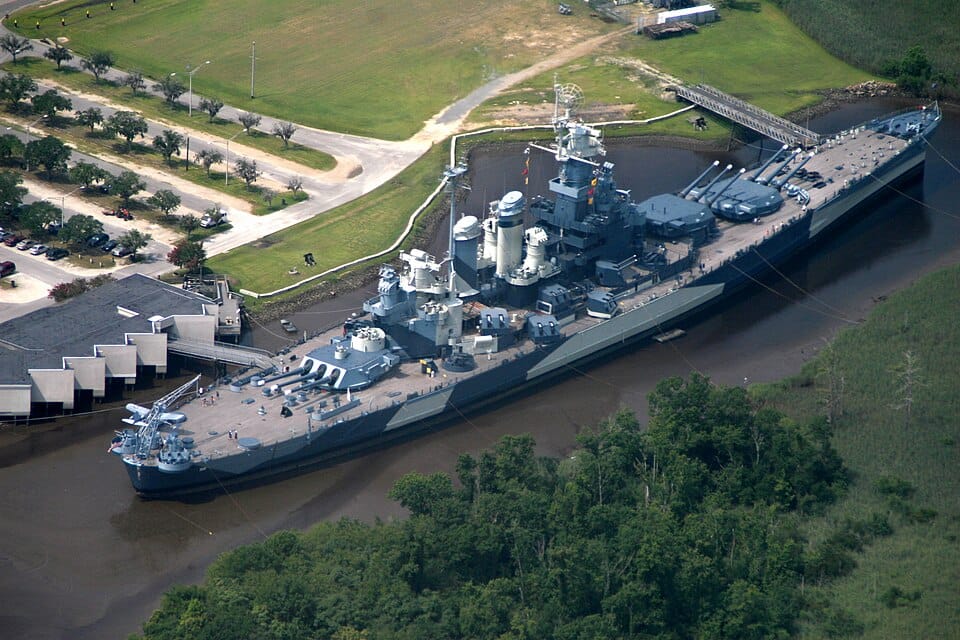
History is deeply woven into the Cape Fear River. Boaters can pass historic towns, Civil War–era sites and old rice plantations that once relied on the river for transportation. Near Wilmington, the riverfront offers easy access to museums, historic downtown streets and the iconic Battleship North Carolina, which is a popular stop for visiting boaters staying at boat slips for rent near me.
Sites Along the Cape Fear River
- Battleship North Carolina
- Airlie Gardens
- Raven Rock State Park
- Fort Fisher State Historic Site
- Carolina Beach State Park
- Wilmington Riverwalk
- Masonboro Island Reserve
Navigation and Boating Conditions
Navigation on the Cape Fear River varies by location. The lower river is well-marked with navigation aids and maintained channels, but strong currents and tidal changes are common. Boaters should pay close attention to tides, especially near inlets and narrow bends, and always consult updated charts. Upstream areas may have shallower water, fallen trees or shifting sandbars, particularly after heavy rains.
Fishing and Recreation
The river is known for excellent fishing, supporting species such as catfish, striped bass, largemouth bass and flounder in brackish areas. Recreational boating, eco-tours and sunset cruises are also popular, particularly near Wilmington where marinas and waterfront dining are readily available.
Safety and Preparation
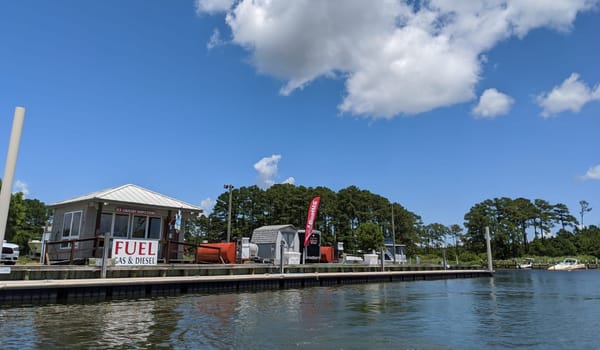
Because conditions can change quickly, preparation is key when boating on the Cape Fear River. Check weather forecasts, monitor water levels, carry required safety equipment and maintain a proper lookout for commercial traffic. Understanding local rules and respecting no-wake zones near marinas, private boat docks for rent and residential areas will ensure a safe and enjoyable trip.
Whether you’re exploring quiet upriver stretches or cruising the bustling lower river near the coast, boating on the Cape Fear River offers a memorable blend of natural beauty, rich history and classic coastal adventure.