Adventures in Boating: The English Channel

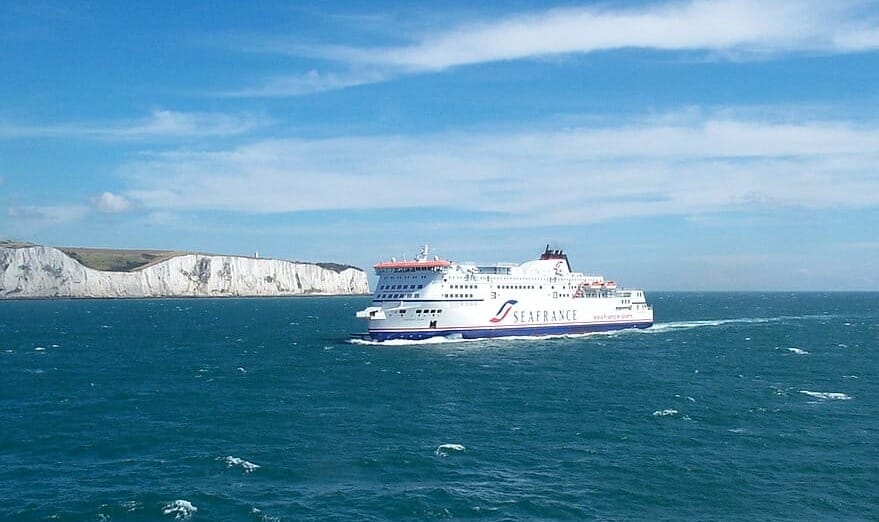
Boating in the English Channel offers a unique blend of historic navigation, busy shipping lanes and dramatic coastal scenery. Separating England from France, this relatively narrow stretch of water is one of the most heavily trafficked maritime corridors in the world. For recreational boaters, it presents both rewarding cruising opportunities and challenges that require careful planning and seamanship. Always do research before leaving a private boat slip rental near me or a marina.
A Historic and Strategic Waterway
For centuries, the English Channel has served as a vital link for trade, travel and defense. It played a pivotal role in events such as the Norman Conquest and D-Day. Today, it remains central to European shipping, with thousands of commercial vessels transiting its waters each year.
For modern boaters, this rich history adds depth to the experience, with many harbors and coastal towns retaining centuries-old maritime traditions.
Navigation and Traffic
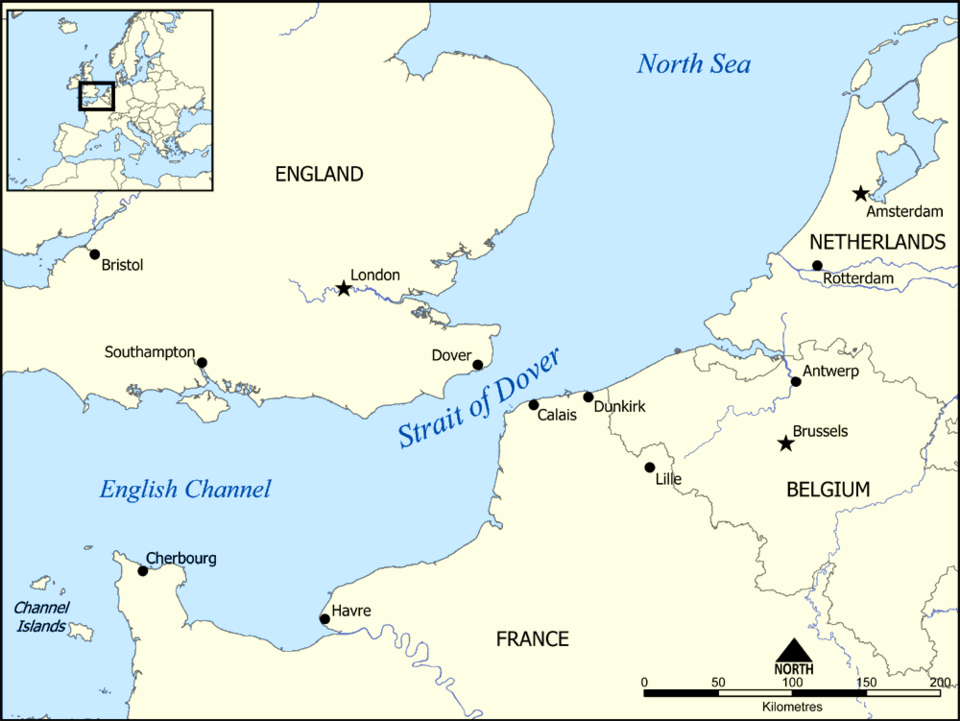
The English Channel is defined by its high vessel density, particularly along major shipping routes. The Dover Strait is the busiest section, where large cargo ships, ferries and tankers move continuously through designated Traffic Separation Schemes (TSS).
Key navigation considerations include:
- Crossing shipping lanes safely, typically at right angles
- Maintaining a proper lookout using both visual observation and radar/AIS
- Understanding COLREGs (International Regulations for Preventing Collisions at Sea)
- Monitoring VHF channels used by commercial traffic and coastguards
The narrowness of the Channel (just about 21 miles at its tightest point) can make crossings deceptively complex.
Weather and Tidal Forces
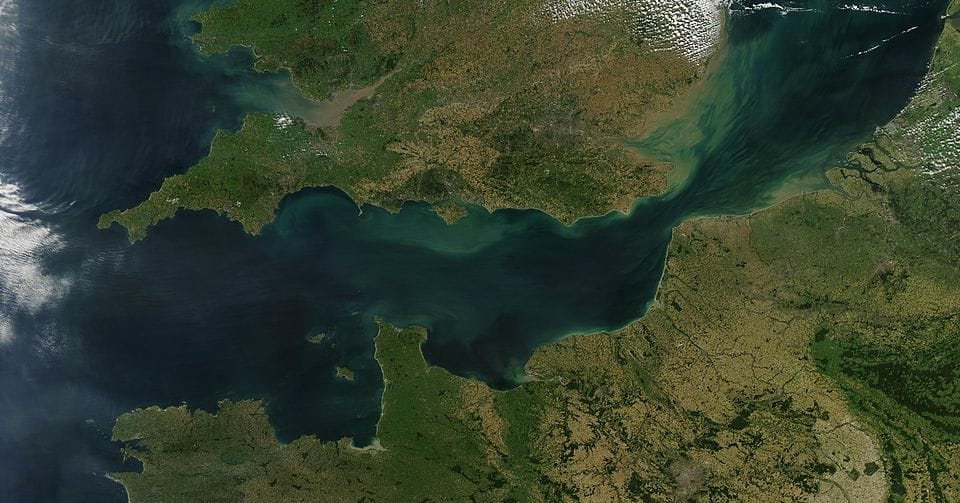
Weather in the English Channel is highly variable and often unpredictable. Rapidly changing conditions are common, especially during transitional seasons. Always check forecasts before leaving marinas or private boat docks for rent.
Boaters should be prepared for:
- Strong tidal streams, which can exceed several knots and significantly affect course and speed
- Short, steep seas, particularly when wind opposes tide
- Frequent fog, especially in spring and early summer
- Sudden wind shifts and frontal systems
Tidal planning is essential. Many experienced boaters time departures to take advantage of favorable currents, especially when crossing between England and France.
Popular Cruising Areas
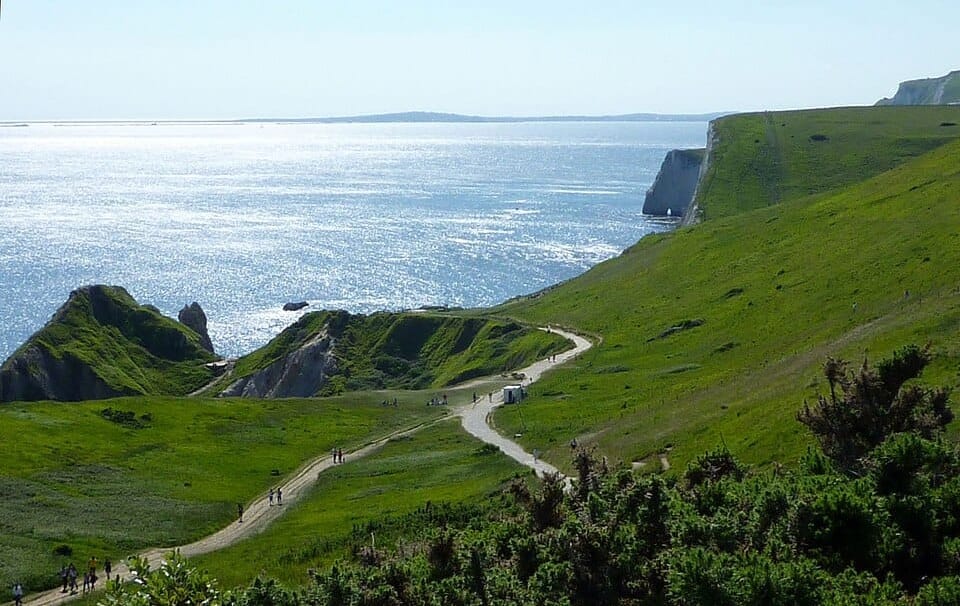
Despite its challenges, the Channel offers exceptional cruising opportunities on both sides.
English Coast
- Solent – one of the UK’s premier sailing areas, known for sheltered waters and strong sailing culture
- Isle of Wight – popular for regattas and scenic anchorages
- Dover – a key departure point for Channel crossings
French Coast
- Cherbourg – a well-equipped marina and common landfall from England
- Deauville – known for its harbor and coastal charm
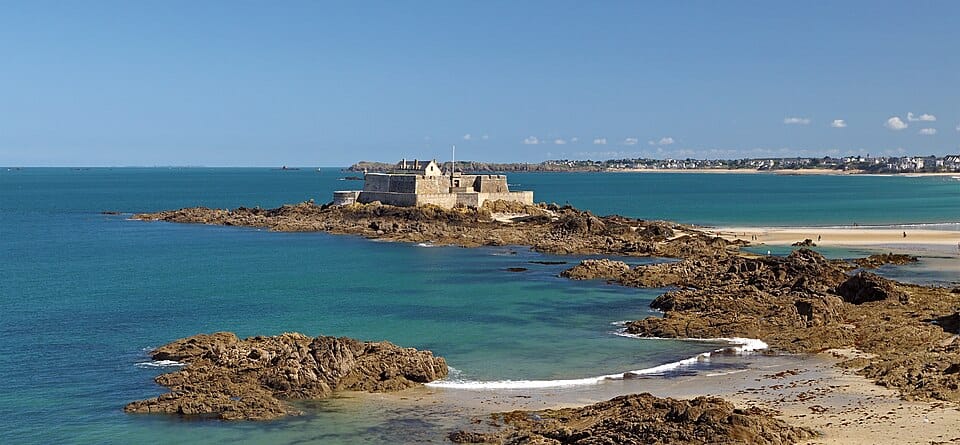
- Saint-Malo – a historic port with dramatic tides and strong currents
These destinations provide a mix of modern marina facilities, historic harbors and vibrant waterfront culture to check out from private boat lift rentals or marinas.
Cross-Channel Passages
One of the most rewarding experiences for boaters is making a cross-Channel passage. While the distance may be relatively short, it requires thorough preparation.
Important considerations include:
- Passage planning and route selection
- Weather windows and visibility
- Customs and immigration procedures post-Brexit
- Fuel range and contingency planning
Even experienced sailors treat Channel crossings with respect due to the combination of traffic, tides and weather.
Safety Essentials
Safety is paramount in the English Channel. Boaters should be equipped with:
- A properly functioning VHF radio
- AIS transponder/receiver for tracking nearby vessels
- Radar, especially useful in fog
- Updated charts and navigation software
- Standard safety gear, including life jackets and emergency signaling devices
Filing a passage plan and informing relevant coastguard services is also recommended for longer trips.
Environmental and Cultural Awareness
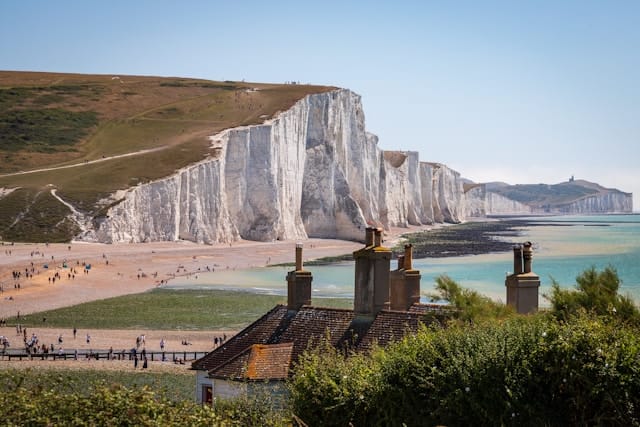
The Channel is bordered by diverse ecosystems, including chalk cliffs, estuaries and tidal flats. Areas like the White Cliffs of Dover are iconic natural landmarks, while coastal communities on both sides maintain deep maritime traditions. Boaters should follow best practices for minimizing environmental impact, including proper waste disposal and respecting protected marine areas.
Boating in the English Channel is both challenging and deeply rewarding. It combines technical navigation with access to some of Europe’s most historic and scenic coastlines. With careful planning, respect for conditions and an understanding of its unique demands, the Channel offers an unforgettable experience for those willing to navigate its busy and ever-changing waters.