Adventures in Boating: The Gulf of Mexico

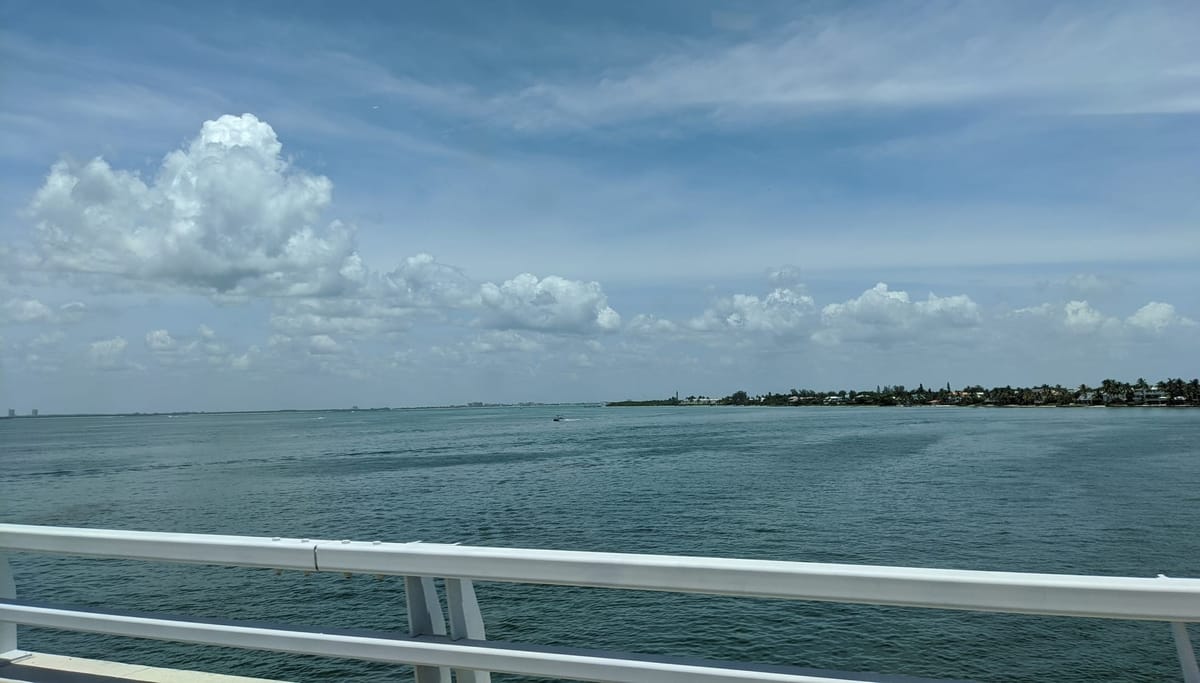
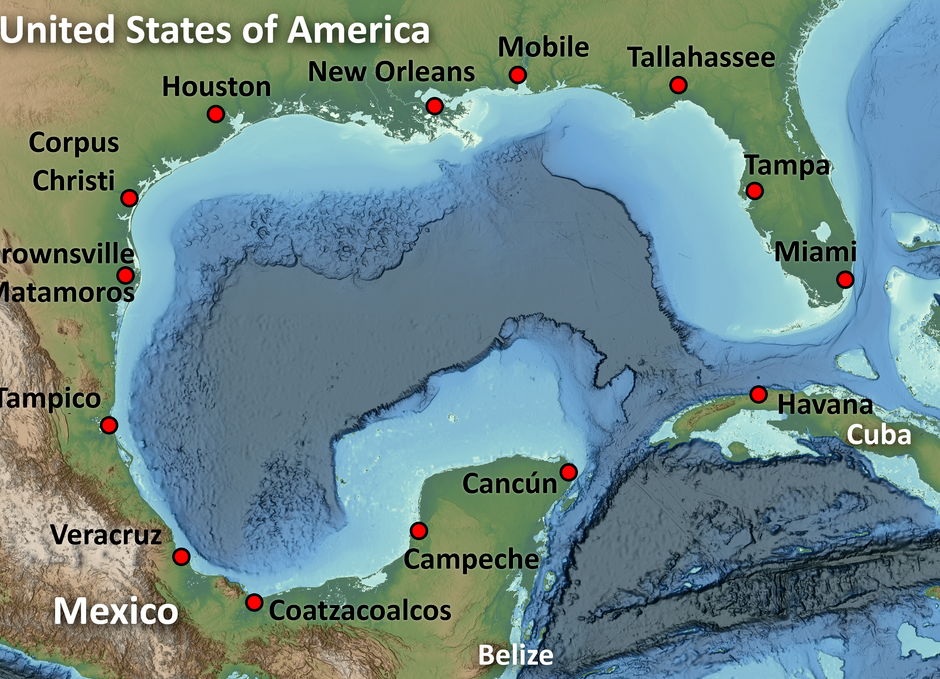
Boating in the Gulf of Mexico offers a distinctive mix of open-water adventure, rich marine ecosystems and working coastal culture. Stretching from the southern United States to Mexico and Cuba, the Gulf is both a recreational playground and a vital maritime corridor. For boaters, it combines accessible cruising grounds with conditions that demand awareness and preparation. Before you head out from a marina or a private boat dock for rent, check out our hints and tips.
A Diverse Coastal Playground
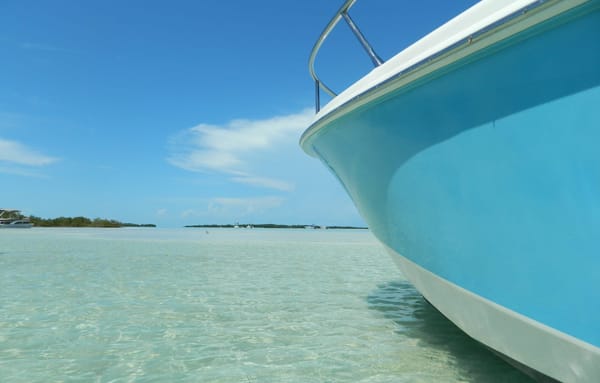
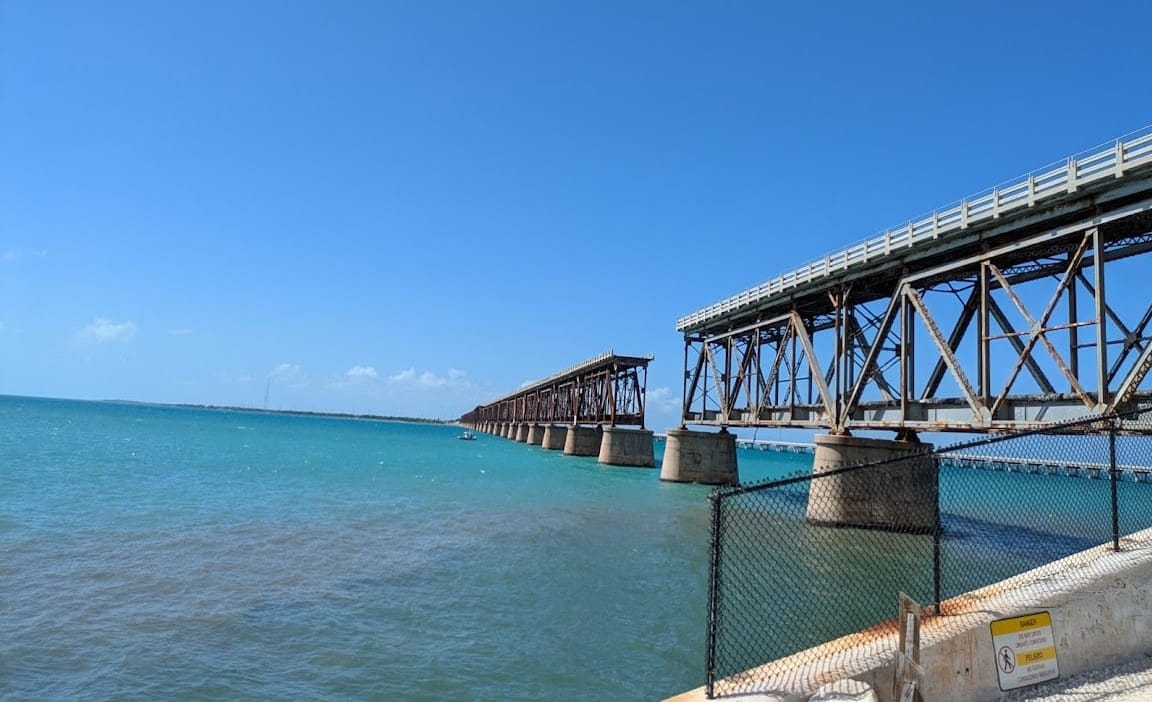
The U.S. Gulf Coast spans five states (Florida, Alabama, Mississippi, Louisiana and Texas), each offering a slightly different boating experience. From the sugar-white sands and clear waters off Florida’s panhandle to the marshy bayous of Louisiana and the expansive barrier islands of Texas, the region supports everything from day cruising to long-distance passagemaking.
Popular boating hubs include:
- Destin, Florida – Known for emerald waters and offshore fishing
- Gulf Shores, Alabama – Family-friendly base with easy Gulf access
- Biloxi, Mississippi – Mix of marinas, casinos and fishing charters
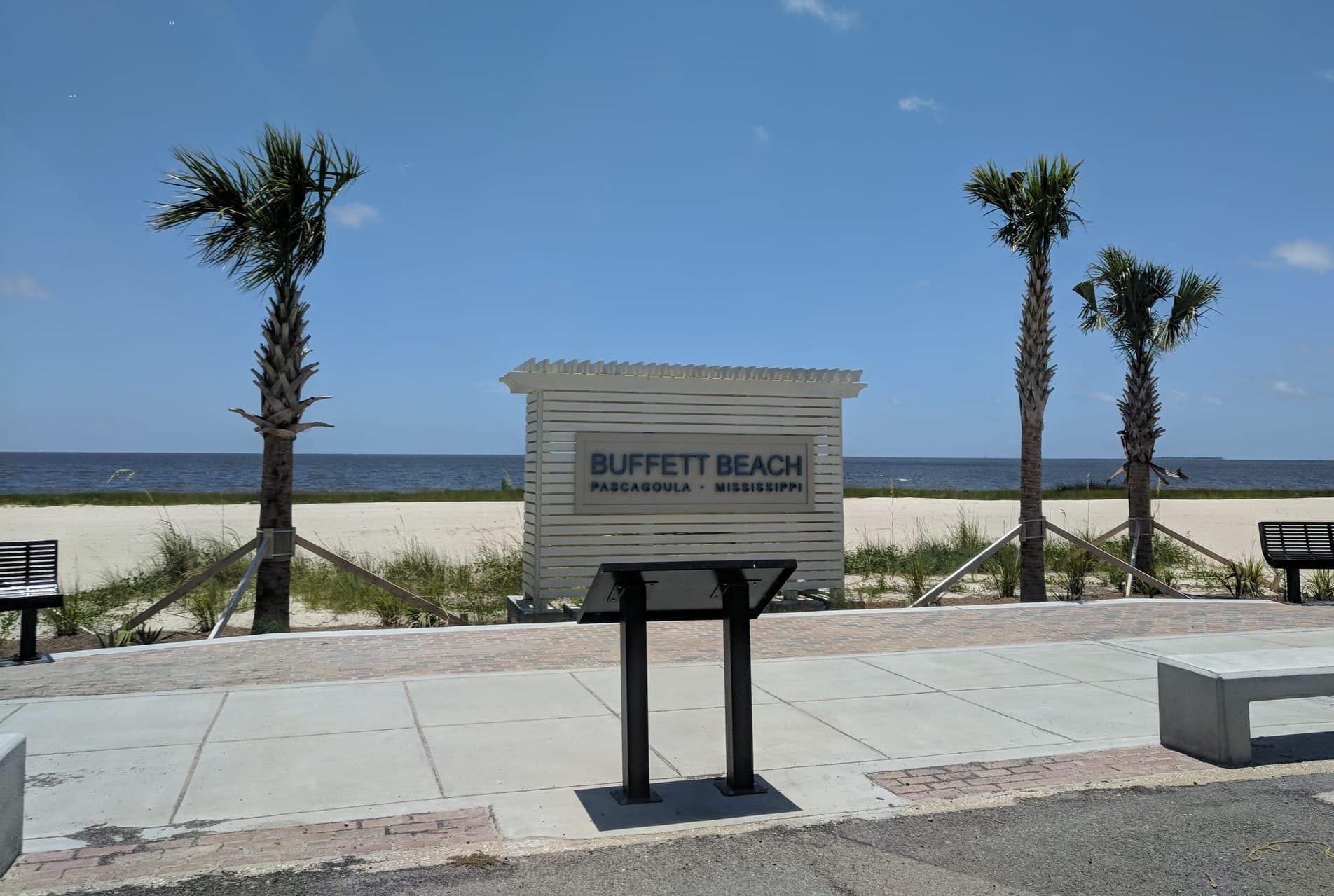
- Pascagoula, Mississippi - Calm waters for swimming and kayaking
- Venice, Florida – Often called the “tuna capital” of the Gulf
- Galveston, Texas – Historic port with access to both bays and offshore waters
Conditions and Navigation
The Gulf is generally considered more moderate than the open Atlantic, but conditions can change quickly by the time you leave private boat lift rentals. Summer often brings calm seas in the morning, followed by afternoon thunderstorms. In contrast, winter “northers” (strong cold fronts) can produce steep waves and sudden wind shifts.
Key navigation considerations include:
- Shallow waters and shoaling in bays, estuaries, and near river mouths
- Tidal influence, which is typically modest but still important in passes and inlets
- Commercial traffic, especially near major ports like Houston Ship Channel and the mouth of the Mississippi River
- Offshore oil and gas platforms, which are numerous and often unlit or minimally marked
Reliable charts, GPS and situational awareness are essential, particularly when navigating unfamiliar waters.
Marine Life and Fishing
One of the Gulf’s biggest draws is its abundant marine life. The warm and nutrient-rich waters support species such as red snapper, grouper, king mackerel and tuna. Recreational and charter fishing are major attractions throughout the region.
Boaters may also encounter dolphins, sea turtles and seasonal migrations of whales. Areas like the Flower Garden Banks National Marine Sanctuary are renowned for coral reefs and exceptional diving opportunities.
Weather and Hurricane Awareness
The Gulf is a focal point during the Atlantic hurricane season, which runs from June through November. Boaters must monitor forecasts closely, before leaving marinas or private boat slip rentals near me, as tropical systems can develop rapidly and intensify before making landfall.
Preparation includes:
- Having a clear evacuation or haul-out plan
- Monitoring NOAA marine forecasts and radar
- Avoiding complacency during periods of calm weather
Even outside of hurricane season, sudden squalls and lightning storms are common, particularly in summer.
Intracoastal and Nearshore Cruising
For those seeking more protected waters, the Gulf Intracoastal Waterway runs along much of the northern Gulf Coast. This network of bays, canals and rivers allows boaters to travel long distances with reduced exposure to open Gulf conditions.
Nearshore cruising often includes:
- Exploring barrier islands and sandbars
- Anchoring in quiet bays and estuaries
- Visiting waterfront towns and working harbors
Safety Considerations
Boating in the Gulf requires respect for both environment and distance. Even a short run offshore can place boaters far from immediate assistance.
Essential safety practices include:
- Carrying required safety gear (life jackets, flares, VHF radio)
- Filing a float plan before departure
- Keeping an eye on fuel range - distances can be deceptive
- Watching for rapidly changing weather
Environmental Stewardship
The Gulf is an ecologically sensitive region facing challenges such as coastal erosion, habitat loss and pollution. Responsible boating practices (like proper waste disposal, avoiding seagrass beds and respecting wildlife) help preserve these waters for future generations.
Boating in the Gulf of Mexico combines accessibility with adventure. Whether fishing offshore rigs, cruising along barrier islands or navigating inland waterways, the region offers something for every type of boater. With proper planning and respect for local conditions, the Gulf provides a rewarding and memorable experience on the water.