Adventures in Boating: The Moselle River

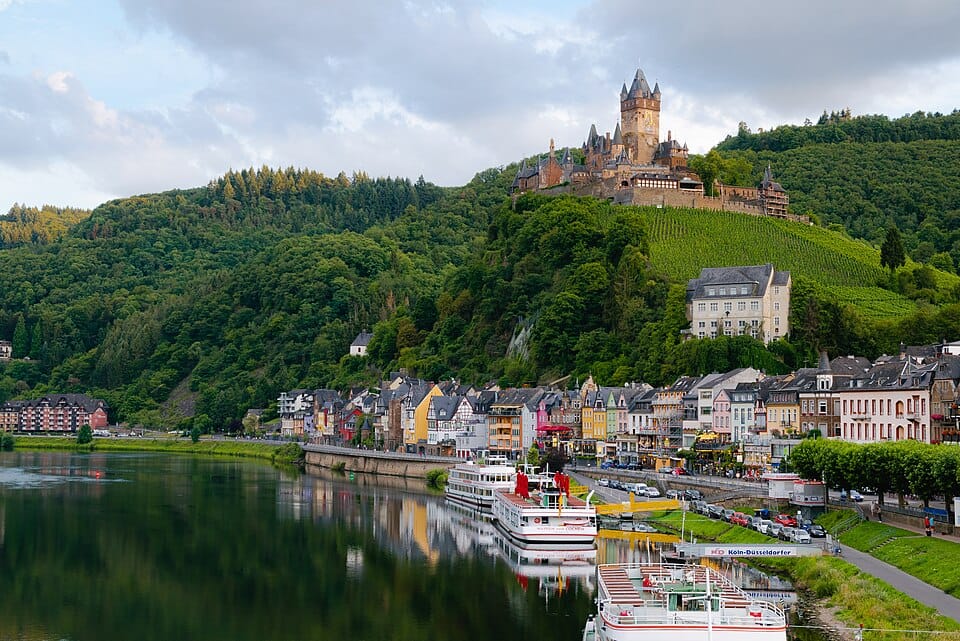
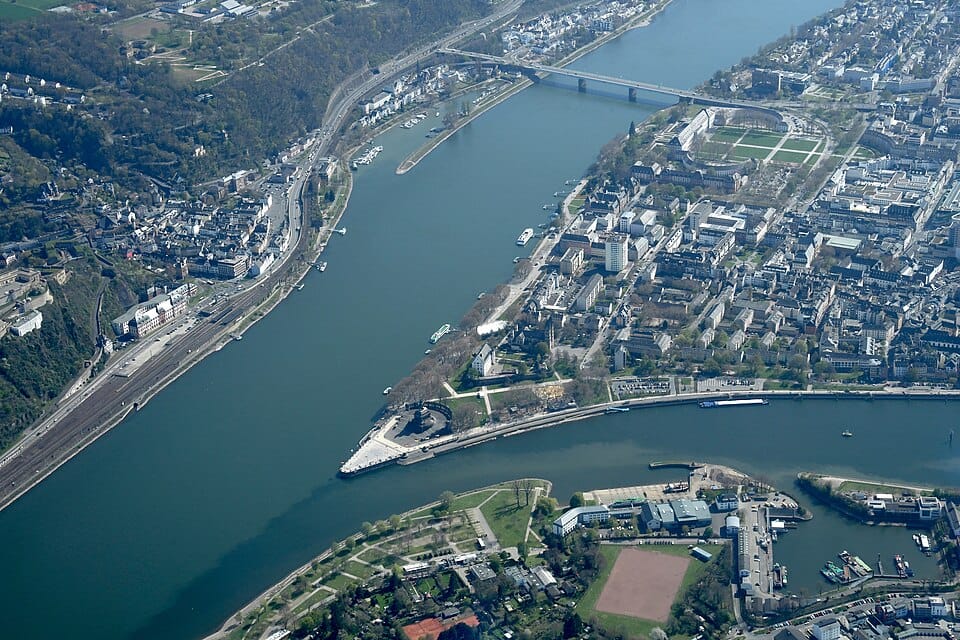
Flowing through France, Luxembourg and Germany, the Moselle River offers one of Europe’s most scenic and culturally rich cruising grounds. The Moselle, approximately 338 miles long, winds past steep vineyard terraces, medieval towns and fairy-tale castles before joining the Rhine at the German corner in Koblenz. For recreational boaters, it combines relaxed navigation, well-developed infrastructure and unforgettable scenery.
An International Waterway
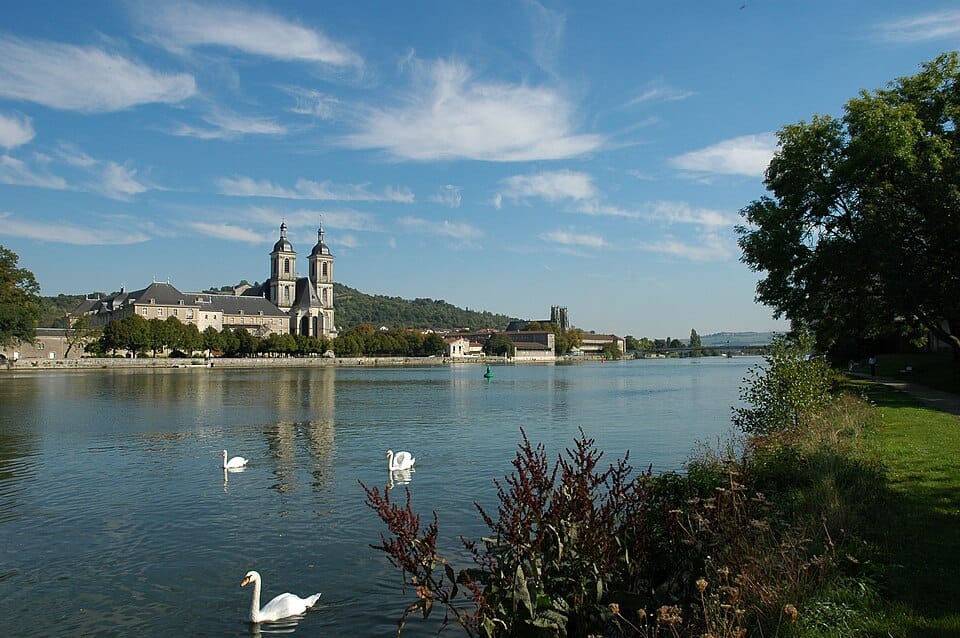
The Moselle rises in the Vosges Mountains in northeastern France and passes through cities such as Metz and Trier before reaching Koblenz. Along its route, it forms part of the border between Luxembourg and Germany, giving boaters the rare opportunity to cruise across three countries in a single voyage from private boat slips for rent near me or local marinas.
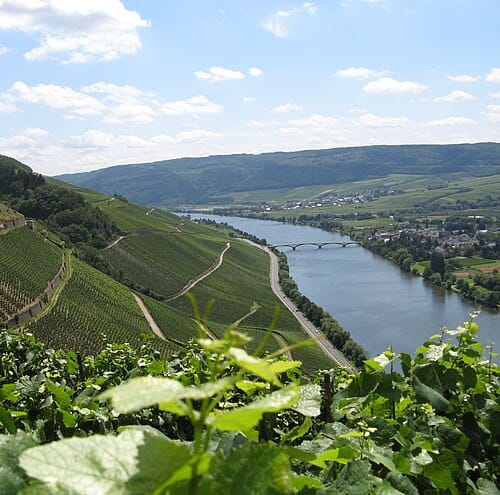
The river is fully canalized from Metz to Koblenz. A series of modern locks and dams maintain consistent water levels. This makes it suitable for both commercial vessels and pleasure craft, including sailboats, trawlers and river cruisers.
Navigation and Locking Through
The Moselle is known for its gentle current and well-marked channels. Navigation charts are straightforward, and buoyage is clear and consistent. Locks are large and generally efficient as they’re designed to accommodate commercial barges. Recreational boaters typically share locks with commercial traffic, so timing and communication are important.
VHF radio is commonly used to contact lock operators. While procedures are organized and predictable, boaters should be comfortable with European inland navigation rules and signage. Speed limits are enforced, particularly near towns and marinas.
Scenic Highlights Along the Way
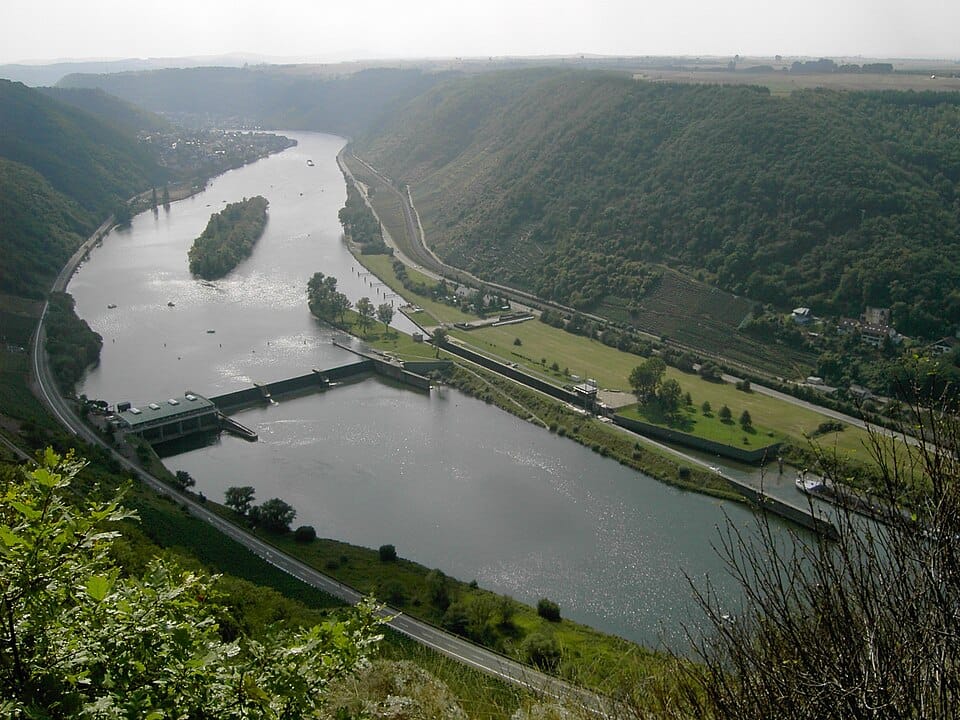
One of the greatest pleasures of boating the Moselle is the landscape. Between Trier and Koblenz, the river meanders dramatically through steep hillsides lined with Riesling vineyards. This stretch, often referred to as the Middle Moselle, is considered among Germany’s most beautiful wine regions.
Picturesque towns along the riverbanks:
- Bernkastel-Kues – Known for its half-timbered houses and lively wine culture
- Cochem – Dominated by the hilltop Reichsburg Castle overlooking the river
- Traben-Trarbach – Famous for Art Nouveau architecture and historic wine cellars
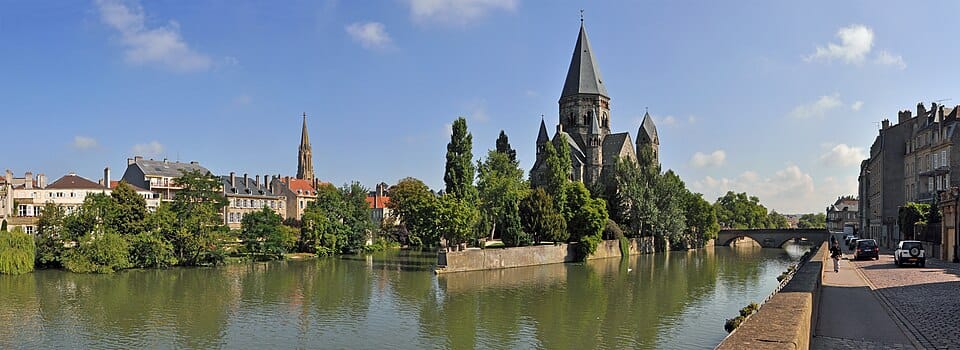
The scenery shifts subtly as you move upstream into France, where the river broadens and the architecture reflects French heritage, particularly around Metz.
Marinas and Services
The Moselle is well-equipped for pleasure craft motoring from private boat dock rentals and marinas.
Numerous marinas and yacht harbors offer:
- Shore power and water
- Fuel docks
- Showers and sanitary facilities
- Restaurants and provisioning nearby
Germany and France both maintain high standards for marina facilities. Many towns are within walking distance of moorings, making provisioning and sightseeing easy.
Wine and Cultural Tourism
The Moselle region is synonymous with Riesling wine. Boaters can tie up and walk directly into vineyards or wine villages for tastings. Many towns host seasonal wine festivals, especially in late summer and early autumn.
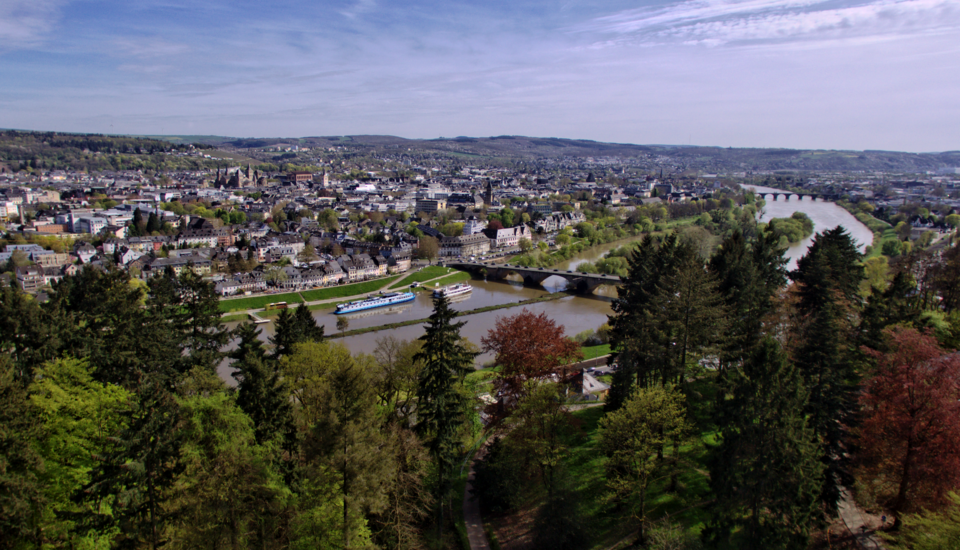
Historically, Trier stands out as Germany’s oldest city, with remarkably preserved Roman ruins such as the Porta Nigra. Koblenz offers the confluence viewpoint at the Deutsches Eck, where the Moselle meets the Rhine beneath a towering equestrian statue.
Best Time to Cruise
The prime boating season runs from late spring through early autumn. Summer offers long daylight hours and vibrant river life, though it is also the busiest time to take off from a private boat slip rental. Spring and early fall provide cooler temperatures and fewer crowds, along with striking vineyard colors during harvest season.
Water levels are generally stable due to the canalization system, but checking notices to mariners before departure from a dock or boat lift for rent is essential.
Practical Considerations
- An International Certificate of Competence (ICC) may be required for non-European boaters.
- Lock fees and mooring costs vary by country and vessel size.
- European inland navigation rules differ slightly from coastal COLREGS.
- Commercial traffic has priority in many situations.
- Advance planning, proper charts and awareness of local regulations ensure a smooth experience.
Boating on the Moselle River offers a unique blend of relaxed navigation and cultural immersion. Unlike faster-flowing rivers, the Moselle encourages unhurried cruising, with short daily runs between charming towns. Whether you’re drawn by vineyards, medieval architecture or simply the pleasure of a scenic European waterway, the Moselle delivers an experience that is both accessible and richly memorable.