Adventures in Boating: The Panama Canal

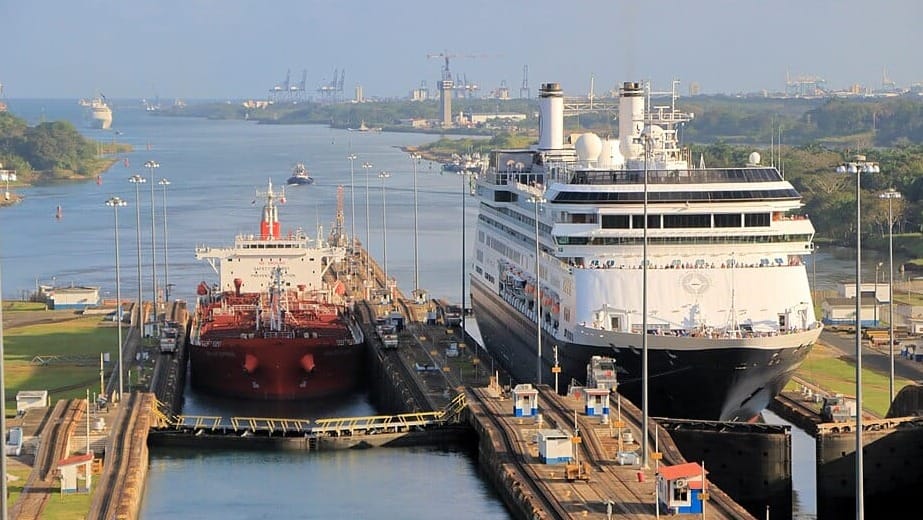
Recreational boating on the Panama Canal offers a rare opportunity to transit one of the world’s most famous engineering achievements under your own power. While most vessels passing through are large commercial ships, private yachts regularly make the journey between the Atlantic and Pacific Oceans while experiencing tropical landscapes, complex lock systems and a carefully managed transit process.
If you’re thinking of making this passage in a private vessel from a marina or a private boat dock for rent, keep reading to pick up important tips and information.
Overview of the Canal
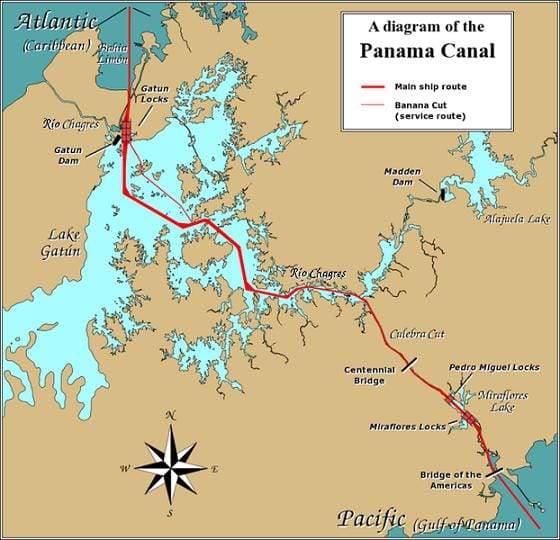
The Panama Canal stretches roughly 50 miles across Panama, connecting the Caribbean Sea (Atlantic side) to the Pacific Ocean. Opened in 1914, it remains one of the most significant maritime shortcuts in the world, dramatically reducing travel time between oceans.
At the heart of the canal are its lock systems, which raise and lower vessels to cross the continental divide via Gatun Lake.
The Transit Experience
Locks and Elevation Changes
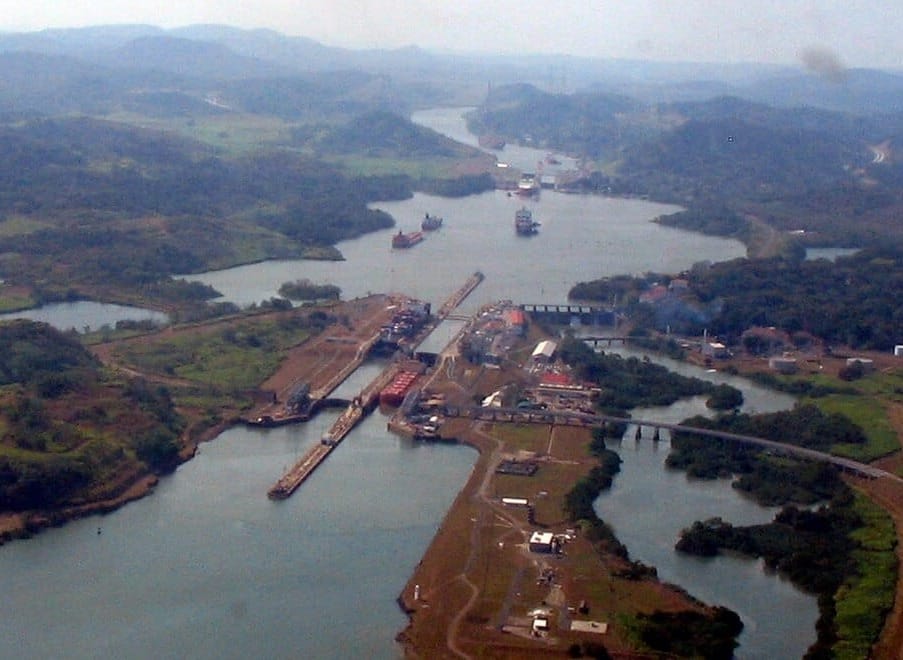
Recreational boats must pass through three main lock systems:
- Gatun Locks
- Pedro Miguel Locks
- Miraflores Locks
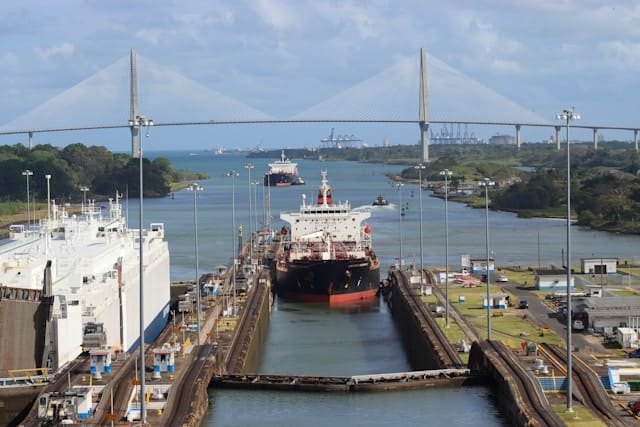
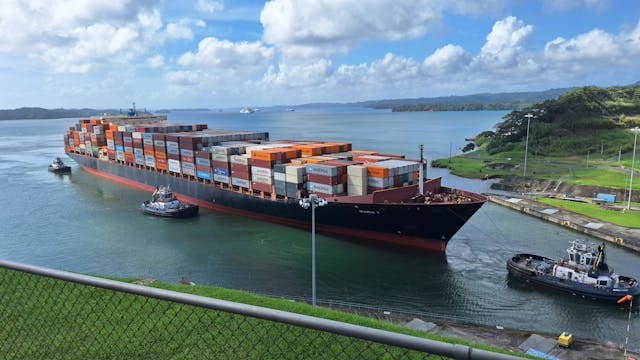
These locks raise vessels approximately 85 feet above sea level and then lower them back down on the opposite side. Transiting alongside massive cargo ships is a highlight (and a humbling experience) for recreational boaters.
A Two-Day Journey
Most small vessels complete the transit over two days:
- Day 1: Enter the canal, pass through Gatun Locks, and anchor overnight in Gatun Lake
- Day 2: Cross the lake and descend through Pedro Miguel and Miraflores Locks
Some faster or well-organized transits may occur in a single long day, but two days is more common for private vessels coming from marinas or private boat slip rentals near me.
Requirements for Recreational Boaters
Panama Canal Authority Regulations
All vessels must comply with the rules set by the Panama Canal Authority. Requirements typically include:
- Advance booking and scheduling
- Vessel measurement and inspection
- Payment of transit fees (based on boat size)
Fees for small recreational vessels often range from several hundred to over a thousand U.S. dollars.
Mandatory Advisor (Pilot)
Every recreational vessel is assigned a canal advisor, an experienced professional who guides the captain through the locks and procedures. While not a pilot in the traditional sense, the advisor’s instructions must be followed during transit.
Crew Requirements
Boats must have a minimum number of line handlers (often four), in addition to the captain. These crew members manage heavy lines used to stabilize the vessel inside the locks. Many boaters hire temporary crew locally if they are short-handed.
Preparing for the Transit
Equipment and Lines
Recreational boats are required to have:
- Long, strong mooring lines
- Adequate fenders (or rented canal tires)
- Reliable engine and steering systems
The forces within the locks can be substantial, especially when sharing space with larger vessels.
Weather and Timing
The canal operates year-round, but conditions vary:
- Dry season (December–April): More predictable weather
- Rainy season (May–November): Increased rainfall, humidity, and occasional reduced visibility
Unlike open-water passages, tides and waves are less of a concern inside the canal, but scheduling and timing remain critical.
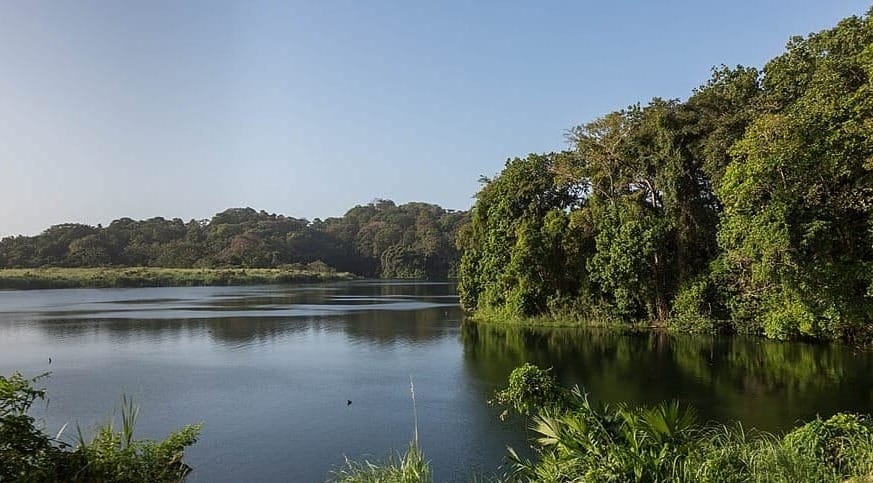
Scenic and Wildlife Highlights
Beyond the engineering marvel, the canal offers a lush tropical environment:
- Dense rainforest surrounding Gatun Lake, which is filled with a variety of fish, including peacock bass, tarpon and snapper (many have adapted to the freshwater of the lake)
- Sightings of monkeys, sloths and tropical birds
- Occasional views of large ships navigating narrow channels
The contrast between heavy industry and untouched jungle is one of the canal’s most striking features.
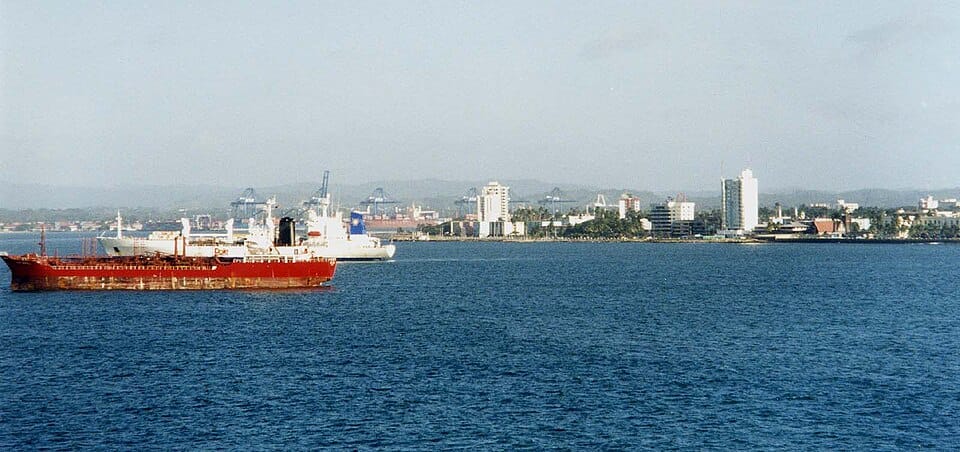
Ports and Marinas
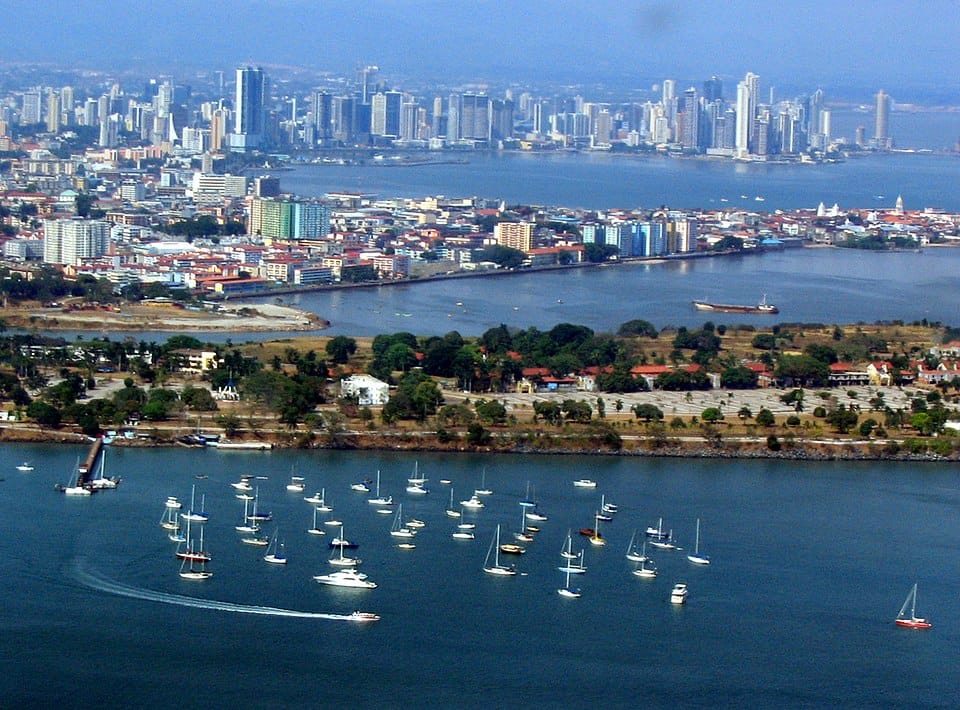
The canal goes through Colón, Gamboa, Balboa and Panama City. Most recreational transits begin near Colón, on the Atlantic side, where marinas and staging areas are available. On the Pacific end, boaters typically exit near Panama City, which offers modern marinas, provisioning and repair facilities.
Safety Considerations
Safety is paramount when transiting the canal:
- Follow all advisor instructions closely.
- Maintain clear communication with the crew.
- Be prepared for strong currents and turbulence in the locks.
- Stay alert to the movements of nearby large vessels.
Recreational boating on the Panama Canal is a once-in-a-lifetime experience that combines technical skill with global maritime history. From navigating massive lock systems to cruising through tropical rainforest, the journey offers a unique perspective on one of the world’s greatest engineering feats. Proper preparation and teamwork are essential for a smooth transit.
For boaters seeking both adventure and accomplishment from a marina or a private boat lift for rent, a canal transit stands as a memorable milestone. It connects not just two oceans, but also the traditions of seamanship with modern maritime innovation.