Adventures in Boating: The Rhine River

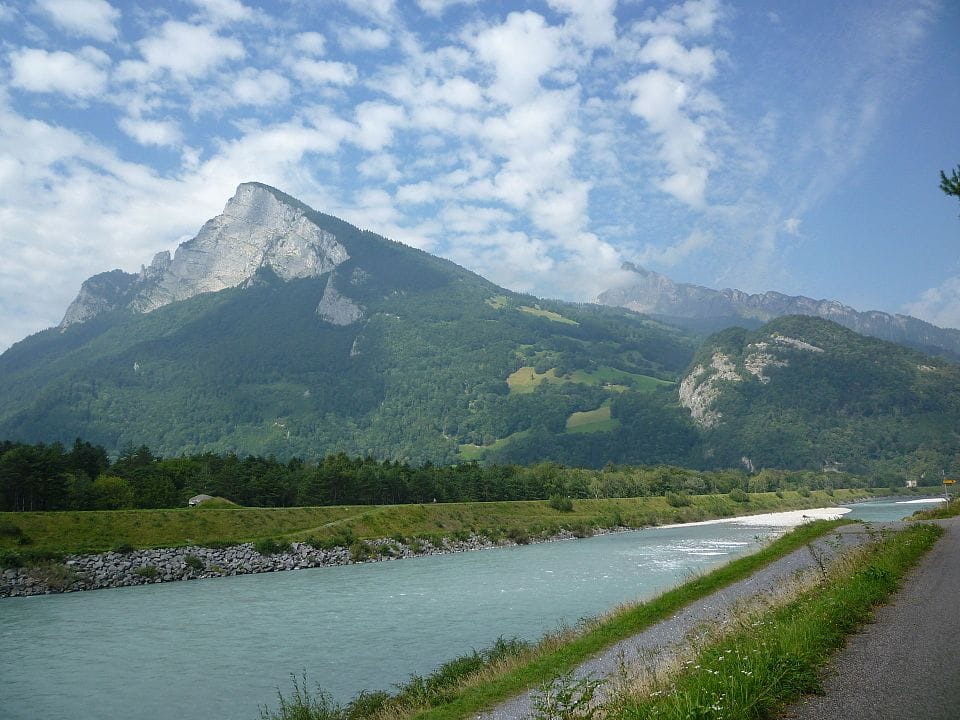
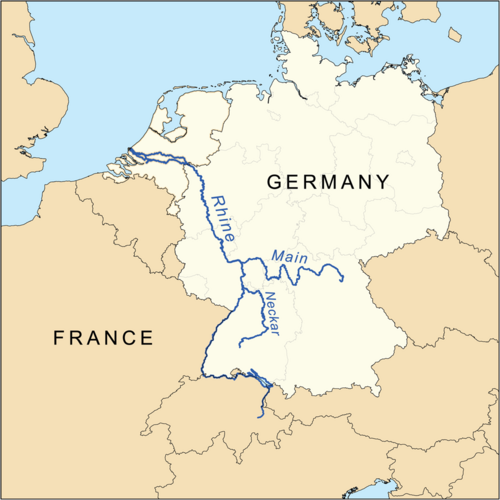
One of Europe’s most iconic waterways, the Rhine River in the southeastern Swiss Alps (at Lake Toma) and flows more than 760 miles through six countries (Switzerland, Liechtenstein, Austria, Germany, France and the Netherlands) before reaching the North Sea near Rotterdam. It’s famous for its castles, vineyards, historic cities and dramatic scenery.
The Rhine also offers unique opportunities — and challenges — for recreational boaters. While it is primarily a commercial artery, careful planning allows pleasure craft to enjoy this legendary river safely and responsibly. Passing through several cities — including Strasbourg, France and Heidelberg, Dusseldorf and Koblenz, Germany — the river is a wonderful way to explore European boating life, whether you’re traveling from a marina or a private boat dock rental.
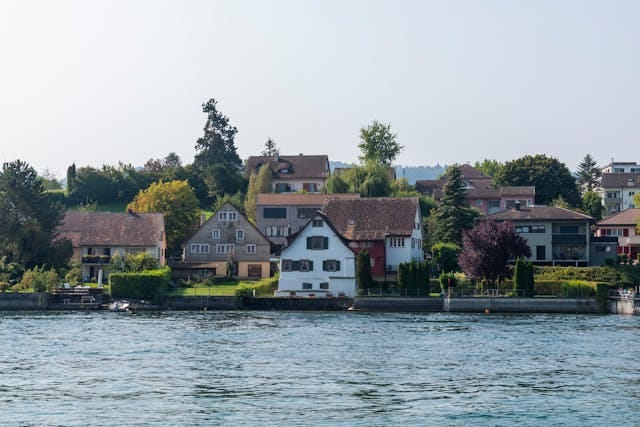
Understanding the Rhine’s Character
Before you cast off the lines and head out from private boat slips for rent near me, the most important thing to know is that the Rhine is a working river. It carries some of the heaviest commercial traffic in Europe, including container ships, tankers and cruise vessels. Recreational boating is permitted, but it requires vigilance, good seamanship and familiarity with river navigation rules and lock procedures.
Key characteristics include:
- Strong currents, often 4–7 knots depending on location and water level
- Narrow navigation channels in some stretches
- Locks and weirs regulating water levels
- Busy shipping lanes, especially in industrial areas
Because of these factors, the Rhine is best suited for experienced boaters rather than beginners.
Best Sections for Recreational Boating
Some stretches of the Rhine are more enjoyable and manageable for leisure craft than others.
Upper Rhine (Basel, Switzerland to Mainz, Germany)
This section offers scenic cruising with historic towns, vineyards and relatively calmer surroundings, though currents remain strong. Boaters should be comfortable with lock procedures and river traffic. This section forms a border with the western side of Austria, rather than flowing through it. It joins Lake Constance near Bregenz, Austria, before entering Germany.
Middle Rhine (Mainz, Germany to Koblenz, Germany)
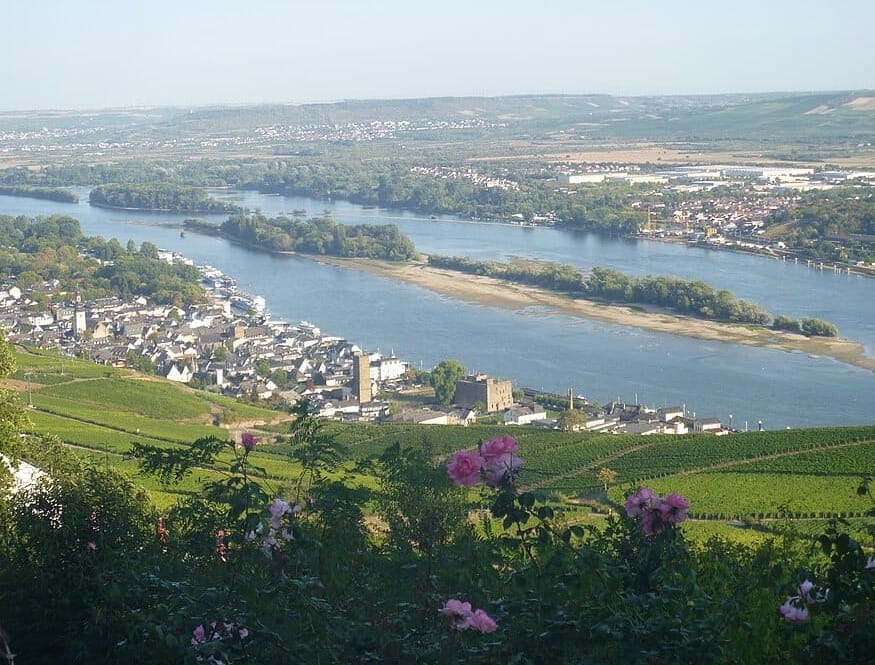
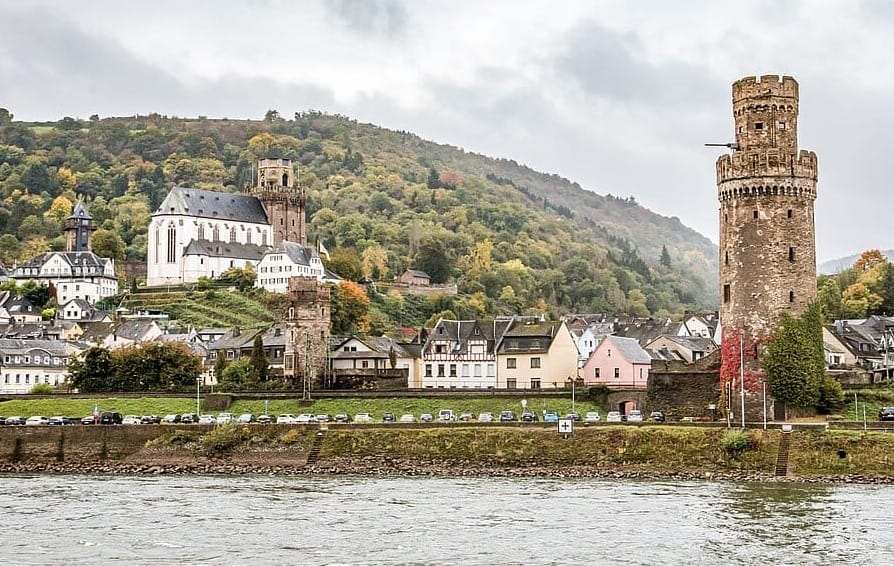
Often considered the most picturesque portion, this UNESCO World Heritage area features steep hillsides, medieval castles and charming villages. While stunning, it’s also narrow and busy and requires constant attention.
Lower Rhine (Koblenz, Germany to the Netherlands)
Wider and more industrial, this section sees heavier commercial traffic but offers easier navigation due to broader channels and more marinas.
Navigation Rules and Licensing
Recreational boating on the Rhine is governed by international inland waterway regulations (the CEVNI rules). Key points include:
- Commercial traffic has priority
- Speed limits vary by region
- Navigation lights and sound signals are strictly enforced
- Certain areas restrict anchoring or overnight stays
Depending on the boat size and engine power, operators may need an International Certificate of Competence (ICC) or a country-specific license. Local regulations can differ between Switzerland, Germany, France and the Netherlands, so checking requirements before departure is essential.
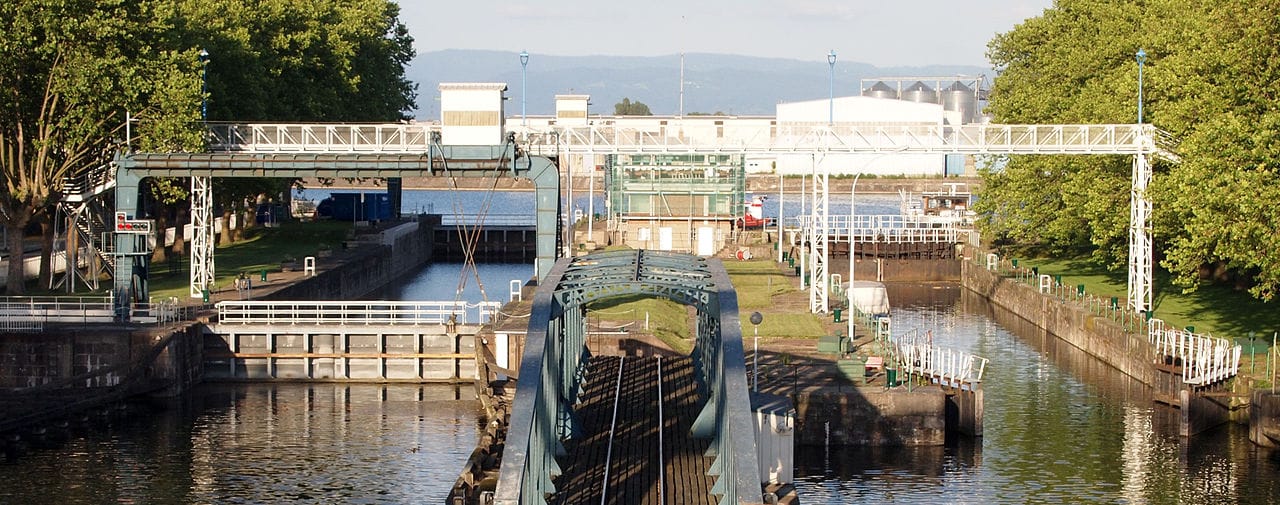
Locks, Bridges and Water Levels
Locks are a routine part of Rhine navigation. Recreational vessels usually lock through alongside commercial traffic, which can be intimidating but is manageable with proper fenders and lines.
Water levels fluctuate seasonally:
- High water increases current speed and can restrict bridge clearance
- Low water may limit draft and marina access
- Monitoring river level reports is critical for trip planning.
Marinas and Mooring
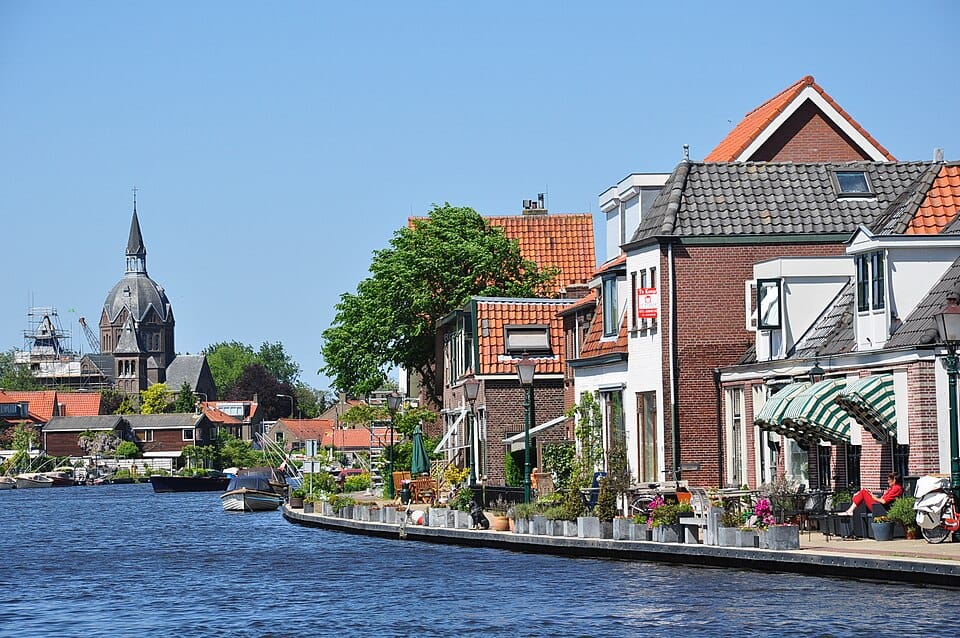
Well-equipped marinas and yacht harbors are available throughout the Rhine, particularly near major towns, cities or private boat lifts for rent.
Facilities often include:
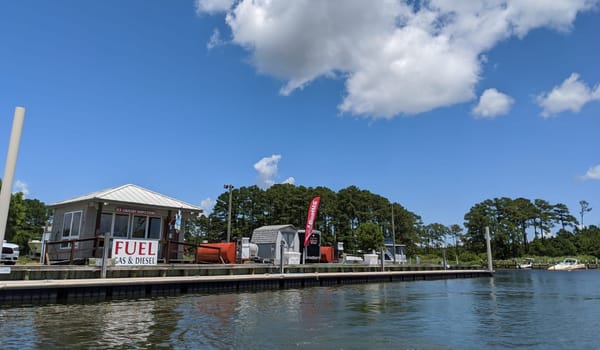
- Fuel docks
- Electricity and water
- Restrooms and showers
- Easy access to town centers
Wild mooring is generally discouraged or prohibited due to traffic, current and environmental protection rules.
Best Time of Year to Boat
Late spring through early autumn is the most popular season for recreational boating on the Rhine. Summer offers warm weather and lively river towns, but also increased traffic. Shoulder seasons may be quieter but require careful attention to weather and water levels.
Safety Considerations
Boating on the Rhine demands heightened awareness whether you’re visiting from a major marina or a boat slip rental near me. You’ll want to:
- Keep a continuous lookout for commercial traffic.
- Avoid crossing shipping lanes unnecessarily.
- Share a float plan with friends or family.
- Use AIS if available.
- Maintain reliable propulsion and steering.
- Monitor VHF radio channels used by commercial vessels.
- Life jackets and safety equipment are strongly recommended at all times.
Recreational boating on the Rhine River is a rewarding experience for skilled and prepared boaters. With its blend of history, culture and stunning scenery, the Rhine offers a perspective few travelers ever see from shore. While it’s not a casual cruising destination, those who respect its power and plan carefully will find the Rhine to be one of Europe’s most memorable waterways.