Adventures in Boating: The Snake River

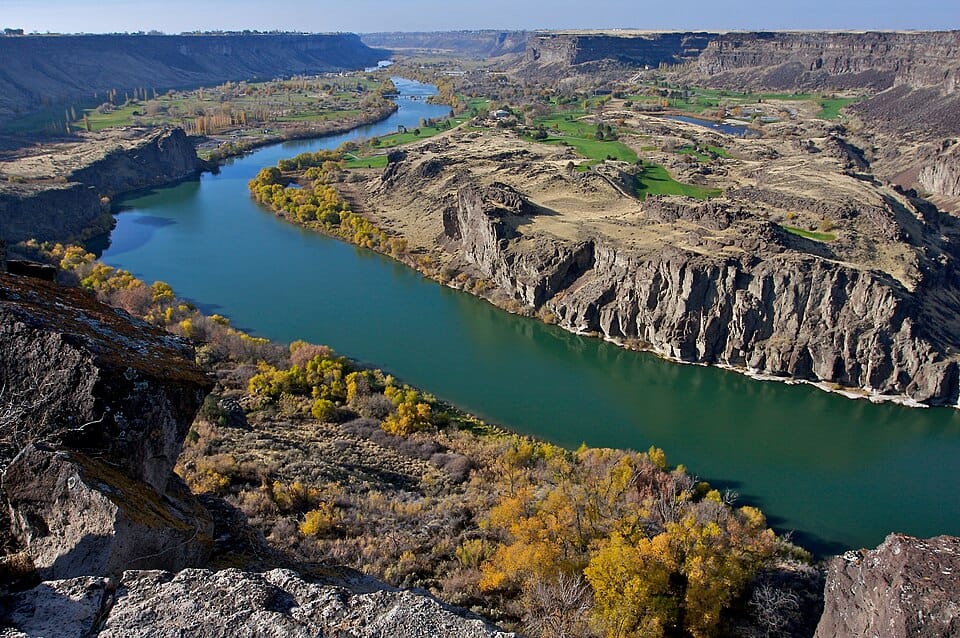
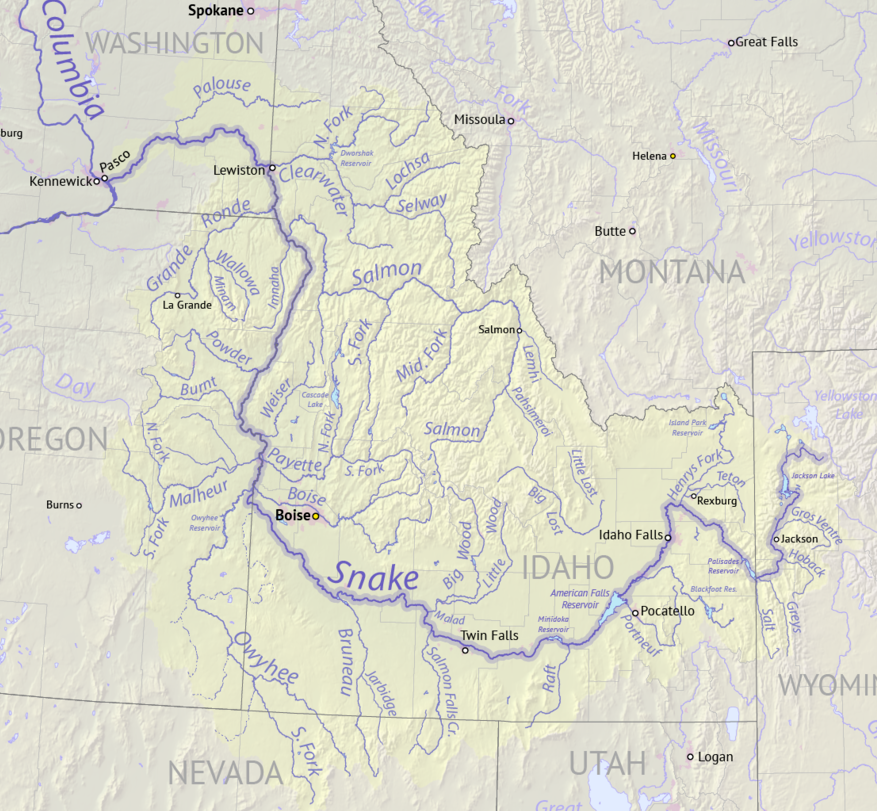
Stretching across Wyoming, Idaho, Oregon and Washington, its waters are important for hydropwer, irrigation and salmon. Boating on the Snake River offers a diverse and rewarding experience for travelers. As one of the largest tributaries of the Columbia River, the Snake River winds through dramatic canyons, fertile valleys and remote wilderness, making it a favorite for both recreational boaters and adventure seekers.
Understanding the river’s character and conditions is key to a safe and enjoyable trip. Keep reading to pick up some pointers before you cruise out from private boat slips for rent near me or a marina.
A River of Many Personalities
The Snake River varies greatly along its length. In Wyoming and eastern Idaho, it’s known for scenic floats, fishing and gentle currents ideal for drift boats and rafts. As the river flows west, it widens and becomes more powerful, with reservoirs and dam-controlled sections supporting power boating, watersports and cruising. Farther downstream, deep canyons such as Hells Canyon introduce fast water, rapids and challenging navigation.
Popular Boating Sections
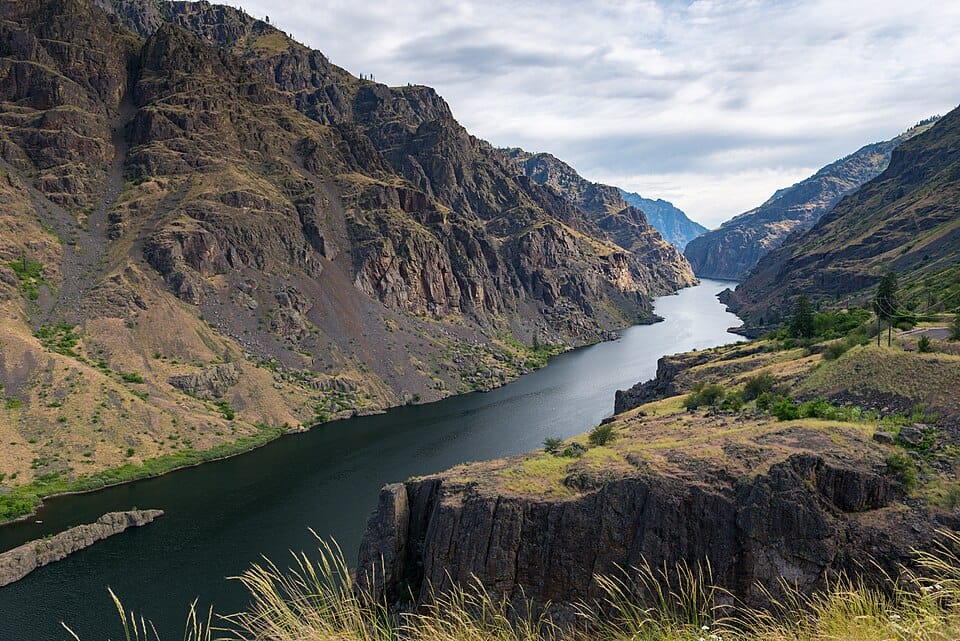
Some of the most popular boating stretches include the South Fork of the Snake River in Idaho, renowned for world-class fly fishing and calm floats. The Snake River through Hells Canyon, on the Oregon/Idaho border, attracts experienced jet boaters and rafters with its rugged scenery and whitewater rapids. Reservoirs like American Falls, Brownlee and Lower Granite offer calmer conditions for fishing, cruising and family outings from a private boat dock rental.
Boat Types and Access
Different sections of the Snake River favor different boats. Drift boats, rafts and kayaks are common in shallower, faster-flowing areas, while jet boats and shallow-draft powerboats are well suited for rocky sections with variable depths. Larger powerboats are typically limited to reservoir areas. Public boat ramps are widely available, but conditions can change with water levels, so checking local access information is important before you leave a boat slip rental near me or a marina.
Navigation and Safety Considerations
River boating requires heightened awareness. Water levels can fluctuate rapidly due to dam releases, melting snow or weather changes. Submerged rocks, shifting channels and strong currents are common hazards. Boaters should always wear life jackets, monitor flow rates and understand local river classifications. In canyon sections, limited cell service makes preparation and communication planning especially important.
Wildlife and Scenic Highlights
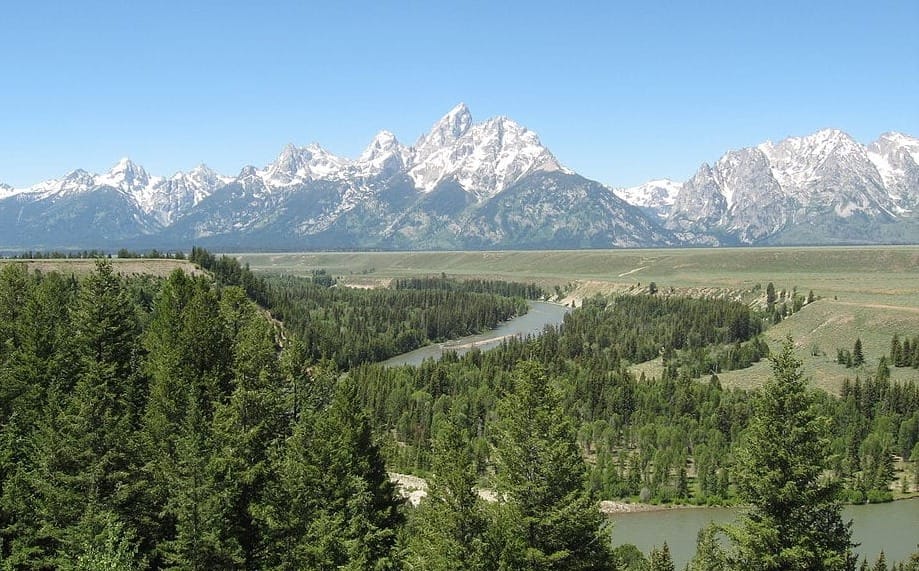
Boating the Snake River offers exceptional wildlife viewing. Bald eagles, osprey, herons and waterfowl are frequently seen along its banks, along with deer, elk and bighorn sheep in more remote areas. The river’s scenery ranges from rolling farmland to towering basalt cliffs, providing constantly changing views to enjoy whether you’re cruising from a marina or a private boat lift for rent.
Regulations and Stewardship
Boaters should be aware of local regulations, including no-wake zones, seasonal restrictions and required permits in certain stretches. Many areas emphasize conservation and responsible recreation. Practicing Leave No Trace principles helps protect the river’s ecosystems and preserves access for future generations.
Boating on the Snake River can be peaceful, thrilling or somewhere in between, depending on where you go and how you travel. With proper planning, respect for the river’s power and an appreciation for its natural beauty, the Snake River offers unforgettable experiences across the American West.