Adventures in Boating: The Volga River

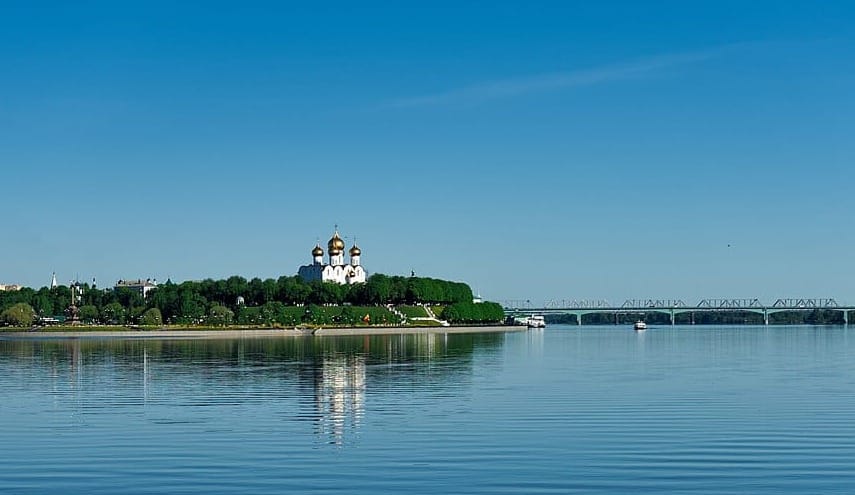
Boating along the Volga River offers a journey through the heart of Russia, combining vast landscapes, historic cities and centuries of cultural heritage. Stretching roughly 2,194 miles, the Volga is the longest river in Europe (the Danube comes next) and one of the most important waterways in Russian history.
For centuries it has served as a trade route, transportation corridor and cultural lifeline linking the forests of western Russia with the Caspian Sea. Today, the river remains a popular route for cruise ships, riverboats and recreational boating, offering travelers a unique perspective on Russia’s landscapes and historic settlements.
The Geography of the Volga River
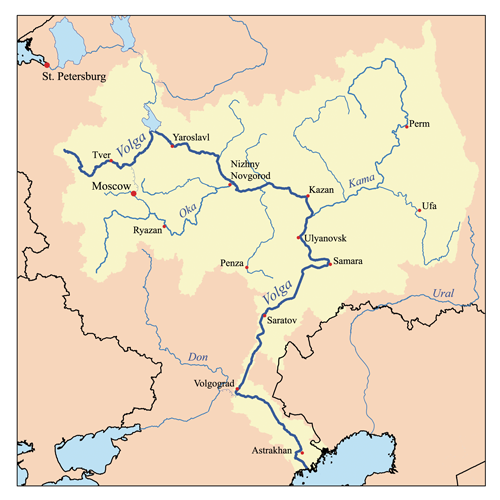
The Volga begins in the wooded hills of the Valdai Hills, northwest of Moscow, and flows generally southeast before emptying into the Caspian Sea near Astrakhan. Along its long course, the river passes through numerous regions and major cities that have shaped Russia’s political, cultural and economic development.
Several large reservoirs created by dams have transformed sections of the river into broad inland seas. These reservoirs allow large cruise vessels and cargo ships to travel long distances along the Volga.
Major cities along the river include:
- Tver
- Yaroslavl
- Nizhny Novgorod
- Kazan
- Samara
- Volgograd
Each city reflects different chapters of Russian history, from medieval trade centers to Soviet-era industrial hubs.
The Volga as a Historic Waterway
The Volga has served as a transportation route for more than a thousand years. Early Slavic settlers, Viking traders and merchants traveling between northern Europe and Central Asia used the river as a major trade corridor.
During the Middle Ages, the river connected trading networks between the Baltic Sea, the Caspian Sea and the Silk Road regions of Asia. Merchant ships transported furs, timber, grain, honey and precious metals along the river’s expanding trade routes.
In later centuries, the Volga became central to the growth of the Russian Empire. River traffic increased dramatically during the 18th and 19th centuries as steamships and barges carried goods between inland regions and coastal ports.
Popular River Cruise Routes
Many travelers experience the Volga through multi-day river cruises that connect major cities and historic towns. One of the most common itineraries from ports and private boat docks for rent links Moscow and St. Petersburg using a network of rivers, canals and lakes that connect to the Volga basin.
These cruises often pass through scenic waterways such as:
- Lake Onega
- Lake Ladoga
- Volga–Baltic Waterway
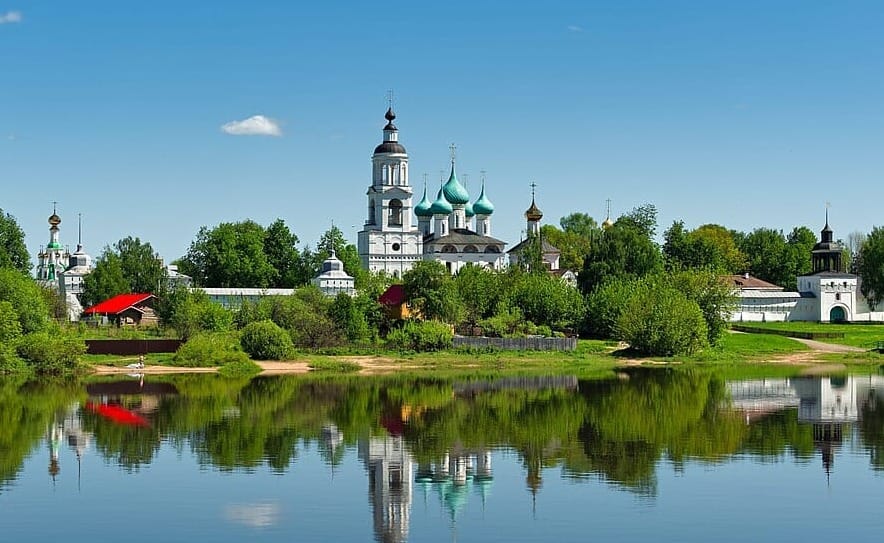
Travelers along these routes may stop at historic river towns, monasteries and open-air museums that showcase traditional Russian architecture and culture.
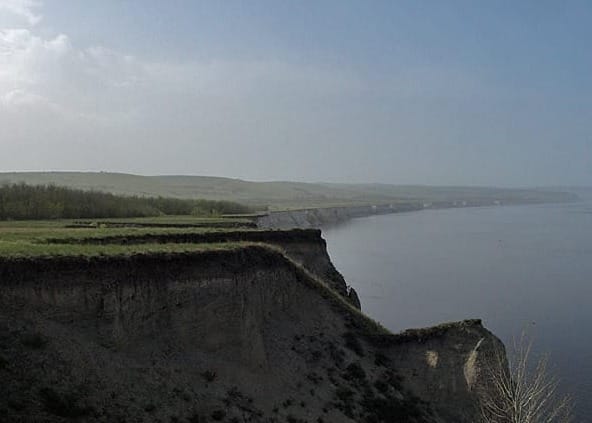
Cultural Highlights Along the Volga
Boating along the Volga offers access to many historically significant cities and landmarks.
Yaroslavl
The city of Yaroslavl is one of Russia’s oldest settlements and part of the UNESCO World Heritage–listed “Golden Ring” of historic towns. Its riverfront churches and monasteries reflect centuries of Russian Orthodox architecture.
Kazan
Further downstream, Kazan showcases a blend of Russian and Tatar cultural influences. The Kazan Kremlin, a fortified complex overlooking the Volga, is a major historical and architectural landmark.
Volgograd
The river also passes through Volgograd, the site of the pivotal Battle of Stalingrad during World War II. Memorials and museums along the waterfront commemorate one of the most decisive battles of the war.
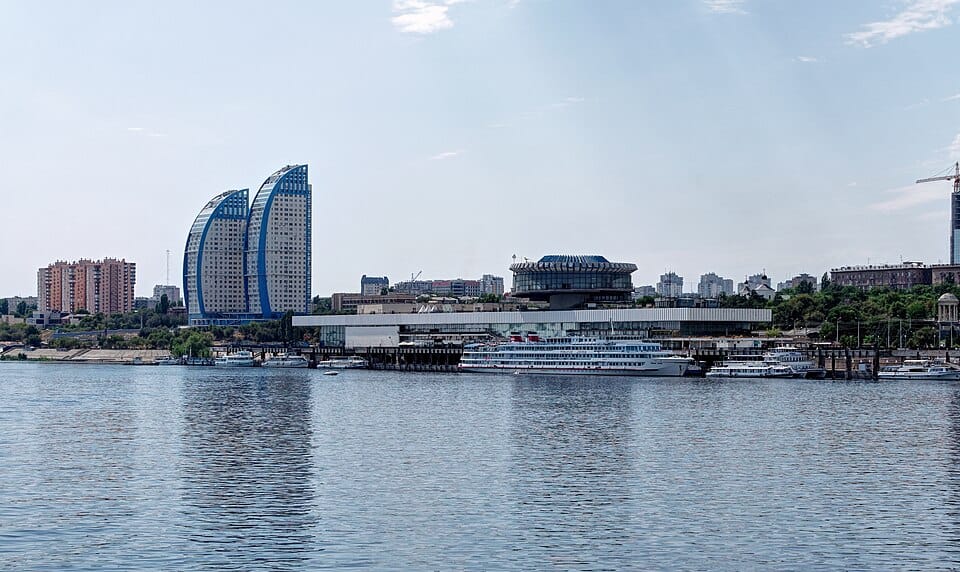
Wildlife and Natural Landscapes
Although the Volga flows through large cities, much of its course passes through forests, steppe grasslands and wetlands. These environments support a variety of wildlife and bird species to check out from a private boat lift rental or a marina.
The river’s extensive delta near Astrakhan is particularly important for migratory birds and fish. The region includes the Volga Delta, one of Europe’s largest river deltas and a vital habitat for species such as pelicans, herons and sturgeon. Anglers value the river for species such as pike, perch and catfish.
Locks, Reservoirs and Navigation
Modern navigation along the Volga relies on an extensive system of locks, canals and reservoirs constructed during the Soviet era. Large dams such as the Volga Hydroelectric Station regulate water levels and generate electricity while also enabling commercial shipping. These engineering projects transformed portions of the river into wide reservoirs that allow larger vessels to travel more easily between major cities.
A River Central to Russian Identity
Beyond its economic importance, the Volga holds a deep symbolic place in Russian culture. Often referred to as “Mother Volga,” the river appears frequently in literature, music and folklore. Its banks have witnessed centuries of trade, exploration, conflict and cultural exchange.
For travelers and boaters alike, exploring the Volga offers more than a scenic river journey from a dock, marina or private boat slip rental near me. It provides a window into the geography, history and cultural traditions that have shaped Russia for generations.
Whether experienced aboard a large river cruise vessel or a smaller excursion boat, a voyage along the Volga remains one of the most distinctive ways to experience the landscapes and historic waterways of Eastern Europe.