AIS for Boaters: What it is and Why it Matters for Safety at Sea

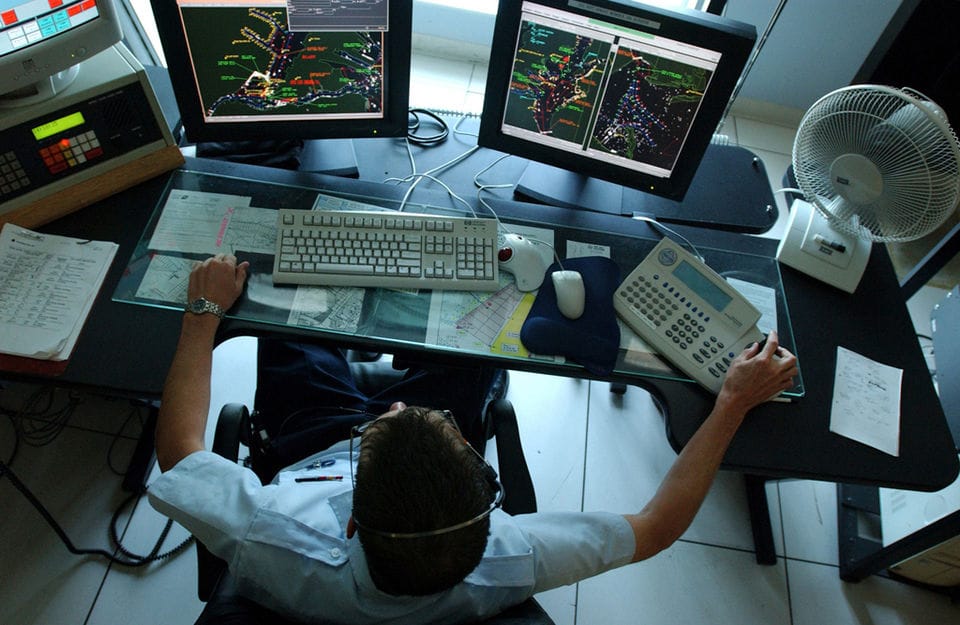
The Automatic Identification System (AIS) has become one of the most valuable safety tools in modern boating and commercial shipping. Originally developed to help prevent ship collisions, AIS now plays a crucial role in navigation, situational awareness and maritime traffic management.
For recreational boaters and professional mariners alike, understanding how AIS works, and why it matters, can significantly improve safety at sea.
What Is AIS?
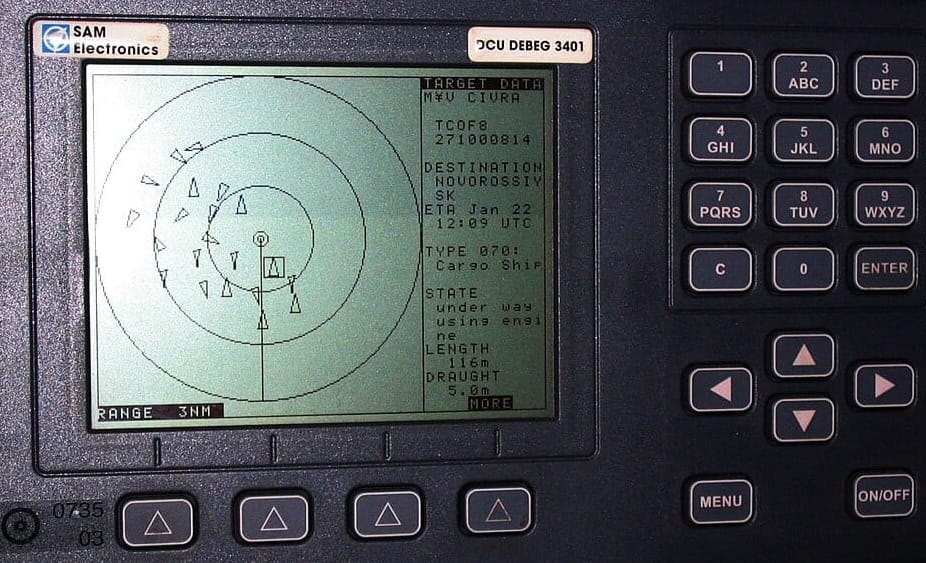
AIS is a radio-based tracking system that automatically transmits a vessel’s identity, position, course, speed and other navigational information to nearby vessels and shore stations. The system uses VHF radio frequencies to exchange data between ships equipped with AIS transponders.
Every few seconds, an AIS-equipped vessel broadcasts information such as:
- Vessel name
- Maritime Mobile Service Identity (MMSI) number
- GPS position
- Speed and course over ground
- Heading
- Vessel type and dimensions
- Navigational status (underway, anchored, restricted maneuverability, etc.)
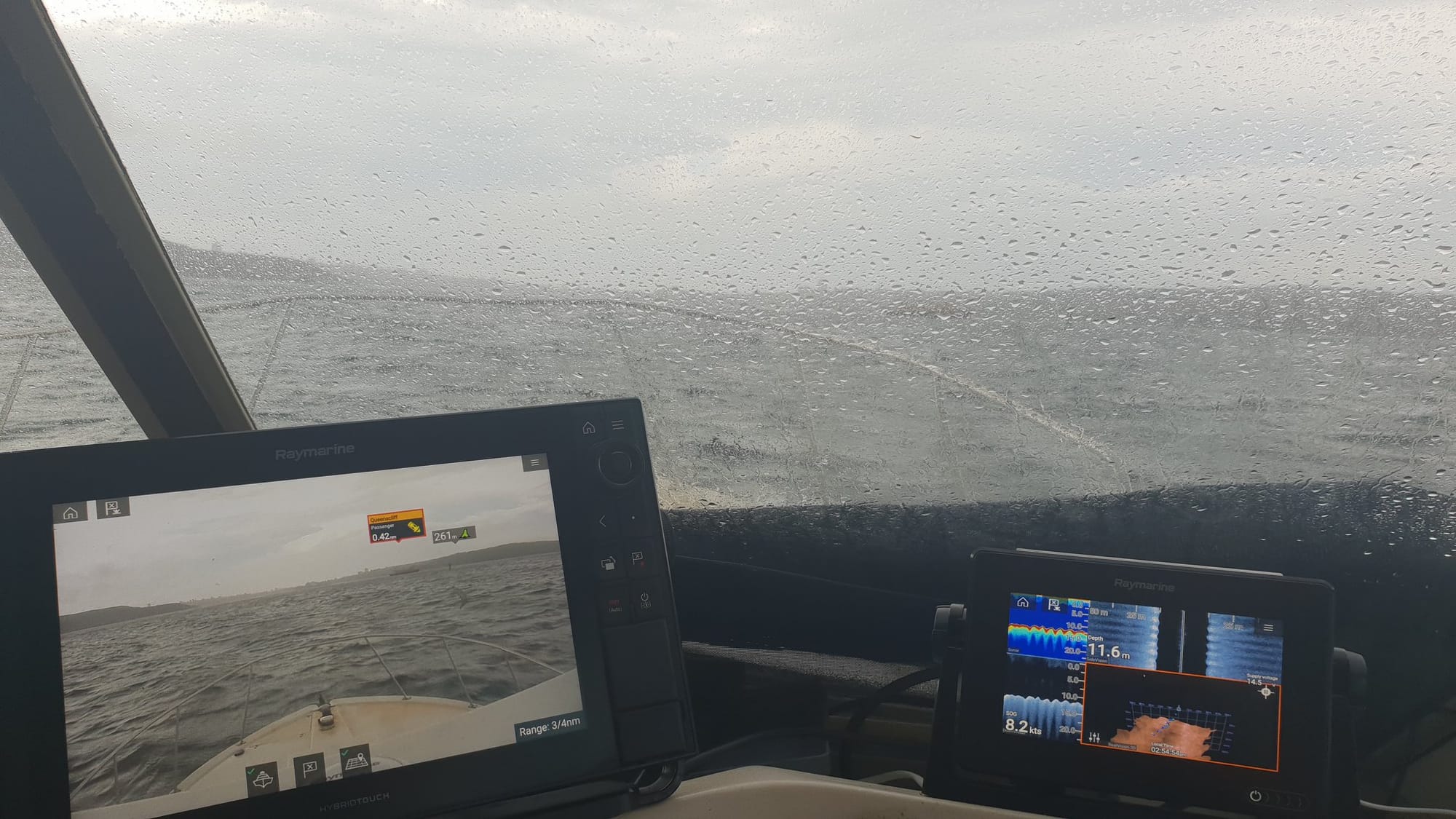
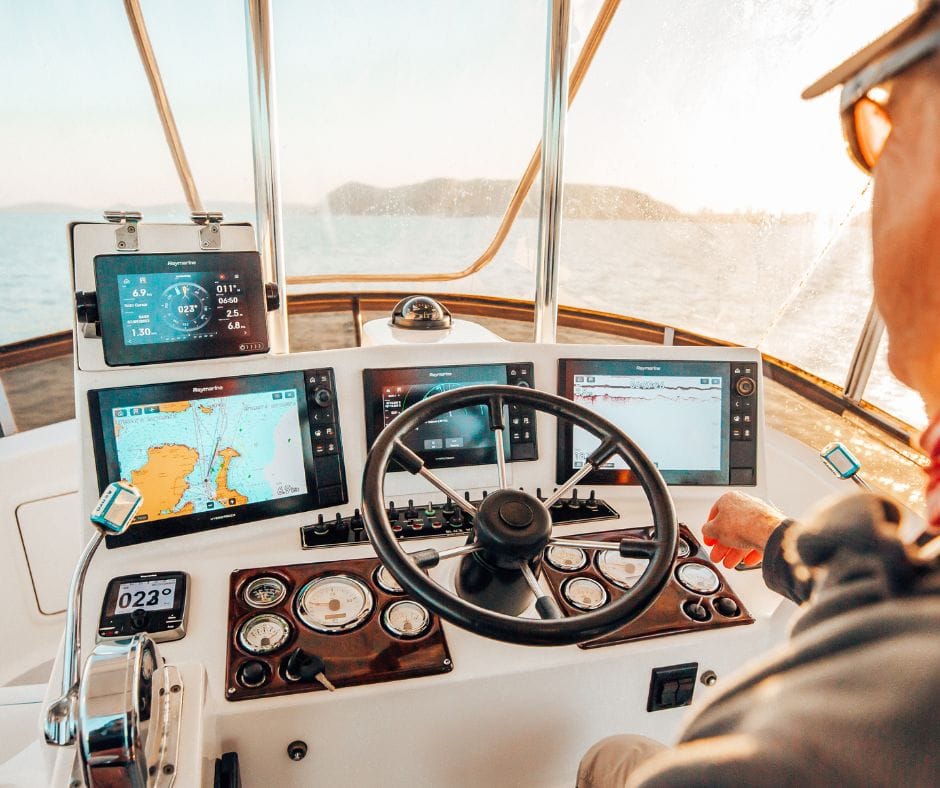
Other vessels within range can receive these transmissions and display them on a chartplotter, radar screen or dedicated AIS display. This allows mariners to identify nearby traffic long before visual contact is possible.
How AIS Works
AIS operates on two VHF channels reserved internationally for AIS communication. Using GPS data and a self-organizing time slot system, each vessel broadcasts its information at regular intervals. Faster-moving vessels transmit more frequently, while anchored vessels broadcast less often.
There are two primary types of AIS equipment:
Class A AIS
Class A units are required on most commercial vessels under international maritime regulations. They transmit more frequently and at higher power, making them visible at greater distances.
Class B AIS
Class B units are designed primarily for recreational boats and smaller commercial vessels. They transmit at lower power and slightly longer intervals but still provide valuable collision-avoidance information.
Both types allow vessels to see and be seen electronically by other AIS-equipped vessels.
Why AIS Matters for Safety at Sea
1. Collision Avoidance
Perhaps the most important benefit of AIS is its role in preventing collisions. By displaying the real-time movement of nearby vessels, AIS helps mariners detect potential crossing situations early.
Many chartplotters and navigation software systems can calculate closest point of approach (CPA) and time to closest point of approach (TCPA) using AIS data. These alerts warn operators when another vessel may pose a collision risk.
This is especially useful at night, in fog or in busy shipping lanes where visual identification can be difficult.
2. Improved Situational Awareness
AIS provides detailed information about surrounding traffic that radar alone cannot supply. Instead of simply seeing a radar target, AIS identifies the vessel by name and type.
For example, a mariner might see that a nearby contact is:
- A cargo ship traveling at 18 knots
- A fishing vessel actively trawling
- A tugboat with a tow
- A ferry on a scheduled route
This information helps boaters better understand how other vessels are likely to maneuver.
3. Safer Navigation in Poor Visibility
Heavy fog, rain squalls and nighttime conditions can make visual navigation challenging. AIS helps fill those gaps by providing electronic awareness of nearby traffic even when visibility drops to near zero.
For small boats operating in coastal waters or near major ports and private boat slip rentals near me, AIS can dramatically reduce the chances of encountering large commercial ships unexpectedly.
4. Communication with Other Vessels
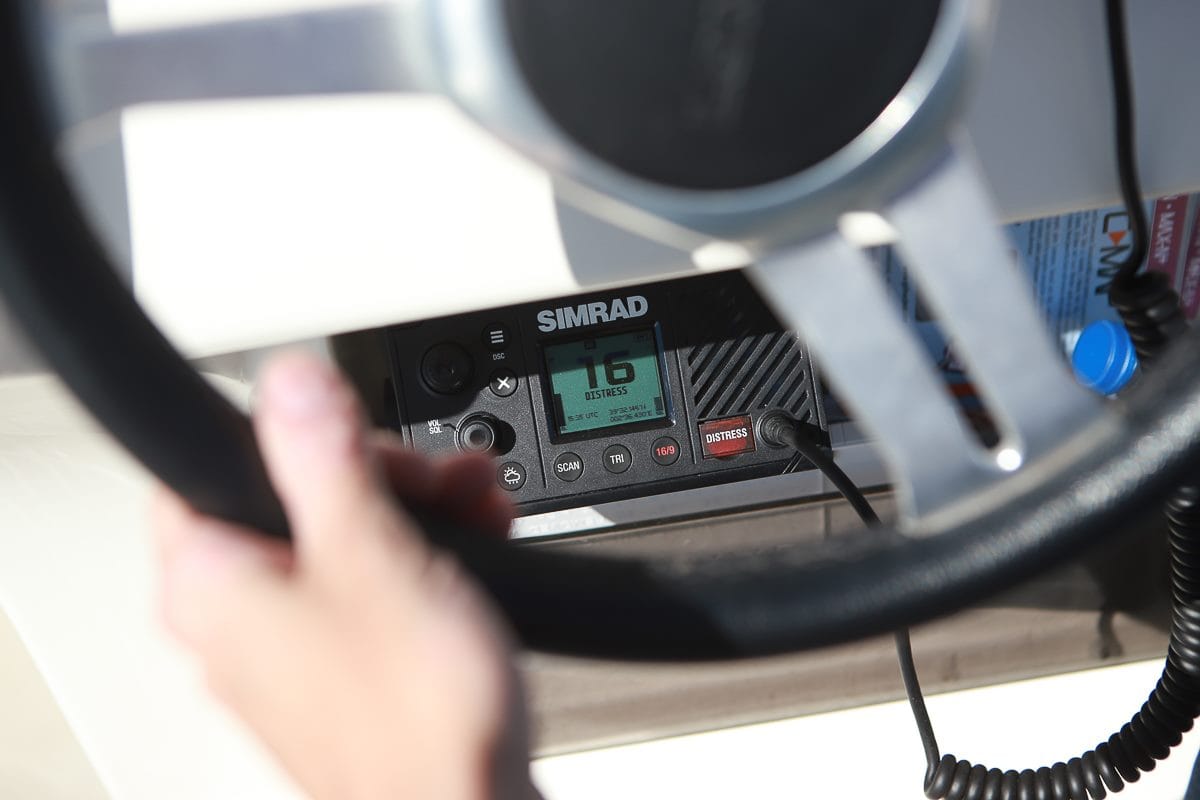
Because AIS provides vessel names and MMSI numbers, it can make radio communication much easier. Instead of making a general call over the VHF radio, mariners can contact another vessel directly.
For example:
“Motor vessel Atlantic Trader, this is sailing vessel Blue Horizon off your port bow.”
This level of identification helps reduce confusion and improves coordination between vessels whether they’re coming from a marina or a private boat lift rental.
5. Search and Rescue Support
AIS can also assist during emergencies. Rescue authorities and nearby vessels may use AIS signals to locate vessels in distress or track the last known position of a boat before an incident. Some AIS devices include emergency features such as AIS man-overboard beacons, which broadcast a distress signal and location when activated.
AIS vs. Radar: Why Both Matter
AIS is often used alongside marine radar, but the two systems serve different purposes.
- Radar detects physical objects regardless of whether they transmit signals.
- AIS identifies vessels that are broadcasting AIS data.
Not every vessel carries AIS, particularly small recreational boats. For this reason, AIS should complement radar and visual lookout rather than replace them. Together, these tools create a more complete picture of surrounding maritime traffic.
AIS for Recreational Boaters
AIS is no longer limited to commercial ships. Many recreational boaters now install AIS receivers or transponders connected to chartplotters or navigation apps.
For sailors, cruisers and offshore anglers, AIS can provide:
- Early awareness of large ship traffic
- Better navigation in fog or darkness
- Added safety during offshore passages
- Improved communication with commercial vessels
With the increasing affordability of AIS equipment, the technology is becoming a common addition to modern boating electronics.
A Key Tool for Modern Maritime Safety
From crowded harbors and private boat docks for rent to open ocean passages, AIS has transformed how mariners understand and navigate vessel traffic. By sharing real-time information about vessel position and movement, the system helps reduce collisions, improve communication and enhance overall safety at sea.
While AIS does not replace radar, charts or a vigilant watch on deck, it has become one of the most valuable tools available to today’s mariners. For anyone operating a boat in busy waterways or offshore conditions, AIS provides an extra layer of awareness that can make a critical difference when it matters most.