AIS Transponders vs. AIS Receivers: What's the Difference

Automatic Identification System (AIS) technology has become a cornerstone of modern boating safety, offering real-time awareness of nearby vessels. Whether cruising inland waterways or navigating busy coastal routes, AIS helps reduce collision risk and improves situational awareness whether the boat is leaving from a private boat slip rental near me or a marina. When choosing AIS equipment, boaters typically decide between an AIS transponder and an AIS receiver (two systems with very different capabilities).
What Is AIS?
The Automatic Identification System is a VHF-based tracking system used by ships and recreational vessels to broadcast and receive information such as:
- Vessel name and type
- Position, speed, and course
- Navigation status
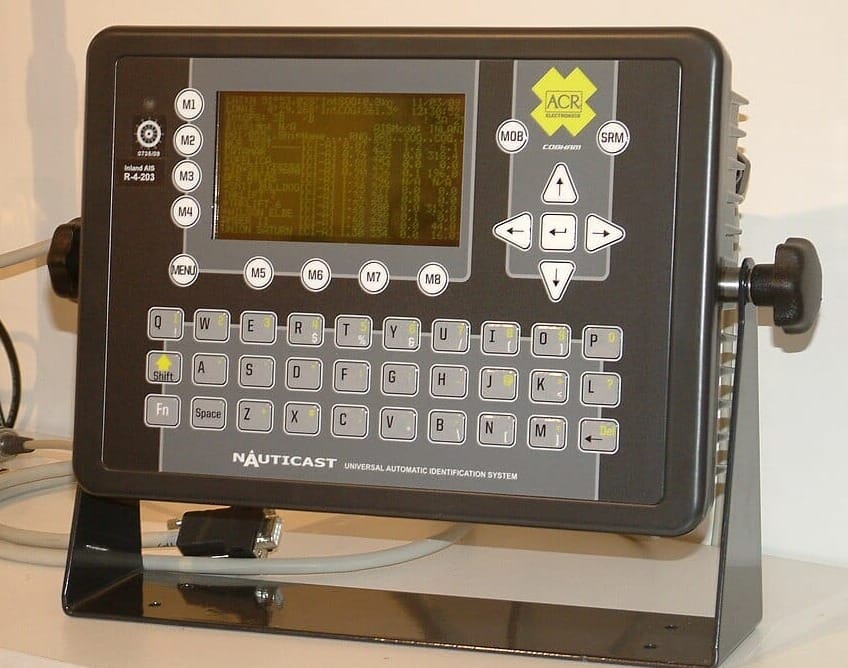
AIS data appears on chartplotters, radar displays or mobile apps, giving boaters a clearer picture of surrounding traffic.
What Is an AIS Receiver?
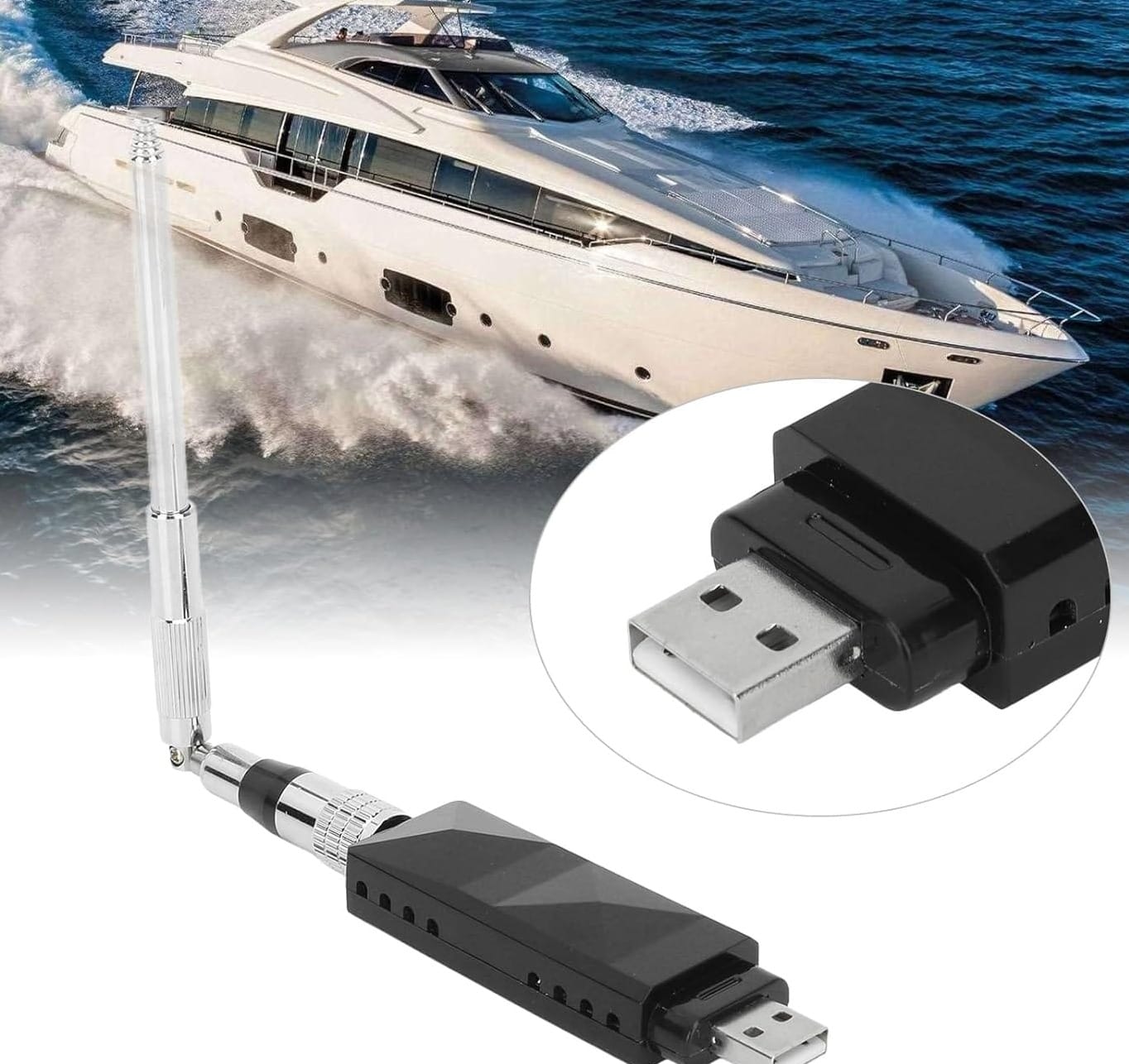
An AIS receiver is a listen-only device. It picks up AIS signals from other vessels and displays their information on your onboard electronics.
Key Features of AIS Receivers
- Receives AIS data from nearby vessels
- Displays targets on a chartplotter or app
- Improves awareness in low visibility (fog, night, heavy traffic)
- Lower cost and simpler installation
Advantages
- Affordable: Ideal for budget-conscious boaters
- Easy to install: Often plug-and-play with existing systems
- Enhanced situational awareness: You can “see” ships beyond visual range
Limitations
- You are invisible: Other vessels cannot see you on AIS
- No collision alerts for others: Large ships won’t know you’re there unless they spot you visually or by radar
What Is an AIS Transponder?
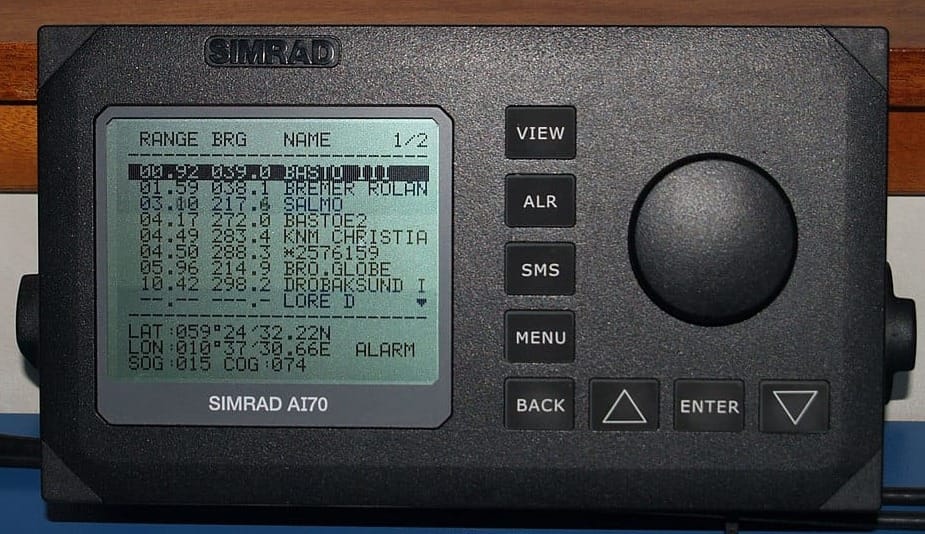
An AIS transponder both receives and transmits AIS signals. It broadcasts your vessel’s position and identity while also displaying other AIS-equipped vessels.
Key Features of AIS Transponders
- Sends your vessel’s AIS signal to others
- Receives AIS data from nearby vessels
- Integrates with GPS and chartplotters
- Available in different classes (Class A and Class B)
Classes of AIS Transponders
- Class A: Required for large commercial ships; higher power and more frequent updates
- Class B: Designed for recreational vessels; lower power but still highly effective
Advantages
- You are visible: Other AIS-equipped vessels can see you on their displays
- Improved safety: Particularly valuable in high-traffic areas
- Collision avoidance: Large ships can track and avoid you more easily
Limitations
- Higher cost: More expensive than receivers
- More complex installation: Requires GPS integration and proper setup
- Registration required: Your vessel information must be programmed into the unit
Key Differences at a Glance
Which One Should You Choose?
Choose an AIS Receiver if:
- You boat in low to moderate traffic areas
- You want basic situational awareness
- You are working with a limited budget
- You primarily operate in daylight and good visibility
An AIS receiver is a solid entry-level option that significantly improves awareness without major investment.
Choose an AIS Transponder if:
- You boat in busy waterways or shipping lanes
- You operate in fog, offshore conditions, or at night
- You want maximum visibility and safety
- You frequently encounter commercial traffic
A transponder is especially valuable in areas like the English Channel or near major ports, where large vessels rely heavily on AIS.
Real-World Safety Consideration
One of the most important distinctions is this:
- With a receiver, you can see others
- With a transponder, others can see you too
That difference can be critical when dealing with large ships that have limited maneuverability and may not detect small boats coming from a private boat dock for rent easily on radar.
Can You Upgrade Later?
Yes. Many boaters start with an AIS receiver and later upgrade to a transponder as their needs evolve. Some modern systems are designed to integrate easily with future upgrades.
Both AIS receivers and transponders enhance boating safety, but they serve different roles. Receivers provide valuable situational awareness at a lower cost, while transponders offer a higher level of protection by making your vessel visible to others.
For casual or inland boaters coming from marinas or private boat lifts for rent, a receiver may be sufficient. For those navigating coastal waters, busy shipping routes or offshore environments, a transponder is often the better, and safer, choice. Ultimately, the right decision comes down to where you boat, how often you encounter traffic and how much visibility you want in return.