Blue Water Sailing in 2026: Essential Technology Every Ocean Cruiser Needs

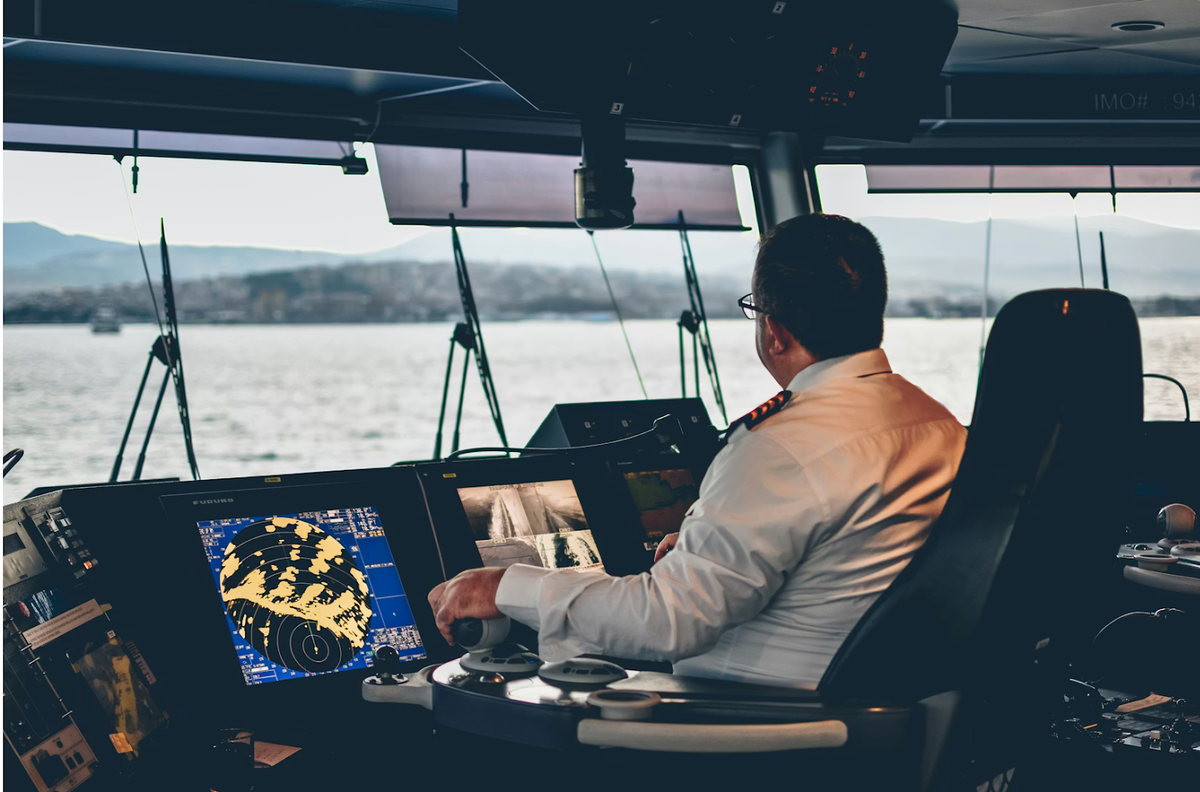
You really need to plan if you run a cruise ship. We're seeing the introduction of many new modern gadgets and advanced systems. These don’t replace traditional sailing methods, but they serve as a boost and complement to them. What follows are guidelines for choosing tools and systems that reduce your risks and help you make the best choices while at sea.
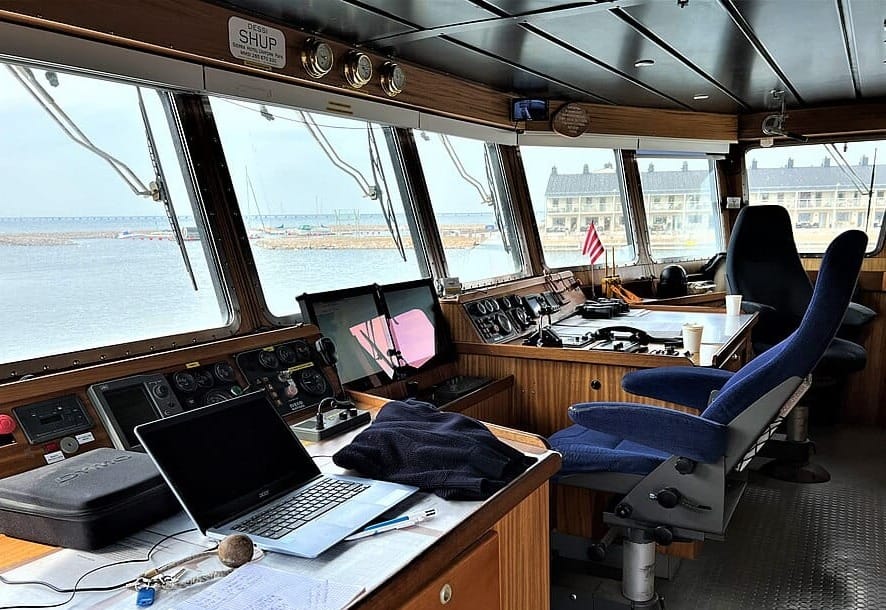
Keeping You Connected
There has been a tremendous shift in the reliability of communications at sea. The VHF radio for short-range communication and the SSB (Single Sideband) for long-range communication are still on board every vessel. Still, these traditional devices are limited to audio and a minimal amount of text.
In 2026, speed takes center stage in data flow. With modern satellite internet, there’s ample bandwidth and quick response times. These allow weather tracking without delays. Video conversations also run smoothly. People can even work remotely aboard a vessel, no matter where it’s located.
Aside from global satellite network milestones like Starlink, it’s optimal to have back-ups for safety and redundancy, such as an individual satellite messenger or satellite phone. This can be important to have whether you're at sea or cruising out from a private boat slip rental near me.
Modern Navigation Essentials
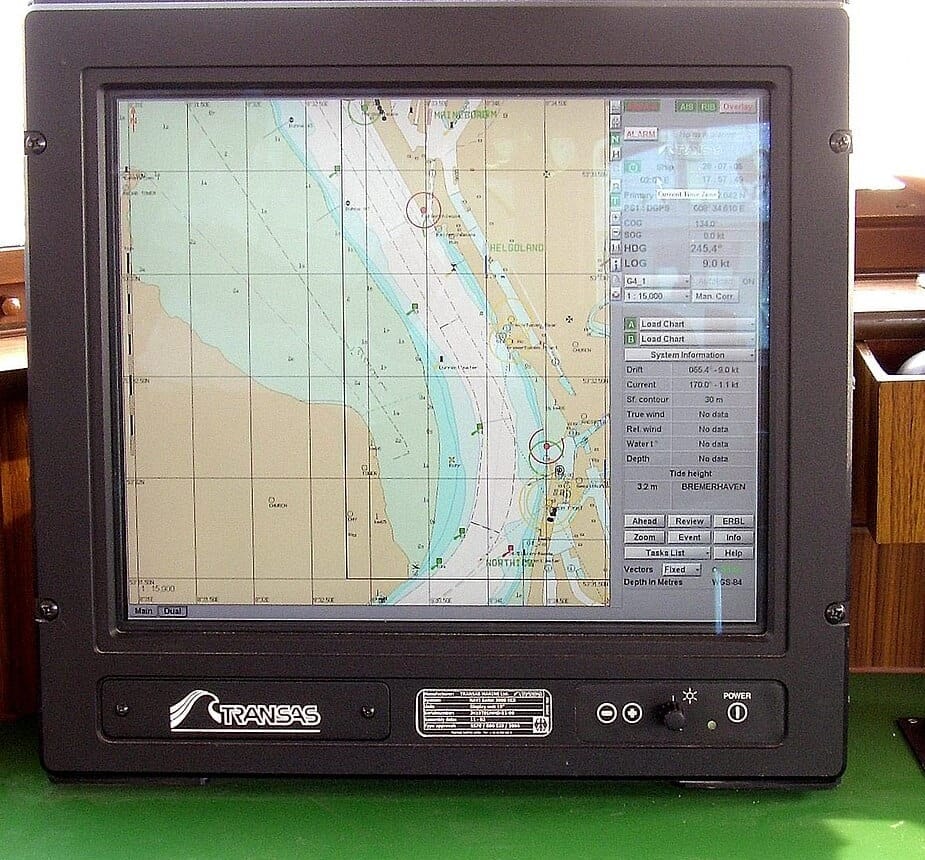
A chartplotter and electronic charts are standard. However, redundancy is critical offshore at marinas or private boat docks for rent, which means a sensible baseline of the following:
- Primary chartplotter at the helm, integrated with AIS, radar, depth and wind
- A second independent navigation source, such as a tablet or phone in a waterproof case
- Offline charts downloaded in advance
- Paper charts and basic piloting tools as a fallback
- Backup batteries for power resilience
AIS + Radar
On open water, knowing where others are makes a big difference. AIS (Automatic Identification System) is one of the best ways to understand what’s happening around you. It lets you see other ships, avoid collisions and be seen by vessels that use AIS. Radar can spot things that AIS can’t, such as unmarked craft and coastlines, so it’s ideal when combined with AIS. They cover more than either could alone.
Autopilot and Wind Instruments
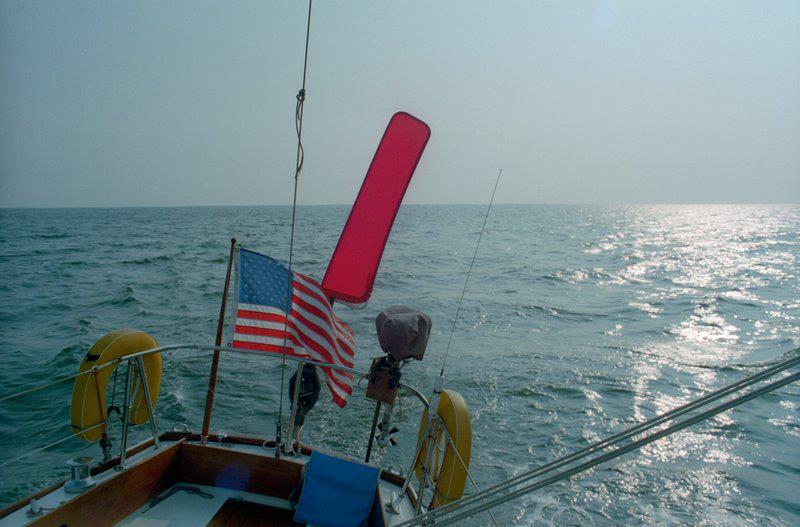
A good autopilot is something you really need on any ship. It’s a critical safety item that helps with consistent steering and prevents the crew from getting exhausted. It also keeps the boat stable when conditions get rough. Bringing a mechanical backup on board, such as a windvane, is also a good idea.
Weather Intelligence and Routing Tools
Offshore decisions are often based on the weather. Your toolkit should include:
- GRIB forecast downloads
- Routing software
- Lightning and squall awareness via radar and updated forecasts
- Barometer trends and onboard observations
Power, Monitoring and Energy Efficiency
Long-range cruising increasingly depends on efficient electrical systems, including solar, high-output alternators and modern battery chemistries paired with smart regulators. With these items, along with a monitoring shunt and a clear display, staying aware of your energy situation is simple. That level of insight stops minor issues, such as a weak pump or a broken fridge, from getting worse.
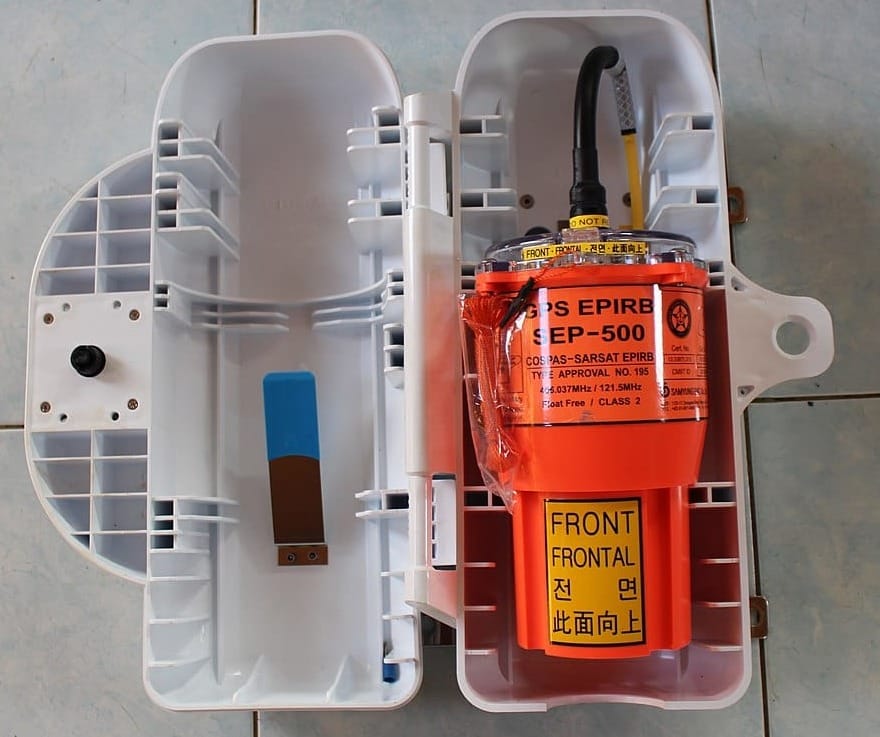
Essential Safety Tech
You can’t overlook the importance of distress signaling capability. An EPIRB (Emergency Position Indicating Radio Beacon) remains a cornerstone of offshore safety. These transmit coded signals to rescue services to inform them of a vessel’s location in an emergency. Don't leave the marina or private boat slip for rent without one, or several.
In addition to an AIS beacon, make sure your deck lighting is adequate. Nighttime recovery drills also help you stay prepared for the unexpected.
More innovative Planning for Marinas and Stops
Cruising demands a range of logistics, including haul-outs, haul-ins, local services and community coordination. Tools that help you plan stops and share access to dockage can reduce stress and keep itineraries flexible. For example, PierShare is one option cruisers may use when seeking the best docking options for private boat docks, slips and lifts for rent.
Acquire Tools and Systems that Work Together
In 2026, an essential cruising stack is no longer defined by the number of tools, but by how well they work together. Essential layers needed for a cruising stack include redundant methods for connecting, network navigation, situational awareness systems, a sustainable energy system and safety devices that remain functional even when all else fails. Invest equal time in integrating, training and maintaining your offshore technology as you do in purchasing your hardware.