Boat Maintenance: Cleaning Your Boat's Fuel Tank

Keeping your boat’s fuel tank clean is essential for reliable engine performance, reducing fuel consumption and long-term fuel system health. Dirt, water and microbial growth inside the tank can lead to clogged filters, poor operation and even engine failure. Understanding when and how to clean a fuel tank helps prevent costly repairs and ensures your boat is ready when you are.
Why Fuel Tanks Need Cleaning
Over time, condensation can introduce water into the fuel tank, especially in humid or marine environments. This water settles at the bottom of the tank, where it can cause corrosion and encourage microbial growth, often called “diesel bug” in diesel systems. Sediment, rust flakes and degraded fuel can also accumulate, eventually being drawn into the fuel system.
Signs Your Fuel Tank Needs Attention
Common warning signs include frequent fuel filter clogging, rough engine operation, loss of power or stalling. In severe cases, you may notice dark or cloudy fuel, sludge in filters or water in fuel separators. These symptoms often indicate contamination inside the tank.
Safety First
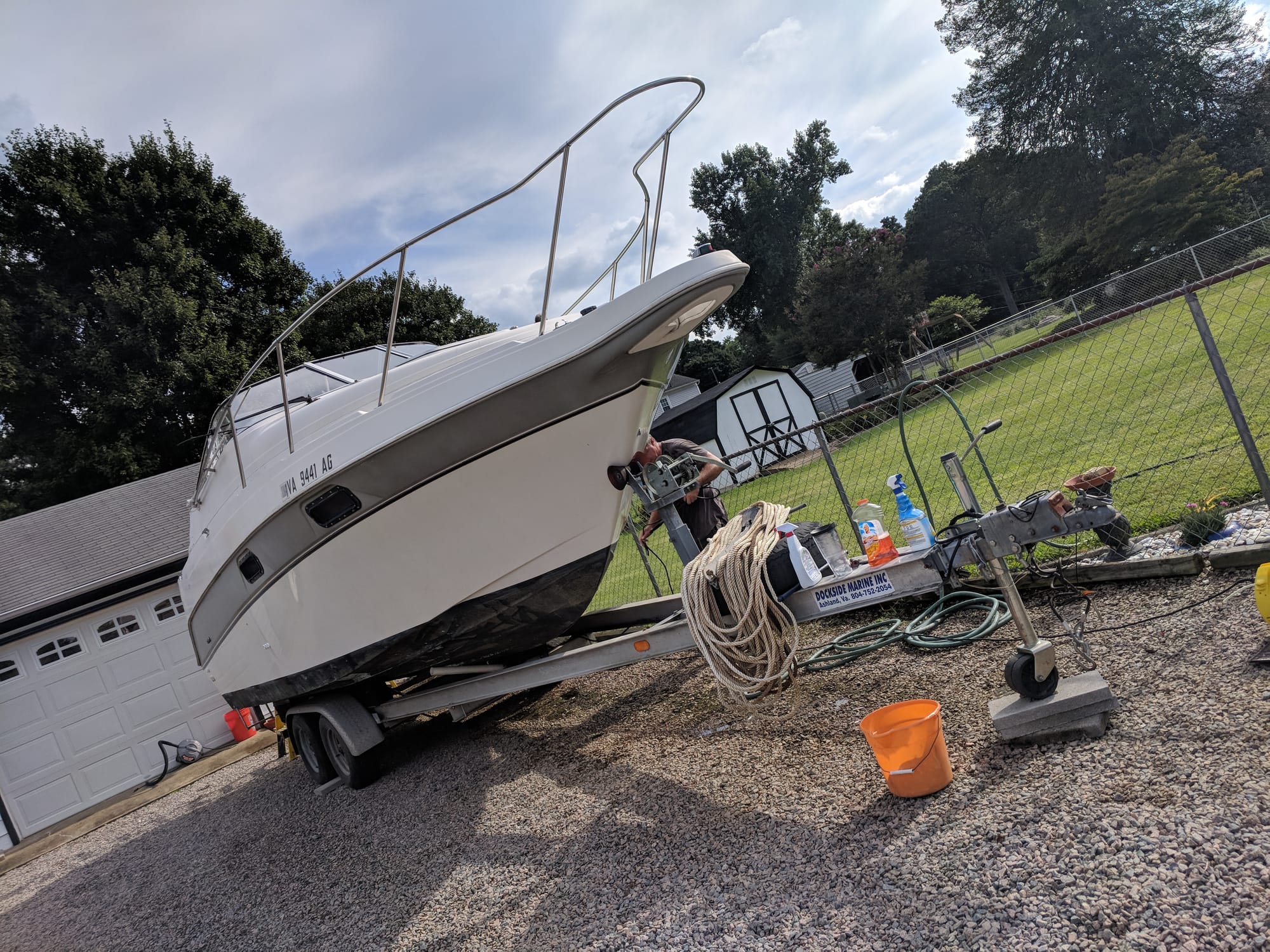
Before beginning any fuel tank cleaning process, safety is critical. Work in a well-ventilated area (either in your driveway, at the marina docks or at a private boat lift for rent), eliminate all ignition sources and wear protective gloves and eye protection. Fuel vapors are highly flammable, and proper precautions cannot be overstated.
Drain and Remove Contaminated Fuel
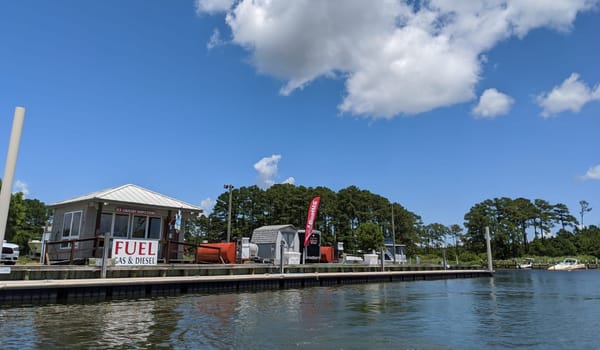
The first step in cleaning a fuel tank is removing old or contaminated fuel. This can be done at home or at a private boat dock rental by using a manual or electric fuel transfer pump approved for marine use. Pump the fuel into properly labeled containers for safe disposal or professional recycling. Never dump fuel into the water or on land.
Clean the Tank Interior
Once the tank is empty, access the interior through an inspection port or sending unit opening. Use clean rags, absorbent pads or a fuel-safe cleaning solution to remove sludge, debris and water from the bottom of the tank. For metal tanks, check carefully for corrosion or pitting. Severe contamination may require professional polishing or tank removal.
Flush the System
After cleaning the tank, flush it with a small amount of fresh fuel to remove any remaining residue. Pump this flush fuel out as well. This step helps ensure that loosened debris does not enter the fuel lines later. It's especially important during the winterization process.
Replace Filters and Inspect Lines
Always replace fuel filters after cleaning the tank. Inspect fuel lines, hoses and fittings for cracks, soft spots or leaks, and replace any components that show signs of wear. Clean tanks won’t help if contaminated fuel lines remain.
Refill with Clean Fuel
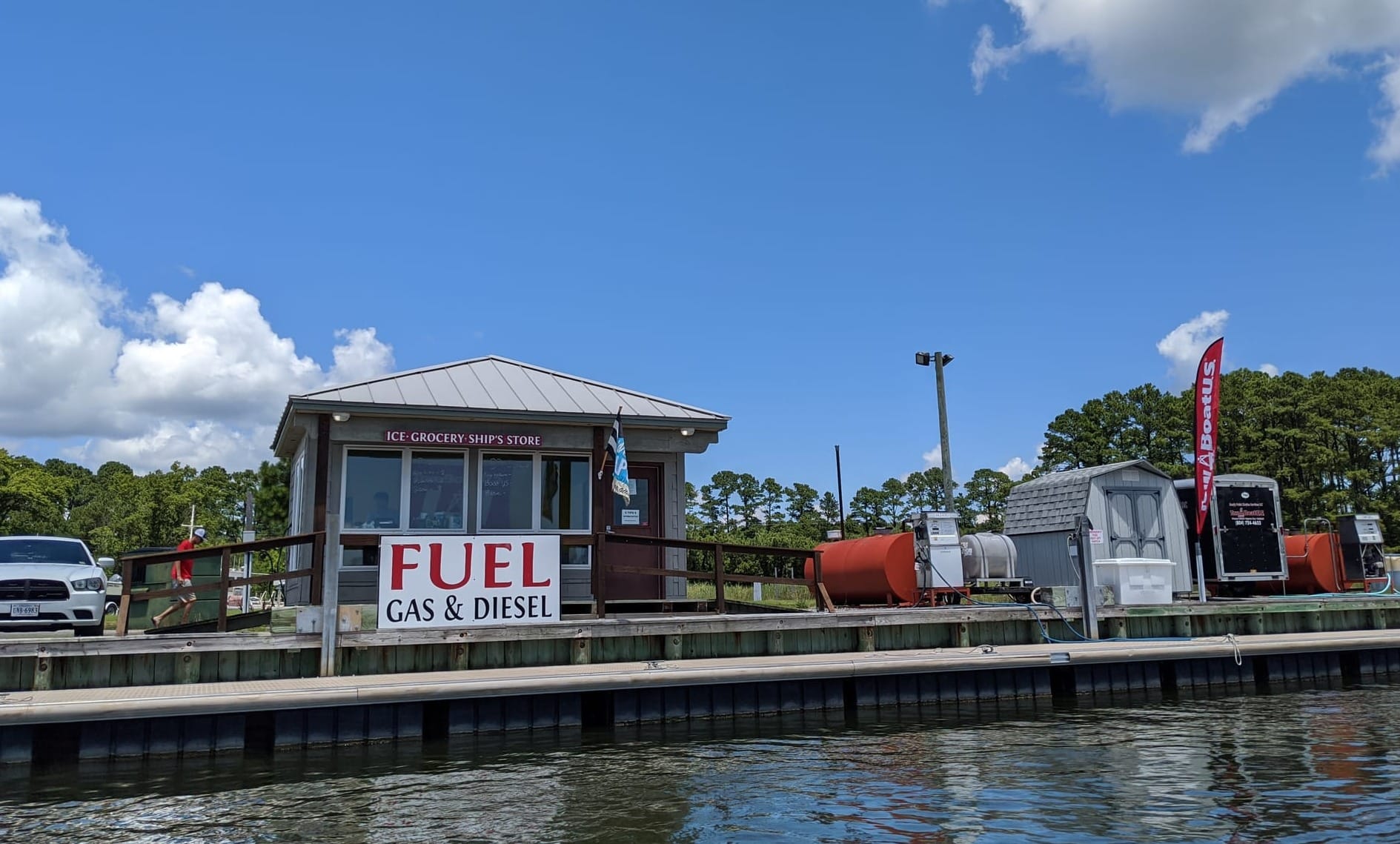
Refill the tank with fresh, high-quality fuel from a reputable source. For diesel systems, consider adding a biocide or fuel stabilizer to prevent future microbial growth. Keeping the tank as full as practical also helps reduce condensation, especially if your boat sits at boat slip rentals near me or a marina for extended amounts of time.
Prevent Future Contamination
Routine prevention is easier than repeated cleanings. Regularly drain water separators, use clean fuel and maintain tight fuel caps and vents. Periodic fuel sampling can help catch problems early before they disrupt your boating plans.
Cleaning your boat’s fuel tank may seem daunting, but it’s a vital maintenance task that pays off in reliability and peace of mind. With proper care and attention, your fuel system will remain clean, efficient and ready every time you arrive at your marina, dock or private boat slip for rent near me.