Boat Maintenance: How to Avoid Common Electrical Problems

Electrical systems are essential to modern boating, powering everything from engines, navigation lights and bilge pumps to GPS units and refrigerators. Unfortunately, marine electrical problems are also among the most common (and potentially dangerous) issues boaters face. Understanding how to prevent these problems can save time and money and help keep everyone on board safe.

Keep Connections Clean and Dry
Corrosion is the number one enemy of marine electrical systems. Saltwater, humidity and vibration can quickly degrade wiring and terminals whether the boat is stored on land or at boat slips for rent near me. Inspect electrical connections regularly and clean any corrosion with a wire brush or corrosion remover. Use marine-grade, tinned copper wiring and heat-shrink connectors, and apply dielectric grease to exposed terminals to keep moisture out.
Protect Your Battery System
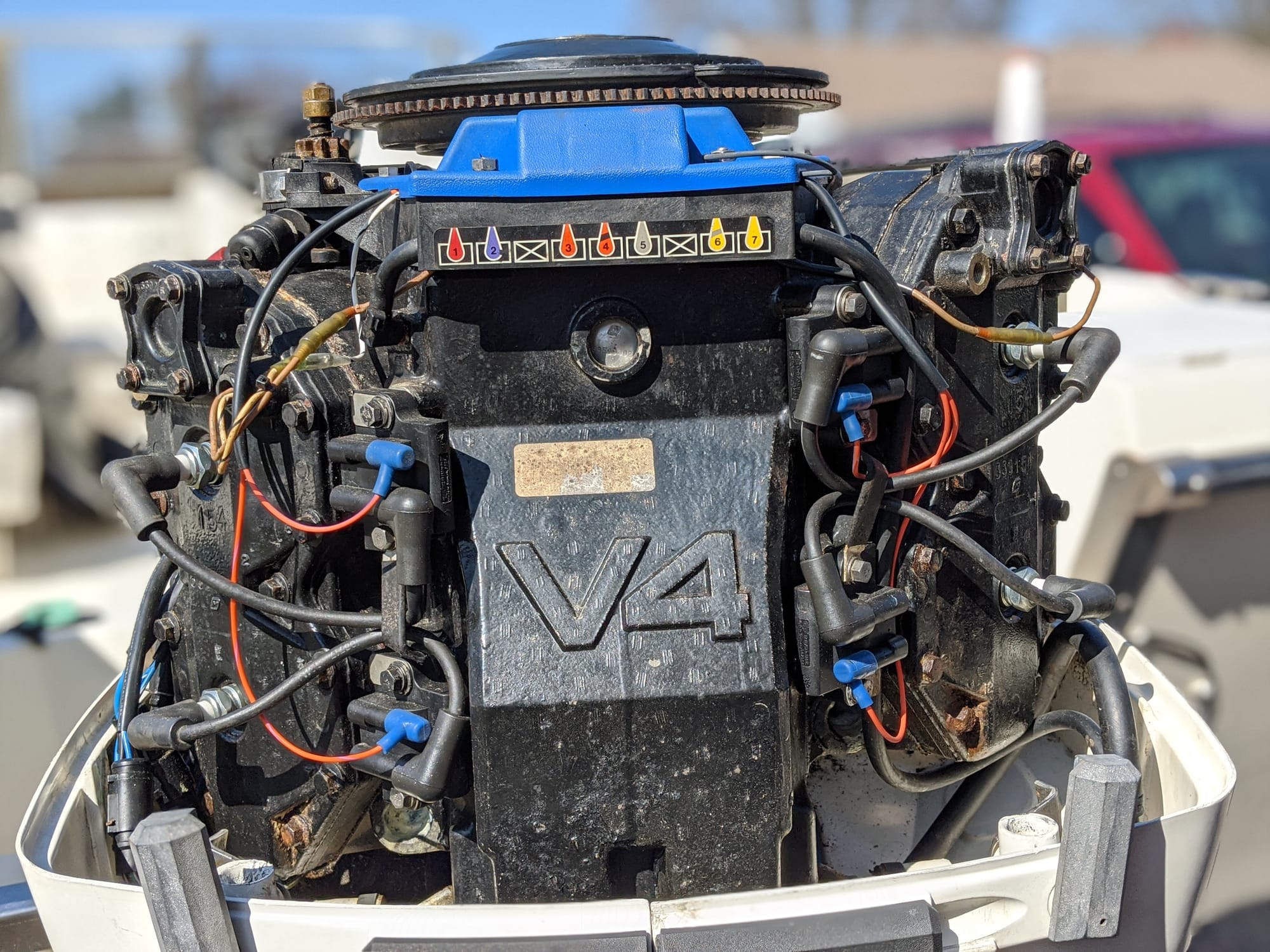
Batteries are the heart of your boat’s electrical system. Secure batteries properly to prevent movement, which can loosen cables or cause short circuits. Check battery terminals for tightness and corrosion, and ensure batteries are fully charged before each trip. Installing a battery switch and monitoring voltage with a battery monitor can help prevent accidental drain or over-discharge.
Avoid Overloading Circuits
Many electrical issues stem from overloaded circuits. Adding electronics without upgrading wiring or circuit protection can lead to blown fuses, tripped breakers or overheated wires. Know the electrical load of your equipment and make sure circuits are properly sized. Always replace fuses and breakers with the correct amperage … never “oversize” them to stop nuisance trips.
Label and Organize Wiring
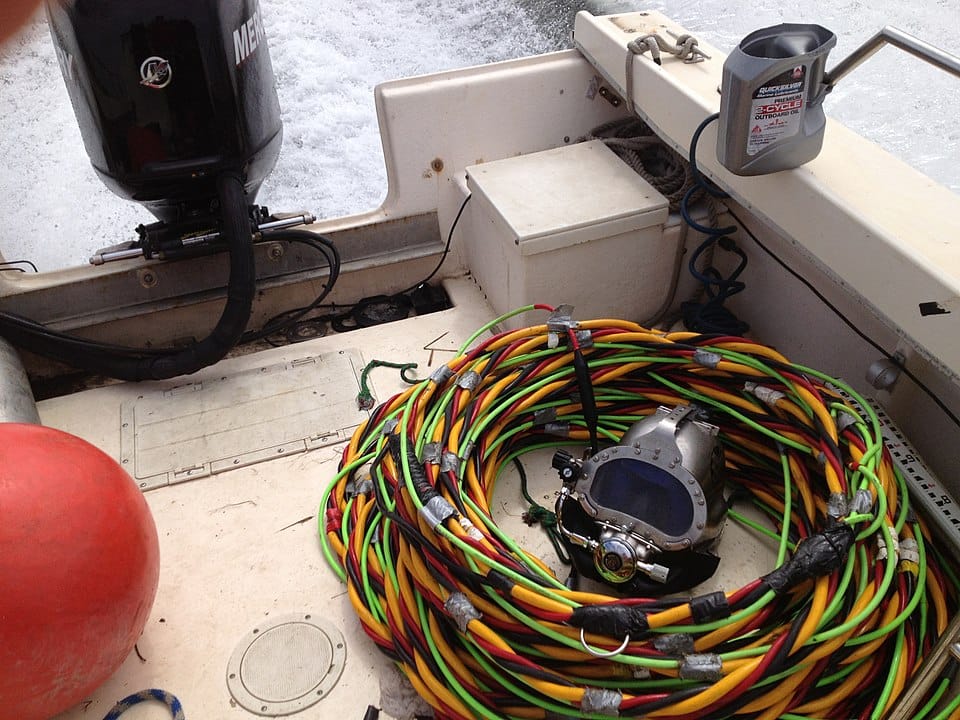
Messy wiring makes troubleshooting difficult and increases the risk of mistakes. Clearly label circuits at the breaker panel and organize wiring runs with clamps or loom. This not only improves safety but also makes future maintenance faster and more reliable.
Inspect Grounds and Bonding Systems
Poor grounding can cause erratic equipment behavior and accelerate corrosion. Regularly inspect grounding and bonding connections to ensure they are intact and secure. Any loose or broken ground wires should be repaired immediately using marine-approved components.
Check Shore Power and Chargers
If your boat uses shore power at the marina or a private boat lift for rent, it’s essential to inspect cords, plugs and outlets for heat damage, corrosion or cracked insulation. Use a marine-rated shore power cord and consider installing a galvanic isolator or isolation transformer to protect against stray current corrosion. Battery chargers and inverters should be properly ventilated and installed according to manufacturer guidelines.
Perform Routine Electrical Inspections
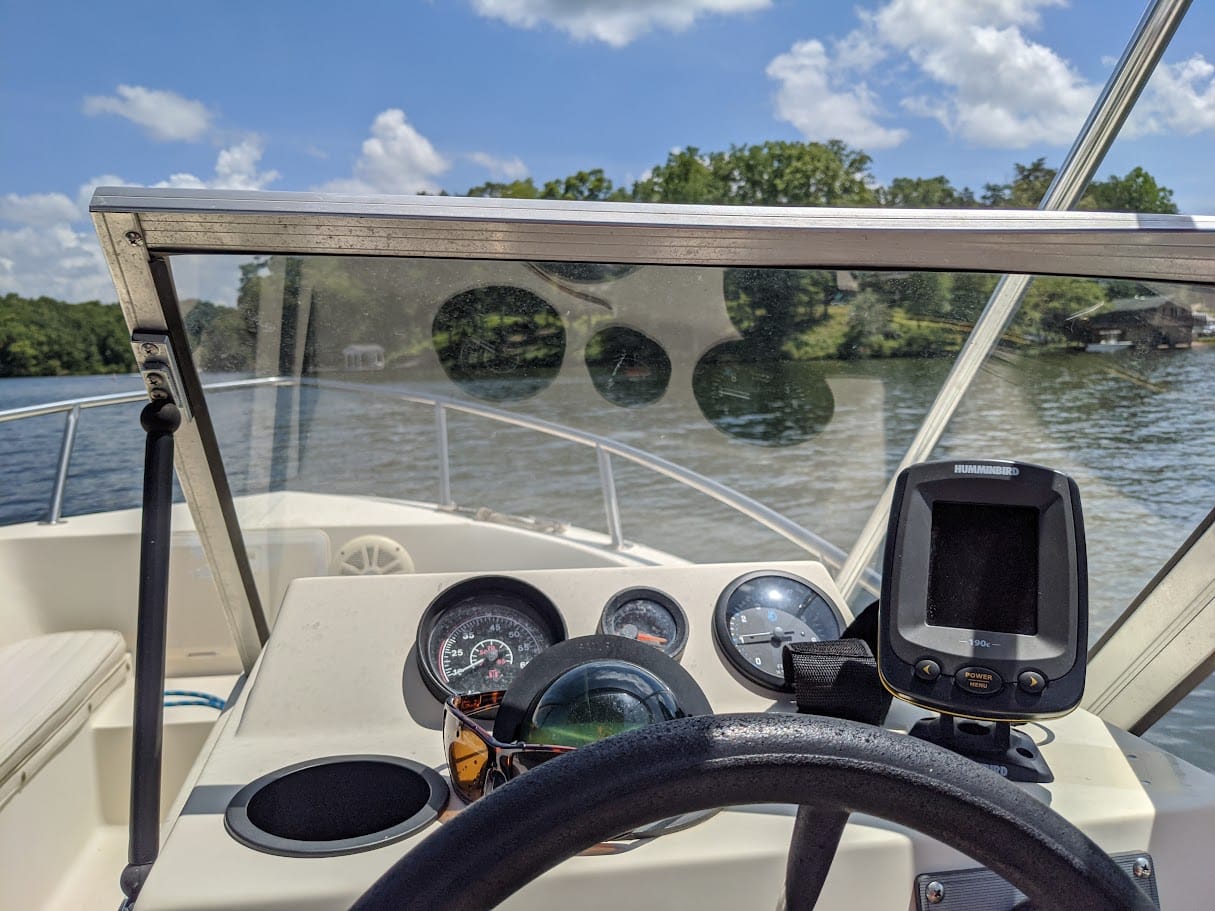
Whether your boat is at a private boat dock rental, a marina or your driveway, make electrical checks part of your regular maintenance routine. Look for chafed wires, loose connections, discoloration or burning smells, which are all early warning signs of trouble. When in doubt, consult a certified marine electrician, especially for complex repairs or system upgrades.
By staying proactive and using marine-grade components, you can avoid many common electrical problems before they happen. A well-maintained electrical system not only improves reliability on the water but also ensures a safer and more enjoyable boating experience.