Boat Maintenance: Plumbing Tips to Keep the Water Flowing

A well-maintained plumbing system is essential for comfort, safety and reliability on any boat. From freshwater lines to bilge pumps and marine heads, routine care helps prevent leaks, odors, clogs and costly repairs. Whether you own a small runabout or a cruising yacht, these boat plumbing maintenance tips will keep your system running smoothly all season, whether you’re out at sea or anchored at a private boat dock rental.
Understand Your Boat’s Plumbing Systems
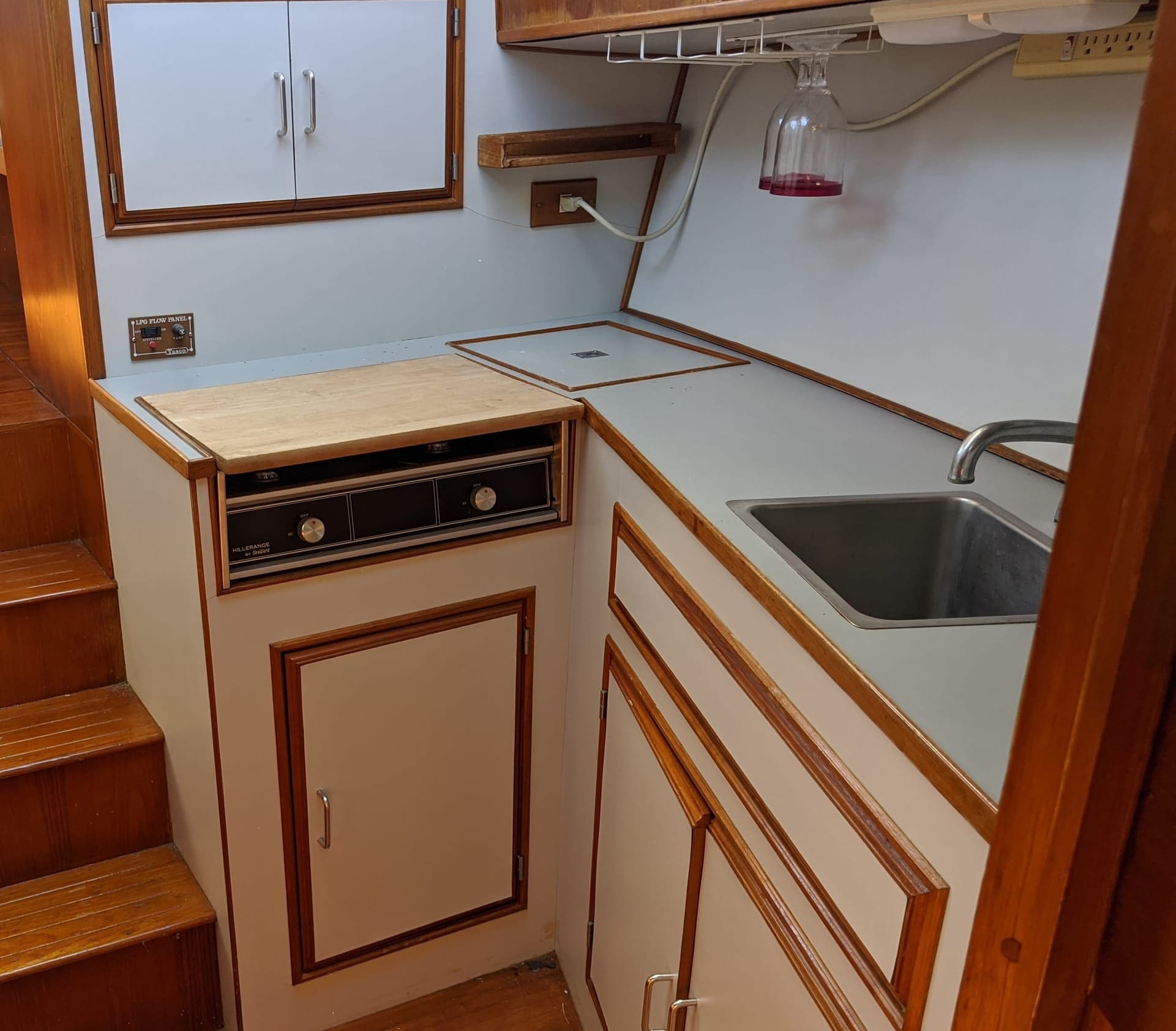
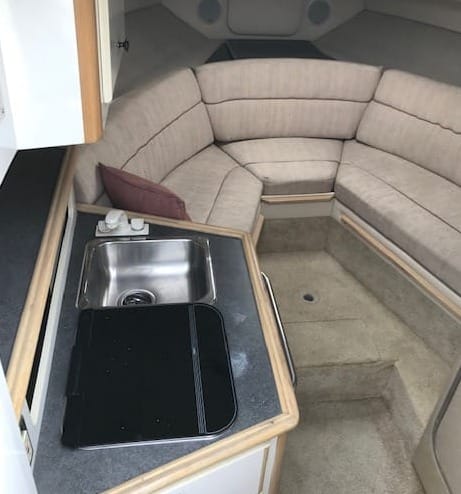
Most boats have several separate plumbing systems, including freshwater supply, gray water drains, marine sanitation devices (heads and holding tanks), bilge pumps and sometimes raw-water cooling systems. Familiarizing yourself with how each system works makes troubleshooting easier and helps you spot problems early.
Inspect Hoses and Fittings Regularly
Marine plumbing hoses endure constant vibration, moisture and temperature changes. Check hoses for cracks, softness, swelling or discoloration. Ensure all hose clamps are tight, corrosion-free and double-clamped where appropriate. Replacing aging hoses before they fail can prevent serious water damage.
Flush and Sanitize Freshwater Systems
At least once a season, flush your freshwater system to remove sediment and bacteria. Use a marine-approved system cleaner or a mild bleach solution, followed by a thorough rinse. This keeps water tasting fresh and helps protect pumps and fixtures from buildup. This isn’t a difficult task to do from a private boat slip rental or at a marina.
Maintain the Marine Head Properly
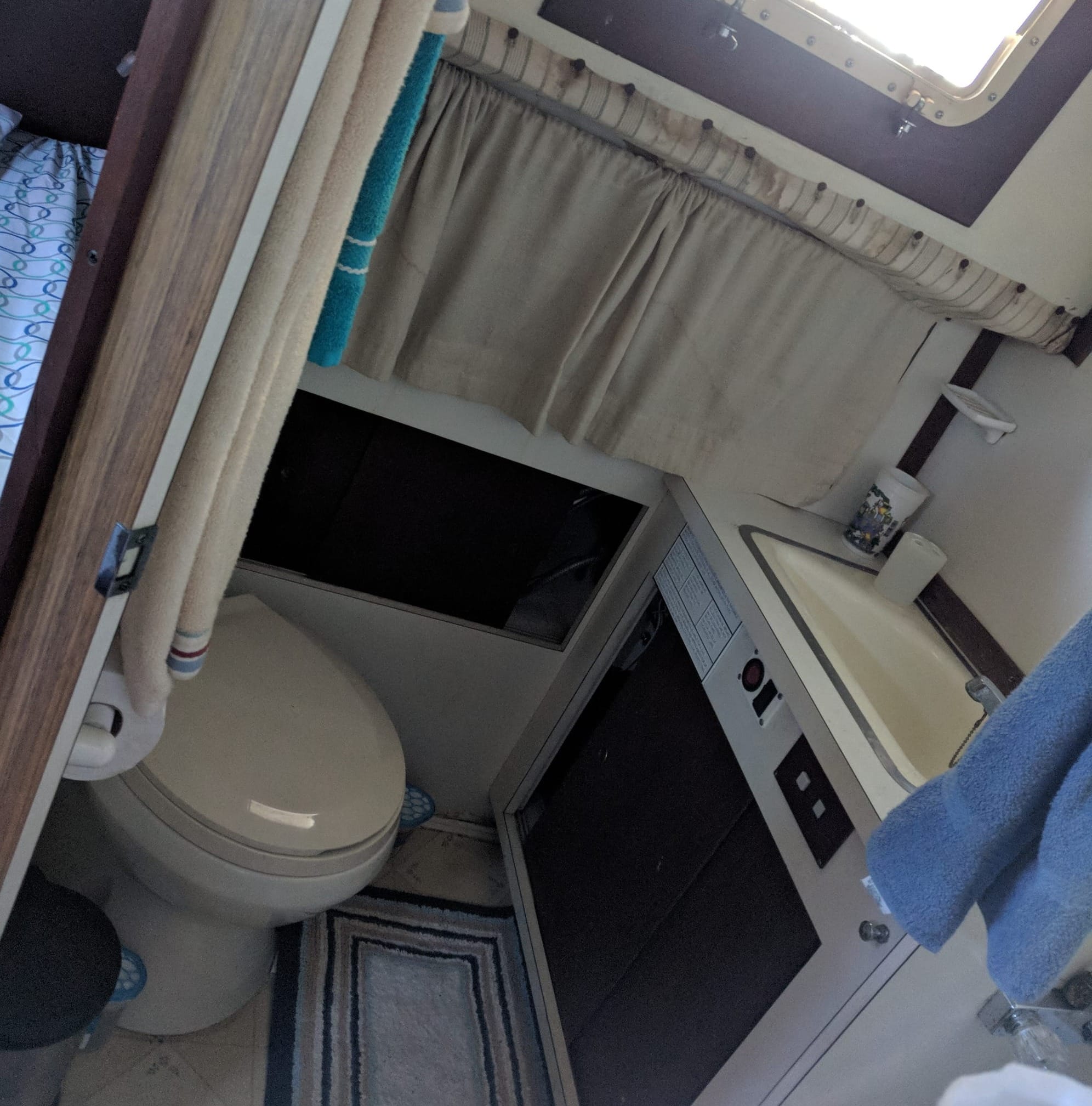
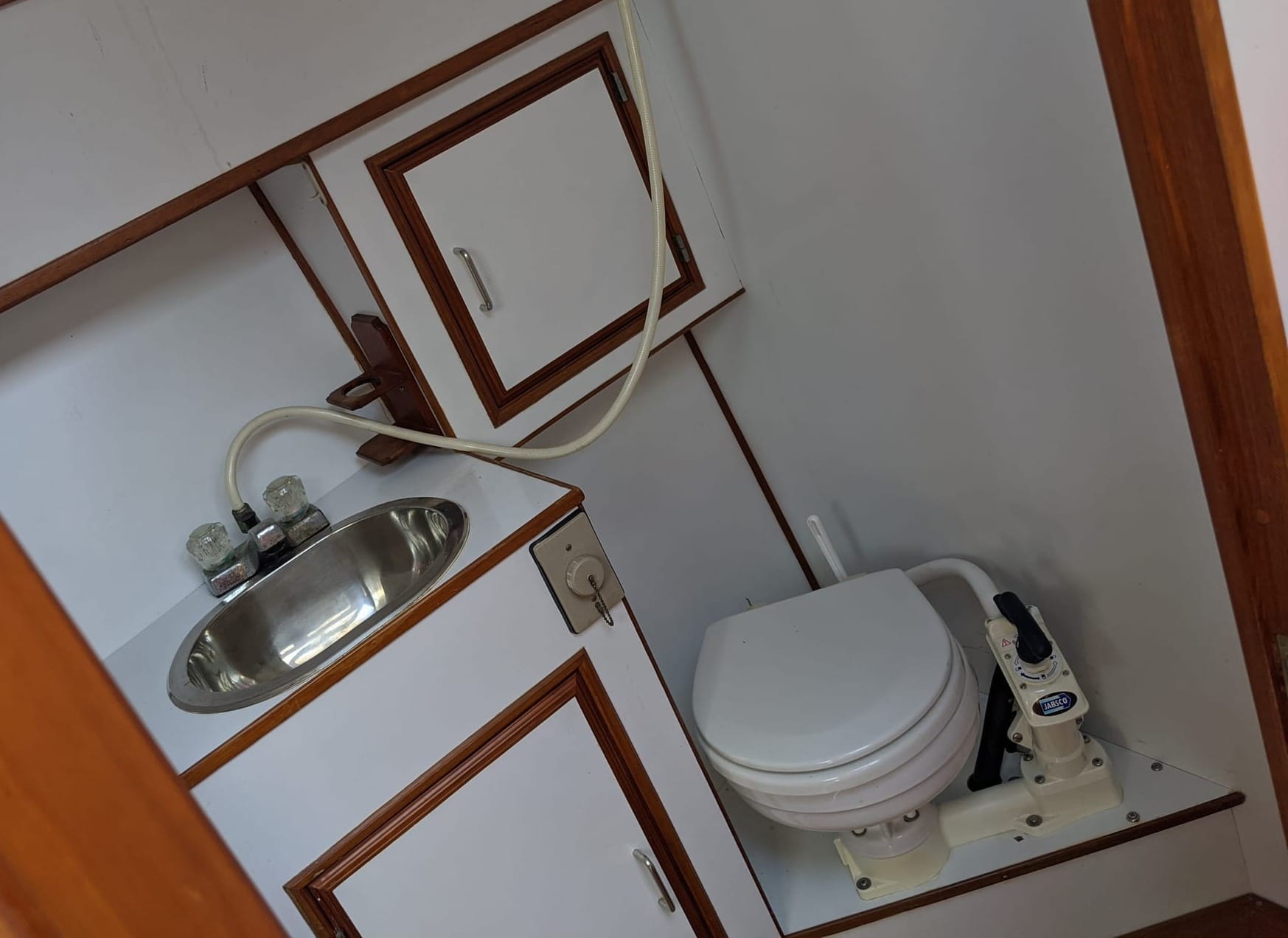
Marine toilets require special care. Use only marine-safe toilet paper and avoid flushing anything else. Periodically flush with fresh water to reduce salt buildup, and use enzyme-based treatments to control odors and waste breakdown in the holding tank.
Check and Clean Strainers
Raw-water intake strainers protect pumps and systems from debris. Inspect and clean them frequently, especially after boating in weedy or silty waters. A clogged strainer can reduce water flow and damage pumps or engines.
Test Bilge Pumps and Float Switches
Bilge pumps are critical safety components. Test them regularly to ensure they activate properly and discharge water efficiently. Clean debris from the bilge and check float switches for smooth operation.
Watch for Leaks and Drips
Even small leaks can cause big problems over time. Look for damp areas, unusual odors or unexplained pump cycling, which may indicate a leak. Address issues promptly to prevent mold, rot or electrical hazards that can ruin a day on the water or an evening at a boat slip for rent near me.
Winterize and De-Winterize Carefully
If you boat in cold climates, proper winterization is crucial. Drain all water lines and use marine-grade antifreeze where required. In spring, flush the system thoroughly and inspect all components before launching.
Keep Spare Parts Onboard
Carrying spare hose clamps, fittings and basic plumbing tools can save a trip if a minor issue arises on the water or at a private boat lift for rent. Quick repairs often prevent small problems from becoming emergencies.
Follow Manufacturer Guidelines
Always follow manufacturer recommendations for pumps, heads and plumbing components. Using the correct cleaners, lubricants and replacement parts extends system life and maintains warranty coverage.
With routine inspections and preventive care, your boat’s plumbing system can remain reliable, odor-free and efficient. A little maintenance goes a long way toward ensuring stress-free boating and protecting your vessel from avoidable damage.