Boat Maintenance: Understanding Your Boat's Cooling System

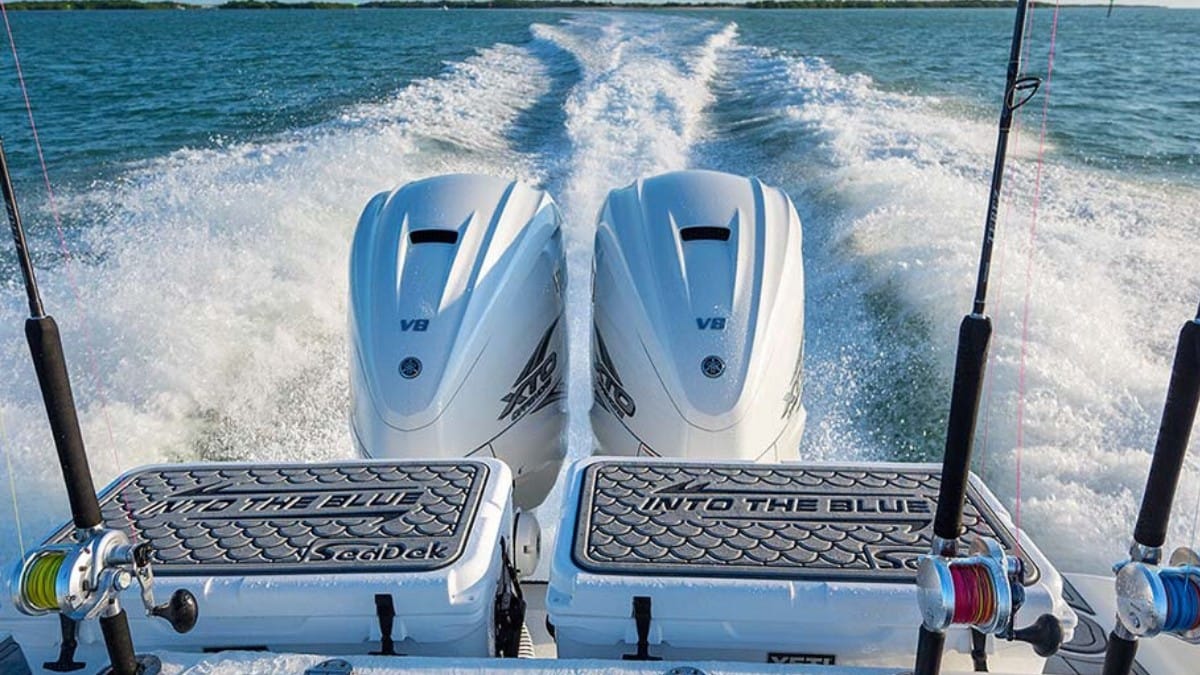
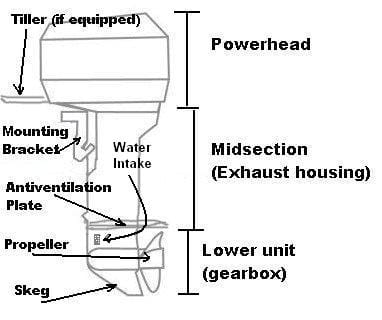
Boat cooling systems play a critical role in keeping marine engines running efficiently and preventing costly damage. Unlike automobiles, boats operate in water environments that can be used directly or indirectly for cooling, depending on the system design. The cooling system is located within the engine's lower unit, where it brings in water and sends it to the powerhead to cool the engine.
Understanding how these systems work helps boat owners maintain reliability and extend engine life so that the vessel is always ready to cruise out from the dock or a boat slip for rent near me.
Why Cooling Systems Matter
Marine engines generate significant heat during operation. Without an effective cooling system, excessive temperatures can cause engine components to warp, seals to fail and lubrication to break down. Proper cooling ensures optimal performance, fuel efficiency and long-term durability. Most boats have one of two types of cooling systems: raw water (open loop) or closed loop (freshwater).
Raw Water (Open Loop) Cooling Systems
Raw water cooling systems draw water directly from the lake, river or ocean through an intake. It then gets pumped through the engine to absorb heat. The warmed water is then expelled through the exhaust. Raw water systems are common on smaller boats and older engines operating primarily in freshwater.
Advantages
- Simple design
- Fewer components
- Effective in freshwater environments, making it perfect for boats stored at a lakefront private boat dock rental
Disadvantages
- Salt, sand and debris can cause corrosion or blockages
- Less suitable for saltwater use without frequent maintenance
Closed Loop (Freshwater) Cooling Systems
Closed cooling systems function similarly to automotive systems. A coolant mixture (usually antifreeze and water) circulates within the engine block, while raw water passes through a heat exchanger to remove heat from the coolant without entering the engine. Most modern inboard and larger outboard engines use closed cooling systems due to their durability and efficiency.
Advantages
- Reduced corrosion
- Better temperature control
- Ideal for saltwater use
Disadvantages
- More complex
- Higher upfront and maintenance costs
Key Components of Boat Cooling Systems
- Water intake and seacock: Allows water to enter the system
- Impeller and water pump: Moves water through the system
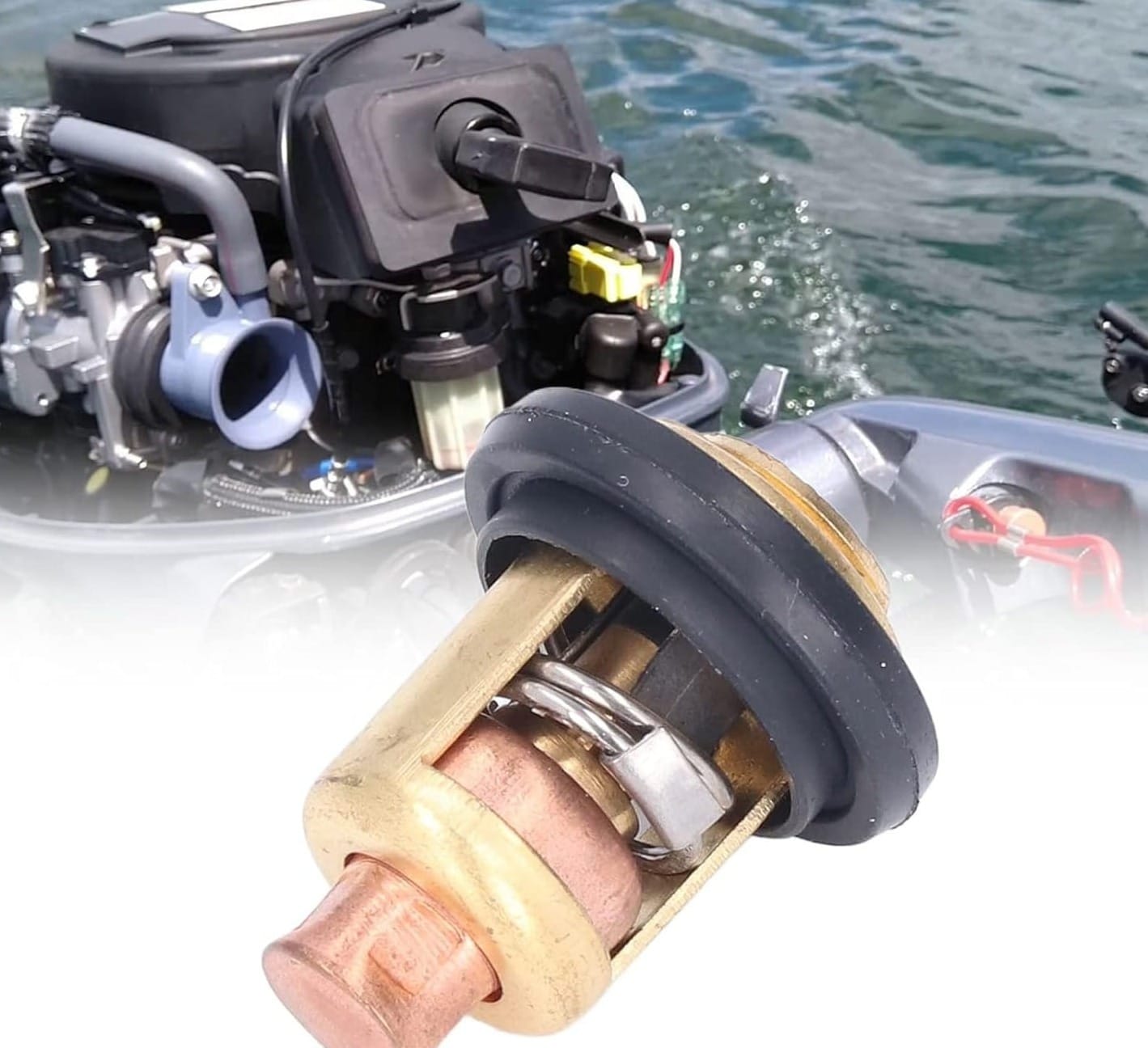
- Thermostat: Regulates engine temperature
- Heat exchanger: Transfers heat in closed systems
- Exhaust manifold: Helps cool exhaust gases
Common Cooling System Problems
- Worn or damaged impellers
- Blocked intakes from debris or marine growth
- Corrosion in heat exchangers
- Thermostat failure
Regular inspections and seasonal maintenance—especially before and after boating season—are essential to prevent overheating and ensure that your boat is always ready to go when you show up at the boat lift rental near me.
Maintenance Tips for Boat Owners
- Inspect and replace impellers annually.
- Flush systems after saltwater use.
- Check hoses and clamps for leaks.
- Monitor engine temperature gauges before leaving the marina or private boat slip rental.
- Winterize cooling systems properly in cold climates.
Keeping Your Engine Cool and Reliable
Boat cooling systems are vital to safe and enjoyable boating. Whether using a raw water or closed cooling setup, understanding how your system works and maintaining it regularly helps ensure smooth operation, protects your investment and keeps you confident on the water all season long.