Boat Rub Rails: Types, Materials and Maintenance Tips

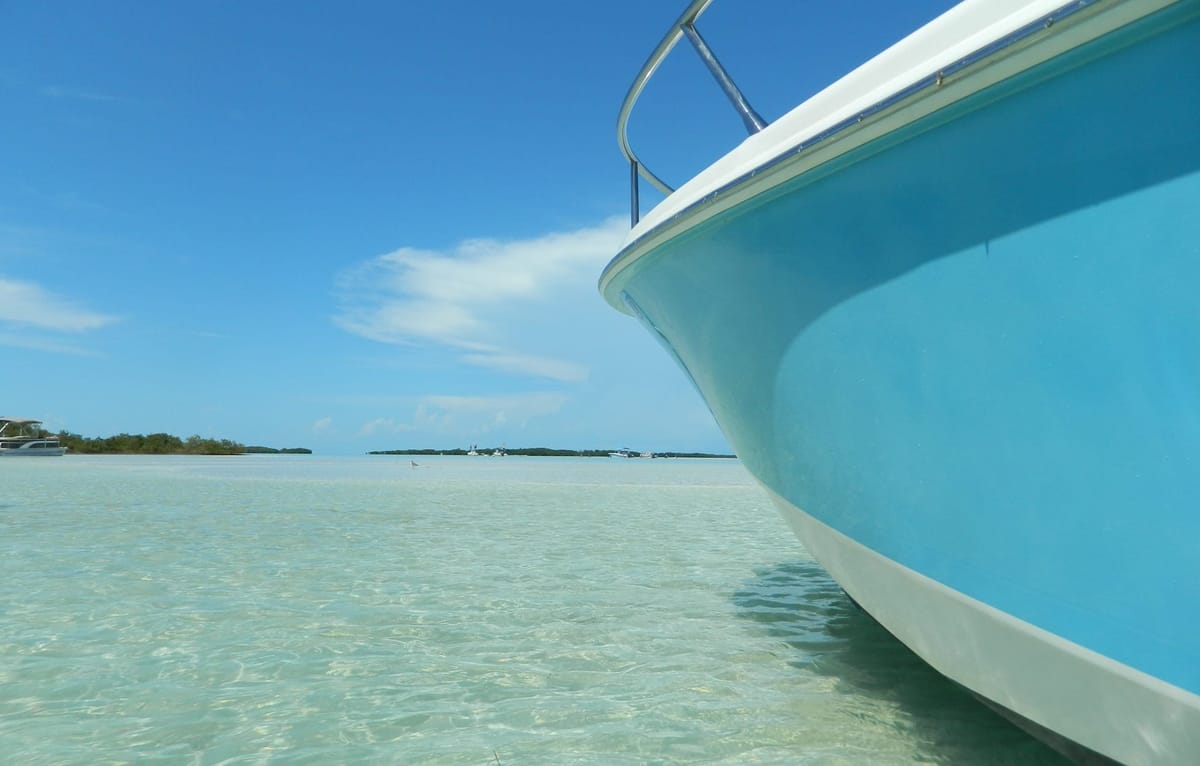
Installed along the outer edge where the hull meets the deck, rub rails act as a buffer that absorbs impacts and prevents damage when docking, rafting up or brushing against pilings and private boat docks for rent. Boat rub rails are an essential yet often overlooked component of a vessel’s protection system.
Choosing the right rub rail (and maintaining it properly) can help extend the life of a boat’s hull while preserving its appearance. Below is a closer look at the common types, materials and maintenance practices associated with boat rub rails.
What Is a Boat Rub Rail?
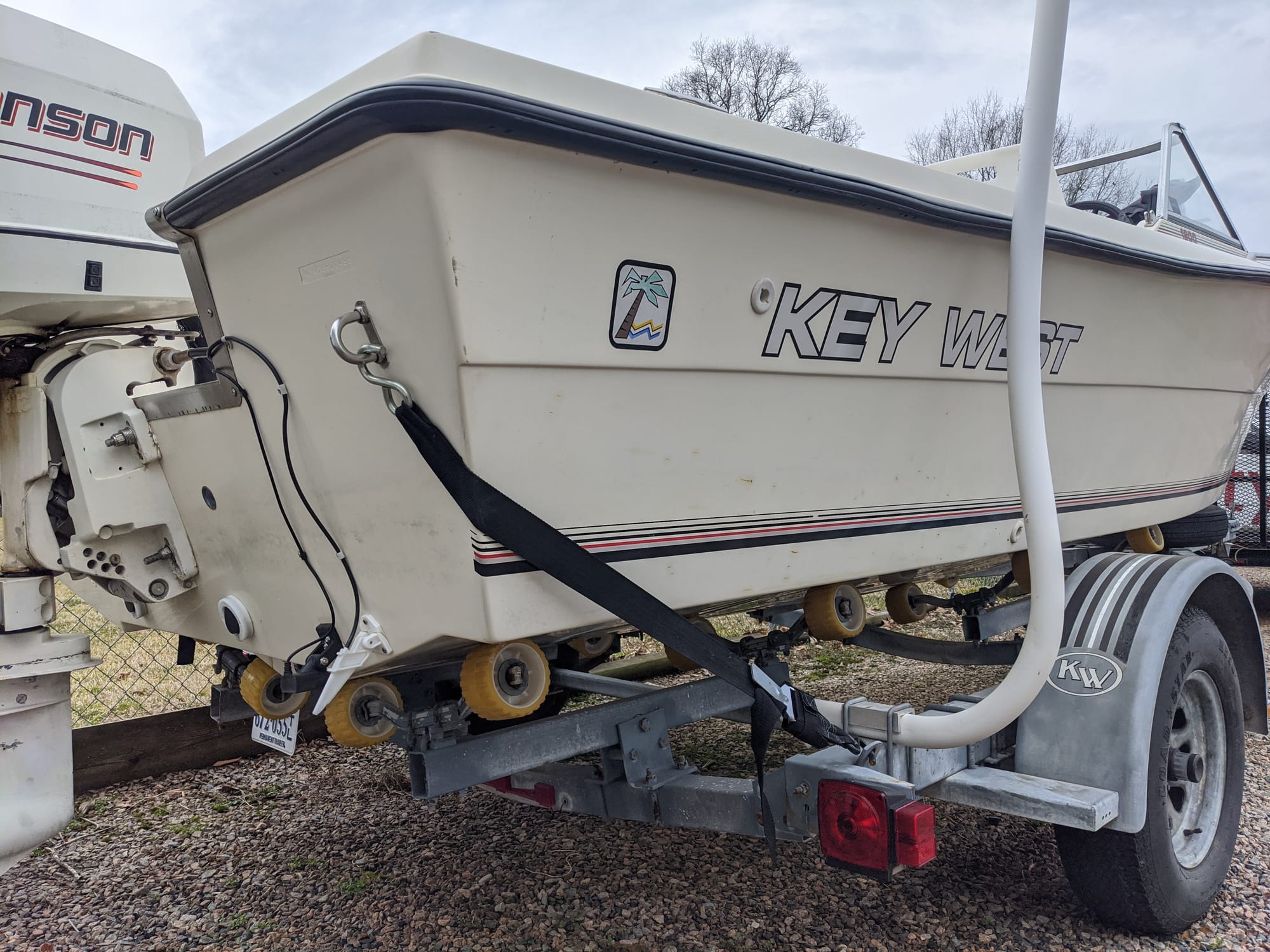
A rub rail is a protective strip mounted along the boat’s sheer line, typically where the deck cap joins the hull. This location is particularly vulnerable to bumps and scrapes during docking or close-quarters maneuvering.
Rub rails serve several key purposes:
- Protecting the hull and deck joint from impact
- Absorbing contact with docks and other vessels
- Covering and protecting fasteners along the hull-to-deck seam
- Adding a finished, polished appearance to the boat
Many modern boats integrate the rub rail directly into the hull-deck assembly, making it both a structural and protective feature.
Common Types of Boat Rub Rails
Boat rub rails vary widely depending on vessel size, design and intended use.
Rigid Rub Rails
Rigid rub rails are solid structures made from durable materials such as aluminum or hardwood. They provide strong impact resistance and are often found on larger powerboats and commercial vessels. Advantages include durability and a clean, structured appearance. However, rigid rails may transmit more force to the hull during hard impacts compared with softer materials.
Flexible Rub Rails
Flexible rub rails are typically made from vinyl or rubber compounds. These rails compress when struck, helping absorb impact energy.
They are common on recreational boats because they are:
- Lightweight
- Easy to install
- Affordable to replace
- Effective at absorbing minor bumps
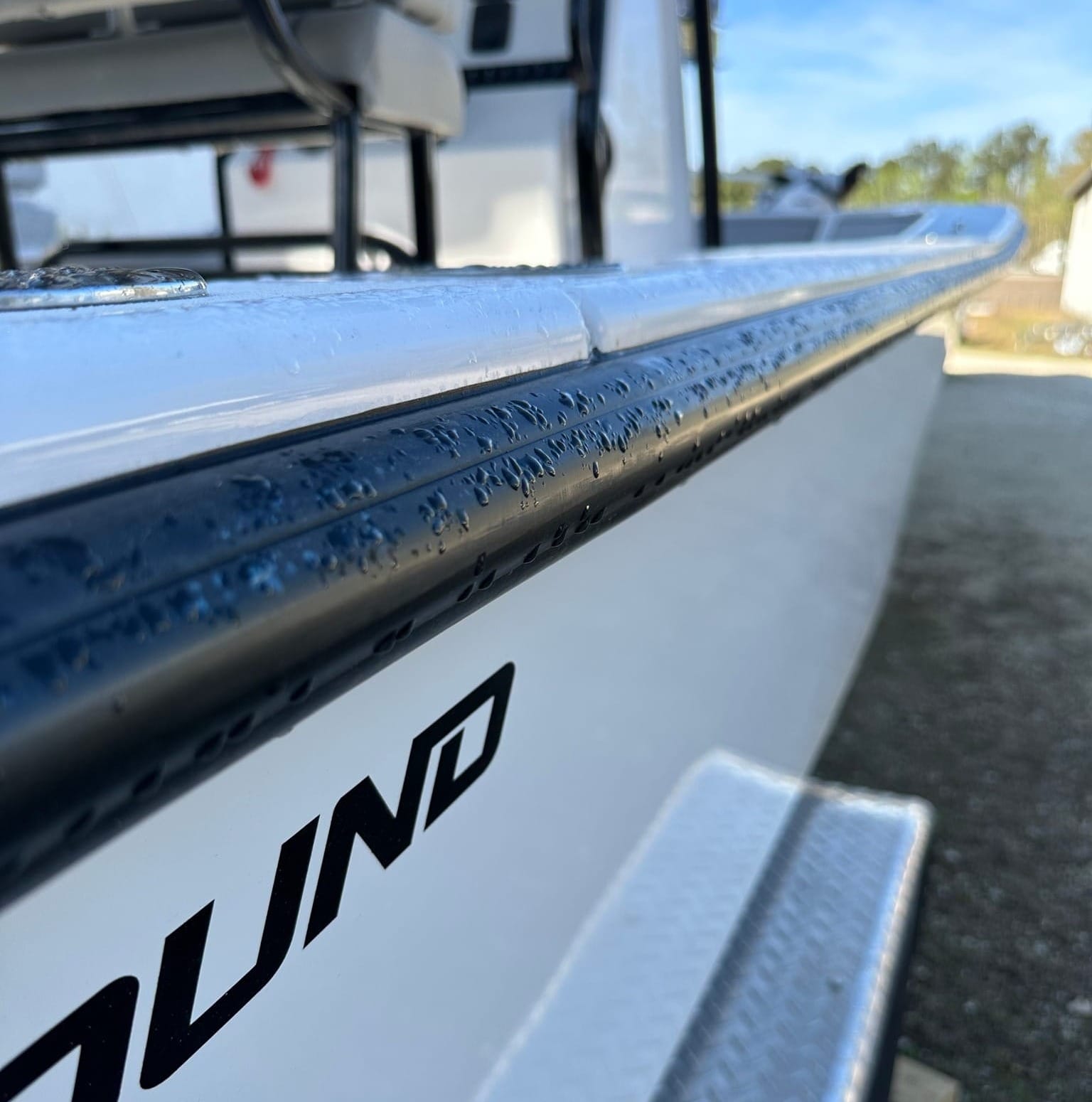
Many flexible systems use a track-and-insert design where a flexible insert hides mounting screws.
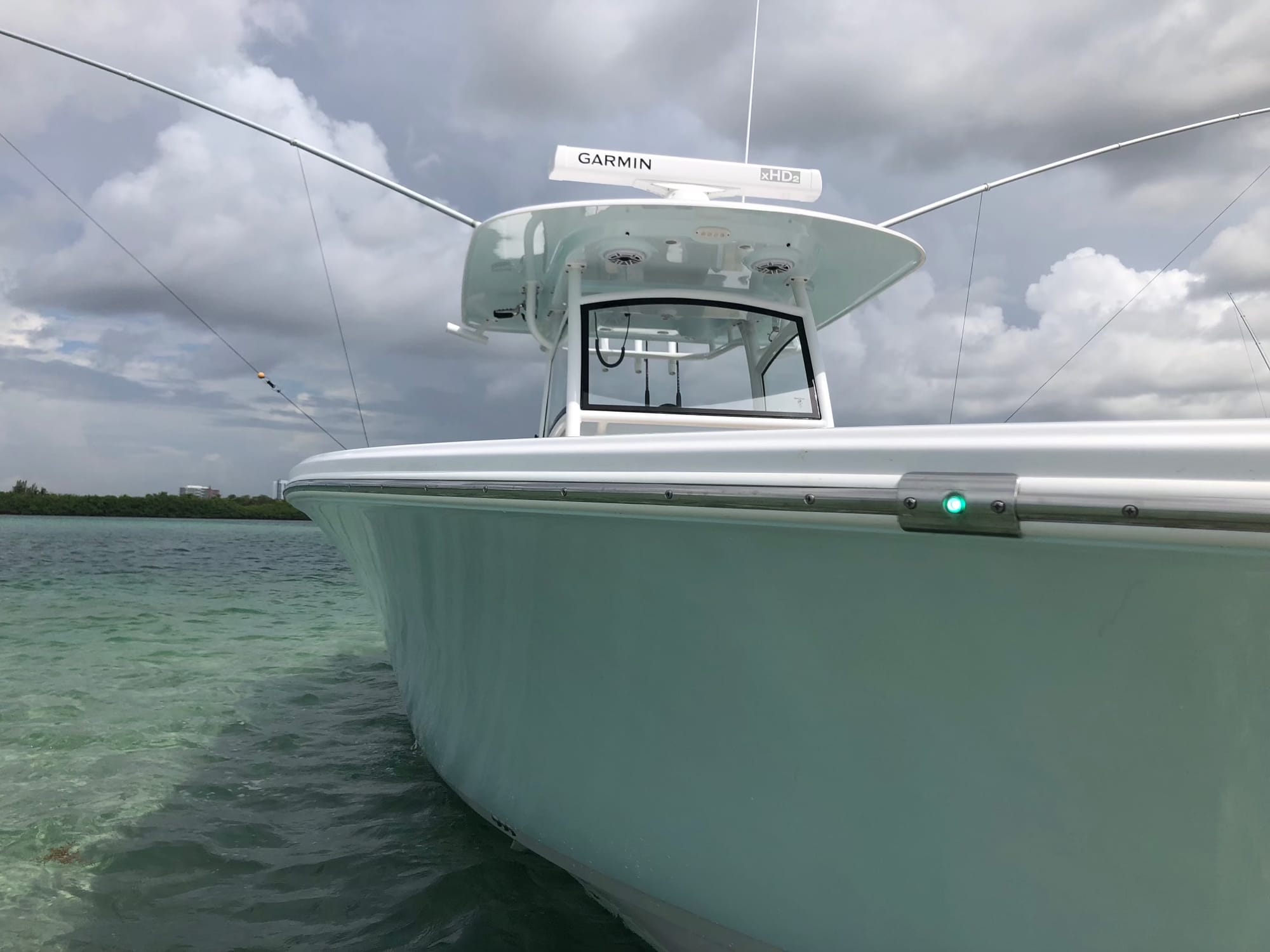
Stainless Steel–Capped Rub Rails
Some boats feature rub rails that combine a vinyl base with a polished stainless steel outer cap. This design offers both protection and an attractive finish. The stainless steel cap helps prevent abrasion and adds durability while maintaining a high-end appearance commonly seen on cruising yachts and sport boats.
Rope Rub Rails
Traditional wooden boats sometimes use rope rub rails secured along the hull edge. These provide excellent cushioning and match the aesthetics of classic vessels. While rope rails offer excellent shock absorption, they require more maintenance and may retain moisture if not properly cared for.
Materials Used in Boat Rub Rails
The material used in a rub rail largely determines its durability, flexibility and maintenance requirements.
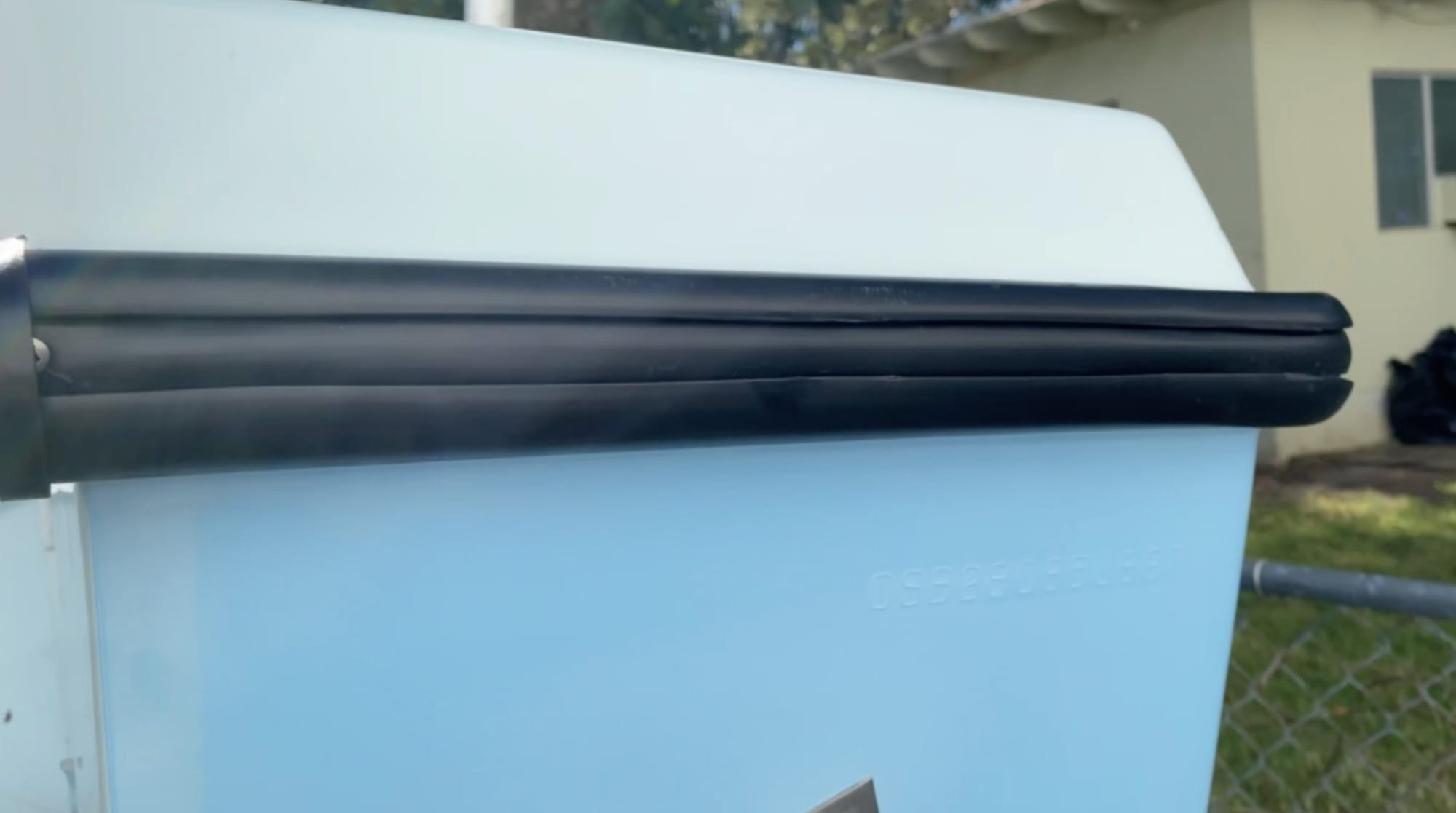
Vinyl
Vinyl is one of the most common rub rail materials used in recreational boats.
Benefits include:
- Good flexibility and impact absorption
- Resistance to UV exposure and weather
- Relatively low cost
- Easy installation and replacement
Vinyl inserts are often heated slightly during installation so they can bend smoothly around the boat’s curves.
Rubber
Rubber rub rails are thicker and more resilient than vinyl. They are often used on workboats, commercial vessels and tugboats where repeated impacts are expected. Rubber rails provide excellent cushioning but may require periodic cleaning to prevent surface degradation when stored outside at a marina or a private boat slip rental near me.
Aluminum
Aluminum rub rails offer strong protection and a sleek appearance. They are frequently used on larger vessels or boats with rigid hull structures. Advantages include corrosion resistance and structural strength, though aluminum rails may dent during heavy impacts.
Stainless Steel
Stainless steel caps or full rails are valued for their durability and polished appearance. They resist corrosion well in marine environments and can withstand abrasion from docks and pilings. However, stainless steel can be more expensive and may require occasional polishing to maintain its shine.
Wood
Classic wooden boats may use hardwood rub rails made from teak, oak or mahogany. These rails provide excellent protection and complement the traditional look of the vessel. Wood requires the most maintenance but offers a timeless aesthetic valued by many boat owners.
Maintenance Tips for Boat Rub Rails
Like any exterior boat component, rub rails benefit from regular inspection and care.
Inspect Fasteners and Seams
Check rub rail fasteners periodically to ensure they remain tight and secure. Loose screws or bolts can cause sections of the rail to separate from the hull.
Also inspect the hull-to-deck seam beneath the rail for signs of gaps or sealant failure.
Clean Regularly
Salt, dirt and algae can accumulate on rub rails over time. Washing them with mild soap and fresh water helps prevent staining and surface deterioration. For stainless steel caps, a marine-grade cleaner can help remove salt deposits and restore shine.
Protect Against UV Damage
Vinyl and rubber rub rails can fade or become brittle after prolonged sun exposure while stored at a marina, a private boat lift rental or your driveway. Applying a marine-safe protectant designed for plastics or rubber can help slow UV degradation.
Repair Small Damage Early
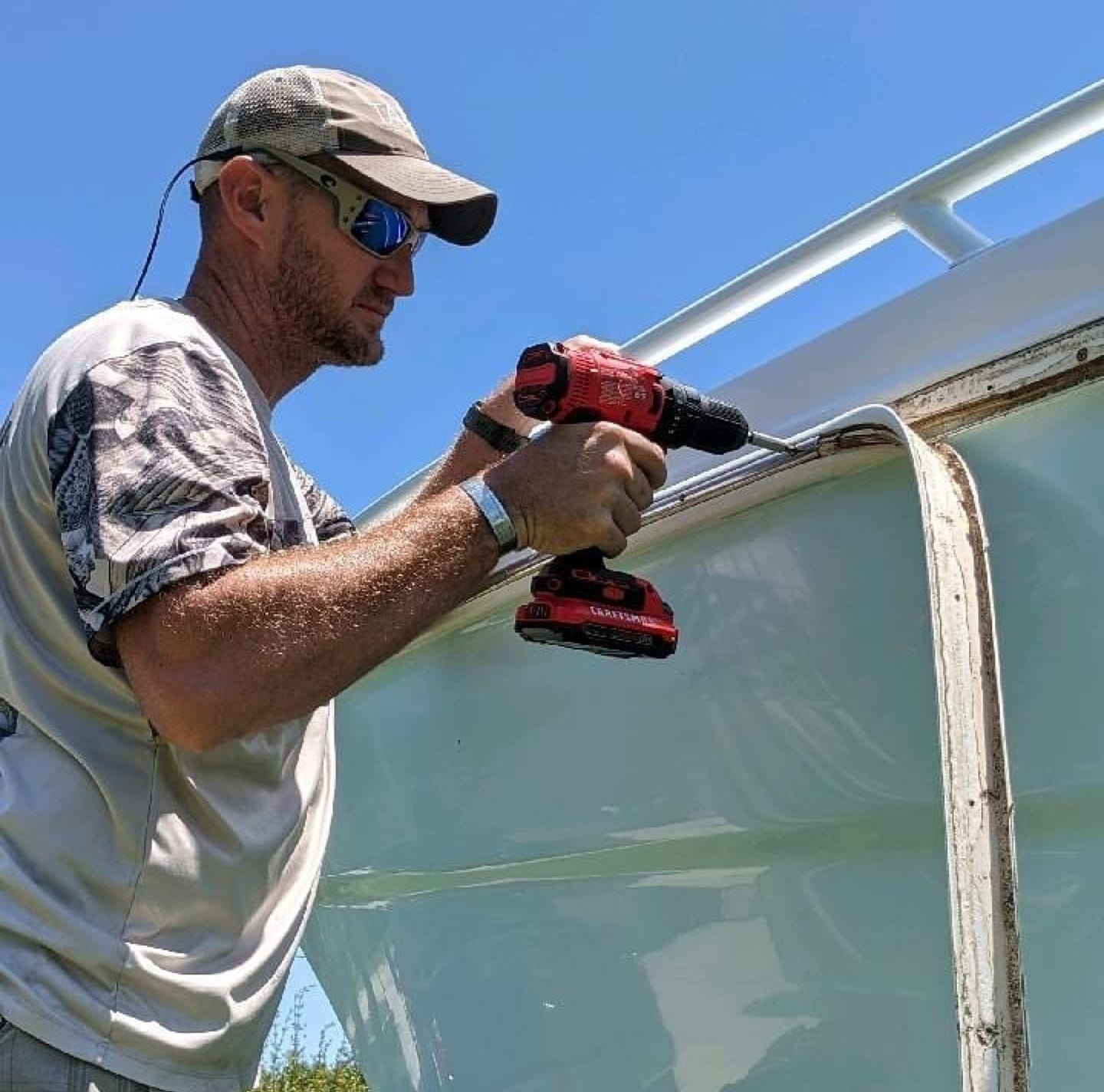
Minor cracks, dents, or loose inserts should be repaired promptly. Small issues can quickly worsen if left unattended, especially when the rail absorbs repeated impacts. Vinyl inserts can often be replaced individually without removing the entire rub rail assembly.
Replace Worn Sections
Over time, heavily used sections of a rub rail may become flattened or damaged. Many modern rub rail systems allow individual segments or inserts to be replaced rather than removing the entire rail. This approach keeps maintenance costs manageable while maintaining protection.
A Small Feature with Big Protective Value
Although rub rails may not receive the same attention as engines or electronics, they play a crucial role in protecting a boat’s structure. By absorbing everyday bumps and covering the vulnerable hull-to-deck joint, rub rails help prevent cosmetic damage and more serious structural issues.
With the right material choice and regular maintenance, a well-designed rub rail system can protect a vessel for many years, making docking, rafting and maneuvering around marinas far less stressful for boat owners.