Bunk Guides vs. Roller Guides: Which is Better for Your Boat Trailer

Choosing between bunk guides and roller guides is a common decision for boat owners looking to make launching and loading easier, whether at a marina or a private boat dock for rent. Both systems serve the same basic purpose, which is helping align your boat on the trailer. However, they function differently and perform better in different conditions. Understanding their strengths and limitations will help you decide which option best suits your boat, ramp conditions and boating style.
What Are Bunk Guides?
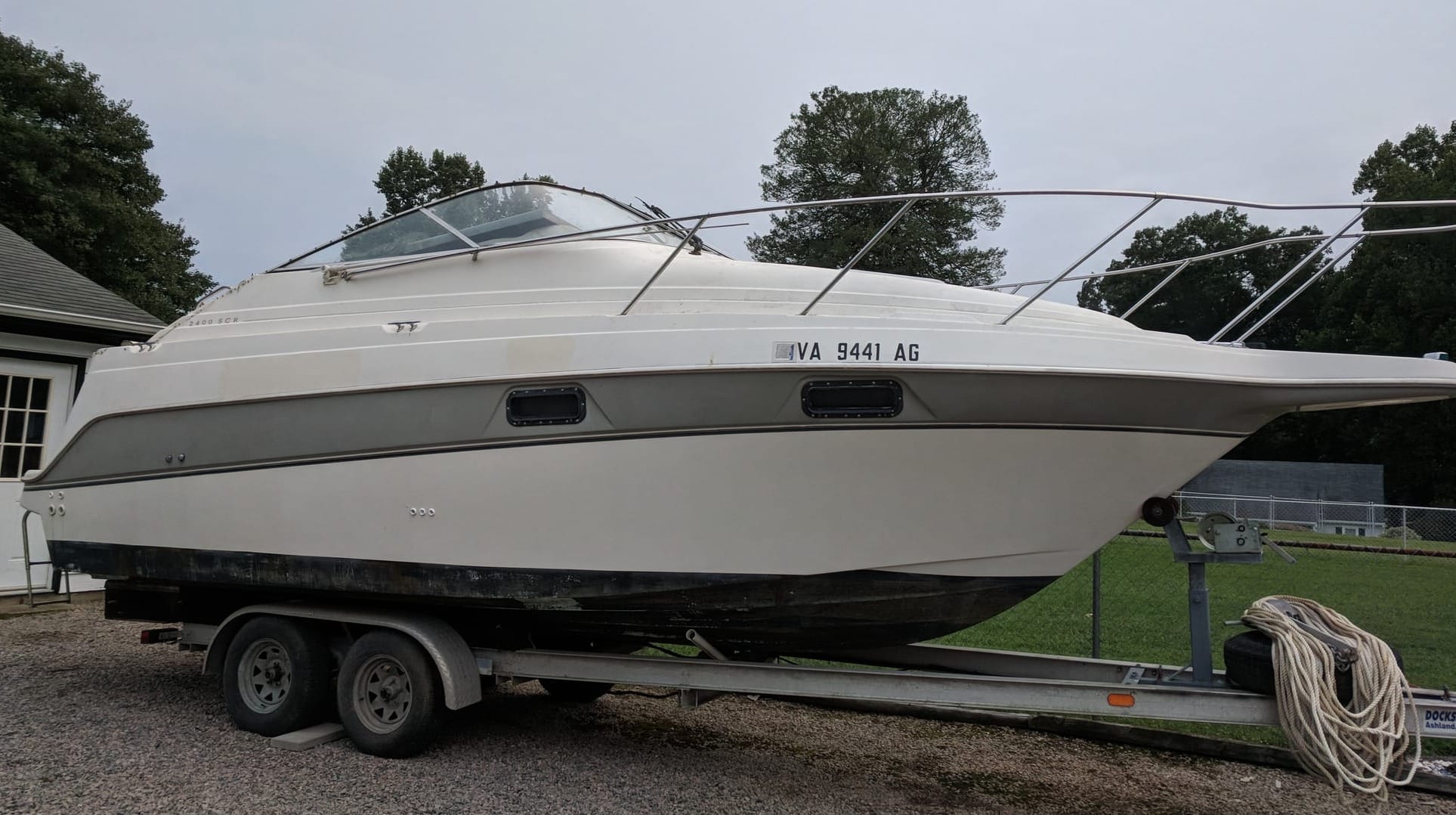
Bunk guides are vertical posts mounted on either side of a trailer, typically covered with carpeted wood or PVC sleeves. They create a visual and physical “channel” that helps center the boat as it’s driven or winched onto the trailer.
Advantages of Bunk Guides
- Simplicity and durability: With few moving parts, bunk guides are low-maintenance and resistant to wear.
- Gentle on hulls: Carpeted surfaces reduce the risk of scratching or pressure points.
- Strong alignment aid: They’re especially helpful in wind or current, acting as a funnel for the hull.
- Cost-effective: Generally less expensive than roller systems.
Limitations of Bunk Guides
- More friction: The boat relies more on the trailer bunks and less on rolling assistance, which can make loading harder.
- Requires deeper water: You often need to submerge the trailer further to float the boat into position.
What Are Roller Guides?
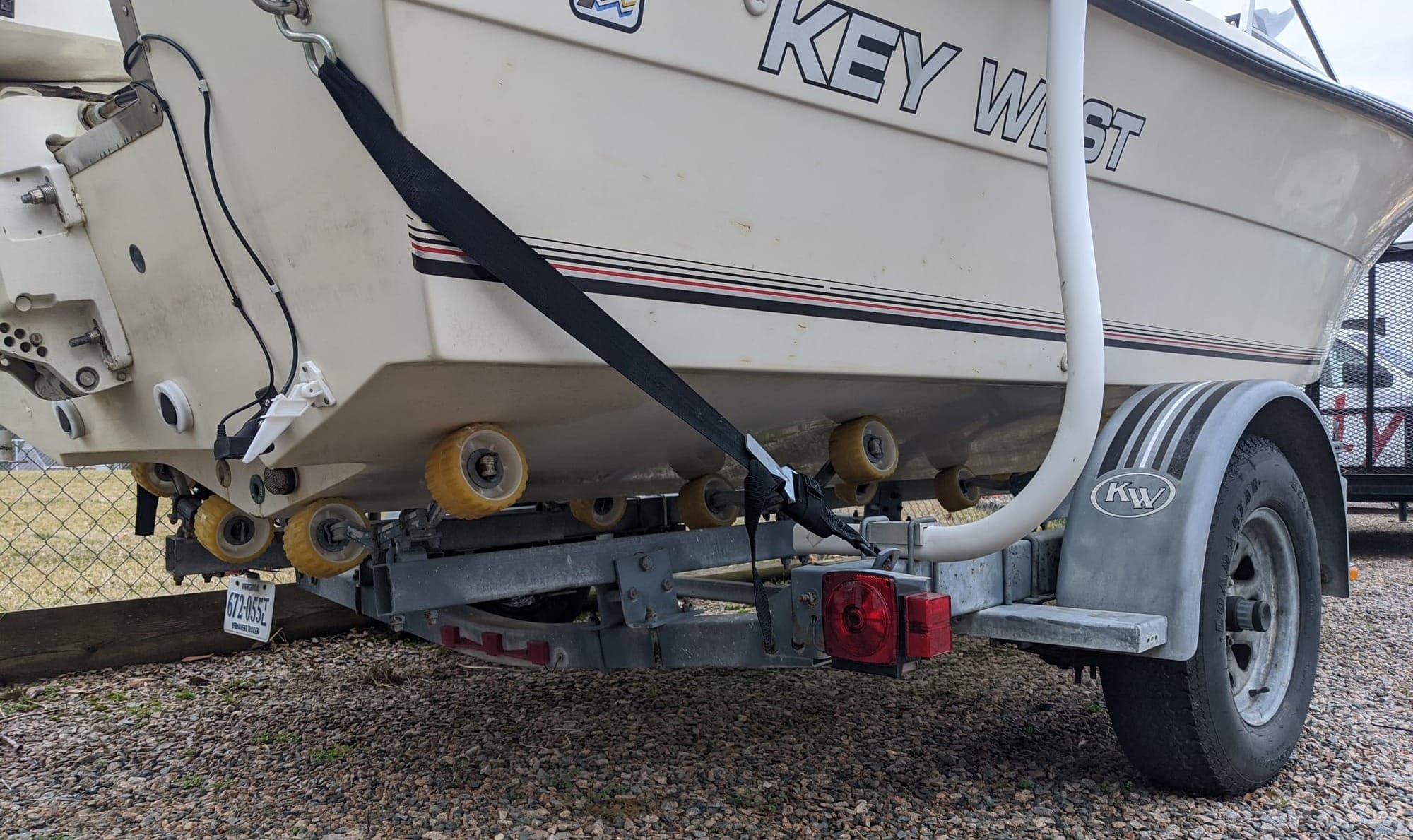
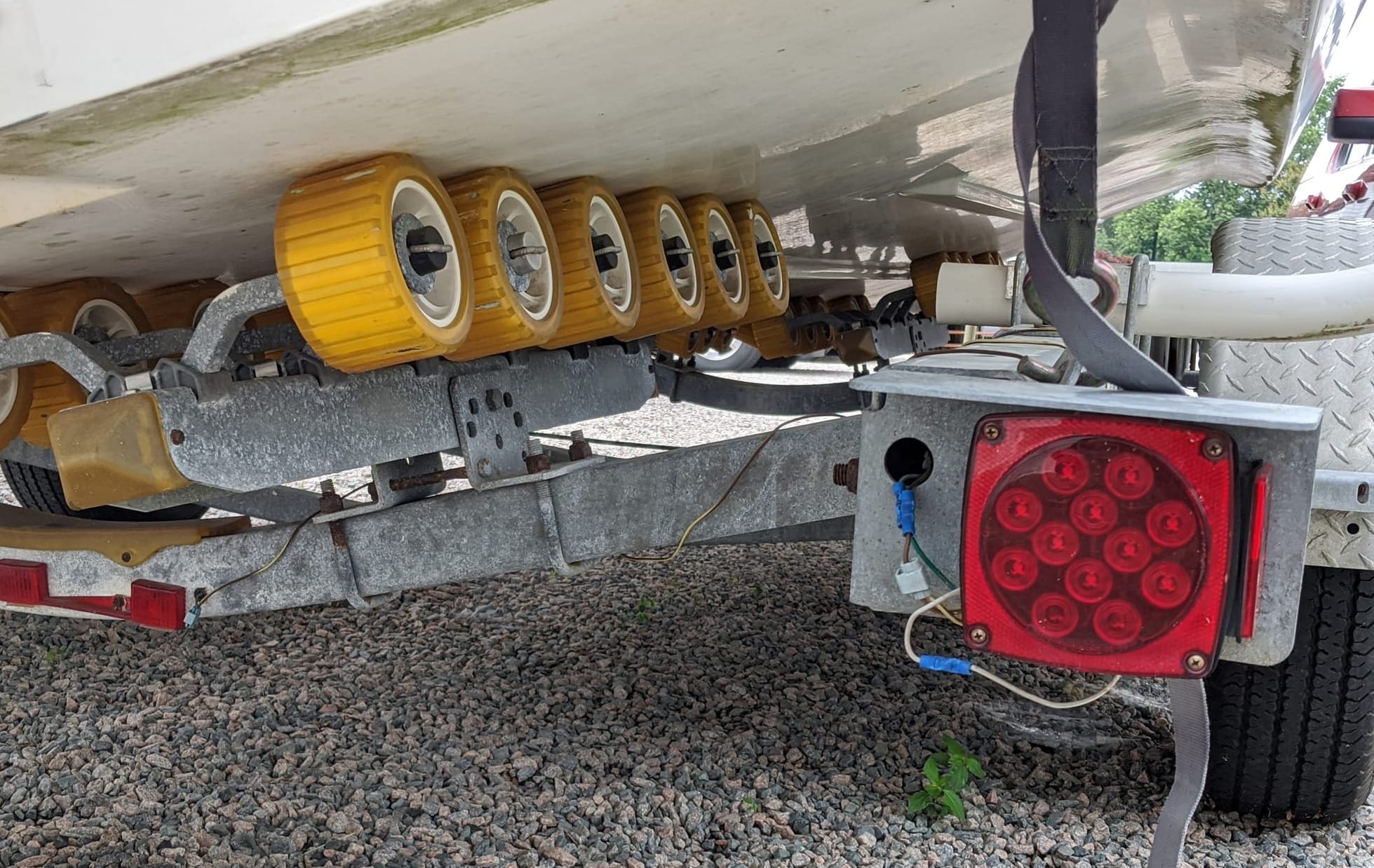
Roller guides use vertical posts fitted with non-marking rollers that spin as the boat makes contact. These rollers help guide and center the boat while reducing friction.
Advantages of Roller Guides
- Low friction loading: Rollers make it easier to guide the boat into position, especially when winching at the dock or private boat lift for rent.
- Shallower ramp capability: Less submersion is required compared to bunk systems.
- Helpful for solo boaters: The rolling action can make corrections easier when loading alone.
Limitations of Roller Guides
- More maintenance: Moving parts can wear out, seize or need replacement.
- Potential hull marking: Poor-quality rollers or debris can scuff gelcoat over time.
- Less “forgiving” alignment: Rollers guide but don’t “trap” the boat as securely as bunks.
Key Differences at a Glance
Which Is Better for Your Boat?
Choose Bunk Guides If:
- You frequently launch in windy or current-prone conditions
- Your priority is hull protection and simplicity
- You use steeper ramps where floating the boat on is easier
- You prefer a low-maintenance setup
Bunk guides are often favored by anglers and coastal boaters who deal with variable conditions and want predictable alignment when loading from a private boat slip rental near me or a marina dock.
Choose Roller Guides If:
- You launch on shallow or inconsistent ramps
- You often boat alone and need easier loading
- Your trailer setup already relies heavily on rollers
- You want to reduce winching effort
Roller guides are popular with smaller boats and freshwater boaters where ramps may be less steep.
Can You Use Both?
Yes, many boaters combine bunk-style support (horizontal bunks) with vertical roller guides. This hybrid approach provides hull support from bunks while benefiting from the easier alignment and reduced friction of rollers.
Final Verdict
There isn’t a universal “best” option, only what’s best for your situation:
- Best overall for control and protection: Bunk guides
- Best for ease of loading and shallow ramps: Roller guides
If you regularly deal with wind, current or saltwater conditions, bunk guides tend to offer more control and reliability. If convenience and ease of loading are your top priorities (especially when boating solo), roller guides may be the better choice.
Both systems improve the loading experience, but they do so in different ways. Think about your typical launch conditions, how often you boat alone and how much maintenance you’re willing to handle. Matching the guide system to your real-world use will make every trip to the ramp smoother and less stressful.