City Guides: Things to do While Boating in Grand Rapids, Manitoba, Canada

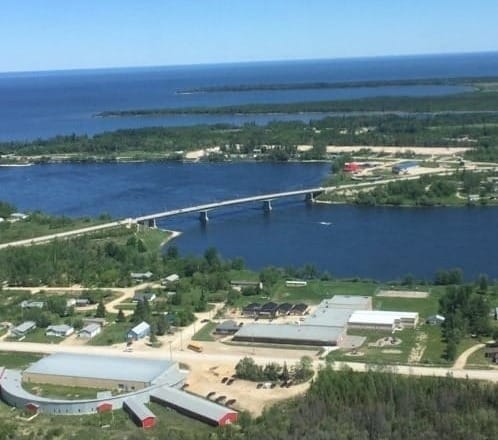
Located where the Saskatchewan River flows into Lake Winnipeg, Grand Rapids, Manitoba, is a small northern community surrounded by boreal forest, waterways and historic fur-trade routes. Although remote, the area offers a mix of natural attractions, historic sites and wildlife viewing opportunities that appeal to travelers exploring northern Manitoba from private boat slip rentals near me or marinas.
Grand Rapids Provincial Park
One of the easiest places to explore near town is Grand Rapids Provincial Park, a small protected area located near the former river channel of the Saskatchewan River. The park was established in 1974 and preserves part of the historic landscape around the original rapids that gave the community its name.
Visitors can walk along quiet forest paths, enjoy views of the river system and observe local wildlife typical of Manitoba’s boreal plains. The park is especially popular for short nature walks and photography. While modest in size, it provides a peaceful introduction to the region’s ecosystems and river history.
Historic Fort Bourbon Site
History enthusiasts will find the area fascinating because it played an important role in the early fur trade. The site of Fort Bourbon is located near the mouth of the Saskatchewan River where it enters Lake Winnipeg.
The fort was established in 1741 by the French explorer Pierre Gaultier de La Vérendrye as part of his network of trading posts extending west from Lake Superior. The post supported fur trading operations and exploration of inland waterways before being abandoned in the late 18th century.
Today, visitors can learn about the site’s historical significance through local interpretation and by exploring the landscape that once served as a major transportation hub for voyageurs and traders.
Grand Rapids Tramway Historic Site
Another unique attraction is the historic Grand Rapids Tramway, an early transportation system built to bypass the dangerous rapids that once blocked navigation on the Saskatchewan River. In the late 19th century, boats and cargo were transported across land using a rail-style tramway so they could continue their journey between Lake Winnipeg and inland waterways. Today, the site represents an important piece of Manitoba’s transportation history and illustrates the challenges early travelers faced when navigating northern rivers.
Little Limestone Lake Provincial Park
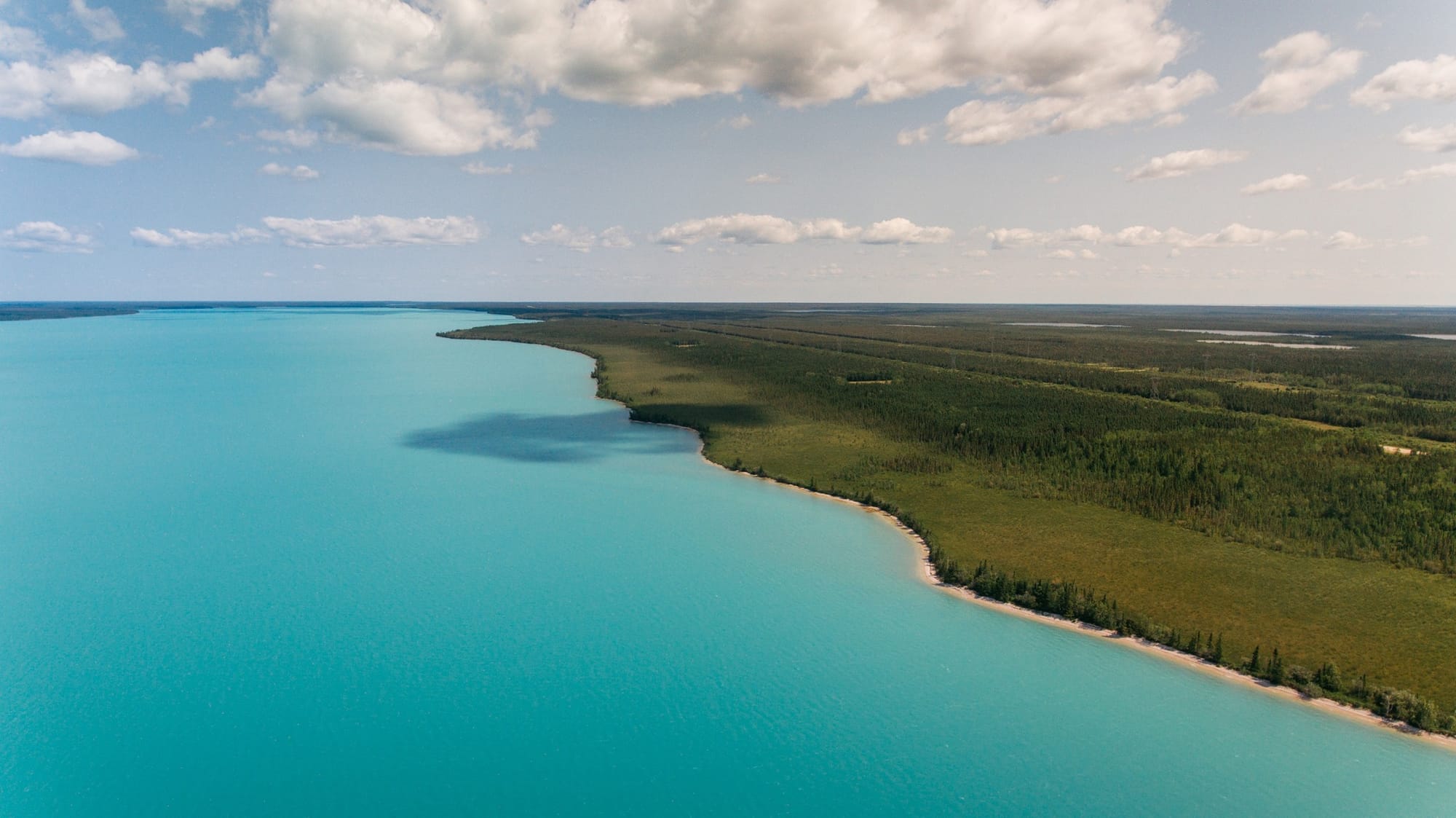
Roughly 40 miles north of town lies Little Limestone Lake Provincial Park, one of Manitoba’s most remarkable natural wonders. The park protects Little Limestone Lake, widely considered the largest marl lake in the world.
The lake is famous for its dramatic color changes. Depending on temperature and chemical reactions in the water, the lake can shift between turquoise, milky blue or greenish hues. These changes occur as calcite crystals form or dissolve in the water. Visitors come to photograph the striking water colors, enjoy remote wilderness scenery and learn about the area’s unique karst geology.
Lake Winnipeg and Northern Waterways
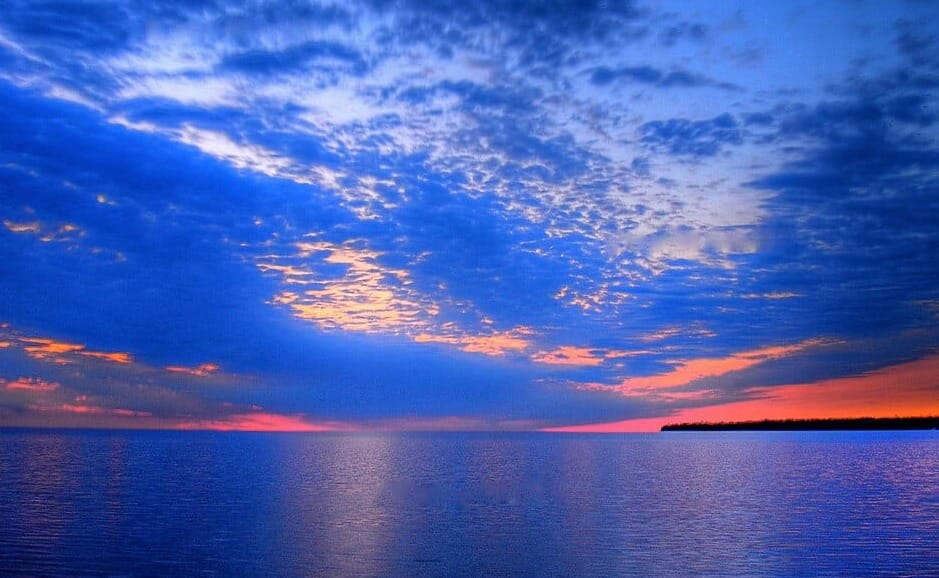
Grand Rapids sits at the gateway to the vast Lake Winnipeg, one of the largest freshwater lakes in Canada. The lake and surrounding waterways provide opportunities for boating, fishing and wildlife viewing from a marina or a private boat lift rental.
Anglers often visit the region for northern species such as walleye, pike and lake whitefish. The surrounding wetlands and shoreline habitats also support migratory birds and waterfowl, making the region attractive for birdwatching, either on foot or by boat from a private boat dock for rent.
George Island Lighthouse
Offshore in the northern basin of Lake Winnipeg stands George Island Light, a striking lighthouse built in 1906 to guide ships navigating the lake. The tower rises more than 50 feet and flashes a white light every four seconds to aid navigation across the often-challenging waters of Lake Winnipeg. While the island itself is remote, the lighthouse represents an important part of Manitoba’s maritime history and can sometimes be seen by boaters traveling in the area.
Goose Islands Provincial Park
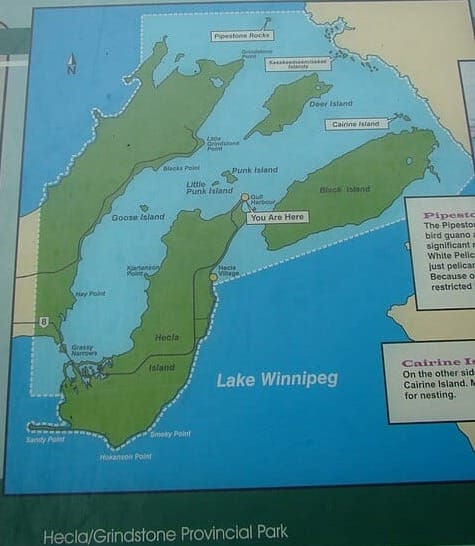
Nature lovers may be interested in nearby Goose Islands Provincial Park, located on islands in Lake Winnipegosis. Established in 2017, the park protects important nesting habitat for bird species such as gulls, terns and cormorants. The islands provide excellent opportunities for wildlife observation and illustrate the ecological diversity of Manitoba’s lake systems.