Cyber Security Risks Aboard Boats and How to Avoid Them

Modern boats - whether recreational yachts or commercial vessels - are increasingly dependent on digital systems. Navigation equipment, communication tools, entertainment systems and even engine controls are now often connected to onboard networks and the internet.
While this connectivity improves convenience and efficiency, it also introduces new cybersecurity risks. Understanding these risks and learning how to mitigate them is essential for boat owners, operators and maritime organizations whenever they leave a marina or private boat slips for rent.
Growing Digital Connectivity at Sea
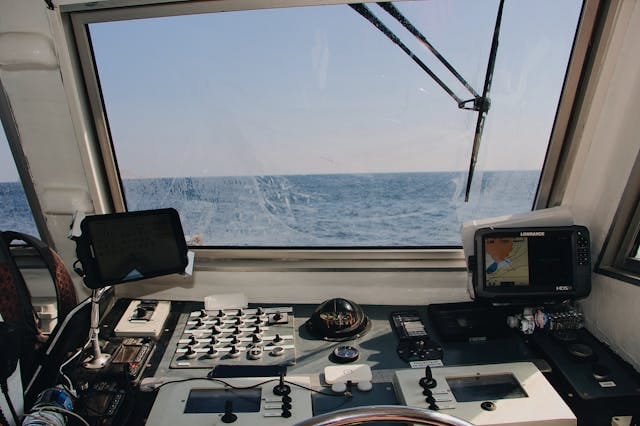
Many boats today operate with integrated digital systems. Chartplotters, GPS receivers, autopilots, radar, satellite communications and onboard Wi-Fi networks can all be interconnected. Some vessels even allow remote monitoring through mobile apps.
These systems may rely on marine communication standards such as NMEA 2000, which allows different devices to share data across the vessel. If such networks are poorly secured, attackers could potentially access or manipulate connected devices.
Because boats are often connected through satellite or private boat dock rental and marina Wi-Fi networks, they can become targets for cybercriminals just like computers on land.
Common Cybersecurity Risks on Boats
1. Unauthorized Network Access
Many vessels use onboard Wi-Fi networks for crew or passenger internet access. If these networks are unsecured or use weak passwords, hackers could gain access. Once inside the network, attackers may attempt to reach sensitive systems such as navigation equipment or monitoring tools.
2. GPS Spoofing and Navigation Manipulation
Navigation systems rely heavily on satellite positioning. In a cyberattack known as GPS spoofing, false signals are transmitted to deceive the vessel’s navigation system, causing it to report an incorrect position. This could potentially mislead operators and create safety hazards.
3. Malware Through USB or External Devices
Software updates for marine electronics are sometimes installed via USB drives. If a drive contains malware, it could infect onboard systems and spread across the vessel’s network.
4. Remote System Exploits
Some modern boats allow remote monitoring of engines, fuel levels or security cameras via cloud platforms. If these systems are poorly secured, attackers could exploit vulnerabilities to gain remote access.
5. Compromised Marina Networks
Public Wi-Fi at marinas and private boat slips near me for rent is convenient but often not well protected. Attackers connected to the same network may attempt to intercept data, perform man-in-the-middle attacks or probe connected devices.
Potential Consequences
Cyber incidents at sea can have serious consequences, including:
- Loss of navigation accuracy
- Unauthorized control of onboard systems
- Data theft from onboard computers
- Disruption of communications
- Safety hazards for crew and passengers
In commercial maritime operations, such incidents may also cause financial losses, regulatory penalties or reputational damage.
Best Practices to Reduce Cybersecurity Risks
1. Secure Onboard Networks
Boat owners should use strong passwords and modern encryption (such as WPA2 or WPA3) for onboard Wi-Fi networks. Guest networks should be separated from operational systems whenever possible.
2. Keep Software Updated
Marine electronics manufacturers frequently release firmware updates to address security vulnerabilities. Keeping devices updated reduces the risk of exploitation.
3. Segment Critical Systems
Critical systems such as navigation and engine controls should be isolated from entertainment networks or passenger Wi-Fi. Network segmentation helps prevent attackers from reaching sensitive components.
4. Avoid Untrusted USB Devices
Only use trusted storage devices when installing software updates. Scan USB drives with antivirus software before connecting them to onboard systems.
5. Use Secure Remote Access
If remote monitoring is enabled, ensure that strong authentication methods (such as two-factor authentication) are used to access the system.
6. Limit Use of Public Wi-Fi
When possible, avoid connecting vessel systems directly to private boat lifts near me for rent or public marina Wi-Fi networks. Using a virtual private network (VPN) can help protect communications.
7. Train Crew and Operators
Human error is often the weakest point in cybersecurity. Training crew members to recognize phishing attempts, suspicious files and unsafe network practices can significantly reduce risks.
The Future of Maritime Cybersecurity
As boats continue to adopt advanced digital systems and autonomous technologies, cybersecurity will become even more important. Maritime organizations, equipment manufacturers and regulators are increasingly working together to develop standards and best practices to protect vessels from cyber threats.
By understanding the potential risks and implementing practical security measures, boat owners and operators can enjoy the benefits of modern marine technology while minimizing the dangers posed by cyberattacks.