Fuel Planning for Long Runs: Avoiding Range Anxiety

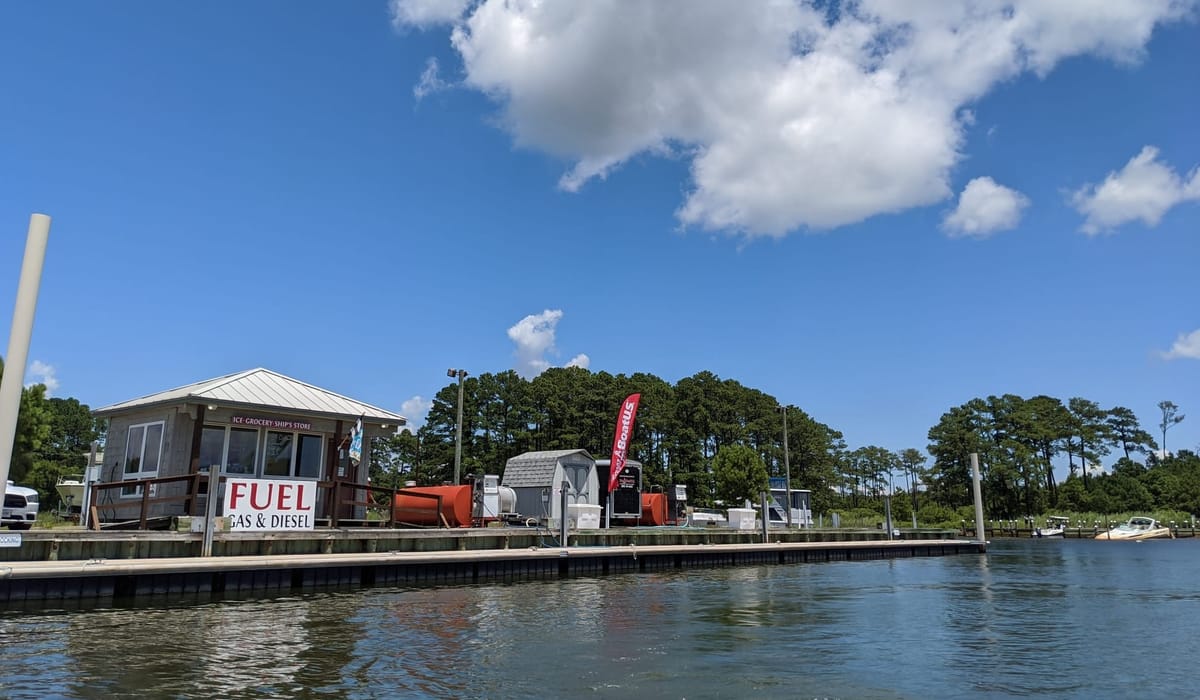
Planning for long fuel runs is one of the most important skills a boater can develop. Whether you’re cruising offshore, island-hopping or navigating remote waterways from private boat docks for rent, running low on fuel far from help can quickly turn an enjoyable outing into a stressful situation. Avoiding “range anxiety” on the water comes down to careful calculation, conservative planning and smart onboard practices.
Understand Your Boat’s True Fuel Range
Every boat has a theoretical range when it takes off from a marina or a private boat slip rental near me, but real-world conditions often reduce it. Start by determining your vessel’s fuel burn rate (gallons per hour) at cruising speed. This information may come from engine data, manufacturer specs or your own logged experience.
Once you know your burn rate, calculate range using a simple formula:
- Range (miles) = (usable fuel ÷ burn rate) × cruising speed
However, “usable fuel” is not your full tank. A portion of fuel is typically unusable due to tank design, and conditions rarely remain ideal.
Apply the One-Third Rule
A widely accepted safety guideline in boating is the one-third rule:
- One-third of fuel for the outbound trip
- One-third for the return
- One-third held in reserve
This rule builds in a safety margin for unexpected conditions such as headwinds, detours or mechanical inefficiencies. For offshore runs or remote cruising, many experienced boaters become even more conservative.
Factor in Real-World Conditions
Fuel consumption can change dramatically depending on conditions. Plan for:
- Wind and waves: Running into chop or strong headwinds increases fuel burn significantly.
- Current and tides: Adverse currents can slow your progress and increase engine load.
- Weight: Extra passengers, gear or water toys add drag and reduce efficiency.
- Hull condition: A fouled or dirty hull increases resistance and fuel consumption.
Always base your calculations on worst-case realistic conditions, not ideal ones.
Know Your Fuel Stops in Advance
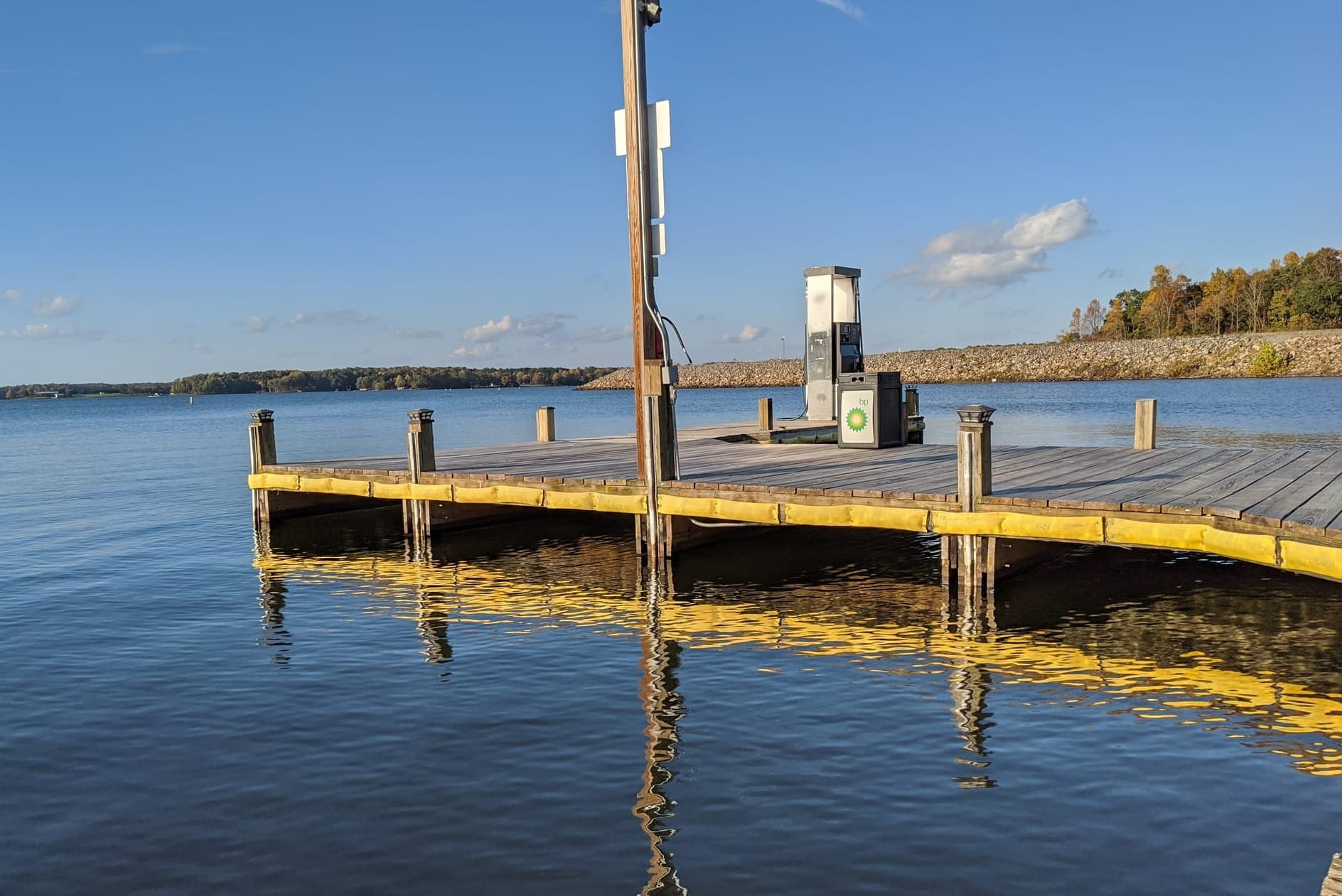
Before departing a marina or private boat lifts for rent, map out all available fuel docks along your route. Pay attention to:
- Operating hours
- Fuel types available (gasoline vs. diesel)
- Seasonal closures
- Distance between stops
In remote areas, never assume a marina will be open or stocked. Calling ahead can prevent surprises.
Use Electronics, But Don’t Rely on Them Alone
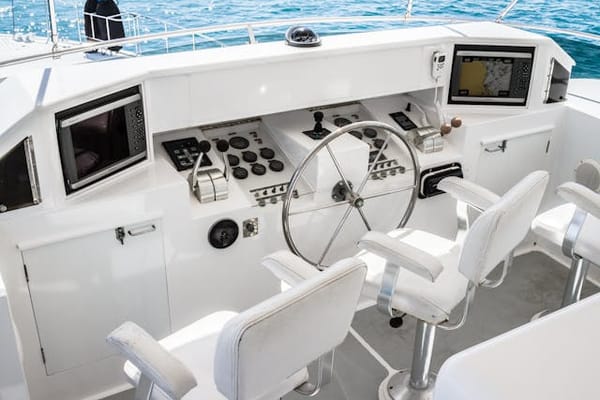
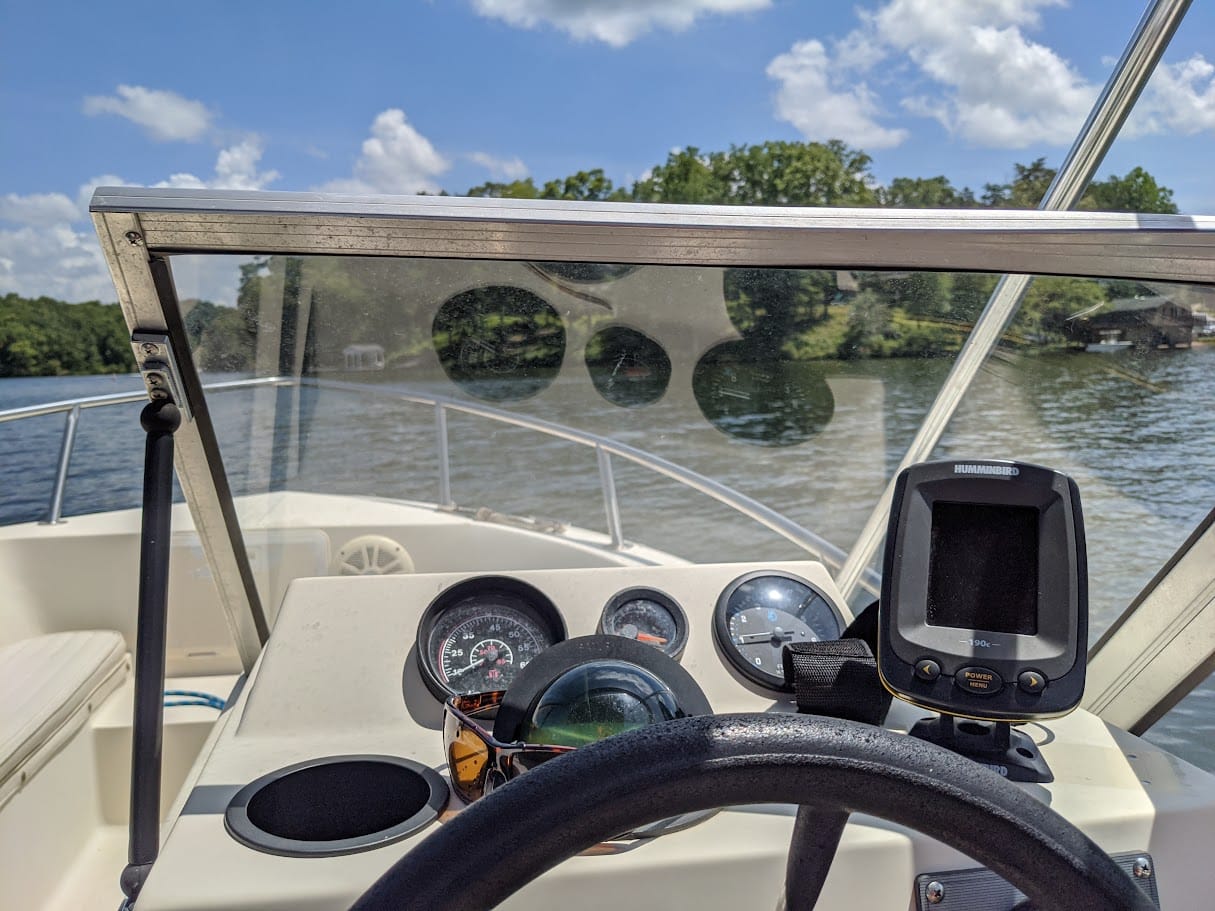
Modern chartplotters and multifunction displays can estimate fuel range in real time, especially when integrated with engine data systems. These tools are helpful, but they should support, not replace, manual planning. Carry paper charts or a backup navigation app such as Navionics or Garmin ActiveCaptain to verify distances and locate alternate fuel stops if needed.
Carry Extra Fuel (When Practical)
For smaller boats or long passages from private boat docks near me for rent, carrying extra fuel can provide peace of mind. Portable fuel tanks or jerry cans should be:
- Properly secured
- Approved for marine use
- Stored in well-ventilated areas
Be mindful of safety regulations and avoid overloading your vessel.
Monitor Fuel Consumption Underway
Even with careful planning, conditions can change. Keep a close eye on:
- Fuel gauges (not always perfectly accurate)
- Engine data (if available)
- Time and distance traveled
If your burn rate appears higher than expected, adjust speed or route early rather than pushing your limits.
Adjust Speed for Efficiency
Fuel efficiency often improves at a specific cruising speed, sometimes referred to as the “sweet spot.” Running too fast increases fuel burn exponentially, while running too slow may reduce efficiency for planing hulls. Experiment with your boat to find the most efficient speed and use it when range matters.
Build in a Margin for the Unexpected
Unexpected situations are part of boating:
- Weather changes
- Navigation detours
- Search-and-rescue situations
- Mechanical issues
Planning with a buffer ensures you can respond safely without immediately worrying about fuel levels.
Develop a Fuel Log Habit
Keeping a fuel log is one of the most valuable long-term practices. Record:
- Fuel added
- Engine hours
- Distance traveled
- Conditions
Over time, this data provides a highly accurate picture of your boat’s real-world performance, making future trip planning far more reliable. Range anxiety on the water is largely preventable. By understanding your boat’s fuel consumption, planning conservatively and continuously monitoring conditions, you can approach long fuel runs with confidence.
The goal is simple: arrive with fuel to spare, not just enough to make it. Careful preparation not only enhances safety but also allows you to focus on what boating is meant to be … relaxed, enjoyable and free of unnecessary worry.