How Trailer Bunk Guide Posts Make Boat Loading Easier in Wind and Current

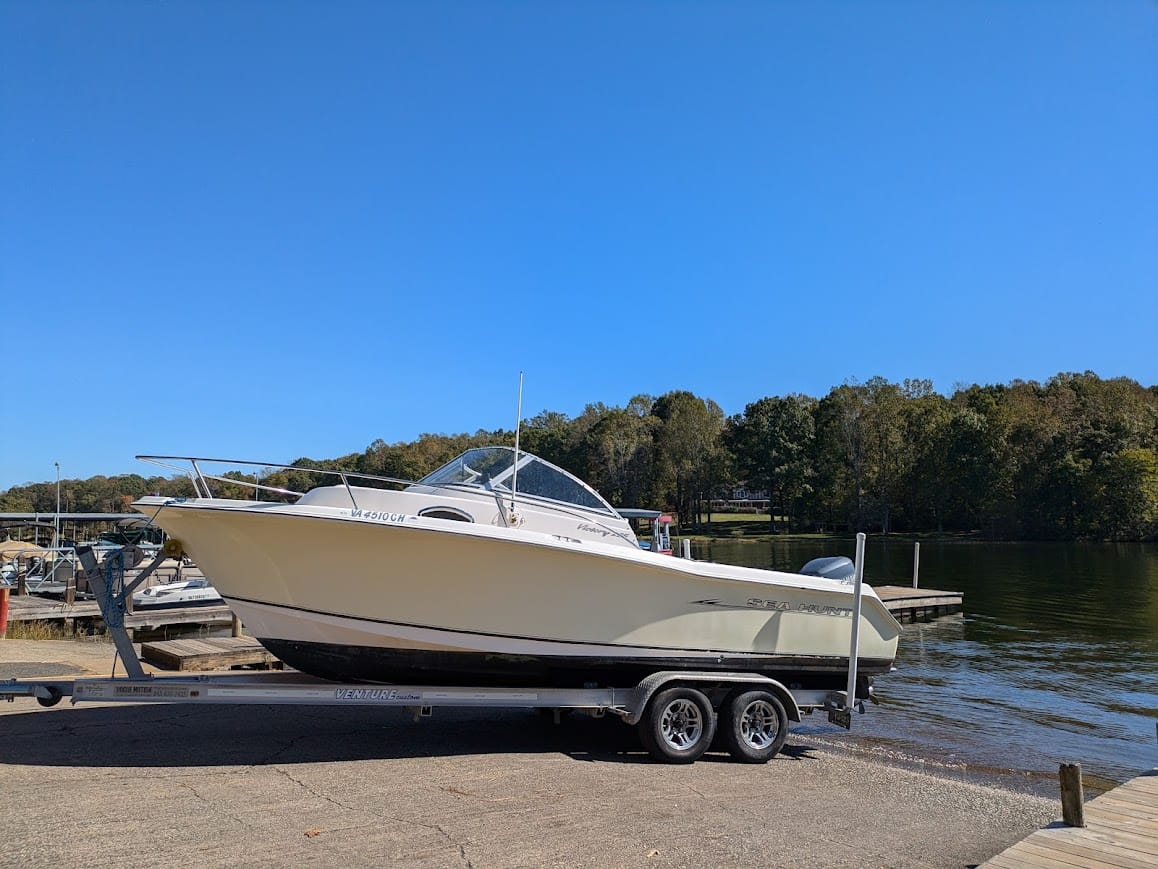
Trailer bunk guide posts are one of those simple upgrades that can make a dramatic difference in how easily (and safely) you load your boat. Whether you launch on a calm inland lake or deal with wind and current in tidal waters at a marina or a private boat dock for rent, these vertical guides help align your boat with the trailer and reduce stress at the ramp.
What Are Trailer Bunk Guide Posts?
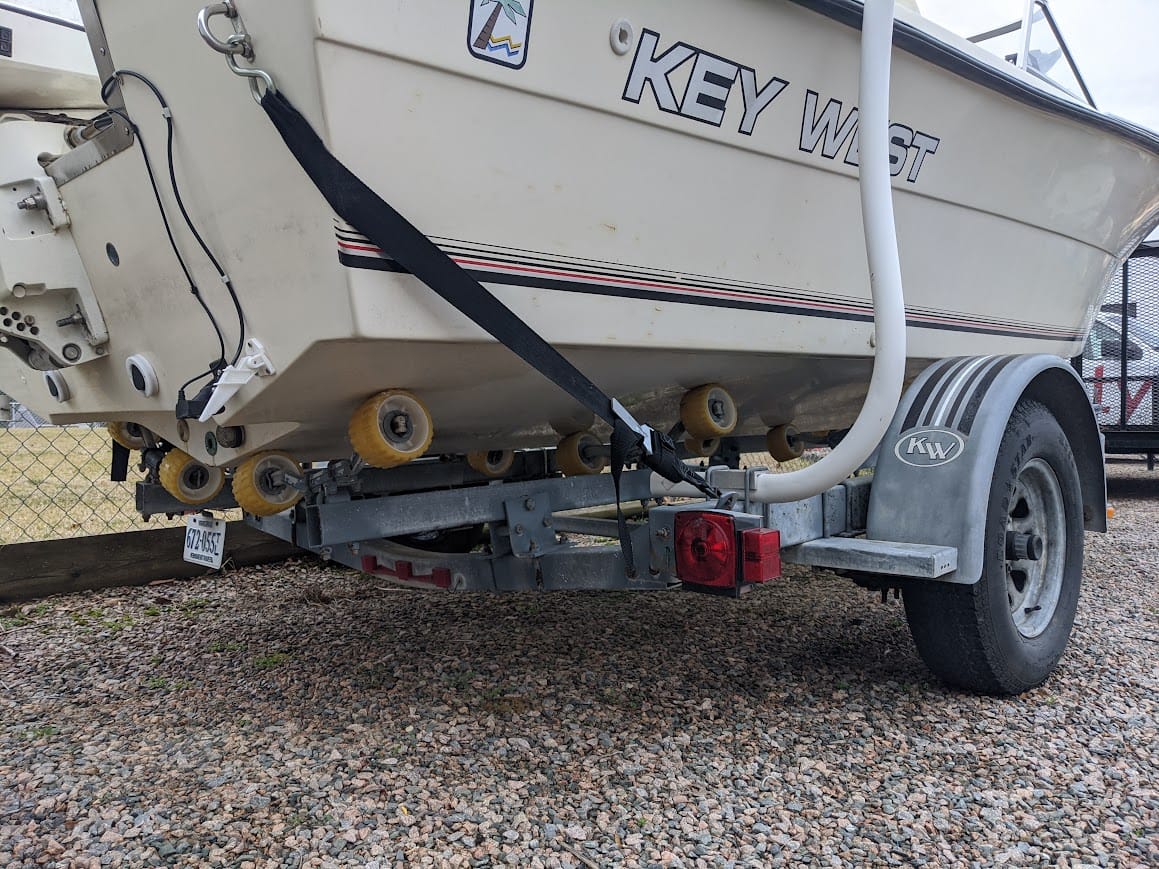
Trailer bunk guide posts are upright posts mounted at the rear sides of a boat trailer, typically attached near or just behind the trailer bunk boards. They are often made of galvanized steel or aluminum and covered with protective PVC sleeves. Many models are carpeted or padded to prevent scuffing the hull.
Unlike roller guides, which actively contact and roll against the boat, bunk guide posts act as visual and physical alignment aids, helping center the boat as it’s driven or winched onto the trailer.
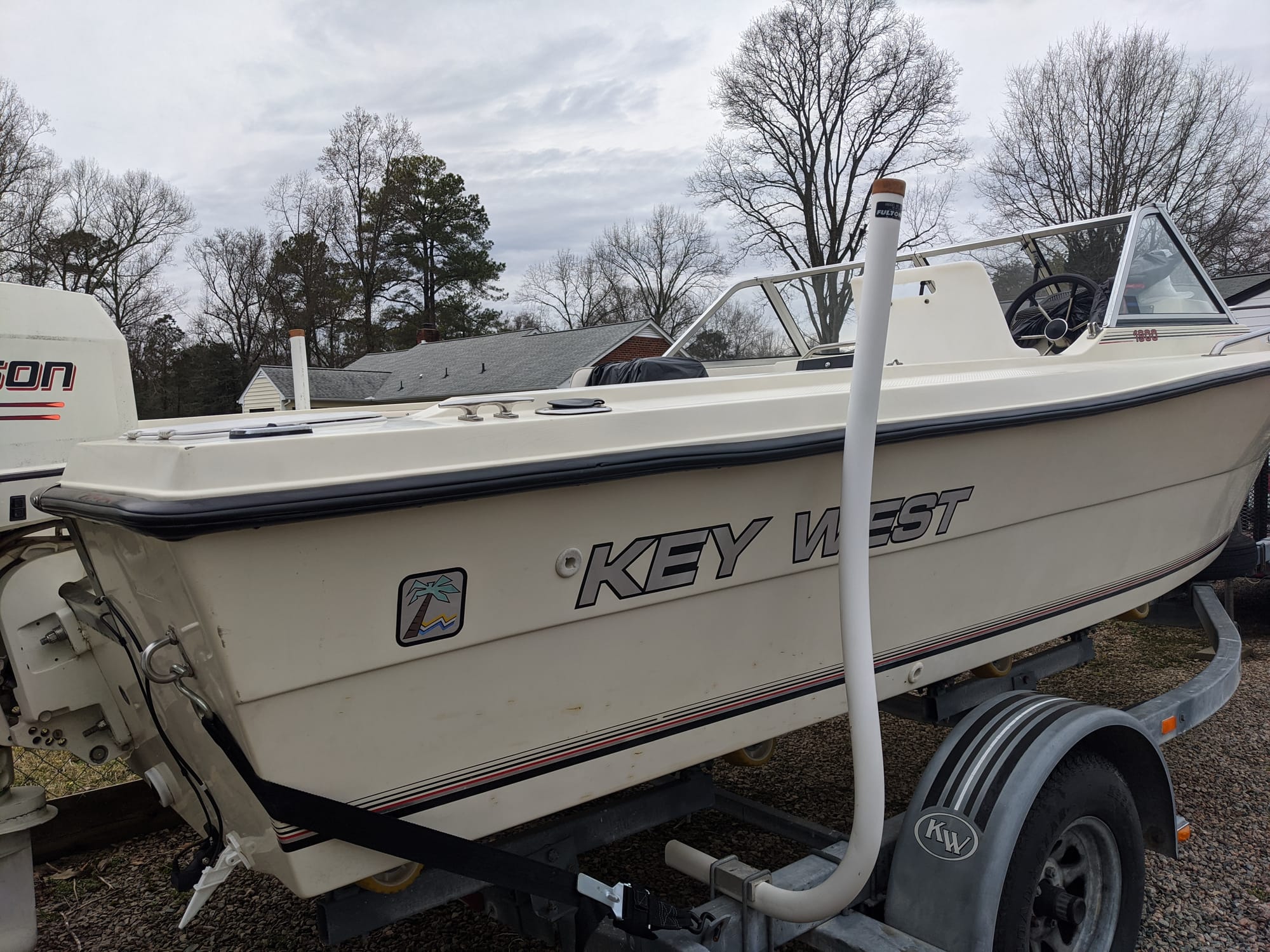
What are Trailer Bunks?
Trailer bunks are one of the most important (and often underappreciated) components of a boat trailer. Designed as long carpeted or synthetic-covered supports that run parallel to the hull, bunks cradle the boat during transport and play a critical role during launching and retrieval. In challenging conditions such as wind and current, properly adjusted trailer bunks can make the difference between a smooth load and a frustrating, even risky, experience.
How Trailer Bunk Guide Posts Work
As you approach the trailer during retrieval, the guide posts frame the correct path. If wind, current or operator error pushes the boat slightly off course, the posts provide a gentle boundary that nudges the hull back toward center. This is especially helpful when your trailer bunks are submerged and difficult to see at private boat slip rentals near me or the marina.
Once the boat is between the posts, the bunks take over, supporting the hull and guiding it into its final resting position.
Key Benefits
Easier Loading in Wind and Current
Crosswinds and moving water can quickly push a boat off alignment. Guide posts act as a funnel, helping keep the boat straight as you approach the trailer in the driveway or at private boat lift rentals.
Improved Visibility at the Ramp
When trailers are backed deep into the water, the bunks may be completely submerged. Guide posts extend above the waterline, giving you a clear visual reference for alignment.
Reduced Risk of Damage
Without guides, a misaligned boat can strike trailer fenders, crossmembers or even miss the bunks entirely. Guide posts help prevent hull scratches, gelcoat damage and bent hardware.
Better Solo Launching and Retrieval
If you frequently boat alone, guide posts make it much easier to line up the boat without assistance. They reduce the need to wade into the water or repeatedly reposition the trailer.
Helpful for New Boaters
For those still building confidence at the ramp, guide posts provide a margin of error and make the learning curve less steep.
Types of Guide Posts
Fixed Bunk Guide Posts
These are rigid, upright posts bolted directly to the trailer frame. They’re durable and provide consistent alignment support.
Adjustable Guide Posts
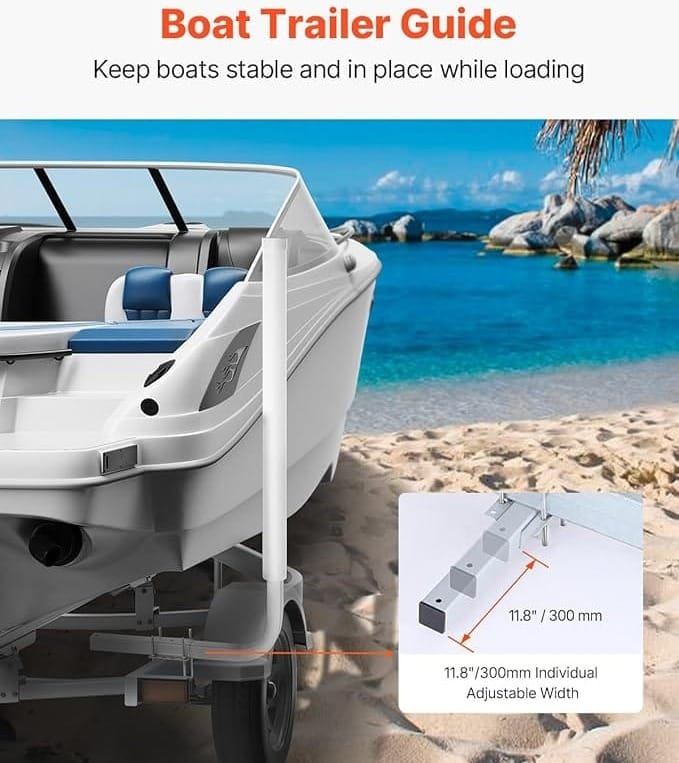
Adjustable models allow you to change height and width to better fit your boat’s beam and hull shape.
Lighted Guide Posts
Some posts include LED lights or reflective caps, improving visibility when launching or retrieving in low-light conditions.
Carpeted or Padded Guides
These offer extra protection where the boat may come into contact with the post, reducing the risk of scratches.
Materials and Construction
- Galvanized Steel: Strong and corrosion-resistant, ideal for both freshwater and saltwater use
- Aluminum: Lightweight and naturally corrosion-resistant, though sometimes less rugged than steel
- PVC Covers: Slide over the posts to provide a smooth, visible surface that won’t damage the hull
For saltwater environments, corrosion resistance is critical. Stainless hardware and properly coated materials will extend the life of your guide posts.
Installation and Setup Tips
- Positioning: Mount the posts so they sit just outside the widest part of your boat’s beam. They should guide, not squeeze, the hull.
- Height: Ensure the posts extend well above the waterline when the trailer is submerged.
- Alignment: Posts should be parallel to the trailer bunks for consistent guidance.
- Secure Mounting: Use U-bolts or brackets designed for your trailer frame size, and check tightness regularly.
Maintenance
Trailer bunk guide posts require minimal upkeep, but a little attention goes a long way:
- Rinse with fresh water after saltwater use
- Inspect for loose bolts or corrosion
- Replace worn carpet or cracked PVC covers
- Check alignment periodically, especially after long trips
Are They Worth It?
For most boaters, trailer bunk guide posts are a low-cost upgrade with high value. They simplify loading, protect your boat and trailer, and reduce frustration (especially in less-than-ideal conditions). Whether you’re a seasoned boater or just getting started, they’re one of the easiest ways to improve your time at the ramp.
Trailer bunk guide posts don’t just guide your boat—they guide you toward a smoother, safer and more enjoyable boating experience.