Liveaboard Life: Managing Crew Fatigue on Multi-Day Voyages

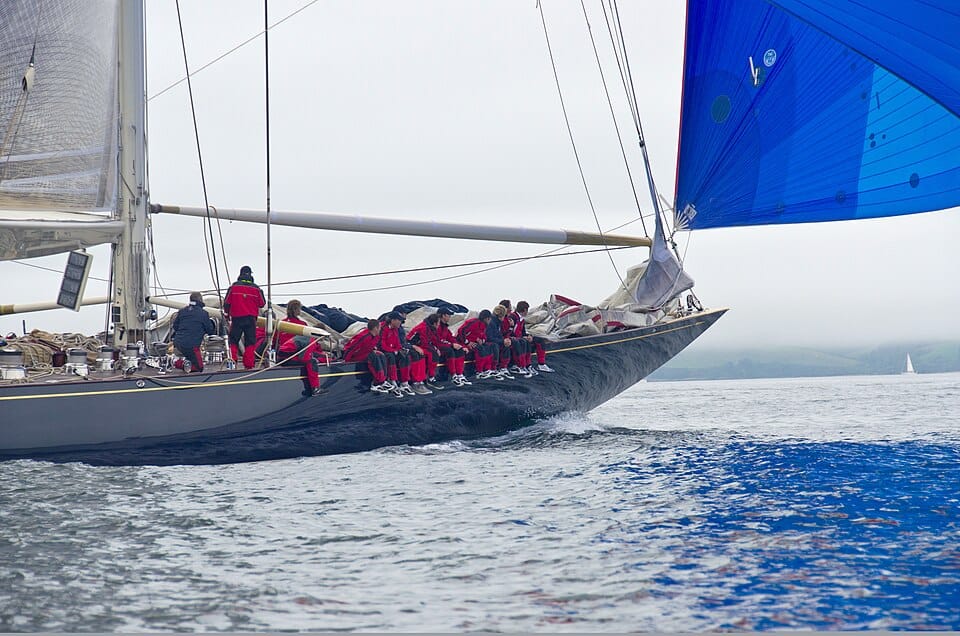
Managing crew fatigue on liveaboard sailing charters and multi-day boat voyages is essential for safety, efficiency and morale. Whether you’re cruising offshore, making a long coastal passage or living aboard for several days, fatigue can quietly erode judgment and reaction time if it isn’t addressed. Thoughtful planning, realistic expectations and good onboard habits go a long way toward keeping everyone safe, alert and capable, whether you’re cruising out from a marina or boat slips for rent near me.
Why Crew Fatigue Is a Serious Risk
Fatigue affects decision-making, situational awareness and coordination—often in ways the tired person doesn’t even recognize. On a boat, this can lead to missed navigation cues, poor lookout practices, slower responses to hazards and increased risk during docking, night passages or bad weather. Over multiple days, lack of quality rest can compound quickly.

Plan a Realistic Watch Schedule
A well-structured watch system is the foundation of fatigue management. For short-handed crews, common schedules include rotating 3–4 hour watches or a “4 on, 8 off” system when conditions allow. The key is consistency and fairness. Rotations should distribute night watches evenly and allow each crew member a chance for uninterrupted sleep. Avoid frequent schedule changes, which disrupt rest cycles.
Prioritize Quality Sleep
Sleeping aboard a boat is different from sleeping at home, so extra effort is required. Encourage off-watch crew to sleep whenever conditions permit, even during the day. Reduce noise and light in sleeping areas, secure loose gear that may rattle and ensure bunks are comfortable and well-ventilated. Earplugs and eye masks can be surprisingly effective tools on passage.

Share the Workload
Fatigue often builds when the same people handle the most demanding tasks. Rotate responsibilities such as helming in rough seas, navigating, cooking and maintenance checks. Spreading physical and mental workloads helps prevent burnout and keeps skills sharp across the crew. Before you head out from the marina or private boat dock rentals, set up a workload plan and schedule.
Stay Fueled and Hydrated
Dehydration and poor nutrition accelerate fatigue. Encourage regular water intake and plan meals that are easy to digest but energy-rich. Small, frequent meals often work better than heavy ones, especially in rough conditions. Snacks with protein and complex carbohydrates can help maintain steady energy levels during long watches.
Manage Stress and Seasickness
Stress and seasickness drain energy quickly. Open communication helps. The crew should feel comfortable speaking up if they’re struggling or overtired. Address seasickness early with medication, fresh air and light duties. A crew member who rests early often recovers faster than one who tries to “push through.”
Use Technology Wisely
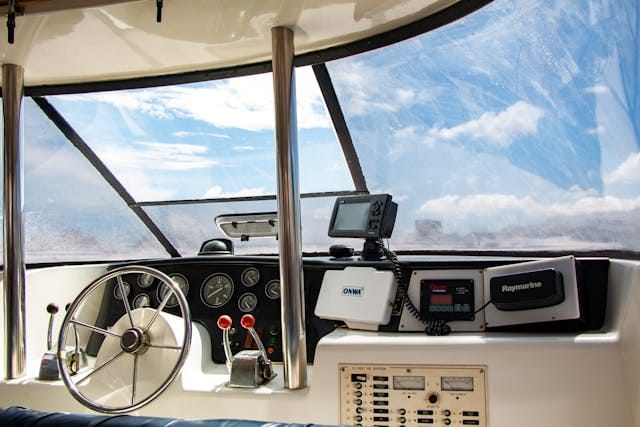
Autopilots, alarms and electronic navigation aids can reduce workload, but they should never replace an alert human watch. Use technology to support rest—not to justify skipping it. Radar and AIS alarms, for example, can add an extra layer of awareness while allowing brief mental breaks.
Watch for Warning Signs
Yawning, irritability, slowed reactions, poor communication and fixation on minor tasks are common signs of fatigue when you’re out on the water and away from private boat lifts for rent and marinas. Skippers should monitor the crew and be willing to adjust plans, shorten passages or slow down if needed. There’s no shame in heaving-to or diverting to allow proper rest.
Build a Culture of Rest and Safety
Managing fatigue works best when it’s treated as a shared responsibility. Set expectations before departure, explain the watch system and emphasize that rest is part of the job, not a luxury. A well-rested crew is safer, more confident and far more likely to enjoy the voyage and return back to private boat slip rentals and marinas.
On multi-day boat voyages, fatigue management isn’t about toughness or endurance, It's about smart seamanship. By planning ahead, encouraging rest and staying attentive to crew well-being, you greatly reduce risk and create a safer and more successful passage for everyone aboard.