Mechanical Wind Vanes: Design, Function and Real-World Performance

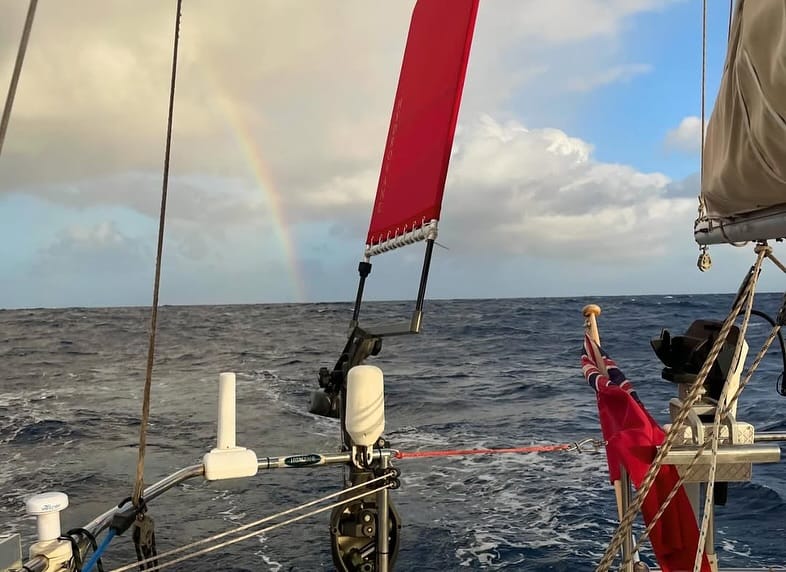
Mechanical wind vanes are elegant, self-powered steering systems that have guided sailing vessels across oceans for decades. Favored by both long-distance cruisers and purists, they combine simple physics with clever engineering to provide reliable, energy-free self-steering.
Understanding their design, function and performance helps explain why these devices remain relevant even in the age of advanced electronics. Keep reading to pick up some wind vane pointers before you head out from your private boat dock rental or marina.
Design and Components
A mechanical wind vane system typically consists of three main elements:
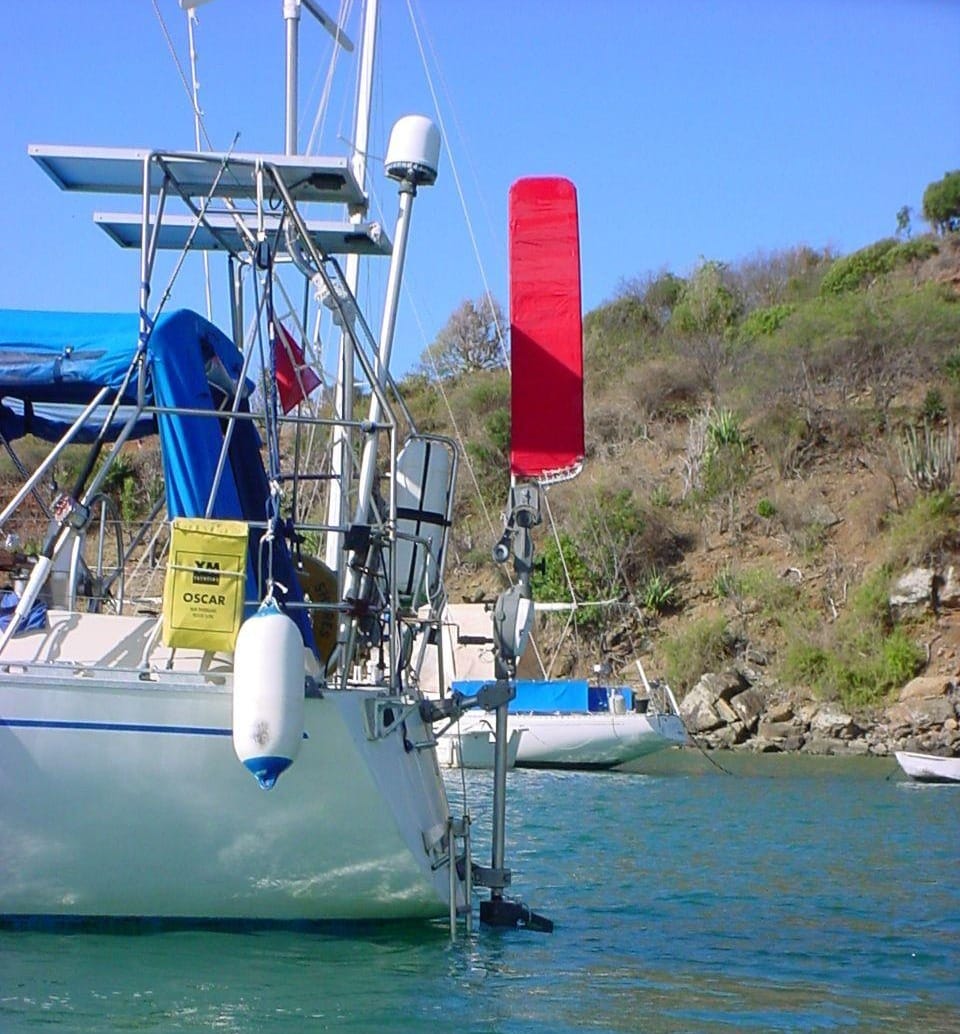
- The wind vane itself is a vertical airfoil mounted high on the stern where it senses clean and undisturbed airflow. Its job is to detect changes in the boat’s apparent wind angle.
- Below the vane, the transmission mechanism is a mechanical linkage (using gears, levers, pendulums or lines) that translates the vane’s movement into steering input.
- The steering element is in the water.
Most common designs fall into two categories:
- Servo-pendulum vanes use a vertical blade in the water that swings as the wind vane moves, amplifying small wind changes into strong steering forces.
- Auxiliary rudder systems use a dedicated rudder controlled directly by the vane.
Materials are chosen for strength, corrosion resistance and light weight. Aluminum alloys and stainless steel dominate structural components, while vanes are often made from lightweight composites or marine plywood. Since these systems may operate continuously for weeks at sea while away from a local marina or private boat lift rental near me, good design emphasizes low friction, balance and durability.
How Mechanical Wind Vanes Work
Mechanical wind vanes steer the boat relative to the wind rather than to a compass heading. The sailor trims the sails for a desired point of sail, then sets the vane to that apparent wind angle. As long as wind and sail balance remain consistent, the boat will hold course.
When the boat deviates—due to either waves, gusts or current—the apparent wind angle changes. The wind vane senses this change and tilts. That tilt is mechanically transmitted to the underwater steering element, which applies corrective force to bring the boat back on course. Once the correct angle is restored, the system returns to neutral.
The brilliance of servo-pendulum systems lies in power amplification. The wind vane itself moves only slightly, but the water flow over the submerged blade generates significant force, enough to steer even heavy displacement boats. This allows the vane to remain light and sensitive while still delivering strong control.
Performance Under Sail
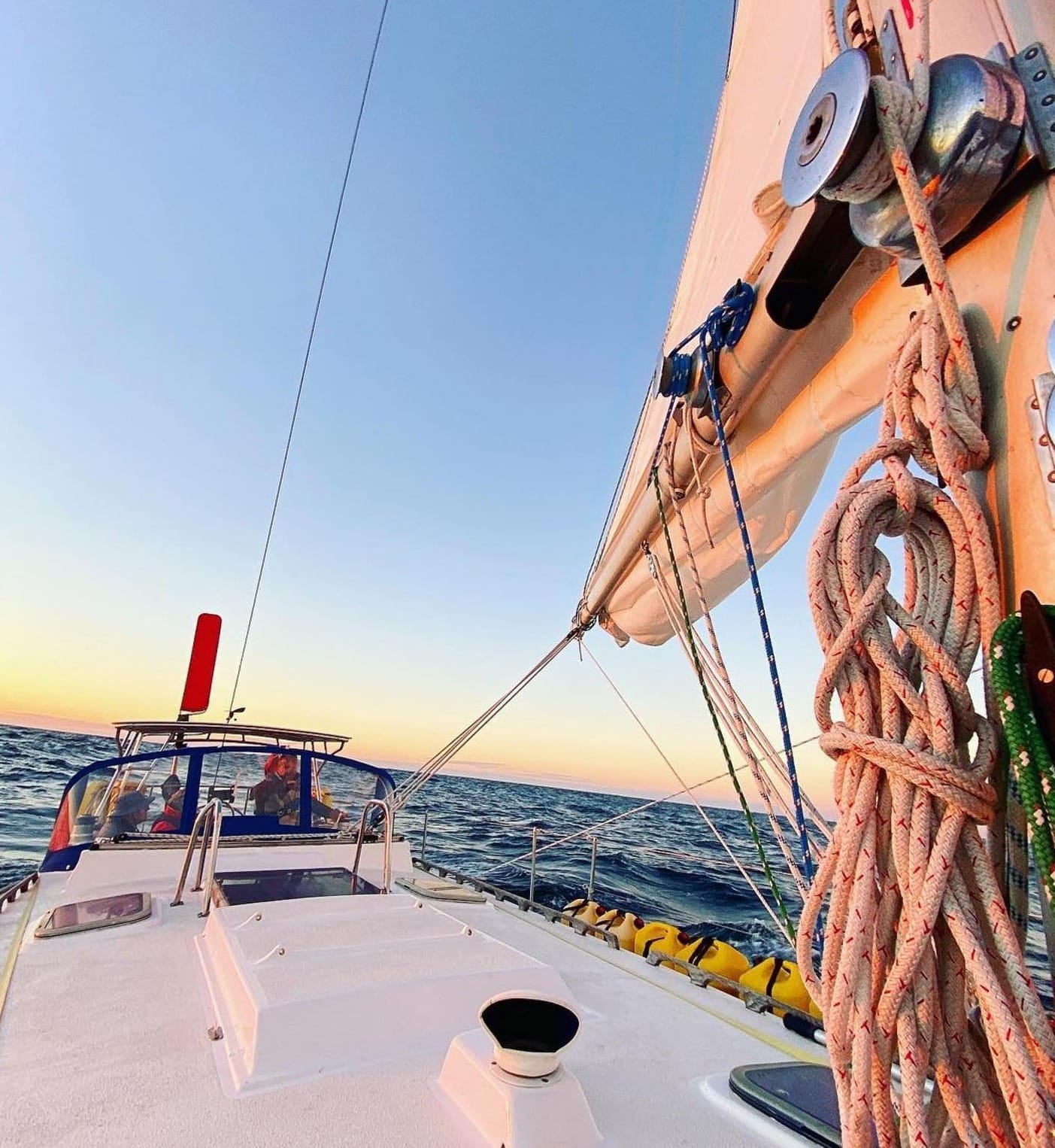
In their ideal environment—steady winds and ocean swells—mechanical wind vanes excel. They react instantly to changes in wind angle and often steer more smoothly than electronic autopilots, especially in following seas. Because they steer by wind feedback rather than compass corrections, they naturally anticipate changes caused by waves, reducing yaw and sail strain.
Once you’ve cruised out from a marina or private boat slip for rent near me and hit the high seas, sailing performance improves as wind strength increases. More wind means more authority at the vane and more water flow over the steering blade. Depending on displacement and design, well-matched systems can handle boats from under 30 feet to well over 50 feet.
Performance, however, depends heavily on sail trim and balance. Poorly balanced sails force the vane to work harder and can overwhelm it in light air. In very light winds, there may not be enough airflow or boat speed for effective steering, and many sailors switch to an electronic autopilot during these conditions.
Advantages and Limitations
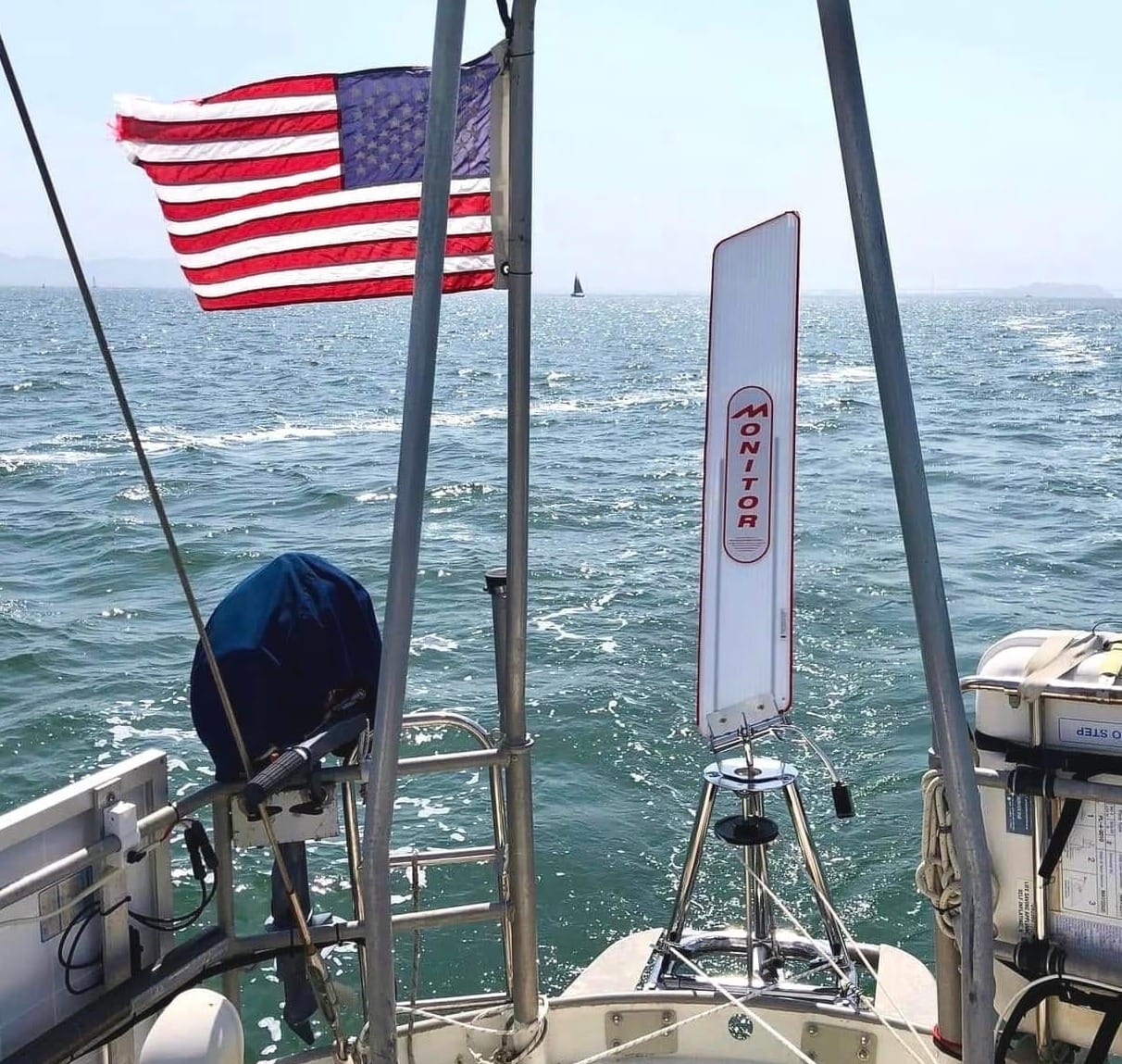
The greatest advantage of mechanical wind vanes is independence from electrical power. For offshore sailors, this reduces energy consumption, system complexity and failure points. Wind vanes are also extremely reliable. With few moving parts and no electronics, failures are rare and often repairable at sea without the need to return to your private boat lift rental or marina.
They are, however, not universal solutions. Wind vanes do not work well under power alone, struggle in highly variable or swirling winds and require stern mounting space that may conflict with swim platforms or boarding ladders. Installation and tuning also demand careful setup to achieve optimal performance.
Mechanical wind vanes represent a marriage of simplicity and sophistication. Their thoughtful design harnesses natural forces to deliver dependable, efficient steering over vast distances. While not a replacement for every situation, they remain one of the most trusted tools for bluewater sailors who value reliability, self-sufficiency and the quiet satisfaction of crossing oceans steered by nothing more than wind and water.