Mechanical Wind Vanes vs. Autopilots: Which is Better for Long Passages?

For sailors planning long-distance ocean passages, one of the most important decisions is how to reliably steer the boat when you’re not at the helm. Two primary self-steering options dominate the ocean cruising world: mechanical wind vanes and electronic autopilot systems.
Both technologies have proven themselves over decades of use, but they work very differently and each has distinct advantages and limitations. Understanding those differences will help you choose the best system for your boat, your passage style and your priorities whenever you leave your marina or private boat dock rental.
How Does Each Type Work?
Mechanical Wind Vanes
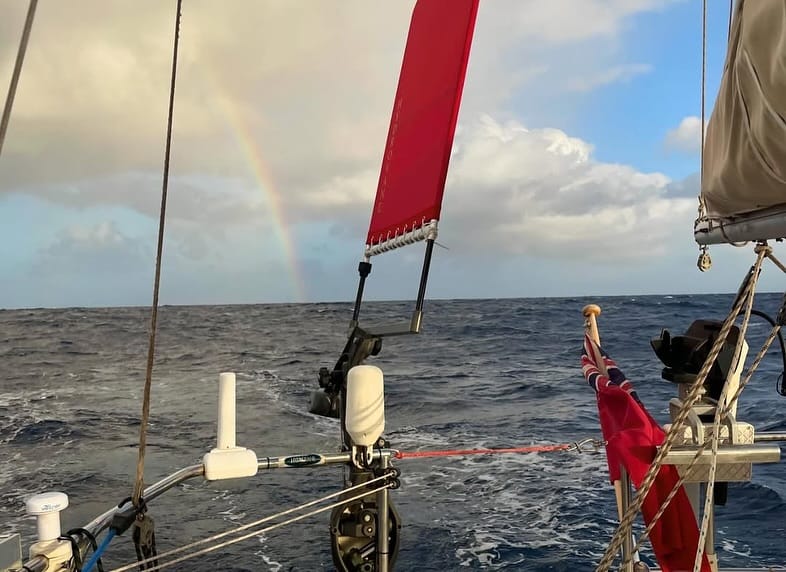
Mechanical wind vanes are purely wind-powered steering devices mounted on the stern. A small vane senses wind direction and, through a series of linkages, hydraulics or servo pendulum action, adjusts the rudder to steer the boat on a set angle to the wind. There is no electrical input or electronic control — everything is done with the power of the wind and water.
Electronic Autopilots
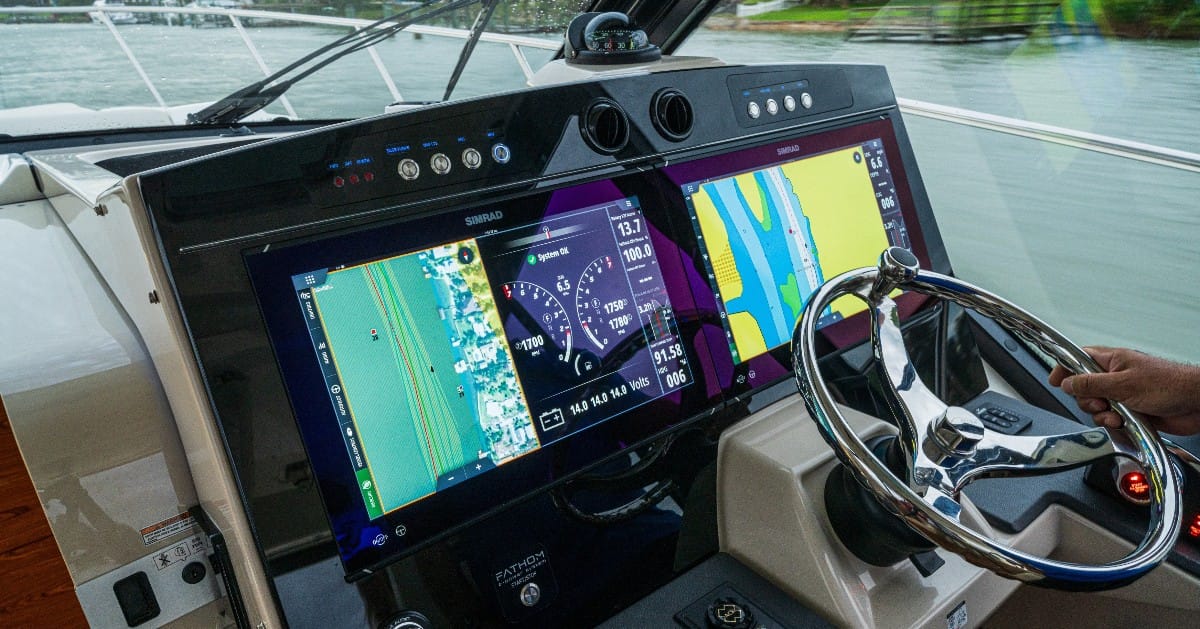
Autopilots use an electronic control head, compass or GPS sensor, and an electric or hydraulic drive to steer the boat according to a chosen course. They maintain a heading relative to magnetic or true compass direction, GPS track or waypoints programmed into chartplotters.
Reliability
Wind Vanes
- Extremely reliable and simple—very few parts can fail at sea
- No dependence on electrical power, a major advantage on long passages when conserving energy is critical
- Can often be repaired with basic spares and tools either on the water, at the marina or docked at a private boat lift for rent
- Many vendors have proven designs that have crossed oceans for decades
Autopilots
- Reliable when properly installed and backed up, but dependent on electrical power or a hydraulic system driven by an engine
- Electrical failures, sensor errors or drive motor overheating can occur, especially under heavy sea conditions
- Requires more technical knowledge to diagnose and repair
Winner (Reliability): Wind vane — especially for extended offshore passages where power is precious
Power Consumption
Wind Vanes
- Consume zero electrical energy
- Free up house battery capacity for navigation lights, instruments, refrigeration and communications
- No drag on charging systems
Autopilots
- Can be a major electrical load, especially on long passages with frequent large course corrections
- May require a dedicated alternator, wind generator or solar array to keep batteries charged
Winner (Energy Efficiency): Wind vane — hands down
Steering Performance and Comfort
Wind Vanes
- Typically excel on reaching and broad reaching points of sail where wind angle and boat motion are predictable
- Modern servo pendulum designs can handle mixed sea states well and provide very smooth steering
- Some designs struggle on close-hauled courses or light winds
Autopilots
- Can steer any heading regardless of wind direction
- Excellent for beating upwind, intricate waypoint work and harbor entries
- Provide consistent course holding over GPS tracks
Winner (All-Around Steering Flexibility): Autopilot — better on tight compass courses and upwind runs
Sea Conditions and Handling
Wind Vanes
- Excellent in a wide range of ocean conditions, and many sailors feel they “read” the sea better than electronics, reacting intuitively to waves and wind shifts
- Less prone to “hunting” or over-correcting
Autopilots
- Can struggle in big seas or confused conditions, especially if boat motion causes sensor errors or if the drive system overloads
- Advanced autopilots with rate sensors and heading compasses handle rough conditions much better — but at added cost
Cost, Installation, and Complexity
Wind Vanes
- Initial cost can be high, but installation is typically straightforward (often DIY with common tools)
- Minimal maintenance once installed, which can be done on land, at the marina or at a boat slip rental near me
Autopilots
- Lower entry price on small boats, but full offshore-worthy systems (with hydraulic drives and redundant compasses) can be expensive
- Requires careful installation: drive units, sensors, wiring and sometimes a dedicated helm pump
Redundancy: Can You Have Both?
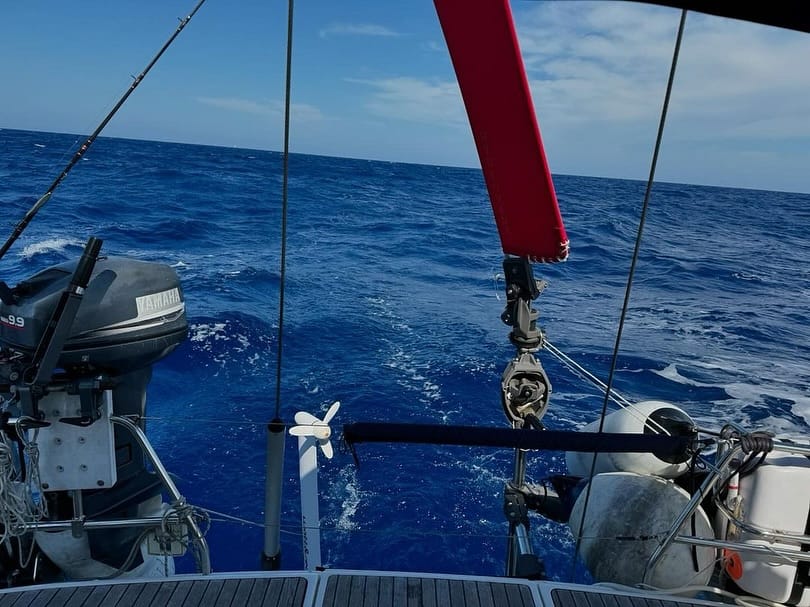
Many serious cruisers choose both systems for redundancy and flexibility:
- Use the wind vane for energy-free, reliable steering offshore.
- Use the autopilot for tight navigation, harbor work or heavy upwind legs.
This dual setup offers the best of both worlds, though it increases cost and maintenance.
What Cruisers Actually Choose
For the longest bluewater passages, veteran cruisers often prefer wind vanes as the primary self-steering tool because of their:
- Dependability
- Lack of electrical draw
- Proven track record on crossing after crossing
Autopilots are incredibly useful and often essential on larger, heavier boats or where wind angles and weather patterns vary frequently — especially if energy resources are abundant.
Best for long, downwind or reaching passages: Wind vane
Best for upwind work, waypoints, and precision steering: Autopilot
Best overall strategy: Have both if you can afford and install them.
Wind Vane Models
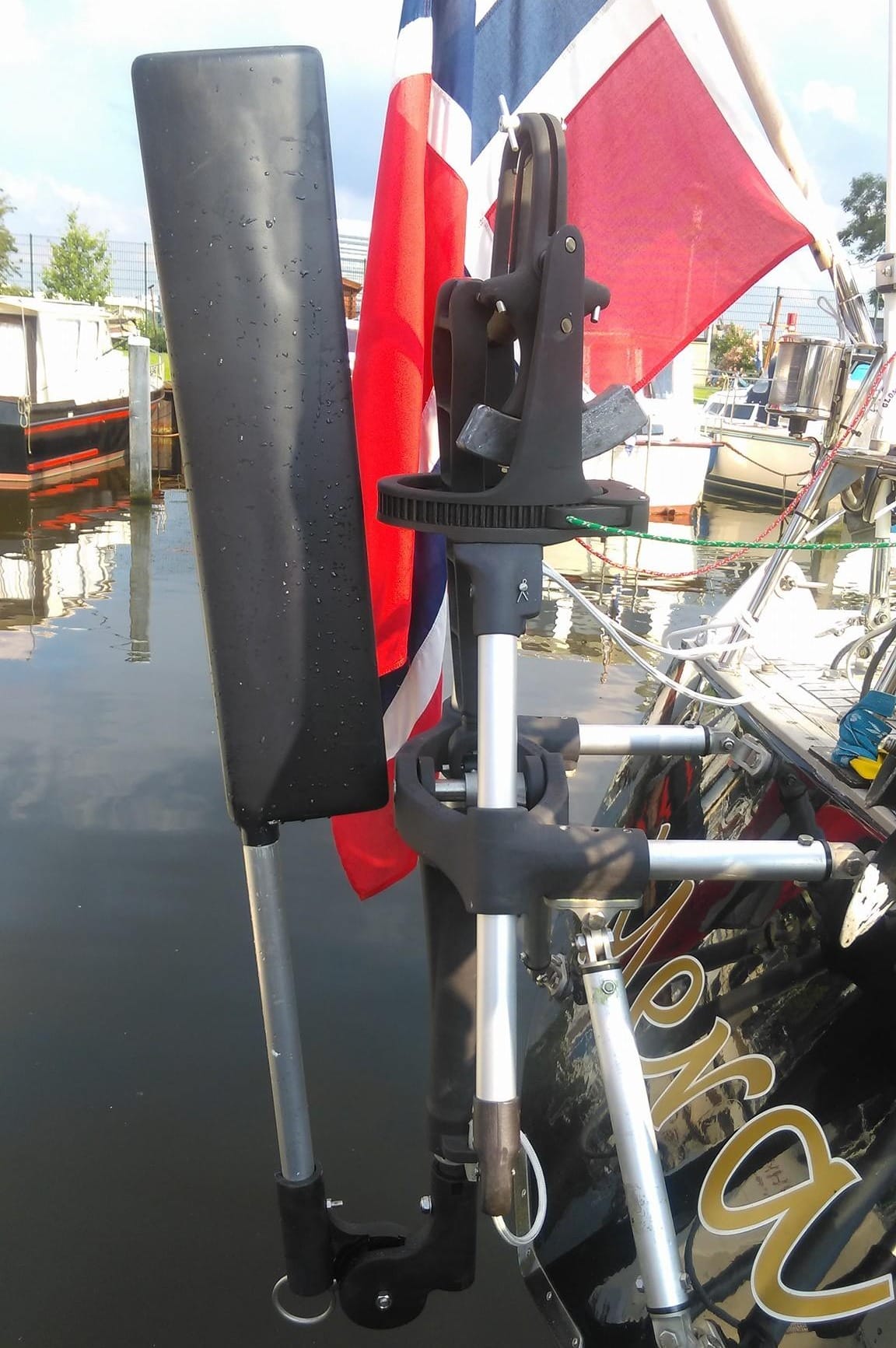
Mechanical Wind Vane Models
Mechanical vanes cost more upfront than a simple autopilot controller, but they consume no electricity, are inherently reliable and many sailors consider them indispensable for long ocean crossings.
1. Hydrovane
- A direct-drive wind vane with its own auxiliary rudder — meaning it can also work as an emergency steering system.
- Known for robust performance in a wide range of conditions and very popular for true offshore passagemaking.
- Suitable for boats ~20ft up to large bluewater cruisers.
2. Aries Vane Gear
- Classic servo-pendulum wind vane design with a long track record of circumnavigations and offshore miles.
- Renowned for reliability and simplicity.
3. South Atlantic Series (e.g., S-440, S-500, S-600)
- A range of windvanes sized for different boat lengths and displacement.
- The S-600 model also doubles as self-steering and emergency rudder for bigger boats.
4. Monitor Windvane (Classic Design)
- One of the original servo-pendulum systems widely used in North America – still popular among traditional cruiser circles (often found second-hand or refurbished)
5. CapHorn Windvane
- A modern servo-pendulum vane designed to minimize cockpit clutter and adapt to various transom shapes
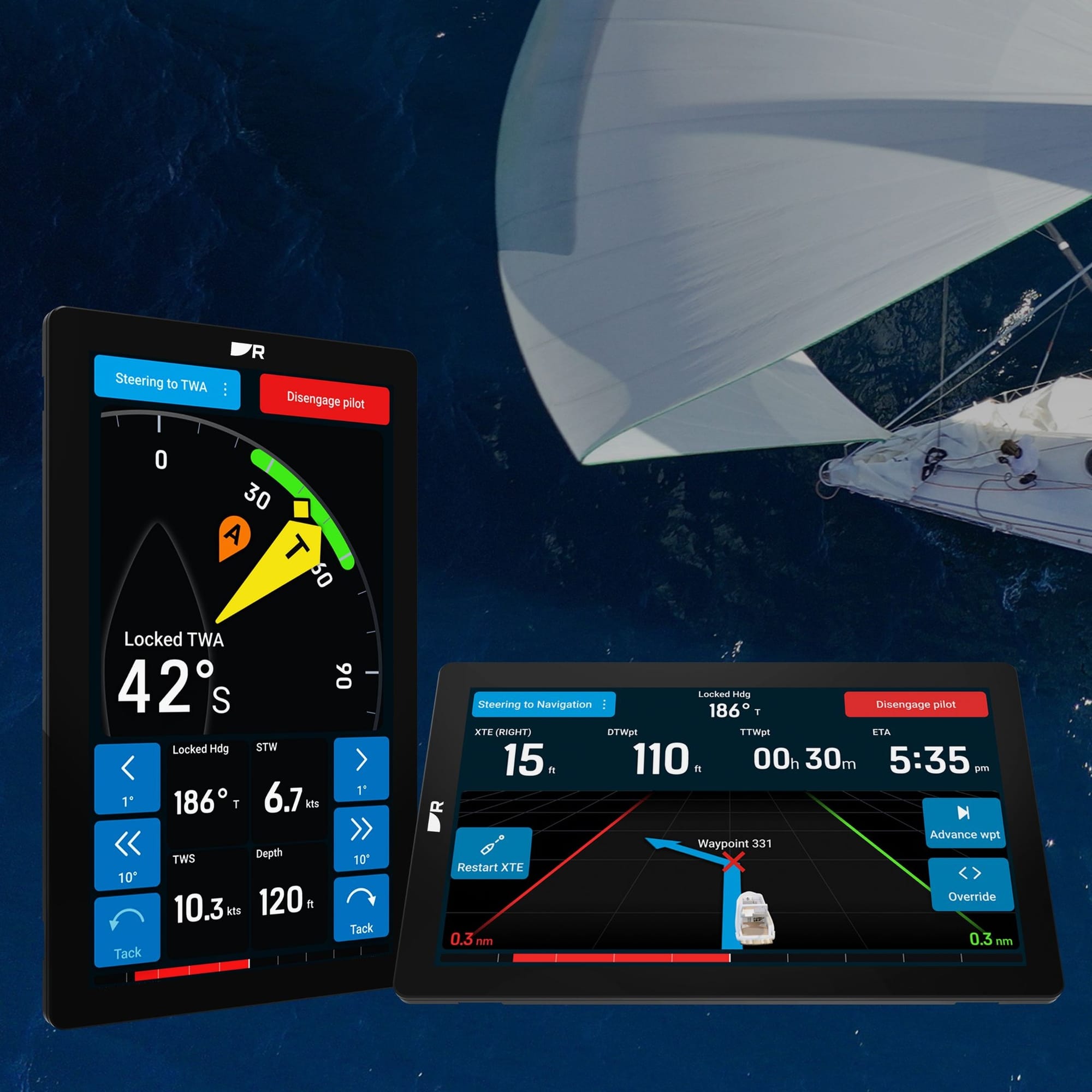
Electronic Autopilots (Best for Precision and Variable Courses)
Electronic autopilots steer based on compass, GPS or route following and are excellent when you need to hold an exact magnetic heading, navigate waypoints or motor out from the marina or private boat slip for rent near me. They do depend on electrical power, so you’ll want a good battery and charging setup for extended offshore use.
1. Raymarine Evolution Series
- Includes models like EV-100, EV-200, EV-300/400 — wheel or below-deck drives for sailboats of various sizes
- Combines 9-axis sensors and smart steering algorithms
- Often praised for smooth, stable course keeping
2. Garmin Reactor Autopilots
- Reactor 40 paired with GHC control displays is a powerful option with adaptive steering algorithms and integration into Garmin marine systems
- Includes features like Shadow Drive (instant manual override)
3. B&G / Simrad Autopilots (NAC-2 / NAC-3 corepacks)
- Sail-specific autopilots with strong integrations into wind and navigation instruments
- Excellent choice on larger offshore cruising yachts seeking integrated performance
4. Tiller and Wheel Pilots (e.g., Raymarine ST1000, Simrad TP22/TP32)
- Lower-cost, simpler options for smaller boats, coastal cruising or as backup autopilots on larger boats (often used in conjunction with below-deck systems)
5. Garmin GHP Reactor Series (with GHC20/50 displays)
- Full autopilot packages that can integrate with chartplotters and multi-function displays, offering robust control and feedback