Mechanical Wind Vanes vs. Electronic Steering: Pros and Cons

Self-steering systems allow sailboats to maintain a course without constant manual helm input. Two of the most common technologies used for this purpose are mechanical wind vane steering systems and electronic autopilots (electronic steering). Each approach offers distinct advantages and drawbacks depending on the type of sailing being undertaken, whether it’s coastal cruising, offshore passagemaking or racing.
The two main technologies, mechanical wind vane steering systems and electronic autopilots, achieve the same goal in very different ways. Wind vanes harness the wind itself to control the boat’s rudder, while electronic autopilots use sensors, computers and motors to maintain a set course.
Understanding the differences between these systems can help sailors choose the right equipment for their boat and sailing environment before they leave marinas or private boat dock rentals.
Mechanical Wind Vane Steering Systems
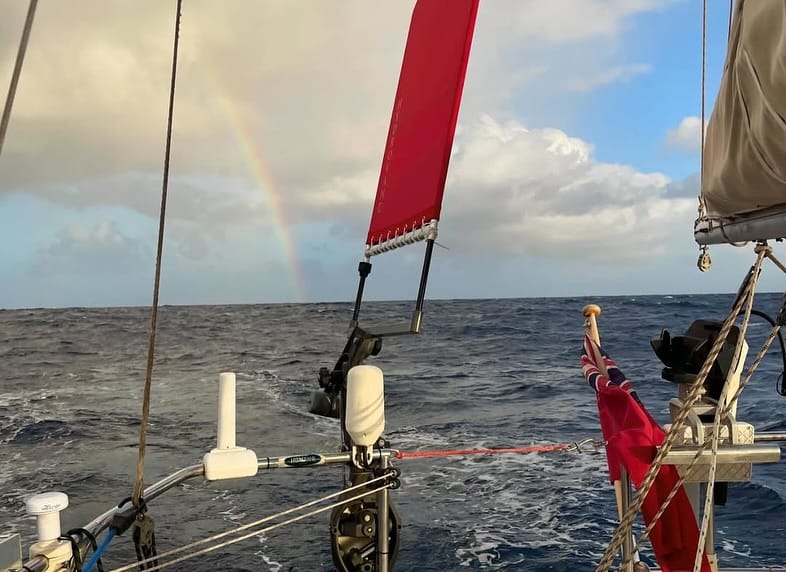
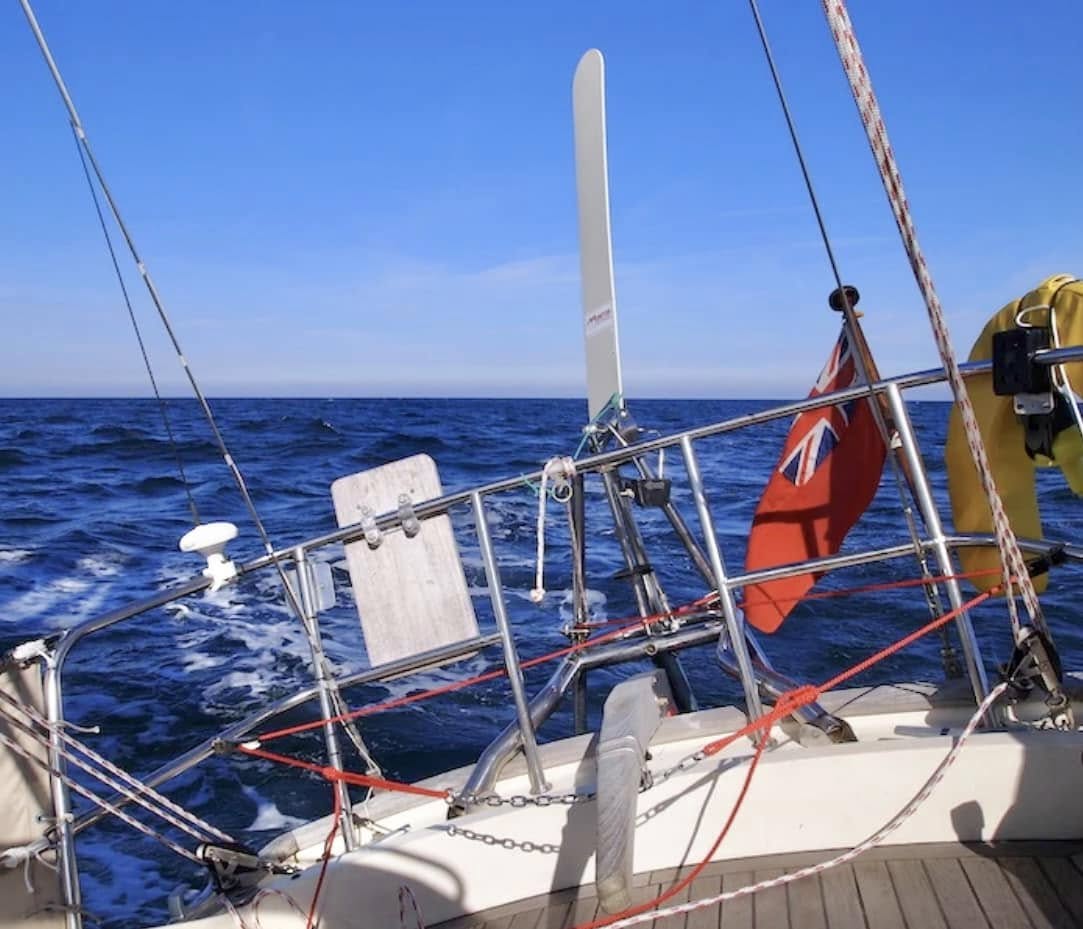
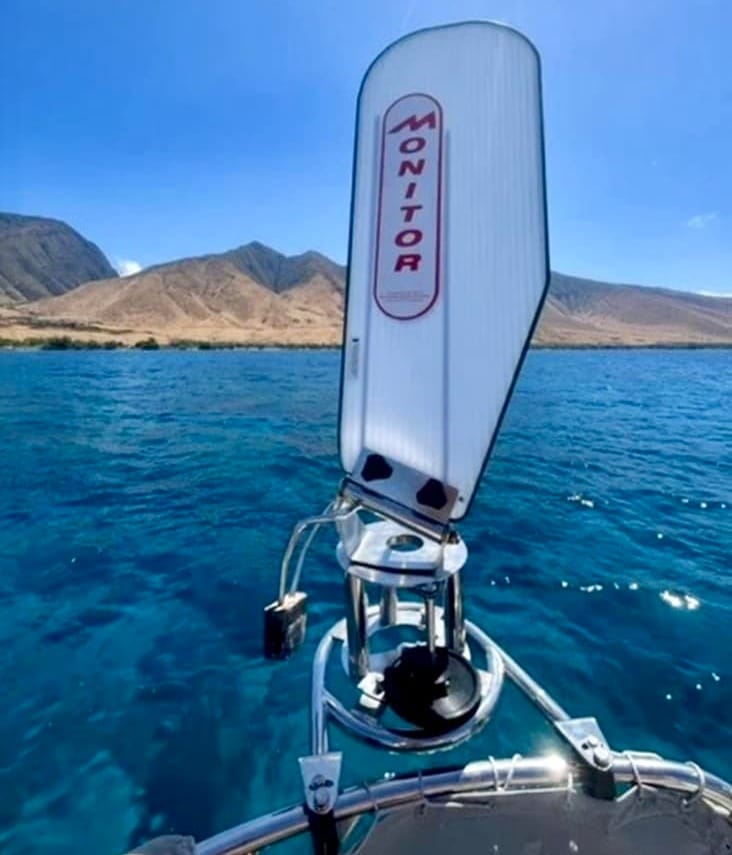
Mechanical wind vanes are purely mechanical self-steering devices typically mounted at the stern of a sailboat. They work by sensing changes in the apparent wind angle. When the wind direction shifts relative to the boat, the vane moves and activates a linkage that adjusts the rudder, bringing the vessel back to the correct angle to the wind.
These systems require no electrical power and have been widely used on long-distance cruising yachts for decades.
Advantages of Mechanical Wind Vanes
1. Zero Electrical Power Consumption
One of the most significant advantages is that wind vane systems operate entirely without electricity. This is especially valuable during offshore passages where energy must be conserved for navigation instruments, communications equipment, and lighting.
2. High Reliability
Mechanical systems are generally simpler and less prone to catastrophic failure than electronic equipment. When problems occur, they are often easier to diagnose and repair using basic tools.
3. Excellent Performance Under Sail
Wind vanes steer according to wind direction rather than a compass heading. This means they naturally adjust the boat as wind shifts, often maintaining better sail trim and efficiency while sailing.
4. Silent Operation
Because they rely on mechanical linkages rather than motors, wind vanes operate almost silently. This can improve comfort during long passages.
5. Durability and Long Service Life
Many wind vane systems are built with robust metal components and can function reliably for decades with proper maintenance.
6. Potential Emergency Steering Capability
Some designs include an auxiliary rudder, which can serve as a backup steering system if the primary rudder fails. This is an important safety feature offshore.
Disadvantages of Mechanical Wind Vanes
1. Dependence on Wind
Wind vanes only work when the sails are drawing and there is sufficient wind. They are ineffective while motoring or in calm conditions.
2. Limited Accuracy in Light or Variable Winds
In very light winds or highly variable conditions, wind vane steering can struggle to maintain a consistent course.
3. Installation Complexity
Installing a wind vane system can require structural mounting at the stern and careful tuning to match the boat’s sail balance.
4. Large External Hardware
Wind vanes are often bulky devices mounted on the stern. They may interfere with swim platforms, dinghy davits or other equipment.
5. Requires Proper Sail Trim
Wind vane steering works best when sails are balanced correctly. Poor sail trim can make the system less effective.
Electronic Autopilots
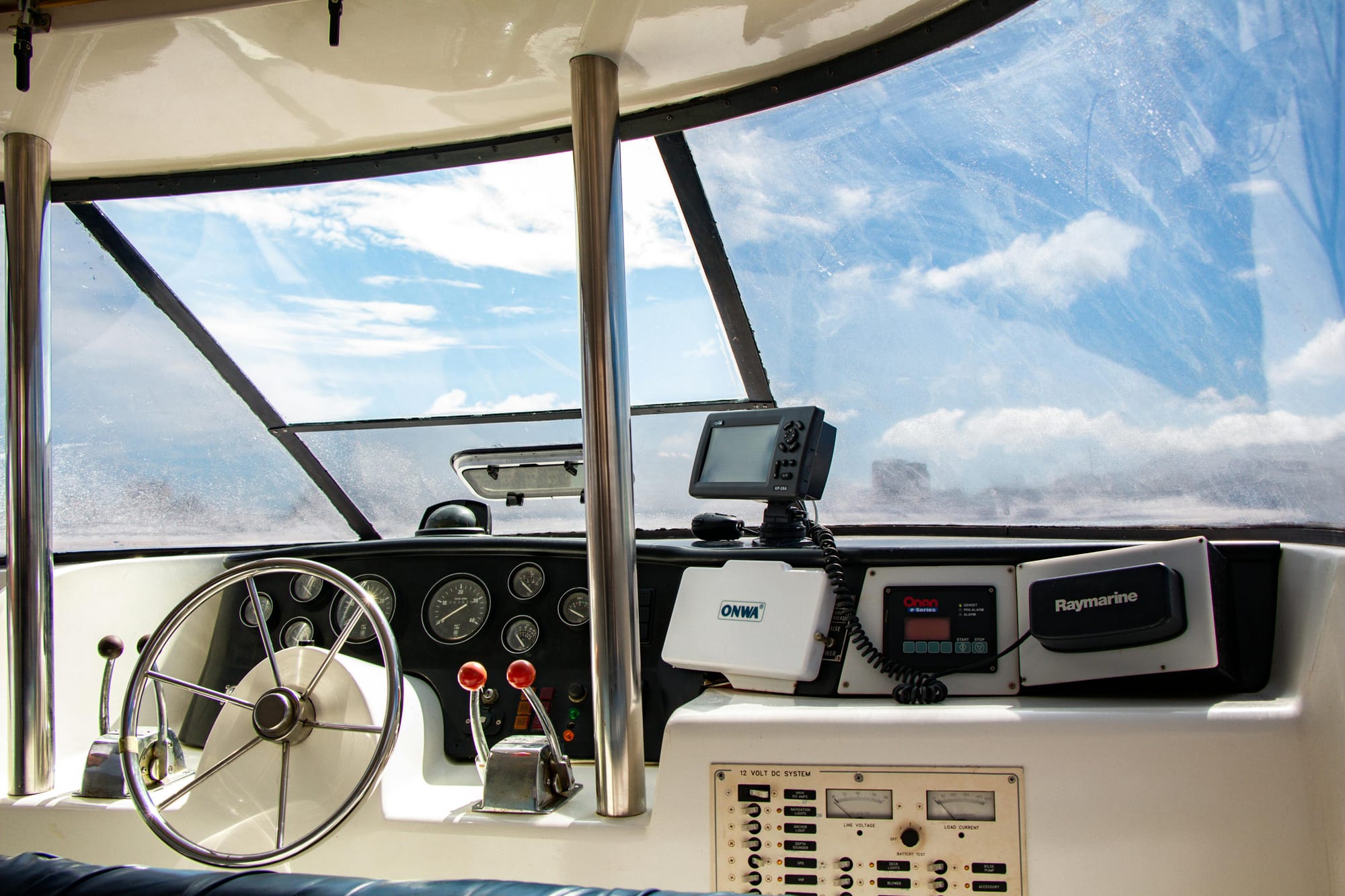
Electronic autopilots use sensors such as compasses, gyros and GPS receivers to maintain a selected heading from marinas or private boat slips for rent. A control computer interprets the data and sends commands to a motor or hydraulic ram that moves the rudder.
Modern autopilots can steer to compass headings, GPS waypoints, or even wind angles depending on the system.
Advantages of Electronic Autopilots
1. Precise Course Control
Electronic autopilots can maintain a very accurate heading and respond quickly to course deviations from marinas or private boat slips near me for rent using advanced sensors and algorithms.
2. Works Under Power
Unlike wind vanes, autopilots can steer the boat while motoring or when there is little wind.
3. Easy Operation
Most autopilots are activated with the push of a button and require little adjustment once engaged.
4. Integration with Navigation Systems
Modern autopilots can connect to GPS chartplotters, allowing the boat to automatically follow routes or steer to specific waypoints.
5. Flexible Steering Modes
Many units allow sailors to steer to compass headings, wind angles, or GPS tracks, making them versatile tools for coastal navigation.
Disadvantages of Electronic Autopilots
1. High Power Consumption
Autopilots continuously draw electricity, which can significantly drain battery banks during long passages.
2. Mechanical and Electronic Complexity
Autopilots rely on motors, electronics and sensors, which can fail and may be difficult to repair without spare parts.
3. Noise
Many systems generate noticeable noise from electric motors or hydraulic pumps.
4. Reduced Efficiency Under Sail
Because they typically steer to a compass course rather than the wind, autopilots may require more sail adjustments and may steer less efficiently when wind shifts.
5. Wear on Steering Components
Constant mechanical force from an autopilot drive unit can place stress on rudder bearings and steering systems over time.
Which System Is Better?
The choice between mechanical wind vane steering and electronic autopilots depends largely on how and where a boat is used.
Wind vane systems tend to be favored by:
- Offshore cruisers
- Long-distance passagemakers
- Sailors seeking reliability and energy independence
Electronic autopilots are often preferred for:
- Coastal cruising
- Motoring and mixed sailing conditions
- Boats with complex navigation electronics
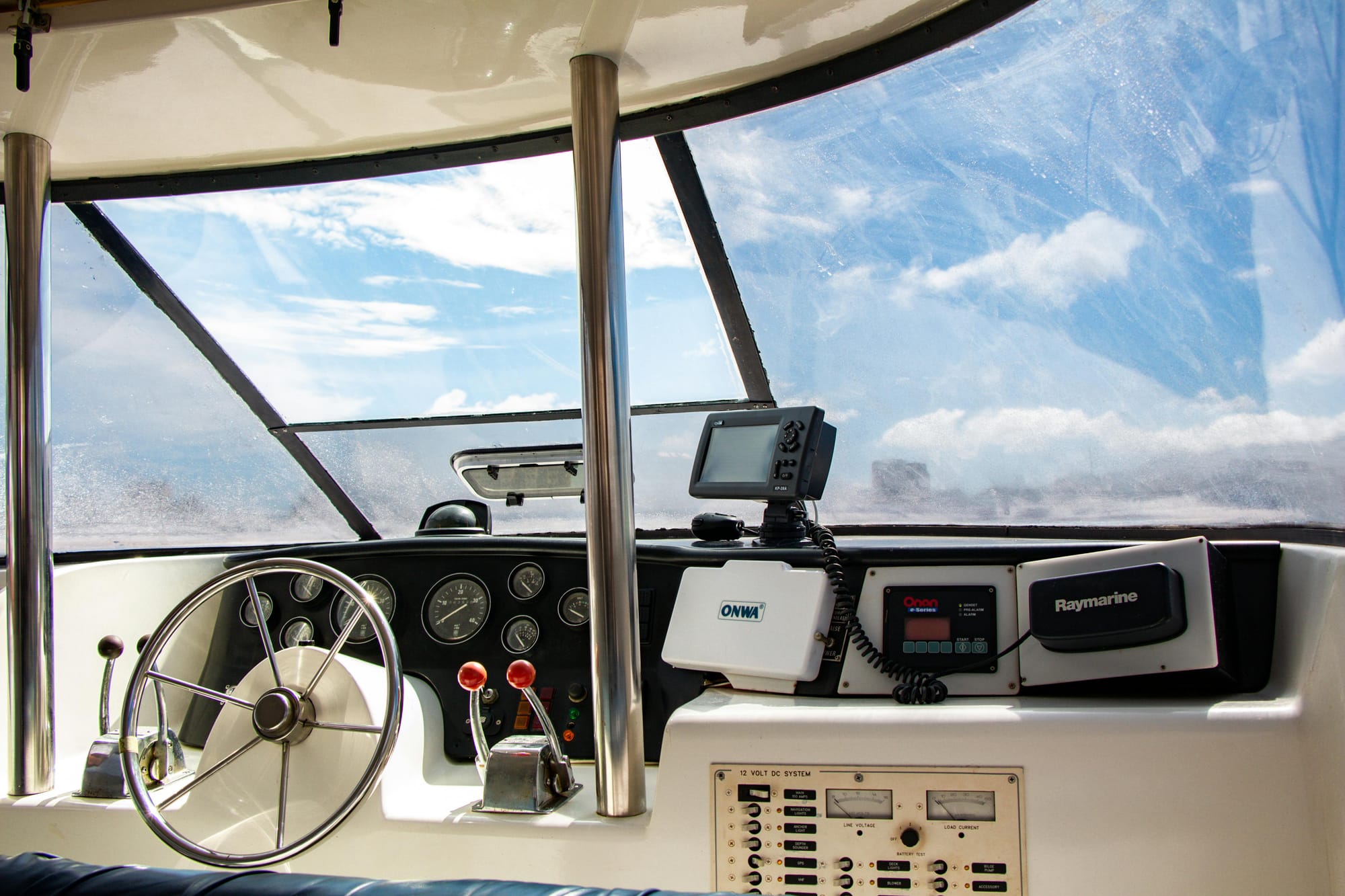
Many experienced offshore sailors actually carry both systems. The wind vane can steer the boat efficiently during long sailing passages, while the electronic autopilot is useful when motoring, navigating tight channels or when wind conditions are inconsistent.
Mechanical wind vanes offer unmatched reliability and zero power consumption, making them ideal for long offshore voyages. Electronic autopilots, however, provide convenience, precise navigation and the ability to steer under power.
The best solution for many cruising sailors is not choosing one over the other, but using both systems as complementary tools when leaving from a marina or a private boat lift near me for rent.