Navigating Commercial River Traffic on the Great Loop


Along with some of the most scenic waterways, the Great Loop takes recreational boaters through some of the busiest commercial waterways in the United States, including major rivers, shipping channels, industrial ports and inland waterways used by towboats, barges, ferries and cargo ships. For Loopers, sharing these waters requires an understanding of commercial vessel behavior, navigation rules, channel layouts and the limitations of large vessels.
Unlike recreational boats, commercial vessels often operate with restricted maneuverability, limited visibility, substantial stopping distances and specific routing requirements. Recognizing these limitations and planning accordingly can help recreational boaters navigate safely while minimizing conflicts with commercial traffic.
Understand the Size and Limitations of Commercial Vessels
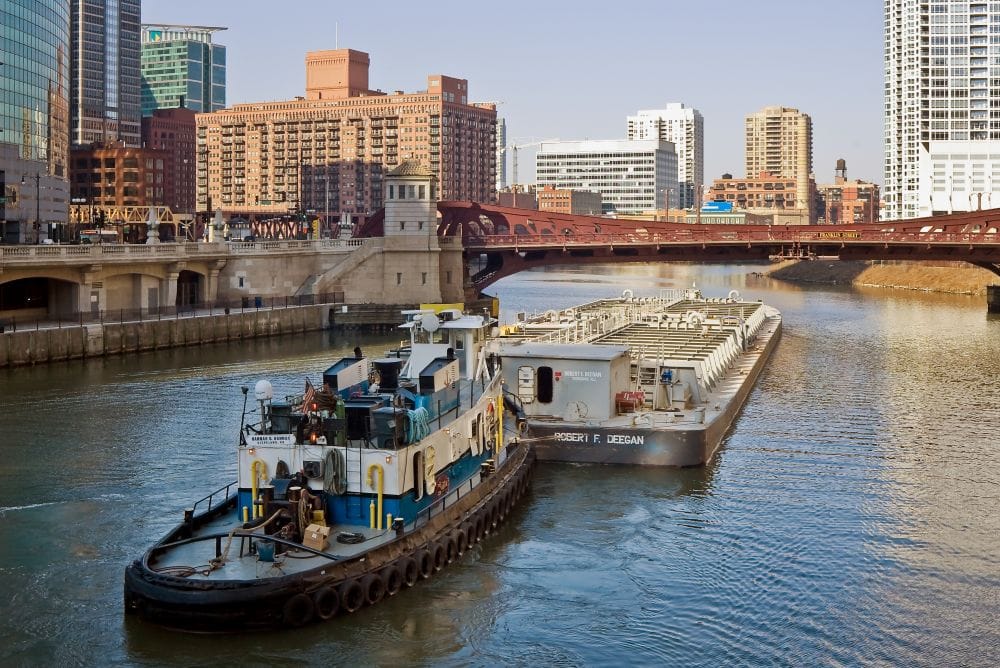
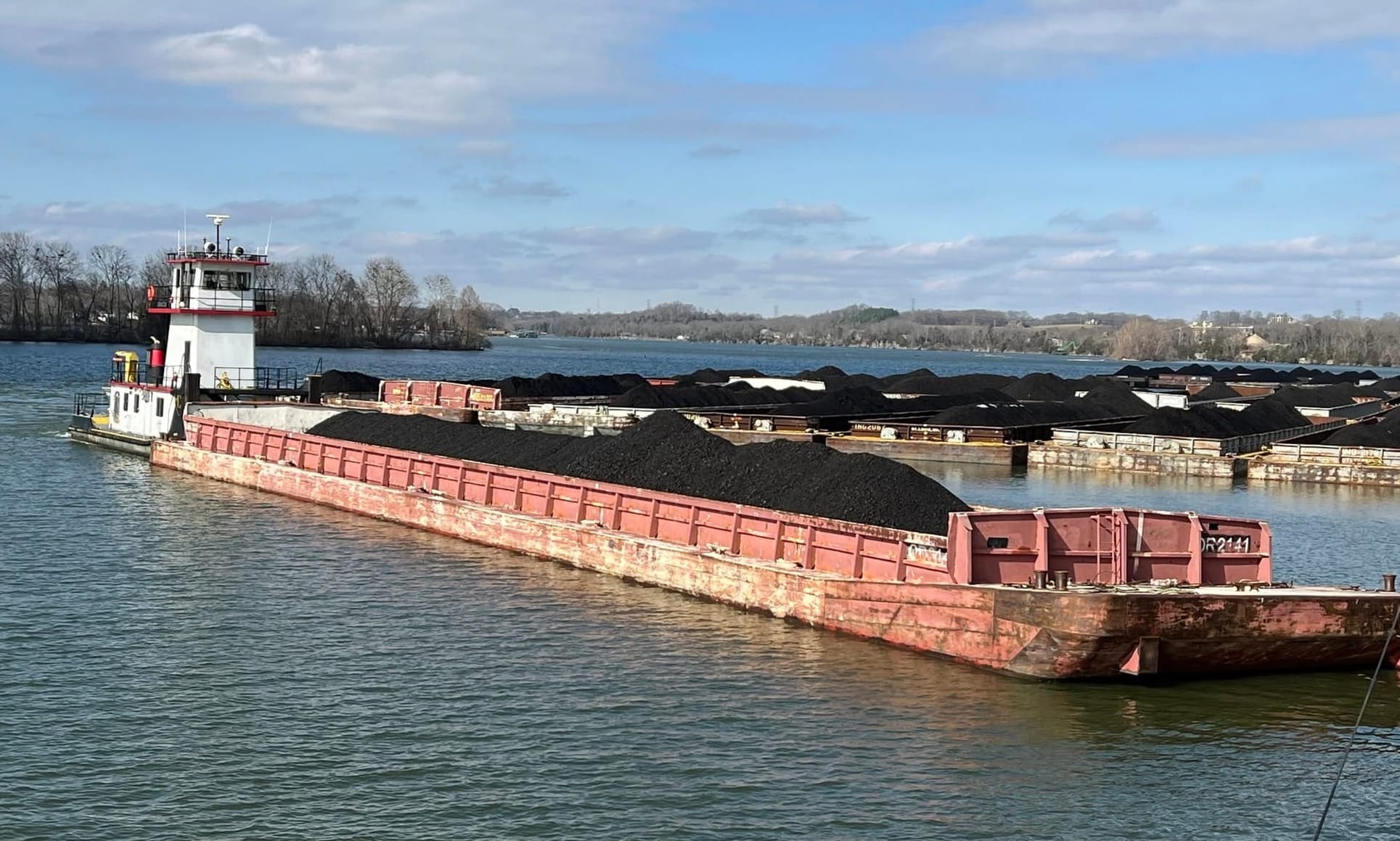
Towboats pushing multiple barges are a common sight on the Mississippi, Ohio, Tennessee and other rivers along the Great Loop. A tow may consist of several barges arranged in different configurations, creating a vessel that can extend hundreds or even more than a thousand feet in length and width.
These combinations cannot maneuver like recreational boats. Turning, stopping, backing up and adjusting course require time and space. A towboat operator may also have limited visibility directly ahead of the barges, depending on the tow configuration. Recreational boaters coming from private boat slip rentals near me should avoid crossing close to the bow of a tow, cutting between barges or assuming the tow can quickly alter its course to accommodate them.
Learn to Recognize Towboat Signals and Communication Practices
Commercial vessels frequently communicate their intentions through sound signals, VHF radio and navigation lights. On inland waterways, whistle signals can indicate passing arrangements, including whether vessels intend to meet or overtake on particular sides.
When operating near commercial traffic, monitor the appropriate VHF channel for the waterway and listen for vessel-to-vessel communications. Channel 13 is commonly used for bridge-to-bridge navigational communications, although specific waterways and local practices may require other channels. Use the radio to communicate clearly and briefly when necessary, particularly near bends, bridges, narrow channels or congested areas.
Avoid unnecessary radio conversations and don’t assume that a commercial operator has heard or understood your transmission. When intentions are unclear, remain outside the tow's path until a safe maneuver is evident.
Stay Out of the Commercial Navigation Channel
Commercial navigation channels are established to provide adequate depth and room for large vessels to travel safely. On rivers, the deepest water may not follow the center of the river or the most visually obvious route. Towboats and barges may have little room to maneuver outside marked channels because of shallow water, shoals, currents or submerged obstructions.
Great Loop boaters coming from a marina or private boat dock for rent should use updated nautical charts, electronic navigation systems and visual markers to identify channel boundaries. When navigating near commercial traffic, remain well clear of the channel whenever depth and conditions permit. If crossing is necessary, cross at a safe angle, maintain awareness of approaching vessels and avoid lingering in the channel. Recreational vessels also have a responsibility not to impede vessels that can safely navigate only within a narrow channel.
Communicate Clearly on VHF Radio
A VHF radio is an important safety tool when navigating commercial waterways. Channel 13 is commonly used for bridge-to-bridge navigational communication, while Channel 16 is the primary distress, safety and calling channel. Some locations have designated traffic channels or local procedures, so boaters should check regional information before entering unfamiliar waterways.
Listening to commercial traffic can provide valuable information about vessel locations, passing arrangements and potential hazards. If you need to communicate with a towboat, identify your vessel, location and intentions clearly and concisely. Avoid lengthy exchanges, and never assume that a towboat operator can accommodate your request simply because you have made contact.
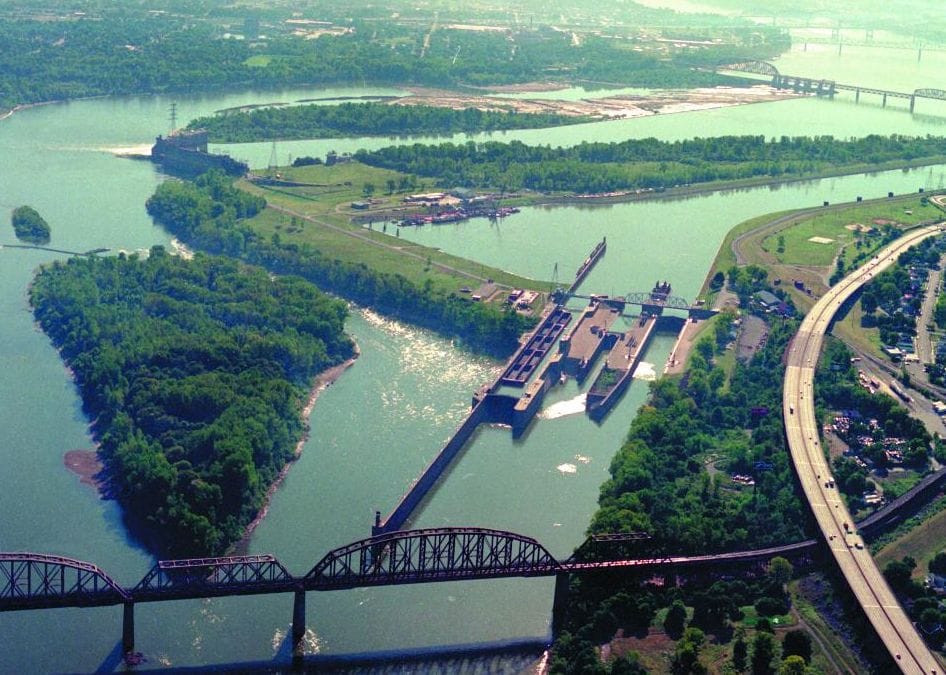
Use Extra Caution Near Bridges, Bends and Locks
River bends, bridge openings and locks can create challenging conditions for recreational boaters and commercial vessels alike. Towboats may need to line up well in advance of a bridge opening, while currents can push long barge configurations toward the banks or bridge structures. Blind bends can also prevent operators from seeing approaching traffic until vessels are relatively close.
Avoid positioning your boat near a tow's approach to a bridge or lock. Never assume a tow can stop, turn or wait for you to clear the area. Watch for current, eddies, turbulence and changes in water movement caused by passing vessels. Always maintain enough maneuvering room to respond if conditions change.
Watch for Commercial Traffic at Night
Navigating after dark adds another layer of difficulty when sharing waterways with commercial traffic. Towboats, barges and other commercial vessels display navigation lights that help identify their configuration, direction of travel and towing arrangements. However, distinguishing a tow's full size and position can be challenging, particularly when background lighting, fog, rain or darkness obscure its outline.
Before entering a busy commercial waterway at night, familiarize yourself with navigation light configurations and ensure your own vessel's lights are working properly. Use radar, AIS and other onboard electronics when available, but don’t rely on them exclusively. Maintain a vigilant lookout, watch for lights that may indicate a tow extending beyond the towboat itself and avoid crossing close to a commercial vessel.
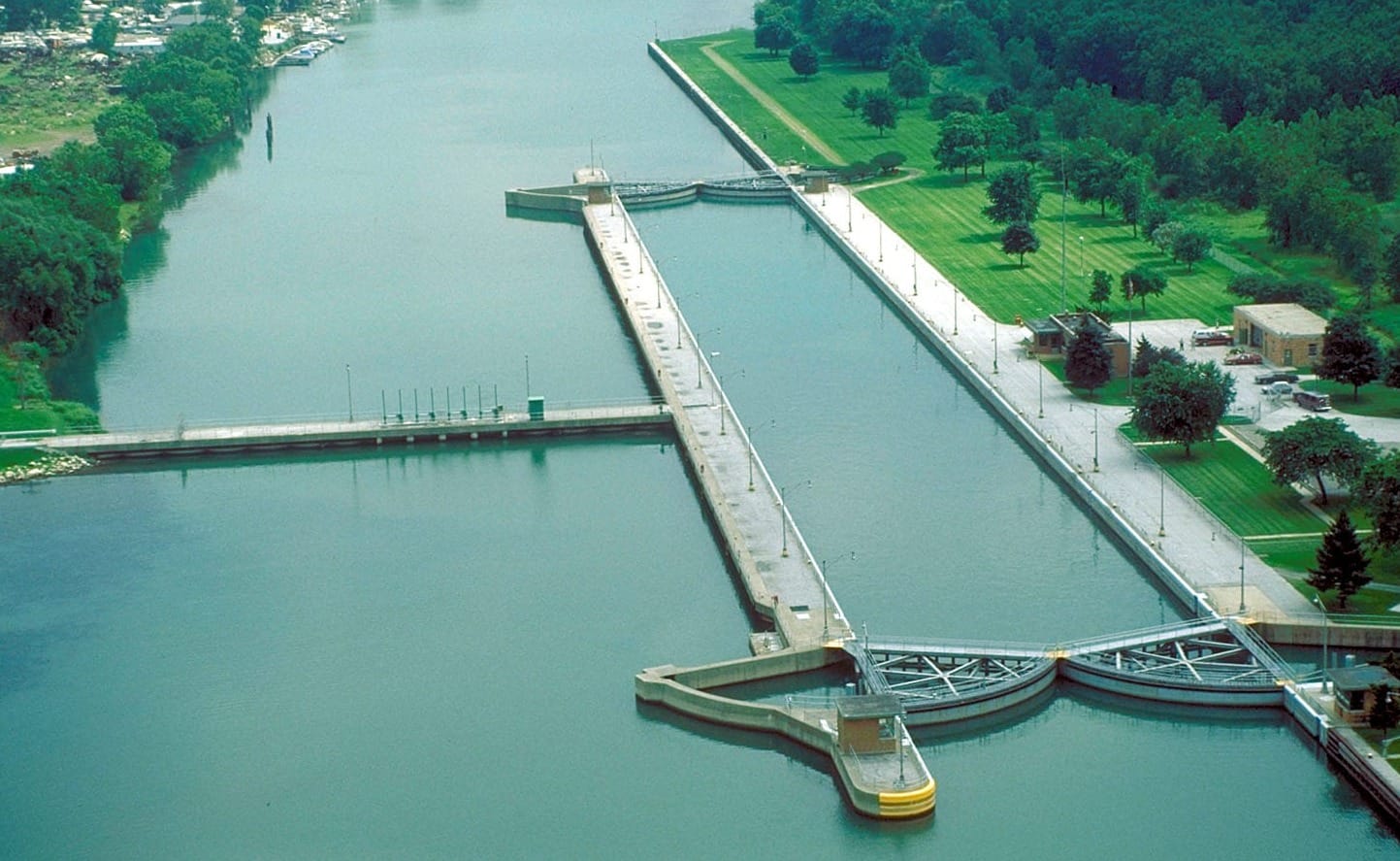
Plan Your Route and Timing Around Commercial Traffic
Commercial traffic isn’t limited to daytime hours, and towboats operate throughout the year under varying weather and river conditions. Before departing from your private boat lift rental or marina, review your route, the current river conditions, navigation notices, bridge restrictions, lock schedules and potential bottlenecks.
Allow additional time when transiting busy stretches of river, especially if you are unfamiliar with the waterway. If commercial traffic is heavy, waiting in a safe location may be preferable to entering a narrow passage or attempting a difficult crossing. A flexible itinerary allows you to adjust your plans without feeling pressured to navigate in unfavorable conditions.