Precision Anchoring Techniques in Crowded or Deep Anchorages

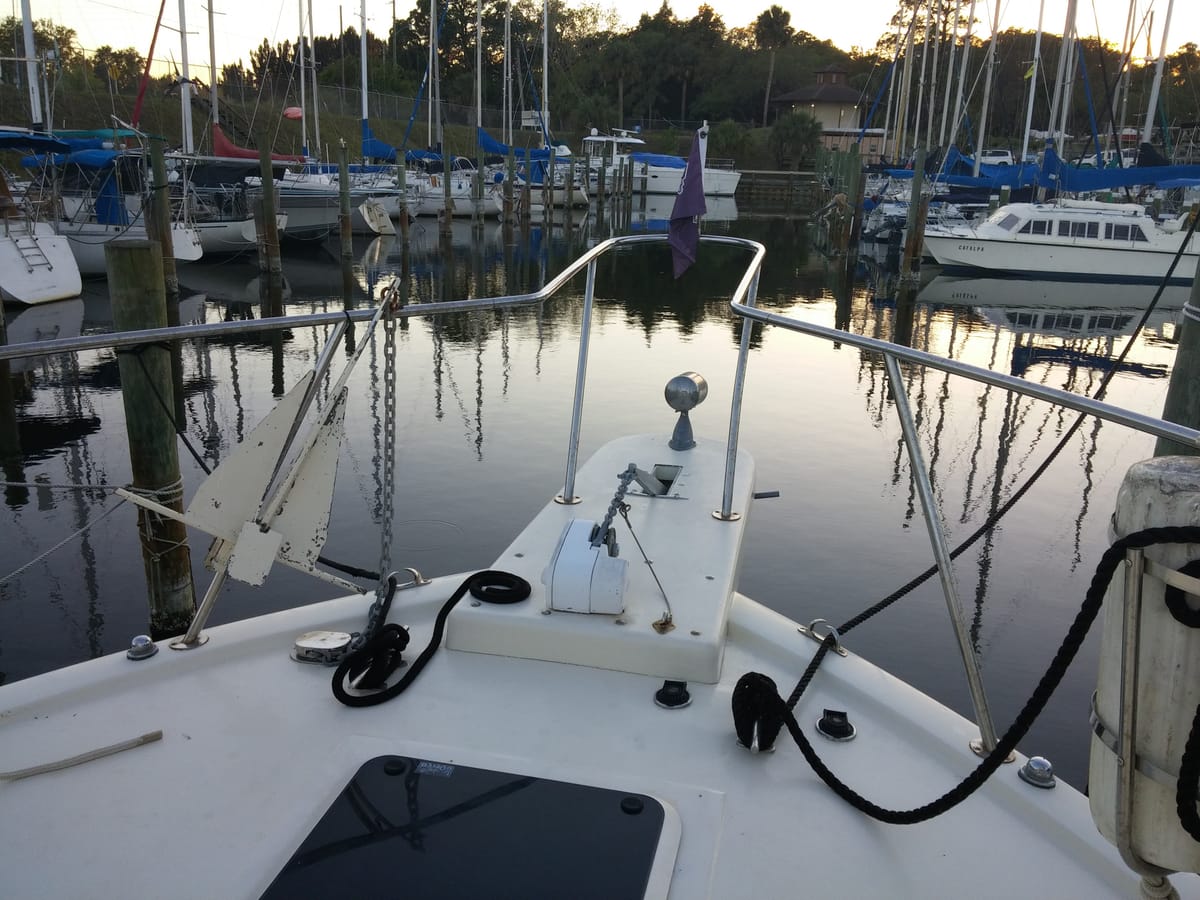
Precision anchoring is a critical skill for boaters navigating crowded harbors or deep anchorages. Limited space, strong currents and variable bottom conditions leave little room for error. A well-set anchor not only protects your vessel but also prevents collisions and costly re-anchoring. Mastering a few proven techniques can dramatically improve accuracy and confidence when anchoring a boat in challenging conditions.
Plan Before You Drop
Successful anchoring begins before the anchor ever touches the water. Before you leave a marina, dock or private boat lift for rent, study charts to understand depth contours, bottom type and swing room. In crowded anchorages, note how other boats are anchored and where they will swing with wind or tide changes. Use GPS, radar and visual ranges to pinpoint your desired spot, allowing extra room for your vessel’s length and scope.
Choose the Right Ground Tackle
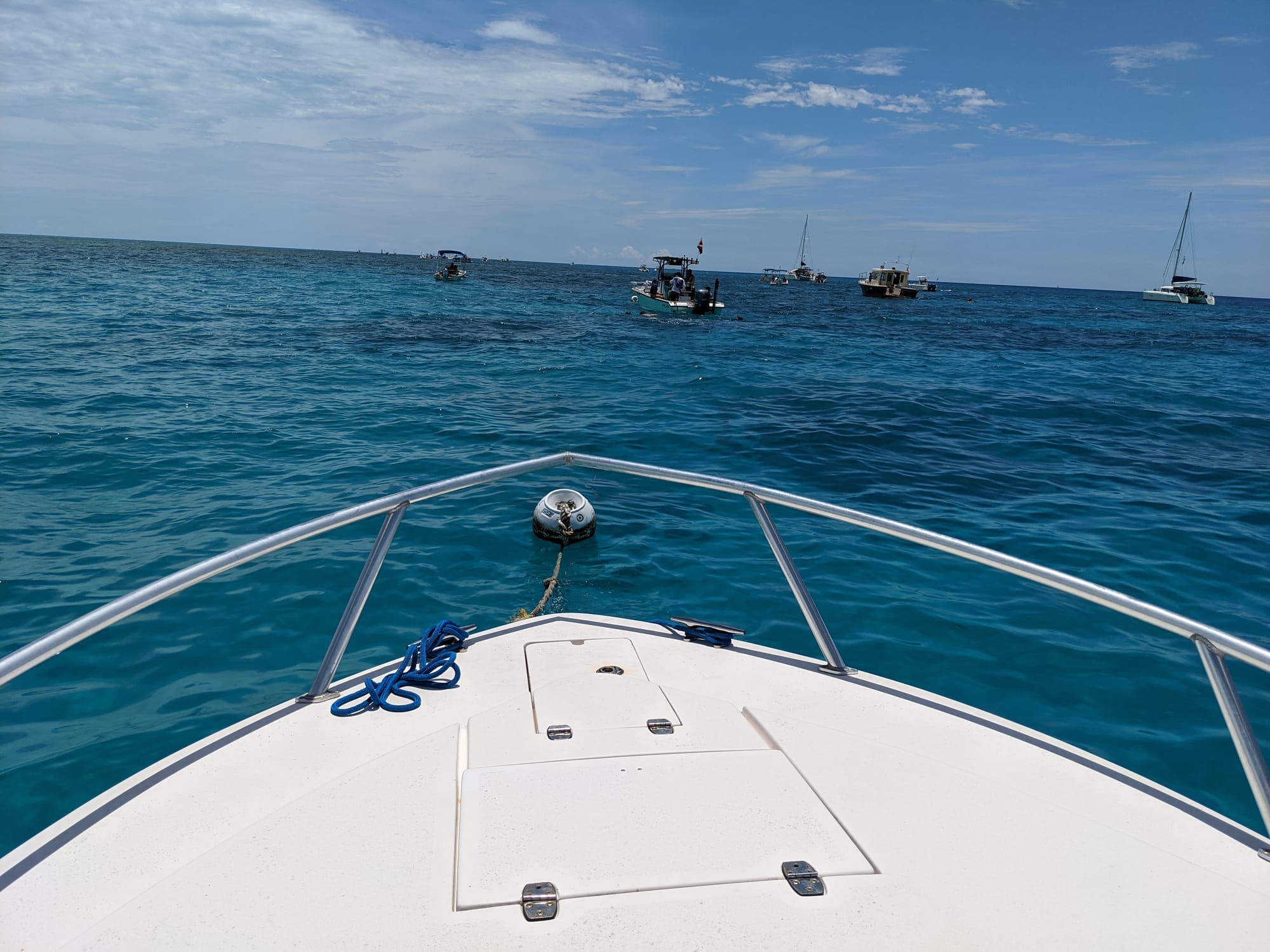
Precision anchoring depends on using ground tackle appropriate for the conditions. In deep water, adequate scope is essential (typically a minimum of 5:1, increasing to 7:1 or more in strong wind or current). A combination of chain and rope provides weight for holding power while reducing shock loads. Ensure your anchor type matches the bottom, whether it’s sand, mud, grass or rock.
Use Controlled Deployment
In tight spaces, avoid free-falling the anchor. Instead, lower it under control to prevent tangles and to place it exactly where intended. Once the anchor reaches the bottom, allow the boat to drift or gently reverse while paying out the rode steadily. This method keeps the anchor aligned and helps it begin to set properly. You can practice this technique while staying at a boat slip rental near me or a marina.
Set the Anchor Precisely
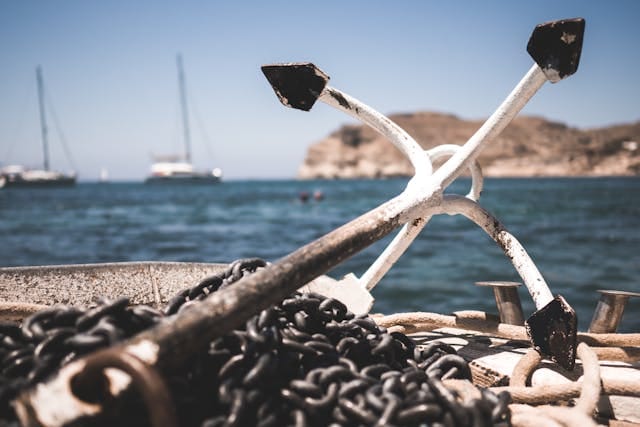
After deploying the desired scope, apply gentle reverse power to set the anchor, gradually increasing throttle. Watch for visual references ashore or use GPS to confirm that the boat is not dragging. In deep anchorages, this step is especially important, as retrieving and resetting can be time-consuming.
Account for Wind and Current
Wind and current often act in different directions, especially in deep or tidal areas away from a private boat dock rental. Anchor so the boat settles back in the dominant force, and consider how conditions may change overnight. In very tight anchorages, a second anchor—set in a V or Bahamian moor—can limit swing and improve positional control.
Fine-Tune with Technology
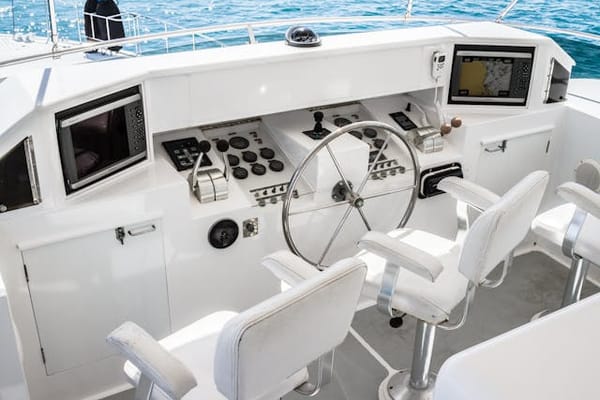
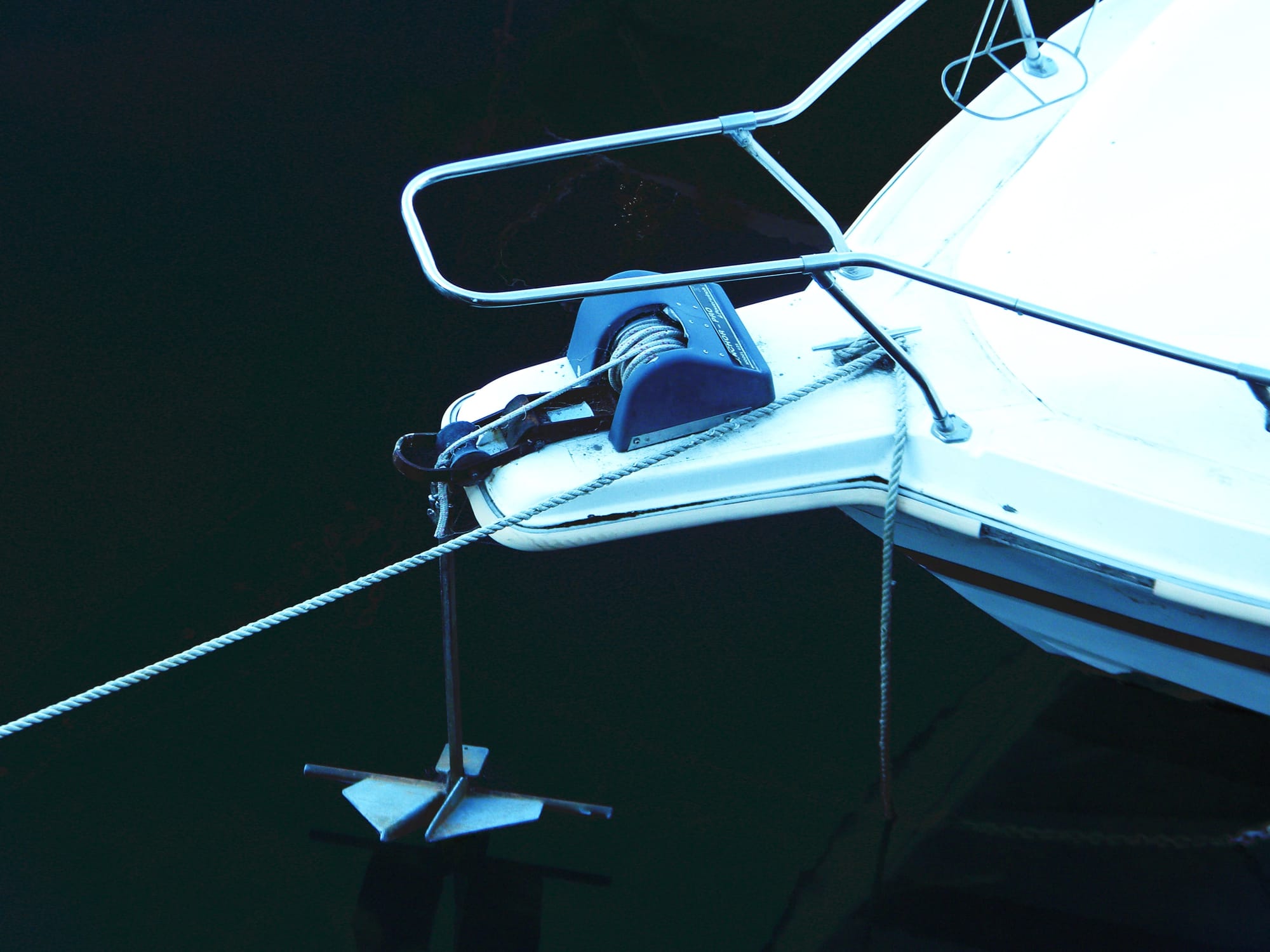
Modern tools, such as an anchor windlass and boat anchor rollers, can significantly enhance precision. Anchor alarms alert you to unexpected movement, while chart plotters help verify holding and swing radius. Some boaters also use bow cameras or depth sounders to confirm bottom contact and placement in deep water.
Practice and Patience
Precision anchoring improves with experience. Take time to rehearse communication between helm and bow, especially in wind or current. This can be practiced while your boat is at a private boat slip for rent near me or a local marina. Calm, deliberate movements and clear planning are far more effective than rushing.
In crowded or deep anchorages, precision anchoring is both an art and a discipline. With careful preparation, proper equipment and controlled techniques, boaters can anchor confidently, securely and courteously.