Sun, Salt and Wind: Understanding Flag Material Options for Boats and Yachts

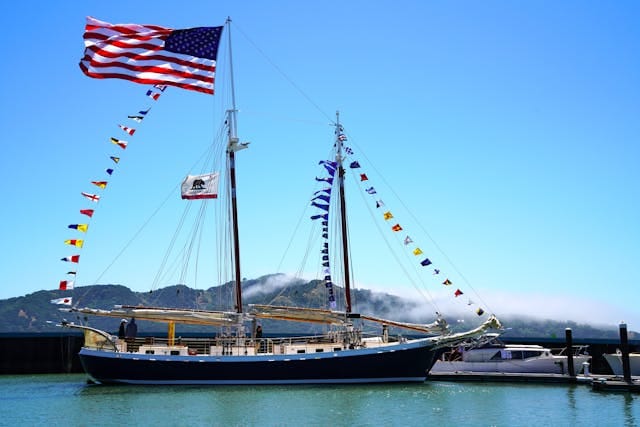
Seeing a flag flying in the breeze on a boat or a yacht always makes an impact because it’s a symbol of identity, patriotism and/or support. It most certainly is a great identifier. If you’re new to nautical flags, you may find the different flag options a little overwhelming. But they really don’t have to be. Let’s take a look at different flag options so you can choose the best ones to fly on your boat or at a private boat slip for rent.
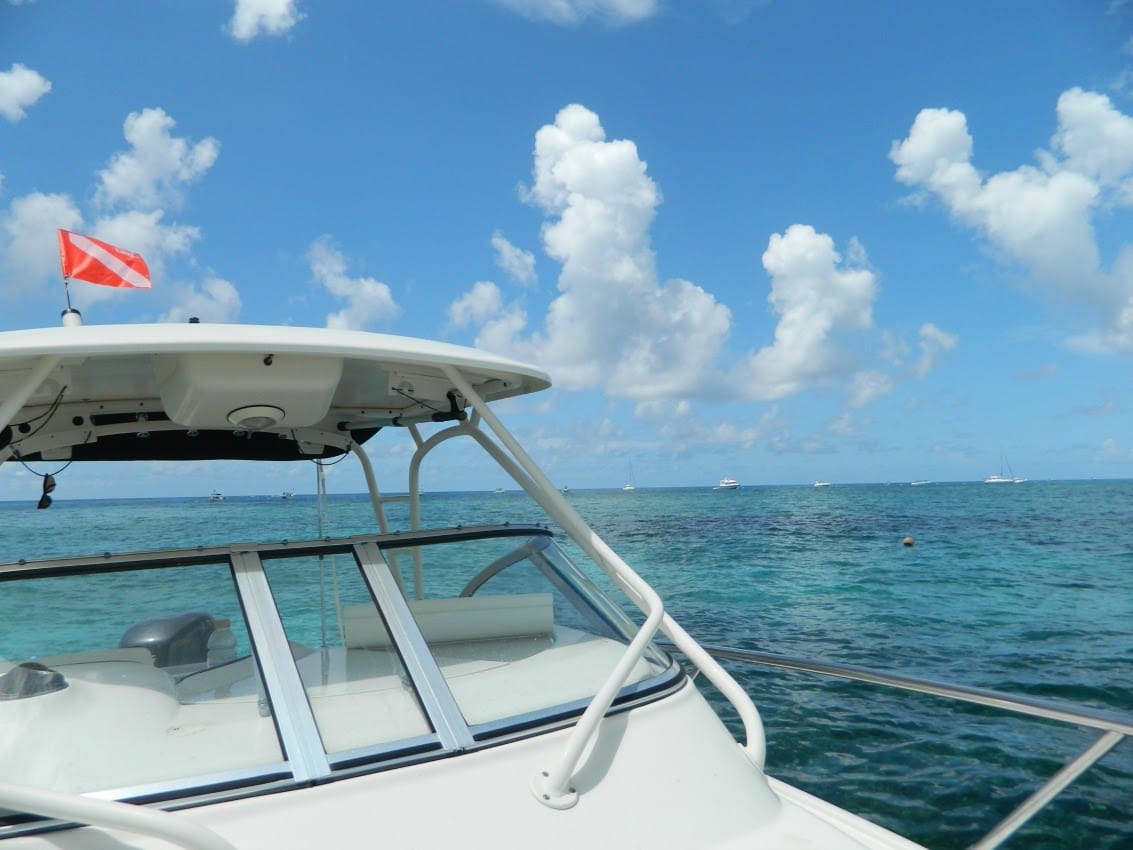
Factors that Affect Boat Flag Material
Land-based flags and indoor flags do not face the same issues as marine flags. While land-based flags are in the sunlight and wind (a lot), they don’t come into contact with the same elements as seafaring flags. A nautical flag deals with greater intensities when it comes to the sun and wind because there’s an additional reflection of the sun on the water. They also face an additional challenge with the salty air.
The elements play a significant part in how long your flag flies. The constant UV rays from the sun and the wind whipping the flag from side to side are all part of general wear and tear. But the sea’s salty nature brings a new danger to everything, whether the boat is kept at a private boat dock rental near me, a marina or a pier.
The ocean breeze contains tiny salt particles. When these land on a flag, the salt can crystallize. If left unchecked for some time, these crystals can reduce the longevity of the flag. At first, everything will seem fine. But over time, you’ll notice the damage that the salt can cause. It’s almost like sandpaper that grinds away at the threads until they are worn through.
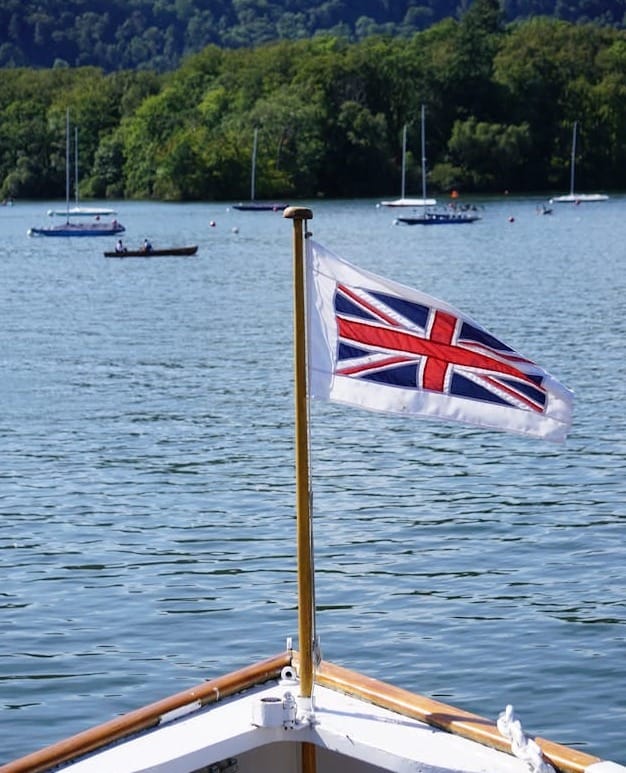
Flag Material
Definitely one of the most important factors, the material that a flag is made of can affect factors like its quality and longevity. If you choose the right fabric for a nautical flag, and it’s made well, then it can last decades, while a flimsy flag may only last for a few days or weeks.
Here are some of the materials that marine flags are made from.
Nylon
- Because nylon is strong and lightweight, boat owners frequently choose it as a material.
- It can withstand certain winds and UV radiation.
- Your flags will fly proudly when you cruise over the water at a speed of just 3 to 5 knots.
By taking good care of your flag, it can last for a long time. Make sure you rinse it periodically with fresh water when not in use. You could make this part of regular boat maintenance. By doing this, the crystals will be removed, extending the life of your flag.
Polyester
- Polyester is another great fabric choice because it’s a heavier material than nylon and quite durable.
- Due to its extra weight, it does need a little more wind to make it fly nicely.
- If you’re taking your vessel for a spin, the flags fly well and look lovely.
- It’s best used with high-speed boats or if you frequently cruise in high-wind areas.
Polyester flags have an open weave. This allows the wind to flow through the flag more easily, which also results in less of the “whipping” effect. If your vessel stands dormant most of the time, either at the local marina or a private boat lift for rent, a polyester flag won’t fly much at all.
Cotton
- Cotton flags look and feel traditional.
- They are generally medium-weight and look great if you're showcasing your yacht or boat.
- Cotton flags are really just show flags that get put away after a short time.
- They make great display flags but have little to no UV resistance and are not as durable as other materials.
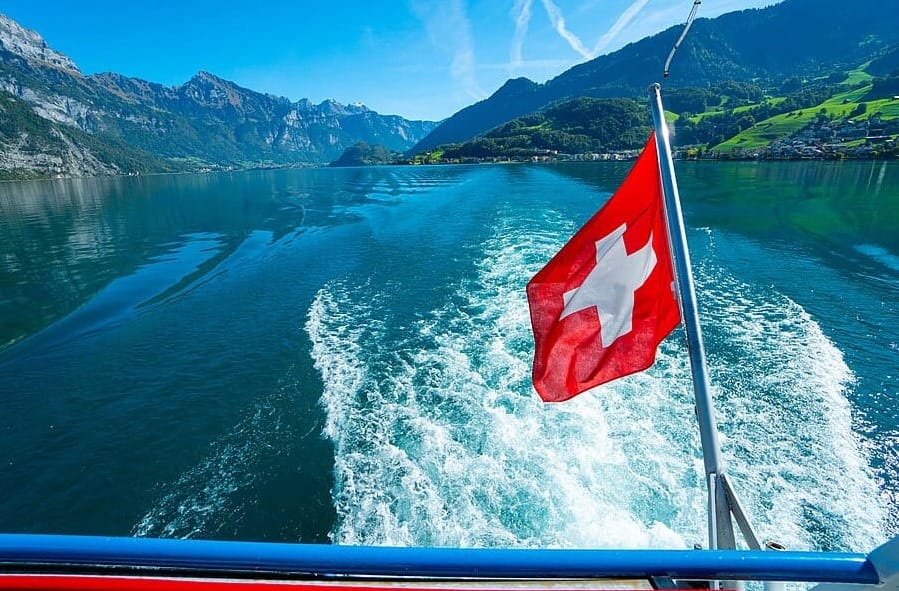
Extra Protection
When choosing which flags to buy or having custom marine flags created, look for a provider that offers extra protection.
For instance, having four rows of reinforced stitching on the fly end (opposite to the pole end) will help your flag last longer. Double stitching the seams will also help.
It's also useful if the hoist side has a canvas heading. This is where you can add brass grommets or attach your flag rope. Each of these aspects helps to preserve your flag and make it last even longer.
It’s also important to note that size does matter with flags. You need the right size of a flag for the flagpole on your vessel. The easiest way to work out the correct size is about one inch of flag per one foot of the vessel’s length. So, if your boat is 30 feet, get a 30-inch flag.
Final Thoughts
You need a well-made flag that has reinforced stitching and can withstand extreme weather. There’s no guarantee that you’ll get to your flag at a marina or boat slip renteal near me to pull it down before a storm hits. Your flags need to be durable and fast-drying, regardless of whether they’re custom flags or stock items. Fly your flags high and let them tell your stories with pride.