Trolling vs. Casting: Which Method Wins for Beginners


For new anglers, choosing between trolling and casting can shape early fishing experiences. Both methods have their advantages, but one may offer a smoother learning curve depending on skill level, equipment, target species and personal preference.
Before you cruise out from private boat slips for rent or the local marina, keep reading to pick up some pointers on which method might be the best for you.
Trolling: The Beginner-Friendly Option
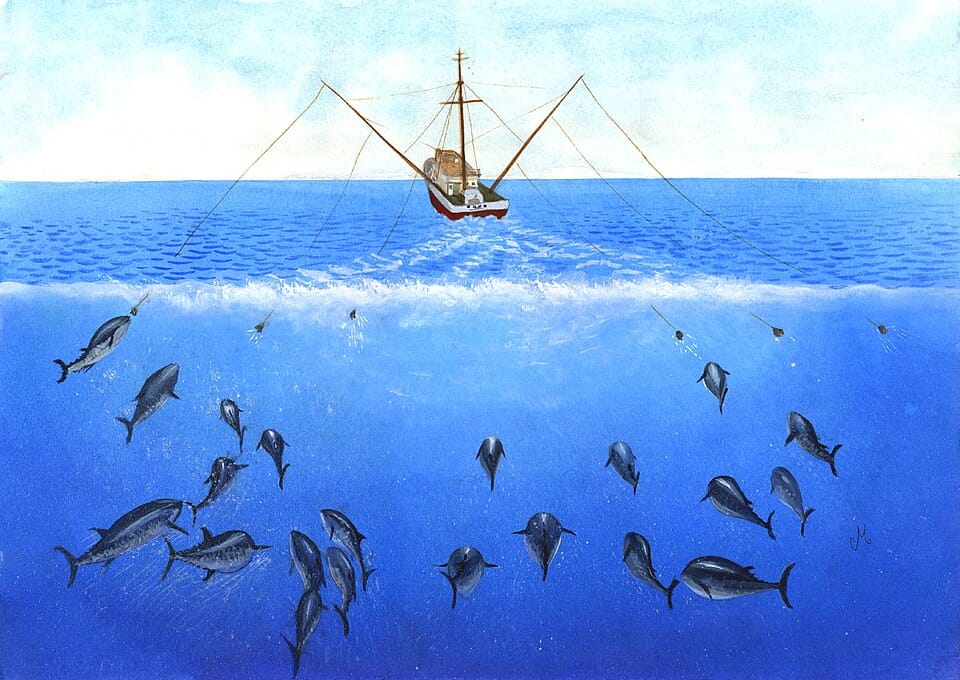
Trolling - which involves pulling lures or bait behind a moving boat - is often the easier method for newcomers. It requires less casting technique, keeps lures in the strike zone longer and allows beginners to cover more water quickly.
Boat speed and lure depth do much of the work, making it ideal for lakes, large rivers and coastal waters. Because trolling is steady and controlled, beginners can relax, watch the rod and learn how different fish respond to different speeds and lure actions.
Pros of Trolling
- Covers more water: Trolling is great for locating fish over large areas, especially on lakes and open water
- Targets multiple species: This method works well for salmon, trout, walleye, pike and many saltwater species.
- Hands-off technique: Once lines are set, you can relax, monitor fishing rods and fine-tune lures and speeds.
- Consistent lure action: Boat speed provides steady, natural movement that can trigger strikes.
Cons of Trolling
- Requires a boat: Trolling would not be an option for shore anglers or those without access to a vessel.
- Can be gear-heavy: Downriggers, rod holders, planer boards and electronics can get expensive.
- Less interactive: Some anglers prefer the active feel of casting and retrieving.
- Risk of tangles: Multiple lines and turns can lead to frustrating line messes and tangling without careful technique.
Casting: More Skill, More Reward
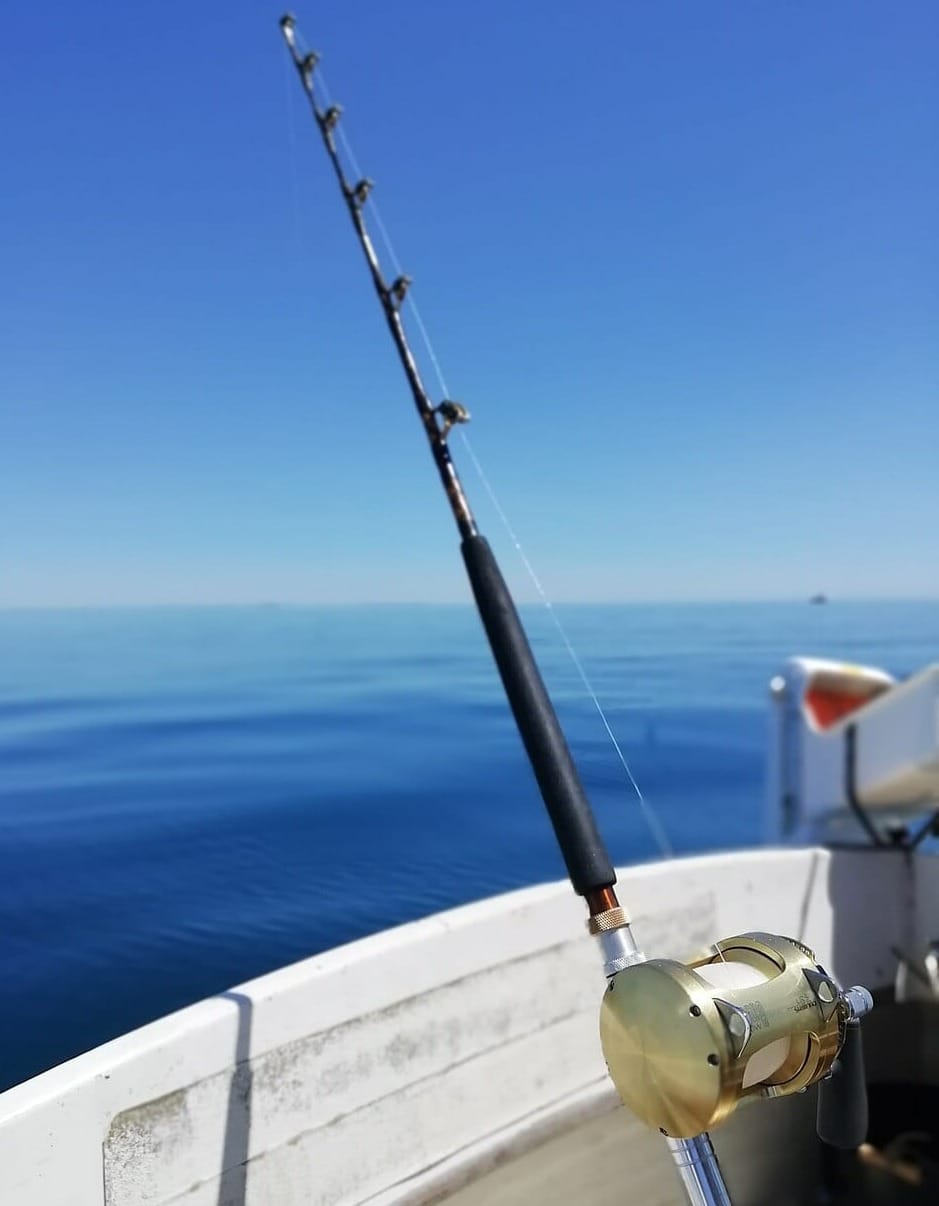
Casting gives beginners a hands-on and active experience, but it takes practice. Accurately placing a lure, working it through structure and reacting to strikes all require coordination. While casting has a steeper learning curve, it builds fundamental skills and can be more exciting, especially when targeting bass, panfish or shallow-water species from boat slip rentals near me.
Pros of Casting
- Highly interactive: Casting offers a hands-on, engaging experience with constant movement and lure control.
- Precise target placement: It’s great for hitting structure, shoreline edges, weed lines and specific fish-holding spots.
- Minimal gear required: Simple and budget-friendly, a rod, reel and a few lures are often all you need.
- Ideal for shore anglers: Casting works well from docks, beaches, riverbanks and boats.
Cons of Casting
- Covers less water: You fish one area at a time, which can make finding active fish slower.
- More physically demanding: Continuous casting and retrieving can get tiring over long sessions.
- Requires skill: Accuracy, lure selection and retrieval technique matter more.
- Spooking potential: Repeated casts or noisy lure entries can disturb wary fish.
Which Method Should Beginners Choose?
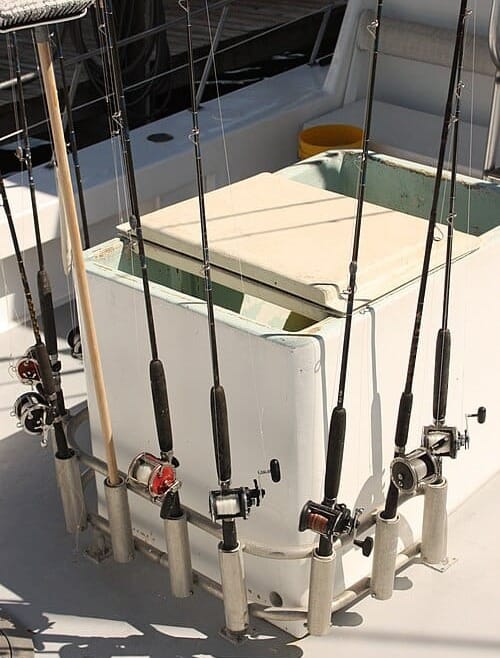
Most beginners find trolling easier and more productive early on, especially when fishing from a boat. Trolling reduces technical mistakes and increases the chances of hooking fish. However, casting becomes invaluable as beginners gain confidence and want to fish from shore, target specific species from private boat dock rentals or enjoy a more engaging challenge.