Understanding COLREGS in High Traffic and International Waters

When navigating busy shipping lanes, harbor approaches or offshore passages, understanding and applying COLREGS—the International Regulations for Preventing Collisions at Sea—is essential. These rules form the foundation of maritime right-of-way worldwide and apply to nearly every vessel operating beyond inland waterways.
Recognized globally, COLREGS are administered under the authority of the International Maritime Organization (IMO), published in 1972. Whether you’re a recreational sailor crossing shipping lanes, cruising into coastal waters from private boat slips for rent or a motor cruiser navigating a crowded strait, these rules are not optional. They are law.
What Are COLREGS?
COLREGS establish standardized “rules of the road” for vessels at sea. They define:
- Steering and sailing rules
- Lights and shapes
- Light and sound signals
- Conduct in restricted visibility
- Responsibilities between vessel types
In international waters and most coastal regions, COLREGS govern vessel interactions. In some inland areas, modified local rules may apply, but when offshore and in high-traffic corridors, COLREGS are the universal standard for anyone motoring or sailing out from marinas, piers or private boat docks for rent.
The Core Principle: Responsibility and Seamanship
Rule 2 of COLREGS emphasizes that nothing in the rules exonerates any vessel from the consequences of neglecting proper seamanship. In other words, even if you technically have the “right of way,” you must act to avoid a collision.
This principle becomes especially critical in high-traffic environments where reaction time is limited.
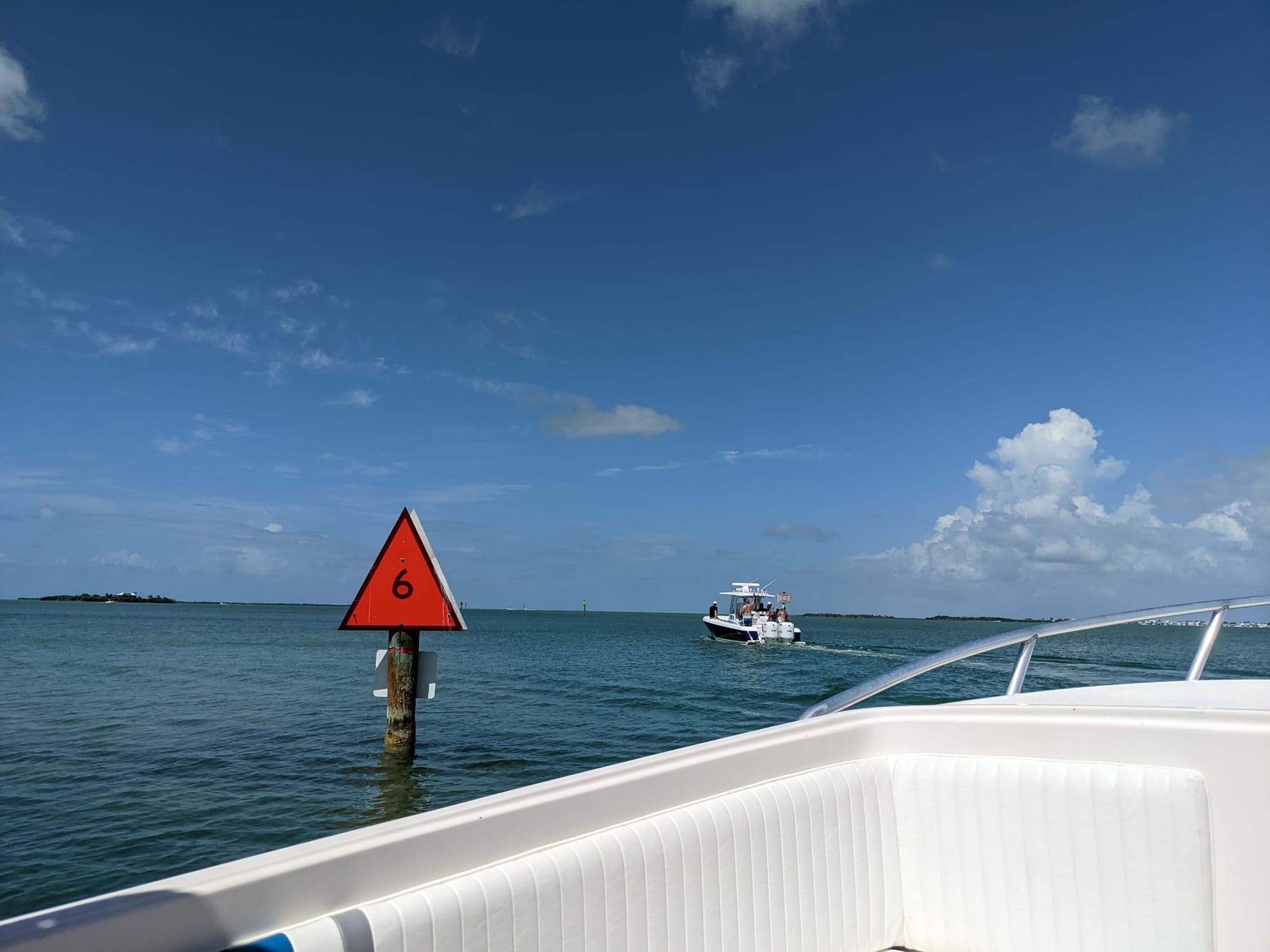
Understanding Stand-On and Give-Way Vessels
In crossing, overtaking and head-on situations, COLREGS define which vessel must take action.
- Give-Way Vessel: Must take early and substantial action to avoid collision
- Stand-On Vessel: Must maintain course and speed but be prepared to act if the give-way vessel fails to respond
In high-density traffic, hesitation is dangerous. Maneuvers should be:
- Early
- Clear
- Obvious to other vessels
Small course adjustments can create confusion. Large and decisive alterations are safer.
Traffic Separation Schemes (TSS)
In heavily traveled waters, vessels may encounter Traffic Separation Schemes—thte marine equivalent of highway lanes. These are commonly found in major shipping corridors and narrow straits.
Under COLREGS:
- Vessels must proceed in the appropriate traffic lane.
- Crossing traffic lanes should do so at right angles.
- Recreational vessels should avoid impeding large commercial ships confined by draft.
Failure to comply with TSS rules can lead to dangerous situations, particularly when dealing with high-speed ferries or deep-draft container ships.
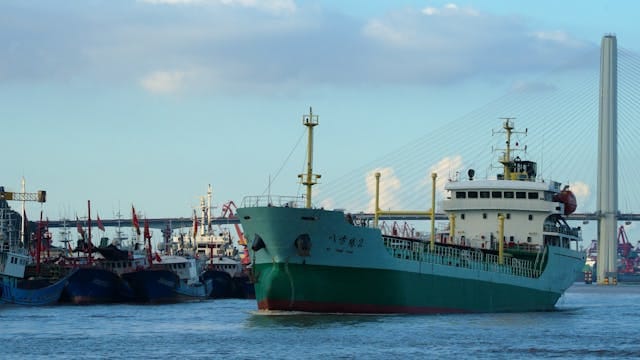
Crossing Shipping Lanes Safely
When crossing a shipping lane:
- Observe traffic patterns well in advance.
- Use AIS (Automatic Identification System) if available to assess CPA (Closest Point of Approach).
- Cross at 90 degrees when possible.
- Avoid lingering in the lane.
Large commercial vessels:
- Have limited maneuverability
- Require significant distance to alter course
- May not see small recreational boats clearly
Even if you are technically the stand-on vessel, prudence may require you to maneuver early.
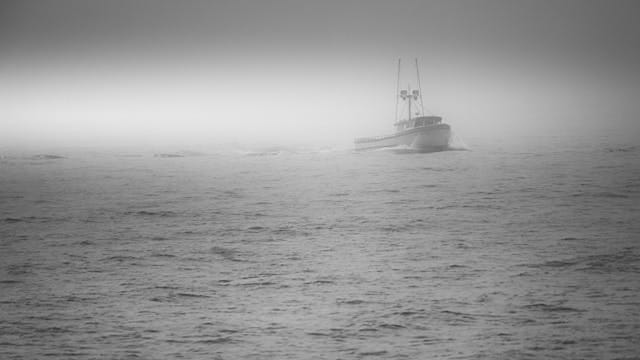
Restricted Visibility
In fog, heavy rain or nighttime conditions, Rule 19 governs vessel conduct. Key points include:
- Proceed at a safe speed.
- Maintain a proper lookout by all available means (visual, radar, AIS).
- Avoid altering course toward a vessel forward of the beam unless necessary.
Sound signals become critical in restricted visibility. Understanding required fog signals for power-driven vessels, sailing vessels and vessels at anchor is essential in international waters.
Lights and Day Shapes
Correct display of navigation lights and shapes communicates your vessel’s status:
- Power-driven vessel underway
- Sailing vessel under sail alone
- Vessel at anchor
- Vessel restricted in ability to maneuver
In high-traffic areas, properly functioning lights are not merely formalities. They prevent misidentification at night. Regular inspections of bulbs, wiring and backup systems should be part of passage preparation whether you’re leaving from a busy marina or a private boat slip rental near me.
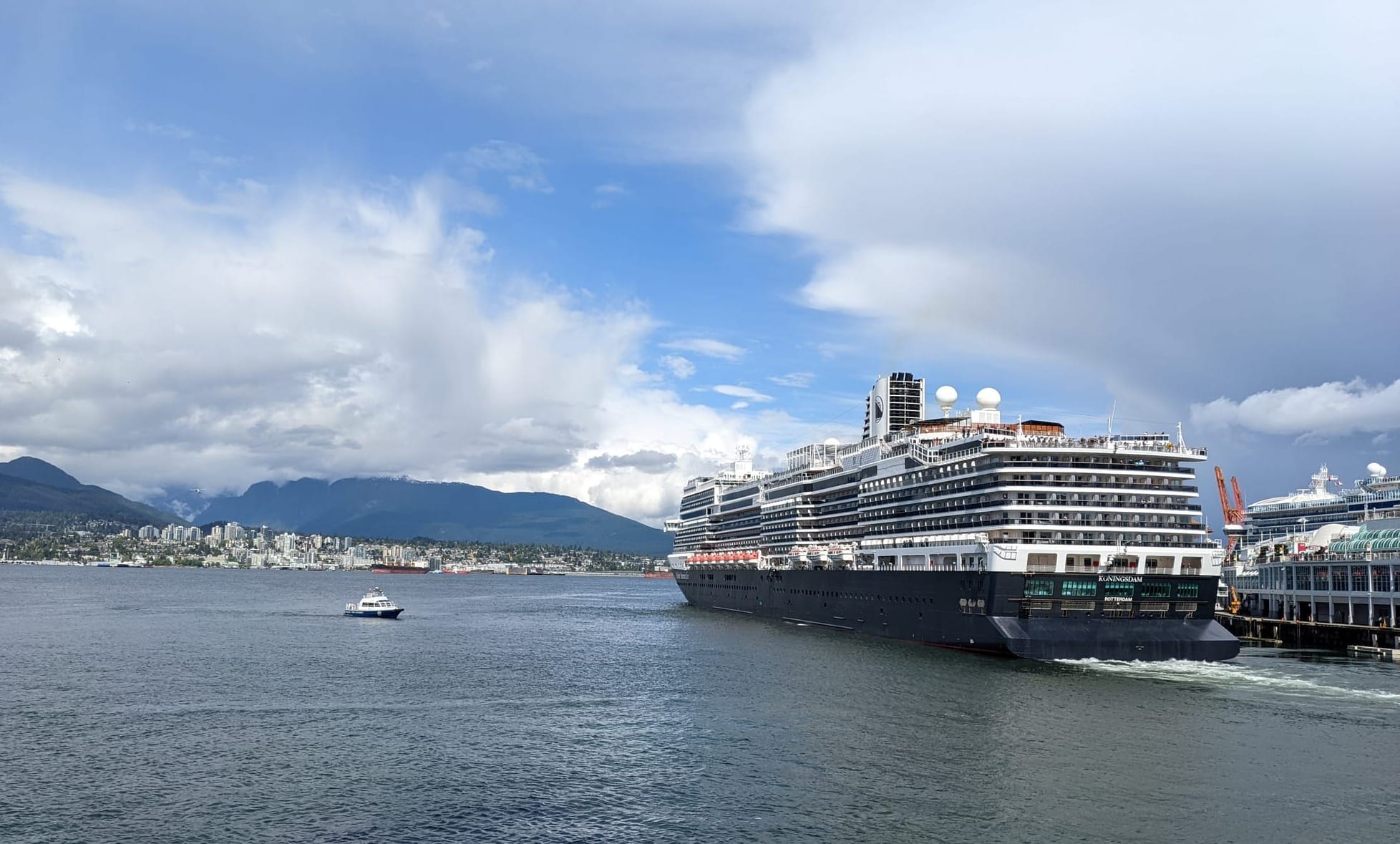
Vessel Hierarchy and Responsibilities
COLREGS establish a general hierarchy of vessel responsibilities, particularly important in crowded or narrow waters:
- Not under command
- Restricted in ability to maneuver
- Constrained by draft
- Fishing vessels
- Sailing vessels
- Power-driven vessels
Recreational powerboats sit low on this hierarchy and should be prepared to yield accordingly.
Safe Speed and Lookout
Rule 5 and Rule 6 emphasize:
- Maintaining a proper lookout at all times
- Proceeding at a safe speed based on traffic density, visibility and maneuverability
In high-traffic waters, “safe speed” may be slower than expected. A crowded harbor entrance or busy strait demands reduced speed and heightened vigilance.
A proper lookout means more than glancing ahead—it requires continuous scanning, monitoring radar and AIS if available and assigning crew to observation duties offshore.
Communication and Sound Signals
Clear communication reduces ambiguity. In close-quarters situations:
- Use sound signals (short blasts) to indicate course changes.
- Use VHF radio (Channel 16 or designated working channels) when necessary—but never rely solely on radio agreements to override COLREGS.
Verbal communication supplements the rules; it does not replace them.
Applying COLREGS Offshore vs. Coastal Waters
In coastal waters, navigators must consider:
- Fishing fleets
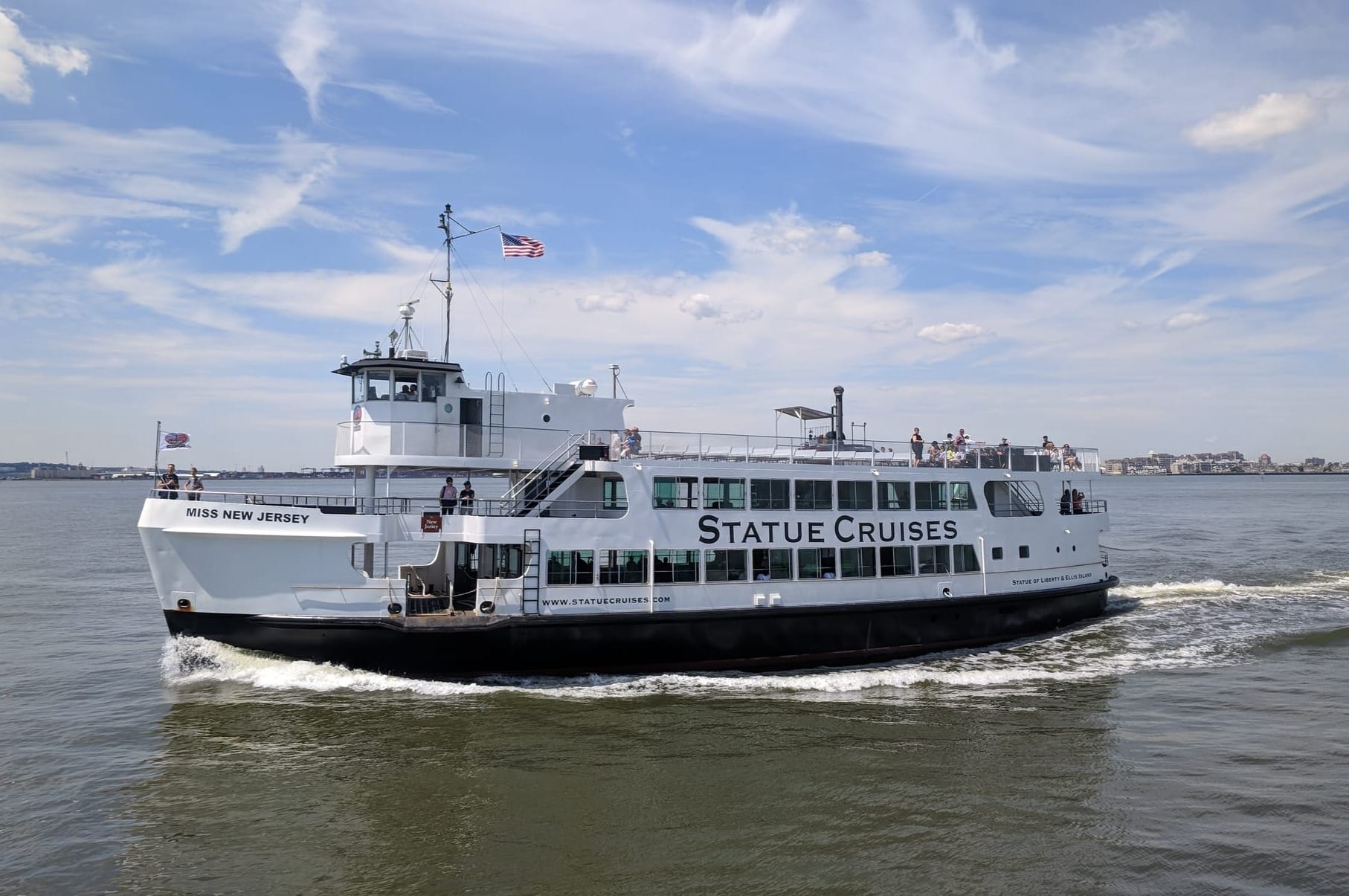
- Ferries
- Recreational traffic
- Narrow channels
Offshore in international waters, encounters may be fewer but involve large commercial ships traveling at high speeds. Situational awareness and early action are paramount. Long offshore passages require maintaining watch schedules to ensure COLREGS compliance 24/7.
Why Mastery Matters for Recreational Boaters
Modern navigation systems—radar, AIS chartplotters—greatly enhance safety. However, they do not replace legal responsibility under COLREGS.
Understanding the rules:
- Reduces collision risk
- Increases confidence in crowded waters
- Ensures compliance with international maritime law
- Improves decision-making under pressure
In high-traffic or international waters, such as when boating from Florida to the Bahamas, guesswork is dangerous. A firm grasp of COLREGS allows recreational boaters to navigate confidently alongside commercial vessels and across busy sea lanes.
Seamanship in a Global Context
COLREGS create a universal maritime language. Whether cruising coastal Europe, crossing the Atlantic or navigating Southeast Asian shipping corridors, the same rules apply.
For recreational skippers venturing beyond protected inland waters, studying and practicing COLREGS is not merely recommended. It’s fundamental to responsible seamanship and safe passage, whether you’re cruising from a busy port or motoring out from docks and private boat lift rentals.