Understanding the Importance of No-Wake Zones

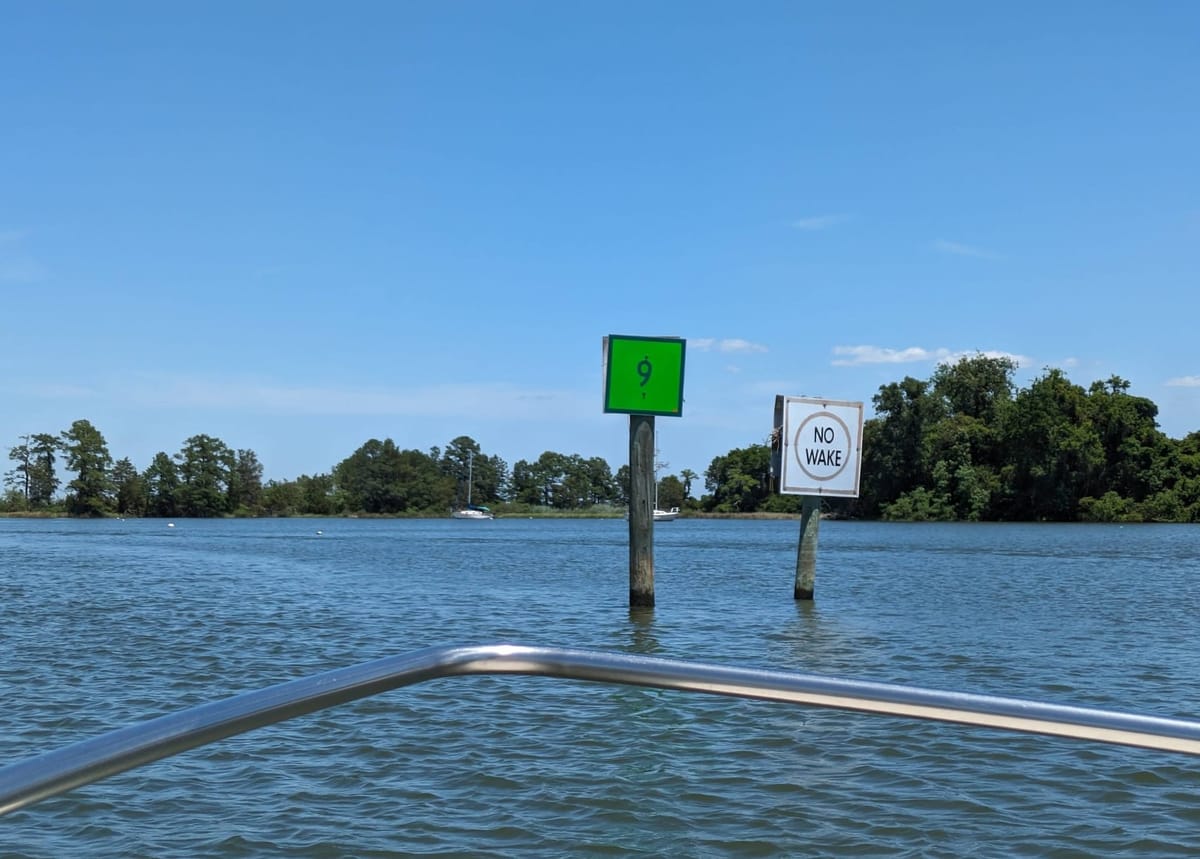
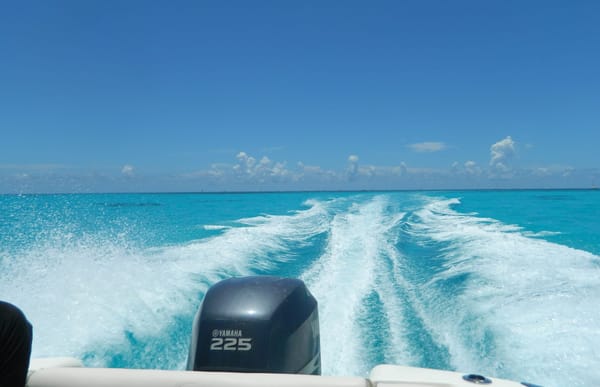
As a boating enthusiast, it’s important to understand the rules of the water. No-wake zones are designated areas where boats have to operate at the slowest speed possible (just fast enough to maintain steering) so they don’t create a wake. While it may seem like an inconvenience – albeit a minor one – these zones play a critical role in personal safety, environmental protection and the long-term health and accessibility of our waterways.
Keep reading as we dive deeper into why no-wake zones matter and what they help protect, so you can make more mindful, responsible choices while out on the water, at the marina or at a private boat dock rental.
Safety for People on and Near the Water
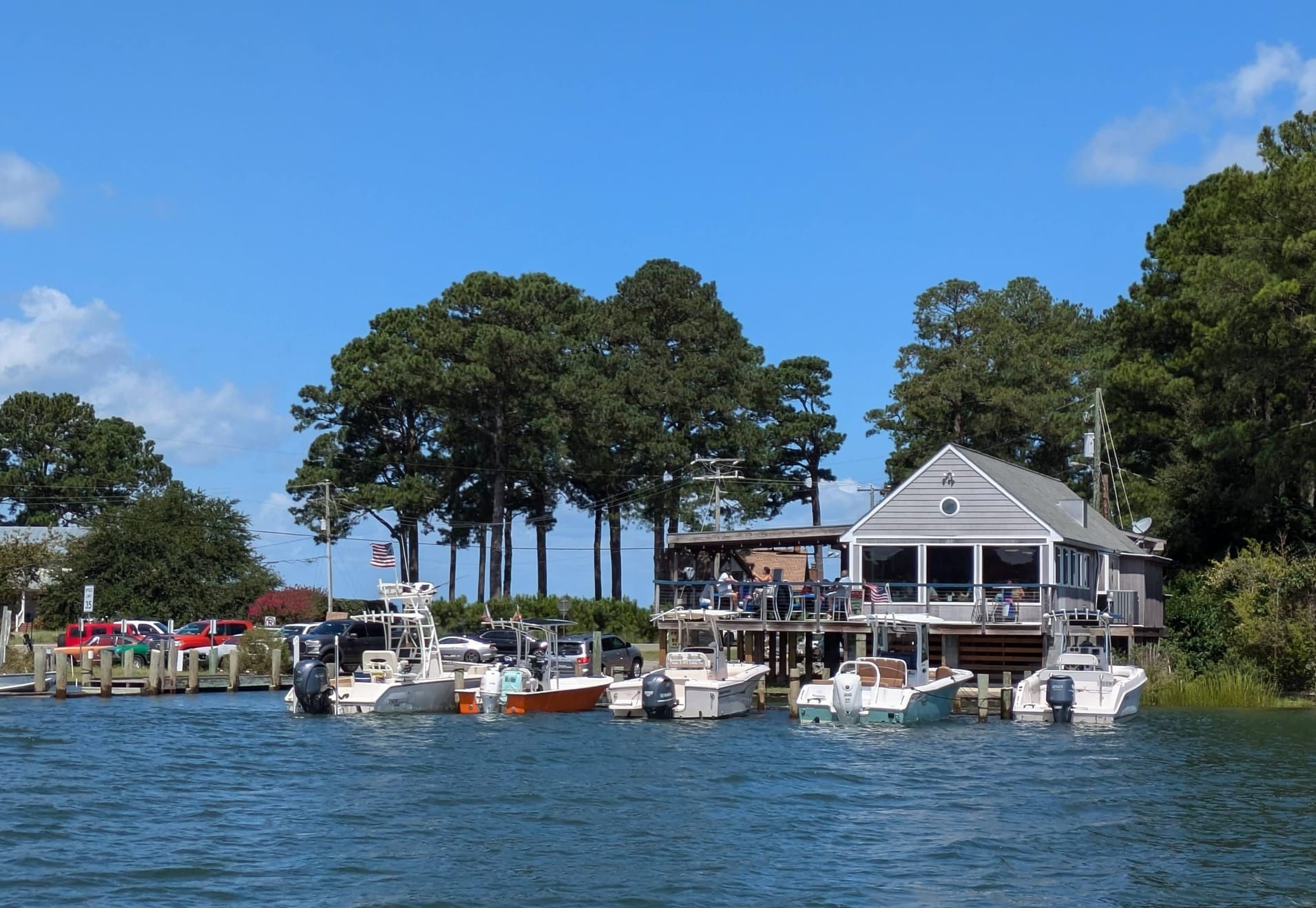
One of the most important reasons for no-wake zones is to keep people on and near the water safe. If large wakes are created, they can pose a serious threat, particularly in areas where people are swimming, boarding boats or taking part in any other activity on the water. They can easily knock people off boats or throw them up against docks and railings at marinas and private boat lifts for rent.
In marinas and narrow waterways, boats are often passing one another at close range. By adhering to no-wake zones, they can create a calmer and more predictable environment and avoid dangerous collisions.
Protection of Wildlife and Aquatic Habitats
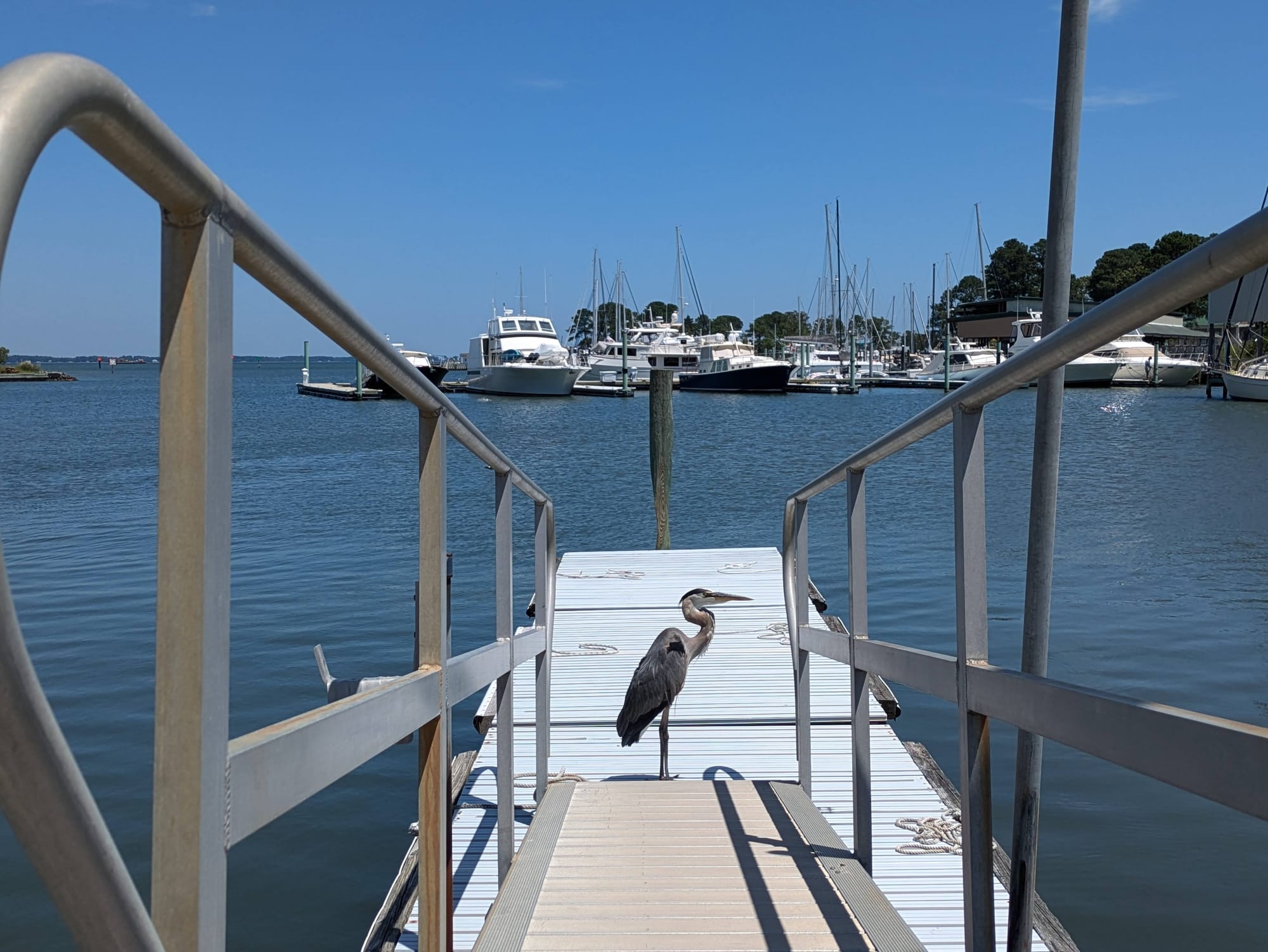
Many no-wake zones are established to help protect fragile ecosystems, particularly in areas like shallow waters and marshes, as these often provide shelter for nurseries of fish and nesting birds. Excessive wake in these areas can destroy vegetation that fish feed from and stir up sediment, reducing water clarity and oxygen levels. It can also damage and destroy bird nests, which impacts birth rates and bird populations.
Being responsible on the water means acting with sustainability in mind and adhering to no-wake zone requirements when you come across them. This will help to support biodiversity in the area and the long-term health of the waterway.
Protection of Shorelines, Docks and Property
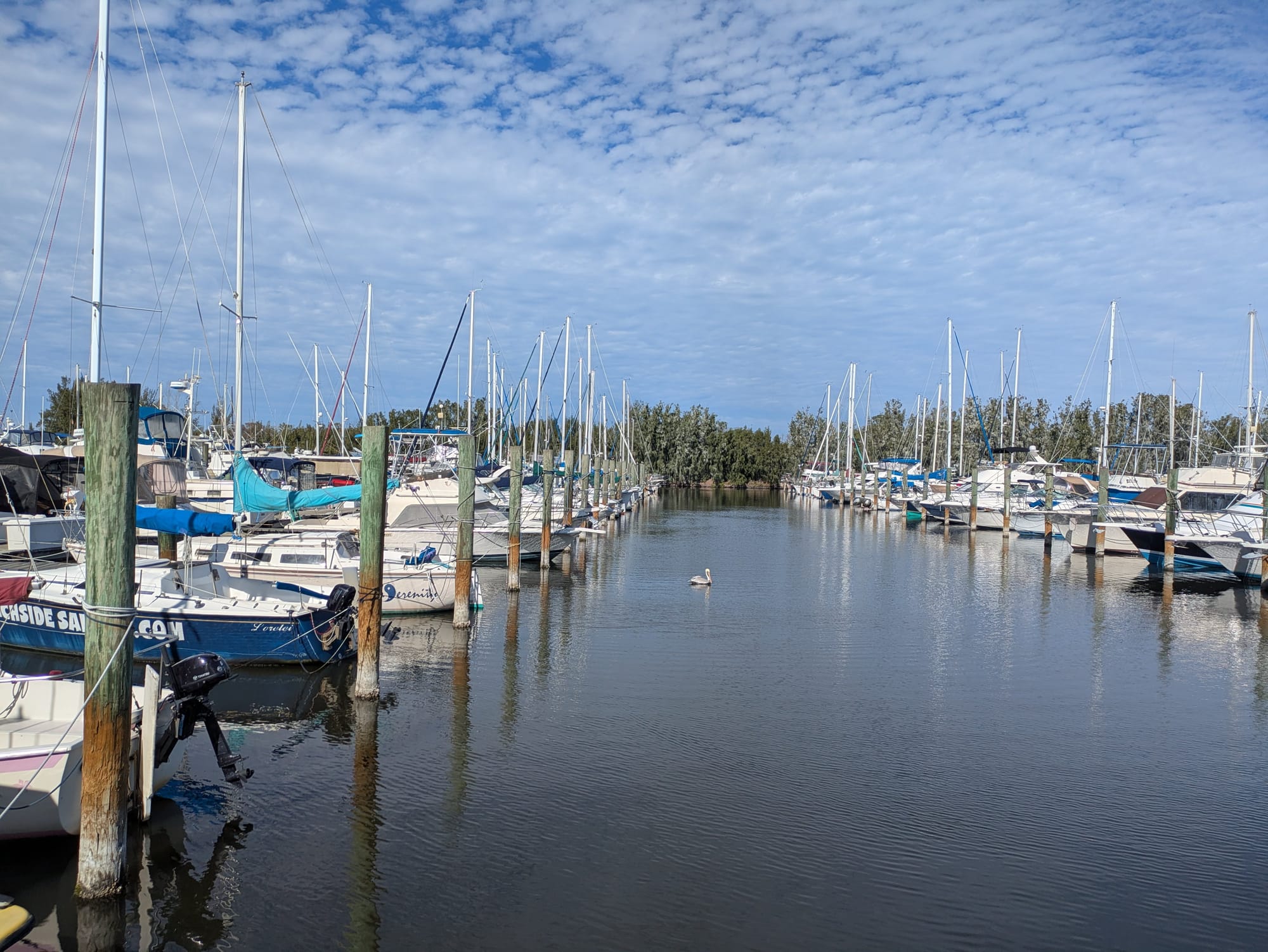
Boat wakes travel outwards, hitting shorelines, docks, walls and moored boats at marinas and private boat slips for rent near me. Over time, this repeated wave action can cause erosion and structural damage that’s hard to fix. For example, shorelines can slowly wash away, seawalls and docks can weaken or collapse and boats tied to docks can slam into each other, causing costly repairs for the owners.
By limiting wave action in these sensitive areas, you can help to preserve local infrastructure and reduce maintenance costs for individuals and local communities.
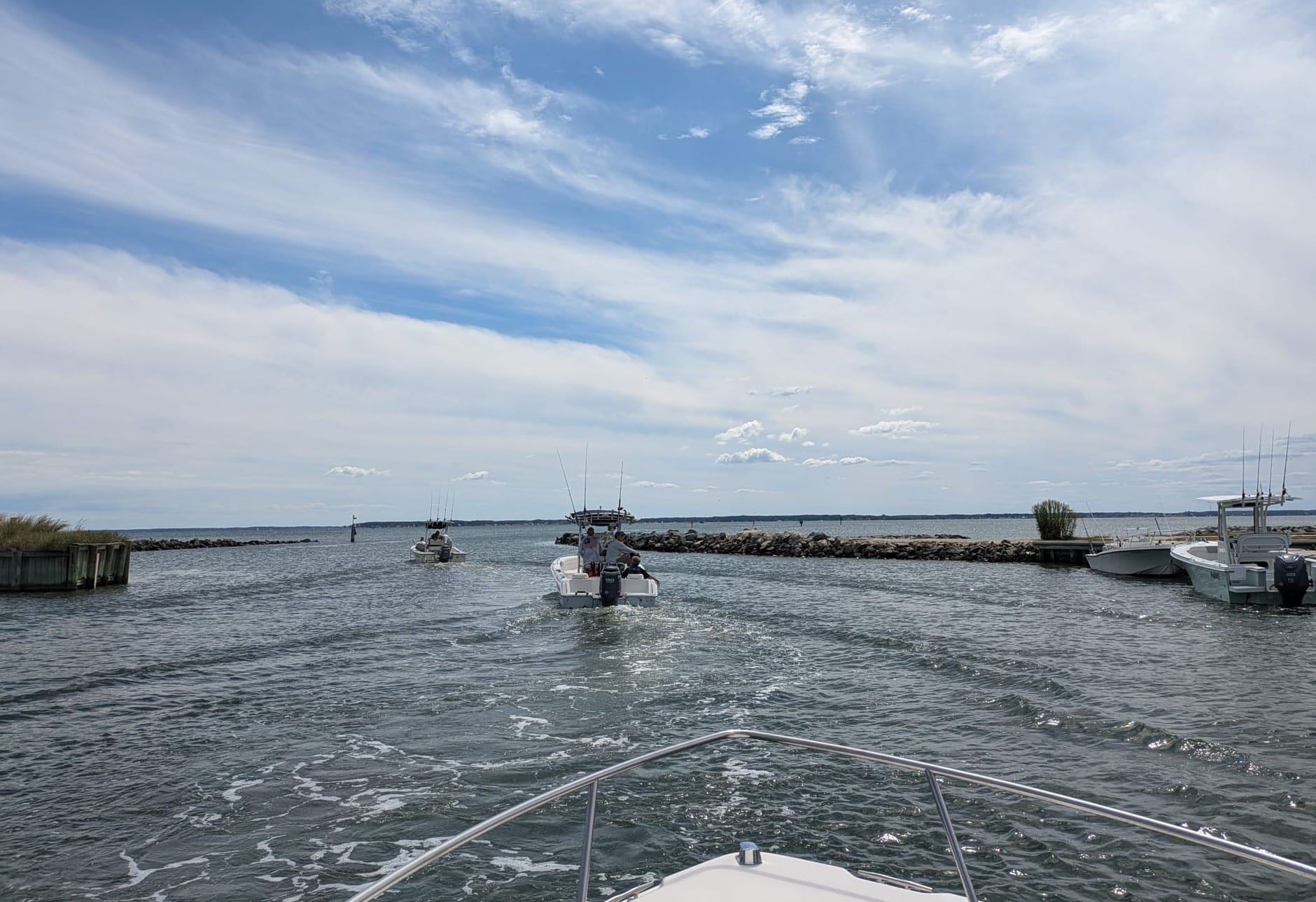
A Responsible Approach to No-Wake Zones
Ultimately, no-wake zones allow for better maneuverability in sensitive areas – whether that’s marinas and harbors, bridges and locks, a private boat lift rental or simply high-traffic areas. By operating at a slower speed when required (it’s recommended you slow down long before you reach the no-wake zone), you can navigate these spaces more effectively and keep the area safe for yourself and others.
Remember, no-wake zones are enforceable regulations, meaning that ignoring them could result in hefty fines or liability if your wake causes injury or damage. It’s a good idea to refer to boating safety advice for information on how best to handle them.
No-wake zones include:
- Bridge underpasses
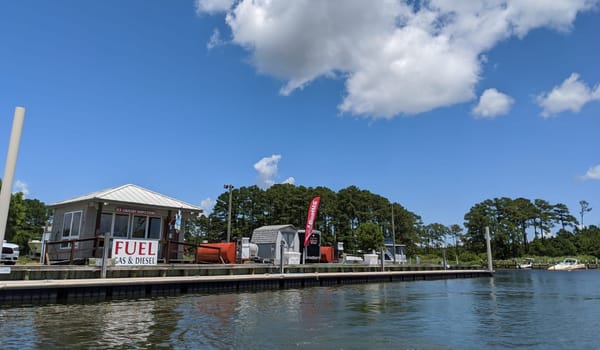
- Marinas, fuel docks and private boat slips for rent
- Crowded or narrow channels
- Shorelines, beaches and swimming areas
- Areas where visibility is limited
No-wake zones are there for many different reasons, and respecting them is essential. It’ll help make these areas safer for yourself, other people and the planet.