When to Upgrade Your Electronics - And When Not To

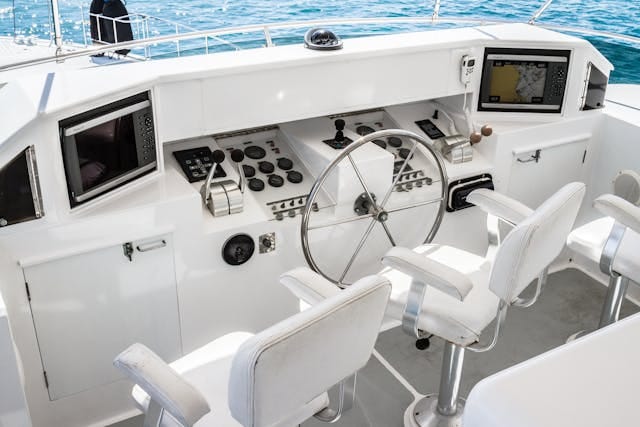
Upgrading your boat’s electronics can dramatically improve navigation, safety and overall enjoyment on the water every time you leave the marina or private boat dock for rent. But not every boat (or boater) needs the latest technology. Knowing when to invest in new systems (and when to hold off) can save money and prevent unnecessary complexity at the helm.
When It Makes Sense to Upgrade
1. Your Electronics Are No Longer Reliable
If your chartplotter freezes, your sonar cuts out or your VHF radio is inconsistent, it’s time to act. Reliability is not a luxury. It’s a safety requirement on the water and at marinas and private boat slip rentals near me. Aging systems can fail without warning, especially in harsh marine environments where moisture, vibration and salt take their toll. Upgrading to modern systems from brands like Garmin, Raymarine or Simrad often brings immediate improvements in performance and dependability.
2. You’ve Outgrown Your Current Capabilities
As your boating style evolves, your electronics should keep pace. For example:
- Moving from inland lakes to offshore waters
- Transitioning into fishing that requires advanced sonar or radar
- Taking longer cruises that require detailed navigation planning
Modern multifunction displays (MFDs) integrate charting, radar, AIS and engine data into a single interface. Apps like Navionics can complement onboard systems, but dedicated hardware remains essential for serious navigation as you leave the marina or private boat docks near me for rent.
3. Safety Features Are Lacking
Newer electronics often include safety-enhancing features such as:
- AIS (Automatic Identification System) for tracking nearby vessels
- Radar integration for low-visibility navigation
- Digital Selective Calling (DSC) on VHF radios
- Emergency position indication compatibility
If your current setup lacks these capabilities, especially for coastal or offshore boating, an upgrade is a smart move.
4. Your System Is No Longer Supported
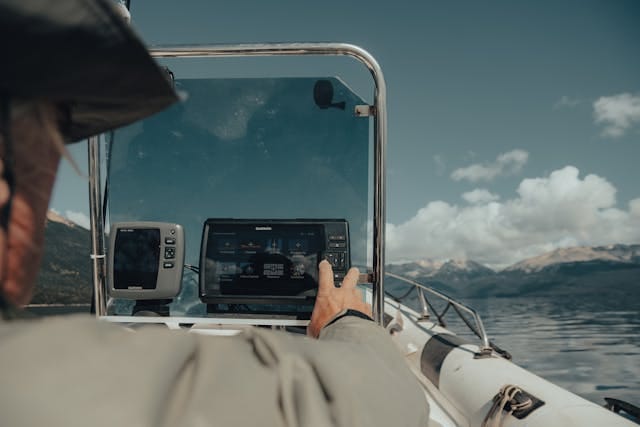
Technology evolves quickly. If your manufacturer no longer provides software updates, chart updates or replacement parts, your system may become obsolete. This can lead to inaccurate navigation data or limited compatibility with newer devices.
5. You Want Better Integration and Simplicity
Older boats often have a “patchwork” of standalone devices. Upgrading to a modern, networked system can simplify your helm by consolidating controls and displays. Touchscreen interfaces, wireless connectivity and smartphone integration allow for cleaner layouts and easier operation.
When You Should Hold Off on Upgrading
1. Your Current Electronics Meet Your Needs
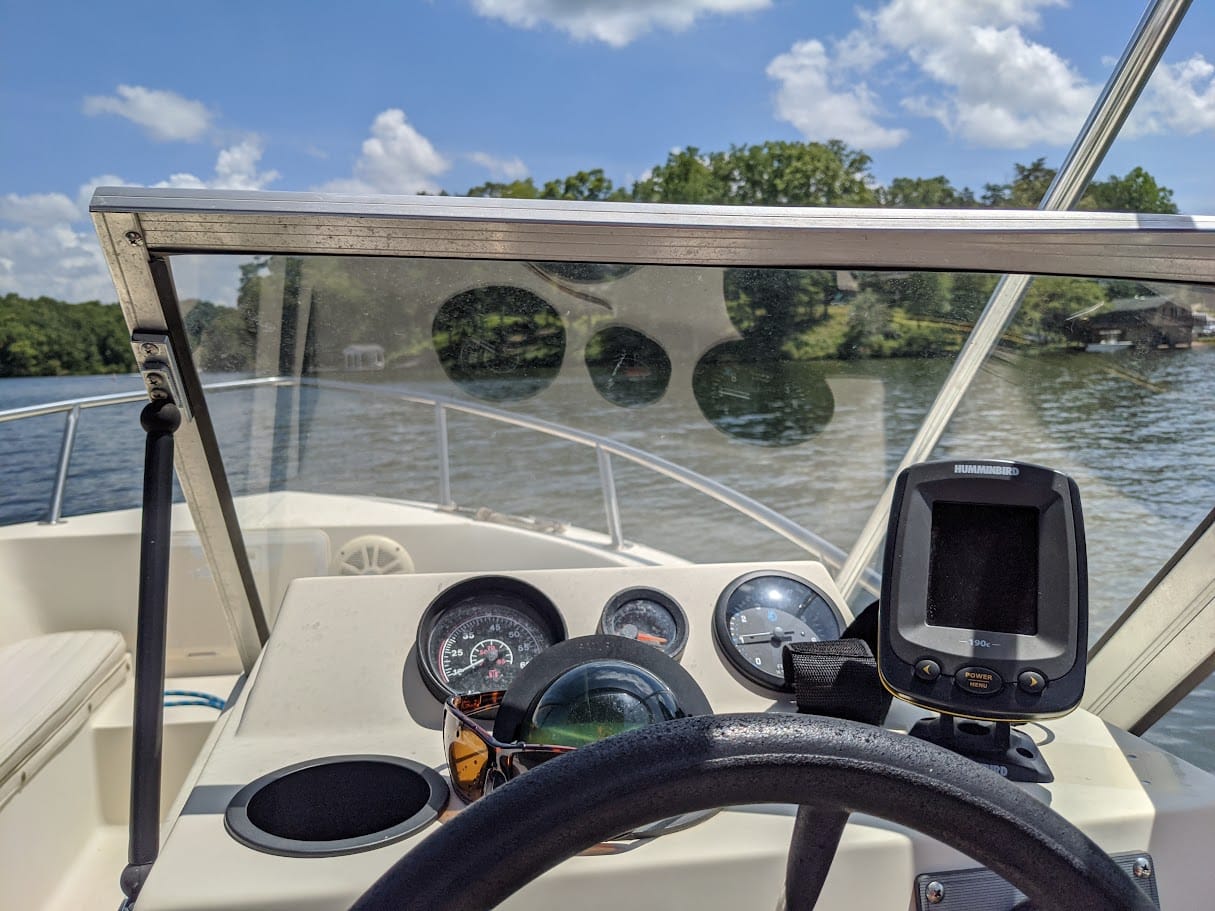
If your equipment is reliable and supports your type of boating, there may be no compelling reason to upgrade. A basic GPS/chartplotter and VHF radio are sufficient for many recreational boaters operating in familiar waters. Upgrading just for the sake of having the latest technology can add cost without meaningful benefit.
2. You’re Not Using Existing Features Fully
Many boaters only use a fraction of their electronics’ capabilities. Before upgrading, consider whether you’ve fully explored your current system:
- Are you using all available chart layers?
- Have you optimized sonar settings?
- Are you familiar with waypoint and route planning tools?
Learning your existing equipment may deliver the improvements you’re seeking, without spending a dollar.
3. Budget Priorities Lie Elsewhere
Electronics upgrades can be expensive, especially when installing multiple components. If your boat needs mechanical work, safety gear or structural maintenance, those should take priority. Reliable engines, sound hull integrity and proper safety equipment will always matter more than high-end displays.
4. Installation Complexity Outweighs Benefits
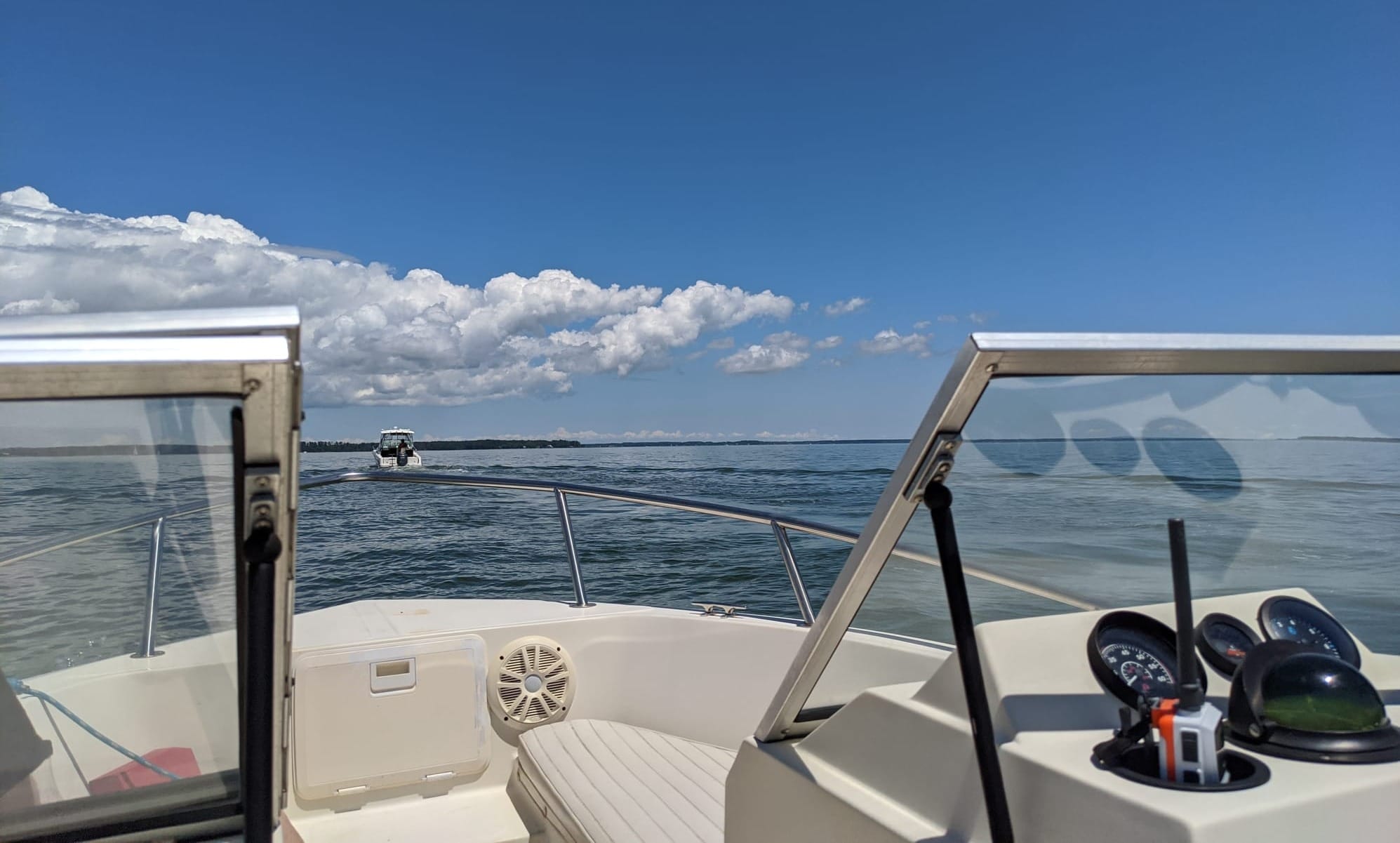
Modern marine electronics often require networking, transducers, antennas and software configuration. On older boats, installation can become complicated and costly. If the upgrade requires extensive rewiring or structural modifications, carefully weigh whether the benefits justify the effort.
5. You Plan to Sell or Upgrade the Boat Soon
Major electronics upgrades rarely return full value at resale. If you’re planning to sell your boat in the near future, it may be better to keep your current setup and let the next owner decide on upgrades.
Finding the Right Balance
The decision to upgrade should be driven by function, safety and long-term value, not trends. A thoughtful approach includes:
- Evaluating how you actually use your boat
- Identifying gaps in safety or capability
- Considering total cost, including installation
- Prioritizing reliability over novelty
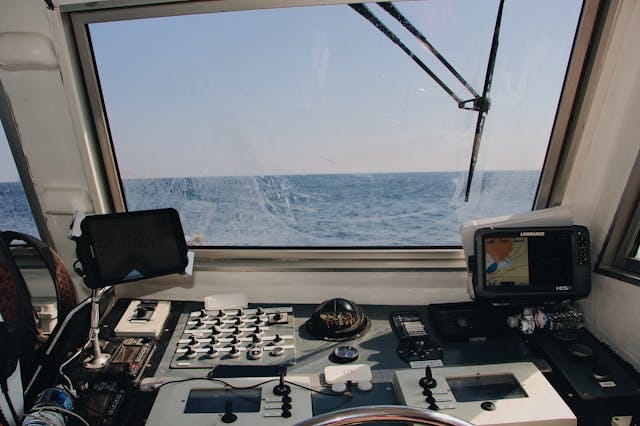
In many cases, a targeted upgrade, such as replacing an outdated chartplotter or adding AIS, can deliver the biggest benefit without overhauling your entire system.
Technology Should Serve the Experience
Boat electronics are tools designed to enhance your time on the water, not complicate it. The best setup is one that you understand, trust and use with confidence, whether you’re out on the water or at a private boat lift for rent.
Upgrade when your equipment limits your safety or enjoyment. Hold off when it already meets your needs. Striking that balance ensures your investment supports what matters most: safe, capable and enjoyable boating.