Adventures in Boating: Planning a Great Loop Journey

Planning a trip along the Great Loop, whether from a marina or a private boat dock rental, is less like mapping a vacation and more like preparing for a lifestyle. Spanning roughly 6,000 miles through rivers, canals, lakes and coastal waterways, the Loop offers one of North America’s most ambitious and rewarding cruising adventures. Completing it requires careful preparation, flexible timing and a willingness to adapt as conditions change.
Understanding the Route
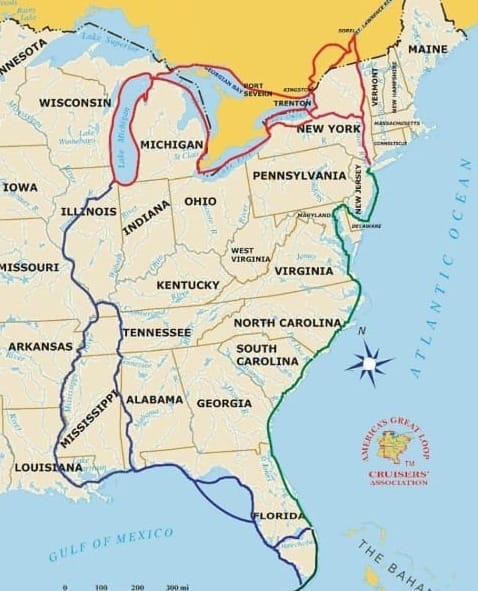
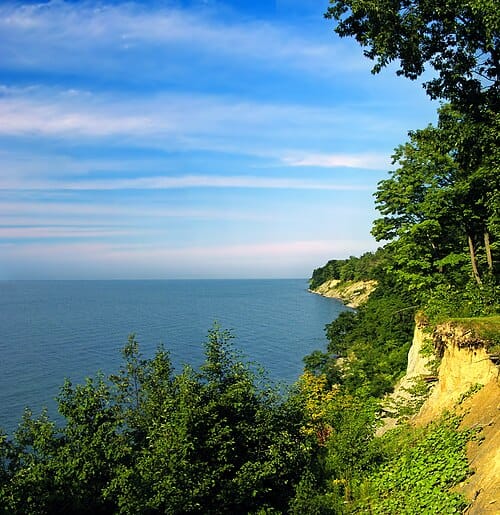
The Great Loop is not a single fixed path but a network of connected waterways. Most boaters travel counterclockwise, beginning on the East Coast, heading north along the Intracoastal Waterway, passing through the Erie Canal, crossing the Great Lakes and then descending inland rivers such as the Illinois River and the Mississippi River before connecting to the Tennessee–Tombigbee Waterway and ultimately returning to the Gulf and Atlantic coasts.
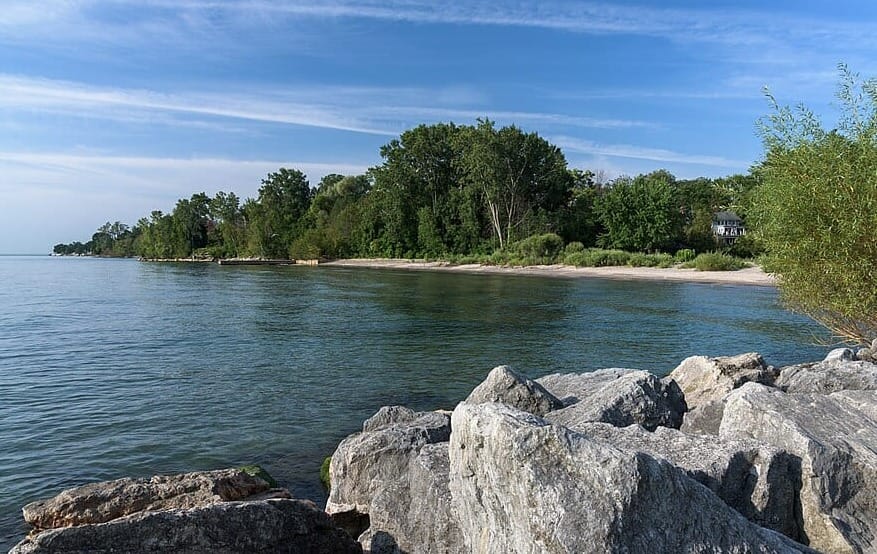
Each segment presents distinct conditions, whether it be tidal currents along the coast, narrow canals in New York, open-water crossings on the Great Lakes or lock systems on inland rivers. Understanding these variations early helps shape both your timeline and your vessel choice.
Choosing the Right Boat
There is no single “ideal” Loop boat, but practical considerations narrow the field. Air draft is critical due to bridge clearances, particularly the 19-foot limit often cited for the Erie Canal. Fuel efficiency matters as well, especially on long inland stretches where marinas may be spaced far apart. Trawlers, power cruisers and some sailboats (with manageable mast height or the ability to unstep the mast) are among the most common choices.
Comfort is equally important. Because many Loopers spend months (sometimes more than a year) aboard, interior space, storage and livability can matter as much as performance.
Timing and Seasons
Most Loopers follow a seasonal migration pattern to stay within favorable weather windows. A typical schedule might include:
- Spring and early summer on the East Coast and canals
- Summer on the Great Lakes
- Fall along inland rivers
- Winter along the Gulf Coast or in Florida
This timing helps avoid hurricane season in the South and harsh winter conditions in northern waters. Still, flexibility is essential. Weather, mechanical issues and personal pace can all shift the timeline.
Budgeting the Journey
Costs for a Great Loop trip vary widely, but major categories include fuel, dockage (either at a marina or a private boat slip for rent near me), maintenance, insurance and provisions. Some boaters anchor frequently to reduce expenses, while others prefer marinas for convenience and amenities.
Unexpected costs are inevitable, including repairs, weather delays or longer stays in particularly appealing locations. Building a financial cushion into your plan is as important as plotting your route.
Navigation and Skills
The Loop does not require advanced offshore experience, but it does demand competence in navigation, boat handling and situational awareness. Boaters must be comfortable with:
- Locking through systems on canals and rivers
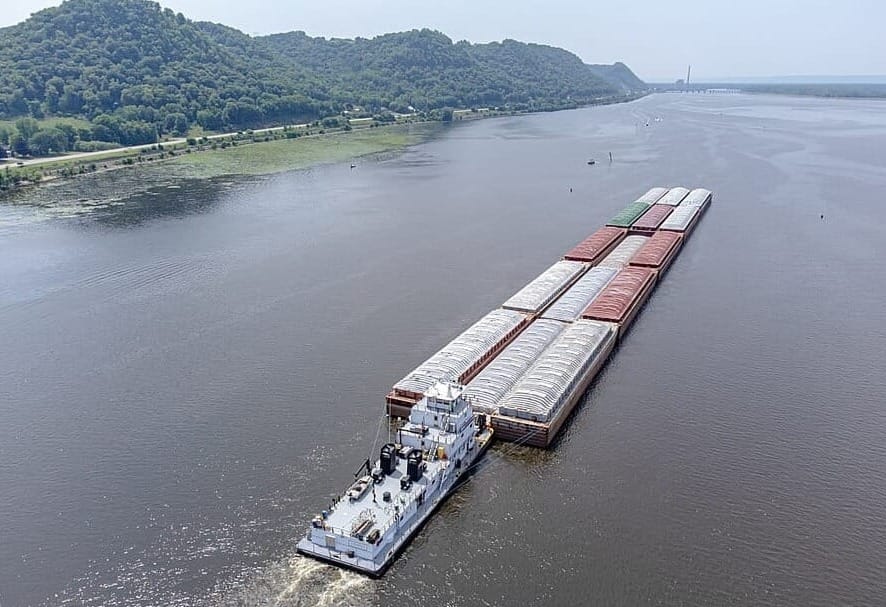
- Navigating commercial traffic, especially on the Mississippi River
- Reading charts and electronic navigation systems
- Adjusting to tides, currents and changing depths
Many first-time Loopers gain experience through shorter trips or training courses before committing to the full route.
Community and Resources
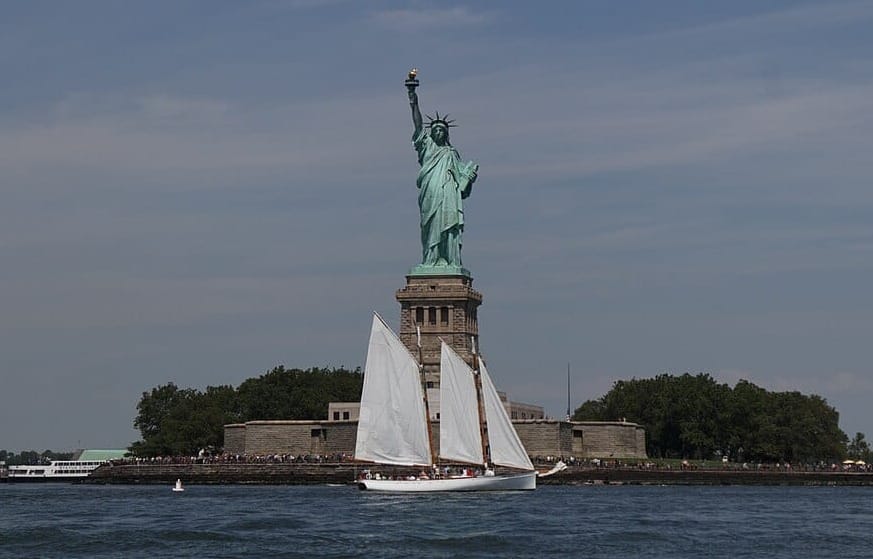
One of the defining aspects of the Great Loop is its community. Organizations such as the America's Great Loop Cruisers' Association provide route guidance, educational materials and a network of fellow boaters. Along the way, “Looper” burgee flags often signal shared experience, turning marinas and anchorages into informal gathering places.
This sense of camaraderie can be invaluable, particularly when navigating unfamiliar waters or troubleshooting challenges.
Planning for Flexibility
Even the most detailed plan will evolve after leaving marinas or private boat lifts for rent. Weather patterns, water levels and personal preferences often lead boaters to adjust their routes or pace. Some linger in favorite regions for weeks, while others move steadily to complete the Loop within a set timeframe.
Approaching the journey with adaptability, and not rigid scheduling, helps reduce stress and allows for a more rewarding experience.
More Than a Route
At its core, the Great Loop is not just a navigational achievement but a transformative journey. It connects diverse landscapes, from urban skylines to remote marshes, and introduces boaters to a wide cross-section of North American culture and geography.
Planning carefully sets the stage, but the true value of the Great Loop lies in the experience itself: the changing scenery, the challenges overcome and the rhythm of life on the water.