All About the Isinglass: Types, Care and Maintenance

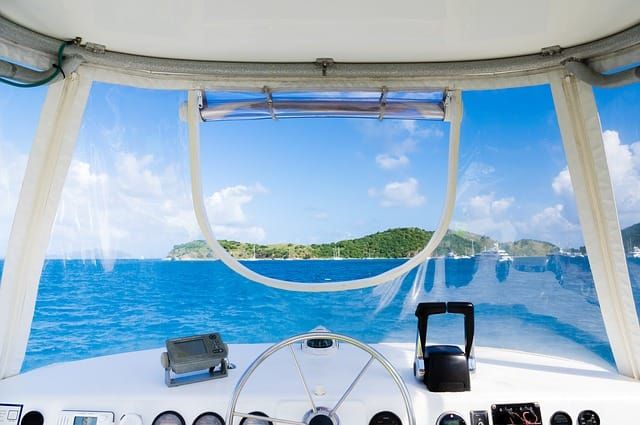
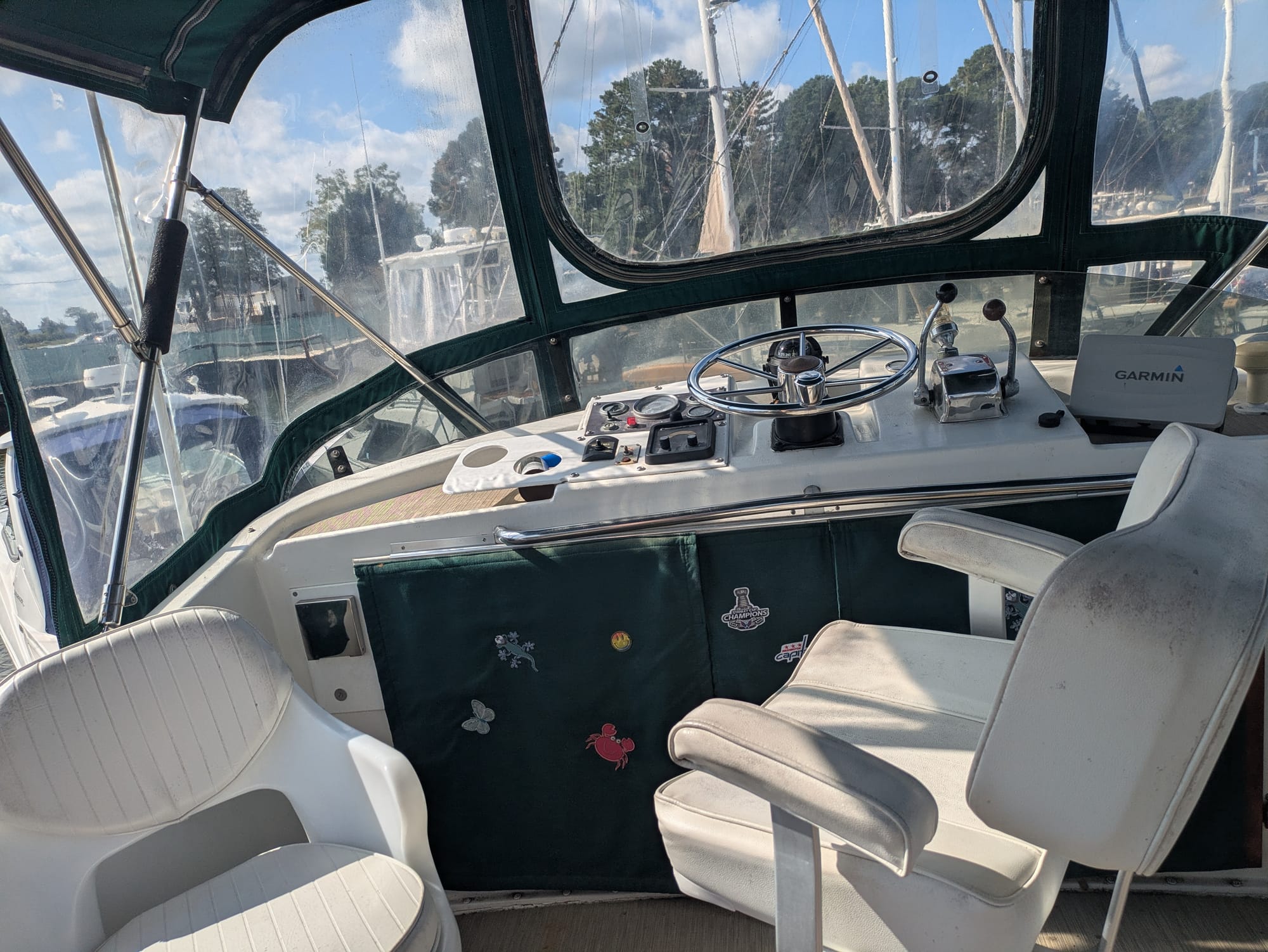
Boat isinglass provides protection from wind, spray, rain, sun and other elements while preserving visibility from the helm and cockpit. Commonly used in boat enclosures, dodgers and bimini tops, these clear panels allow boaters to enjoy sheltered spaces without sacrificing the view. Proper material selection, cleaning and storage at home or at private boat docks for rent help maintain clarity and extend the service life of these flexible windows.
What Is Boat Isinglass?
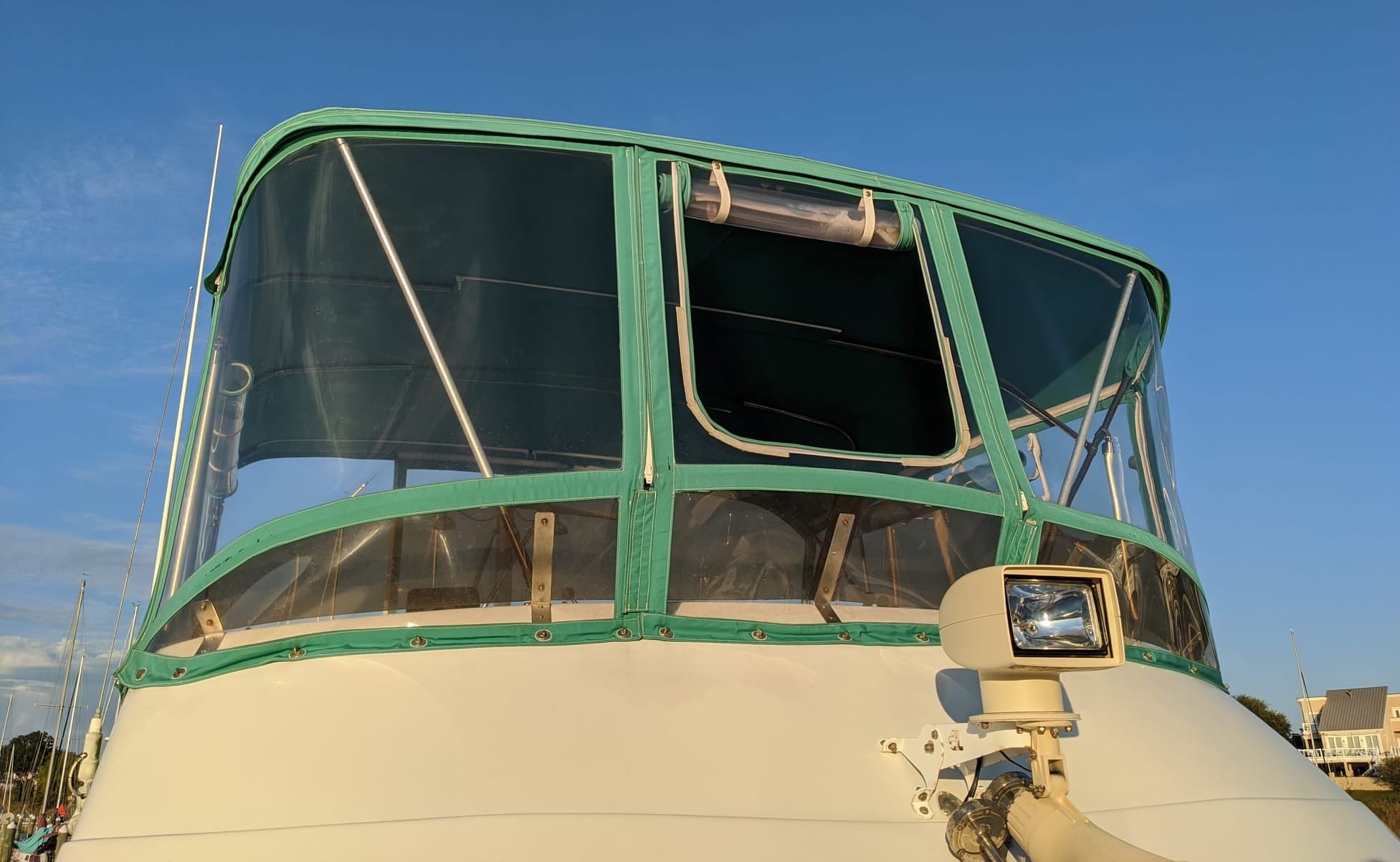
Isinglass is a traditional term used in the marine industry for clear, flexible plastic window material installed in canvas enclosures. Although the name originally referred to a mineral, modern marine isinglass typically consists of clear vinyl, often made from polyvinyl chloride (PVC). Some boaters and canvas manufacturers use the term interchangeably with clear vinyl, although marine window materials vary in composition, thickness and performance.
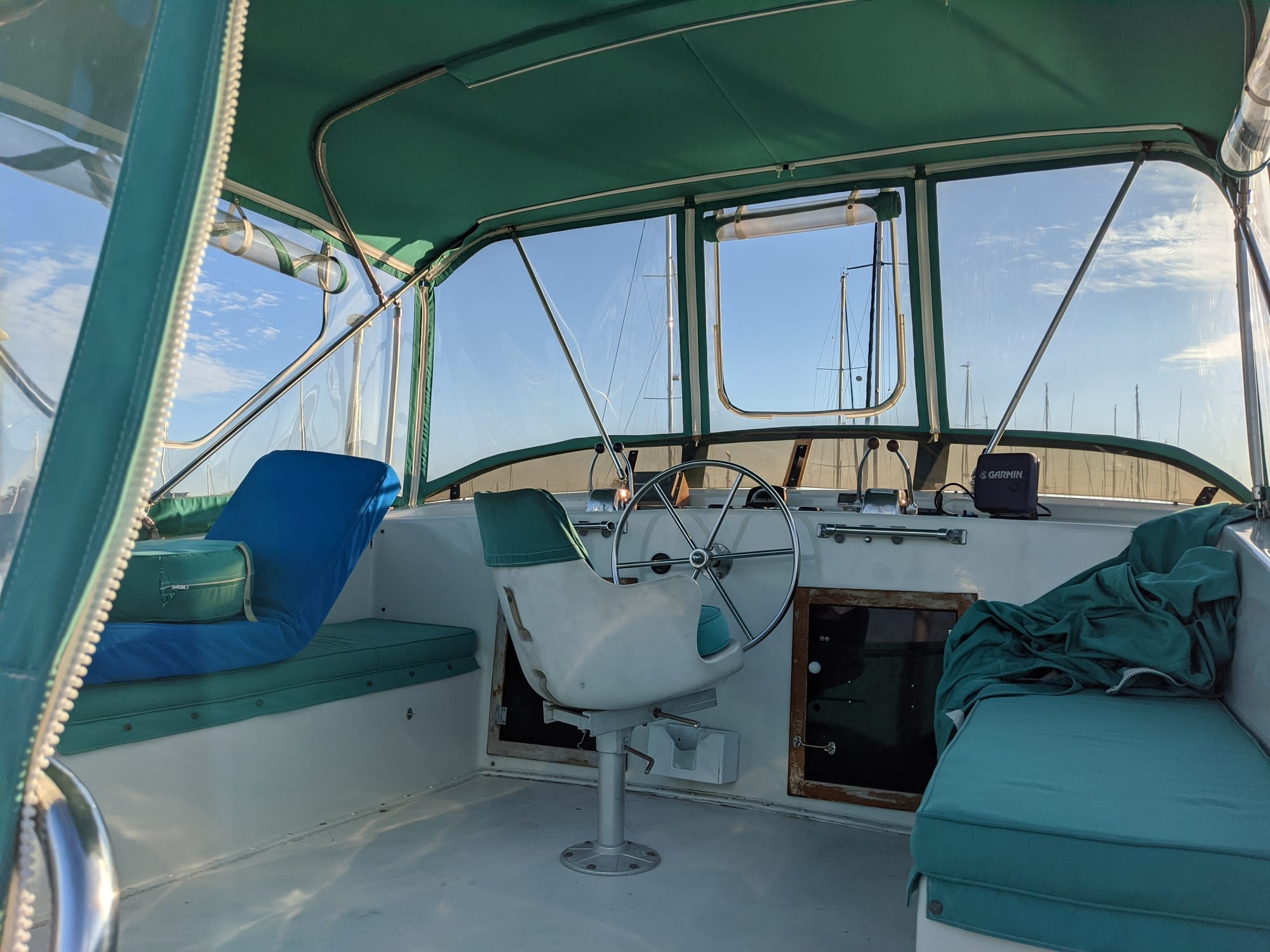
These panels are commonly found in cockpit enclosures, sailboat dodgers, bimini enclosures and other canvas structures. They provide protection from wind and weather while allowing natural light into the covered area. Unlike rigid glass or acrylic windows, flexible vinyl panels can be rolled or folded when the enclosure is opened, depending on the manufacturer's recommendations.
Types of Clear Marine Vinyl
Boat owners can choose from several types of clear marine window material, each offering different characteristics.
- Standard clear vinyl: An economical option for many enclosures, standard vinyl provides good visibility and weather protection. Its resistance to scratching, yellowing and environmental damage depends on its quality and construction.
- Strata-glass: This type of clear vinyl is designed to offer improved clarity and durability compared with many basic vinyl products. It’s commonly used in higher-quality marine enclosures.
- Press-polished vinyl: Manufactured using a process that produces a smooth and clear surface, press-polished vinyl is often selected for enclosures where optical clarity is important.
- Rigid marine glazing: Acrylic and polycarbonate panels are alternatives to flexible isinglass. Acrylic offers good optical clarity, while polycarbonate provides high impact resistance. Both require different installation and maintenance methods and generally cannot be rolled like flexible vinyl.
When selecting material, boaters should consider thickness, flexibility, UV resistance, clarity and compatibility with the existing canvas enclosure. The intended use and the manufacturer's care instructions are also important.
Companies that produce isinglass include:
- Strataglass LLC
- Achilles USA Inc.
- AquaTop
- EZ2CY
Cleaning and Maintaining Isinglass
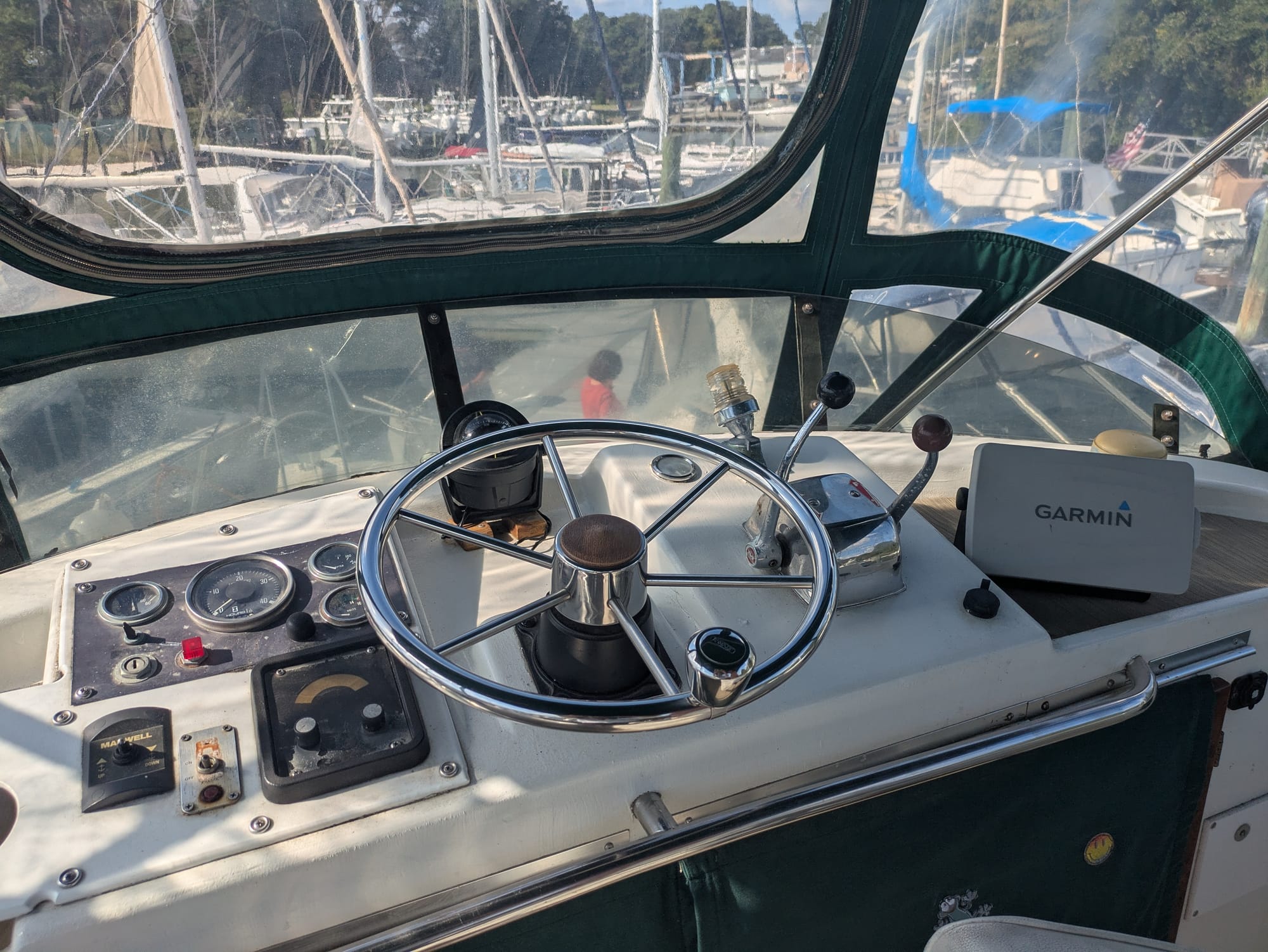
Regular maintenance helps prevent cloudiness, scratches and premature deterioration. Salt, dust, sunscreen and airborne contaminants can accumulate on clear panels, reducing visibility and potentially damaging the surface during cleaning.
Rinse the panels with fresh water before wiping them to remove loose dirt and salt. Use a cleaner specifically formulated for clear marine vinyl, along with a soft microfiber cloth or another manufacturer-approved cleaning material. Avoid household glass cleaners unless the window manufacturer confirms they’re suitable. Products containing ammonia, alcohol or other incompatible solvents may damage certain marine plastics.
Never use abrasive pads, paper towels, stiff brushes or dry cloths to scrub the surface. These materials can create fine scratches that gradually reduce clarity. For stubborn deposits, follow the recommendations for the specific window material rather than applying excessive pressure.
After cleaning, allow the panels to dry as directed by the manufacturer. Compatible marine vinyl protectants may help limit UV-related deterioration and make routine cleaning easier, but they should be used only when approved for the material.
Storage and Handling
Improper handling is a common cause of damage to flexible boat windows. Rolling or folding dirty panels can trap grit against the surface, leading to scratches and permanent creases. Cold temperatures can also make some vinyl materials less flexible and cause them to shrink.
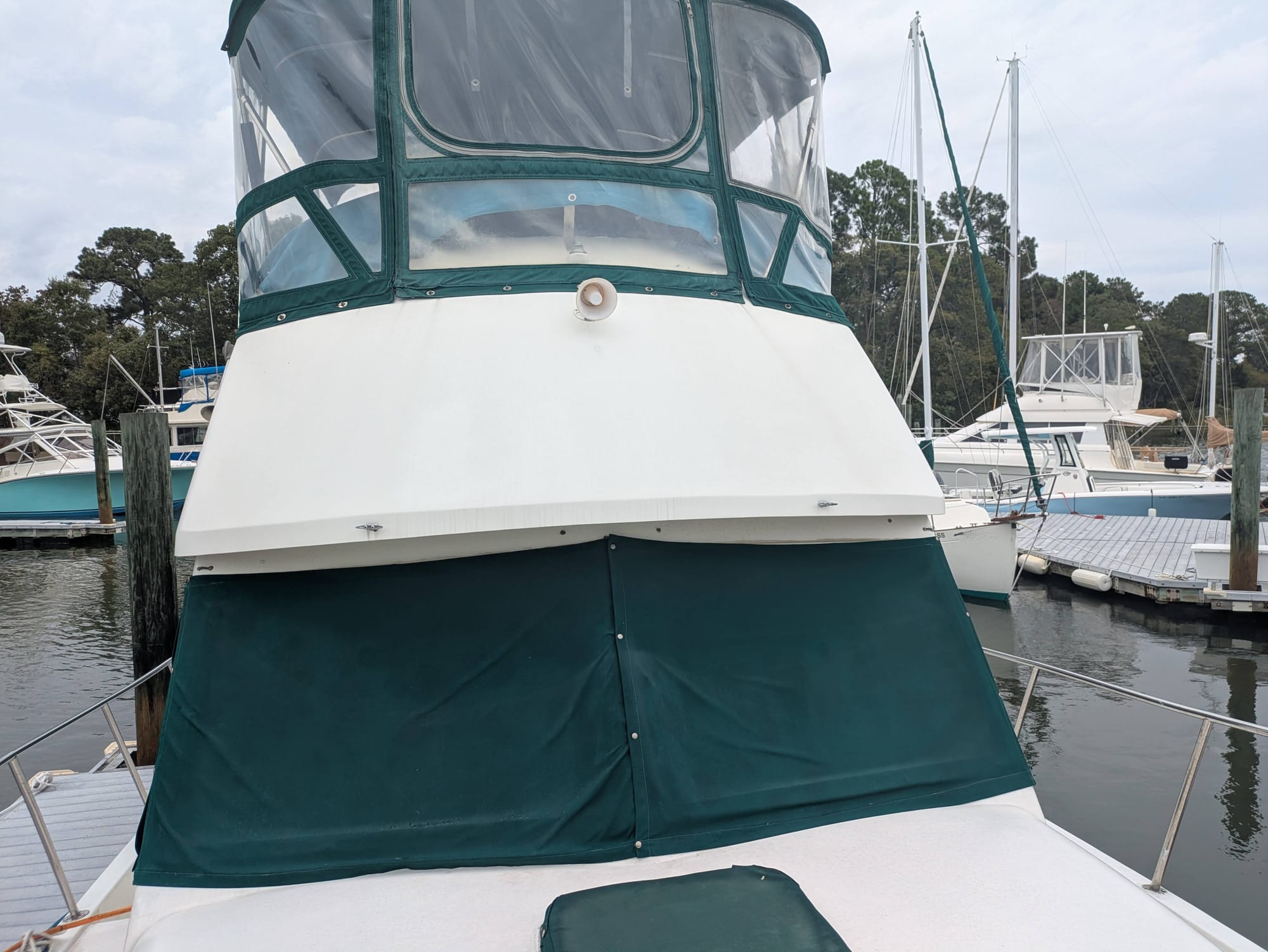
Whenever possible, keep clear panels installed and supported when they are not in use. If removal is necessary, such as while staying at a covered private boat lift rental or marina slip, clean them first and follow the manufacturer's guidance for rolling, folding and storing. Avoid placing heavy objects on stored panels, and keep them away from sharp edges, excessive heat and incompatible materials.
While docked at marinas or private boat slip rentals near me, inspect the surrounding canvas, seams, zippers, snaps and fasteners regularly. Loose fittings and worn stitching can allow water intrusion, causing mildew, or place unnecessary stress on the windows.
When to Replace Boat Isinglass
Some surface contamination can be removed with appropriate cleaning, but deeper damage may be irreversible. Persistent cloudiness, yellowing, extensive scratching, cracking, brittleness and distorted visibility are signs that replacement may be necessary.
Minor problems with fasteners or enclosure seams may be repairable without replacing the entire assembly. However, widespread deterioration or compromised visibility can make new panels a better long-term investment.
Boat isinglass plays an important role in comfort, visibility and weather protection. Choosing suitable marine window material and maintaining it with compatible products can help preserve its appearance and performance for many boating seasons.