Boating Safety: The 3 R Rule: Recognize, React and Recover

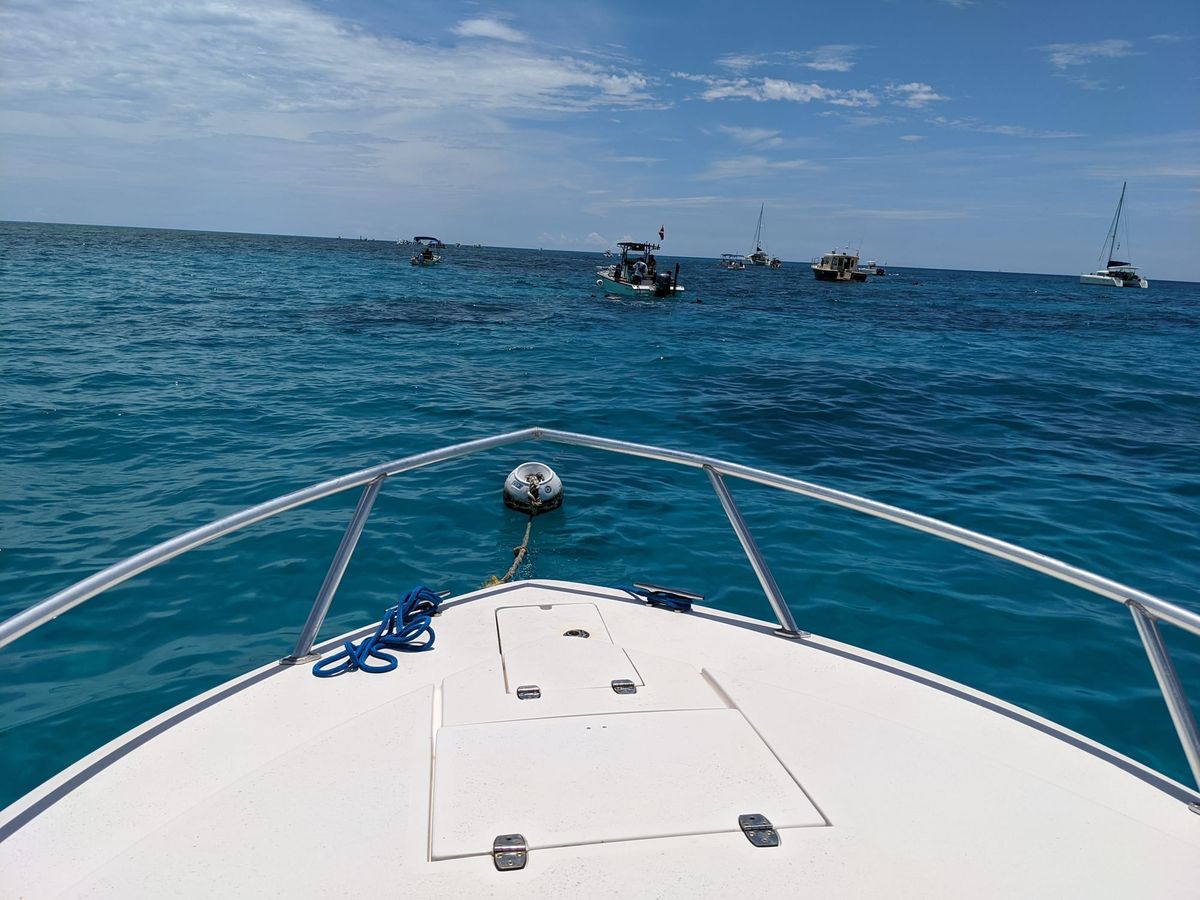
Whether cruising along a quiet inland lake or navigating coastal waters, boating demands more than basic operational skill. It requires situational awareness and the ability to respond effectively when conditions change. The “Three Rs” of boating: Recognize, React, and Recover, provide a simple but powerful framework for handling on-the-water challenges and emergencies. It’s an important concept to keep in mind whenever leaving a marina or private boat slips for rent near me.
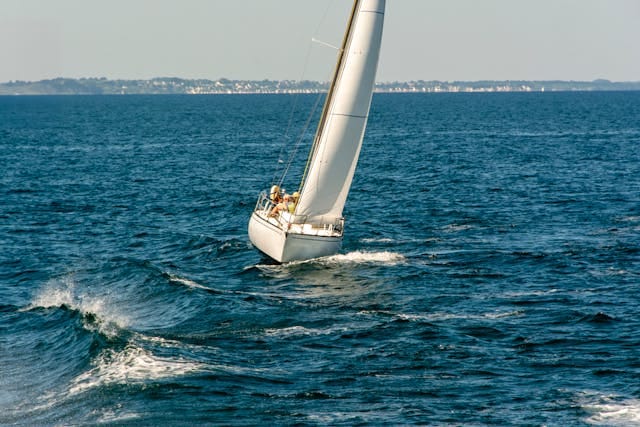
Recognize: Awareness Is Your First Line of Defense
Safe boating begins with the ability to identify potential risks before they escalate. “Recognize” means staying alert to your surroundings, your vessel and the people onboard. This includes monitoring weather patterns, water conditions and vessel traffic. Sudden wind shifts, darkening skies or increased wave activity can signal incoming trouble. Mechanical warning signs (such as unusual engine noise, vibration or steering difficulty) also require immediate attention.
Operators should also recognize human factors. Fatigue, inexperience and distractions can all impair judgment. Organizations like the U.S. Coast Guard emphasize maintaining a proper lookout at all times, which includes scanning the horizon, checking instruments and staying aware of nearby boats and hazards. Recognizing risk early gives you valuable time to make informed decisions and avoid escalation.
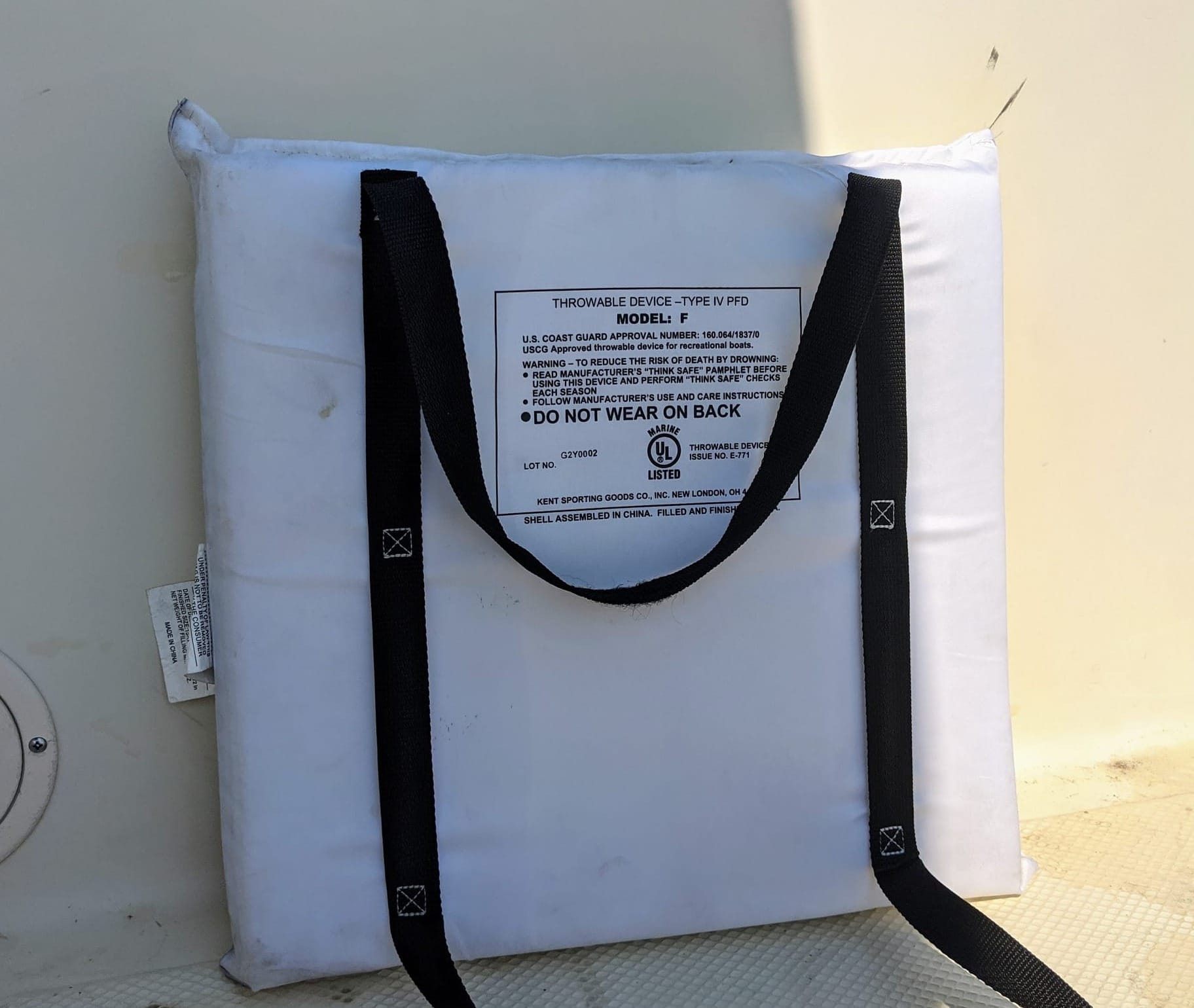
React: Take Decisive and Appropriate Action
Once a potential hazard is identified, the next step is to respond quickly and effectively. “React” focuses on immediate action to stabilize the situation and protect everyone onboard. For example, if severe weather approaches, reacting may involve reducing speed, heading toward safe harbor or ensuring all passengers are wearing life jackets. In the event of engine failure, proper reaction includes deploying an anchor if necessary, signaling for help and preventing drift into dangerous areas.
Clear communication is critical during this phase. Assigning simple tasks, such as handling lines, monitoring radio channels or assisting passengers, can help maintain order. Training programs like those from the U.S. Power Squadrons stress the importance of practicing emergency procedures so reactions become second nature. A calm and decisive response can prevent a manageable problem from becoming a crisis.
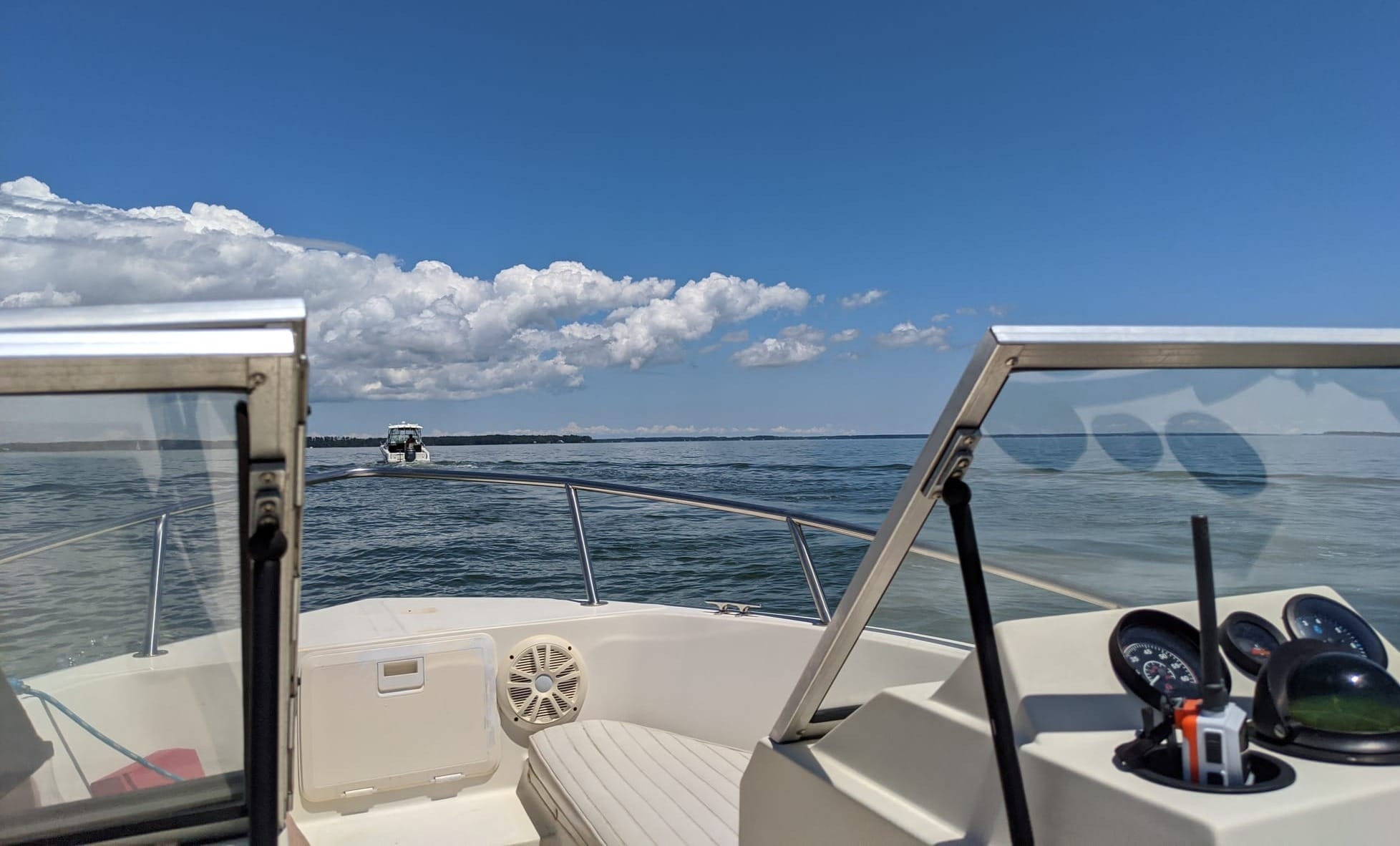
Recover: Regain Control and Return to Safety
After the immediate danger has been addressed, the final step is to restore stability and ensure everyone’s well-being. “Recover” involves assessing the situation, addressing any remaining risks, and returning safely to shore or continuing the journey with caution.
Recovery might include restarting systems, administering first aid or evaluating whether it is safe to proceed. If someone has fallen overboard, recovery procedures, such as maneuvering carefully back to the individual and using proper reboarding techniques, are essential.
It’s also important to reflect on what occurred. Reviewing the incident helps improve future decision-making and reinforces safe boating habits. Many boating safety courses, including those aligned with National Association of State Boating Law Administrators (NASBLA) guidelines, highlight post-incident evaluation as a key learning tool.
Why the Three Rs Matter
Boating environments can change rapidly, and even experienced operators encounter unexpected situations. The Three Rs framework simplifies decision-making under pressure:
- Recognize hazards early
- React quickly and effectively
- Recover safely and thoughtfully
By internalizing these steps, boaters can improve safety, reduce risk and build confidence on the water every time they leave a marina or private boat docks for rent.
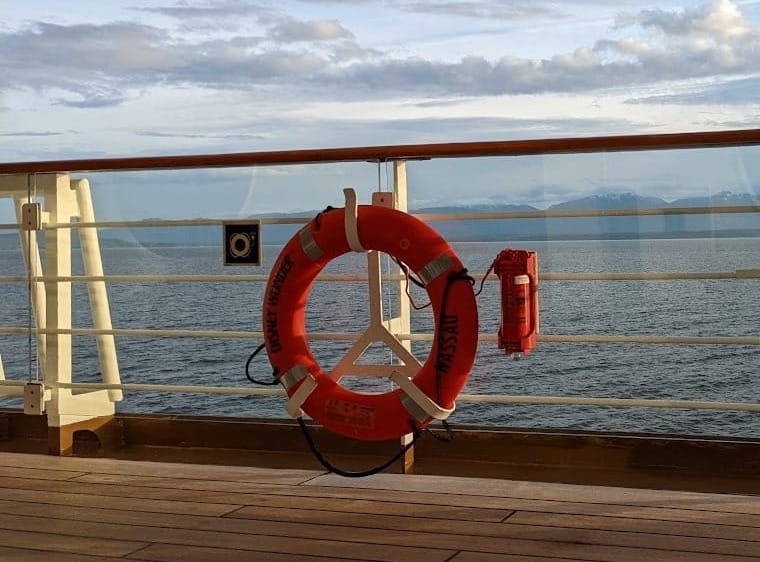
Boating Safety Checklist: The Three Rs
RECOGNIZE (Identify the Risk Early)
- Scan constantly: horizon, water, traffic
- Watch weather changes (wind, clouds, waves)
- Listen/feel for mechanical issues
- Monitor passengers (fatigue, balance, awareness)
- Trust your instincts—if something feels off, it is
REACT (Take Immediate Action)
- Slow down or stop if needed
- Adjust course toward safe water or harbor
- Ensure all passengers wear life jackets
- Assign simple tasks (lines, lookout, radio)
- Use VHF radio or signals if assistance is needed
- Stay calm and give clear directions
RECOVER (Return to Safety)
- Account for all passengers
- Provide first aid if needed
- Stabilize vessel (anchor, restart systems)
- Retrieve overboard persons safely
- Decide: continue or return to shore
- Review what happened and learn from it
The Three Rs are not just a checklist. They represent a mindset. Preparedness, awareness and adaptability are essential traits for any responsible boater cruising out from marinas or private boat lift rentals. Whether you’re a beginner or a seasoned mariner, applying Recognize, React and Recover can make the difference between a close call and a serious incident. At private boat lift rentals