Curtain Tracks for Interior Curtains: Types, Installation and Maintenance


Curtain tracks provide a practical way to hang interior curtains on boats while accommodating limited space, curved bulkheads and movement while underway. Unlike conventional curtain rods, marine curtain tracks can follow curved cabin windows, fit close to the ceiling and keep fabric securely in place. Choosing the right track helps boat owners balance privacy, light control, appearance and ease of use, whether they’re out on the water or staying at a private boat dock for rent.
Types of Marine Curtain Tracks
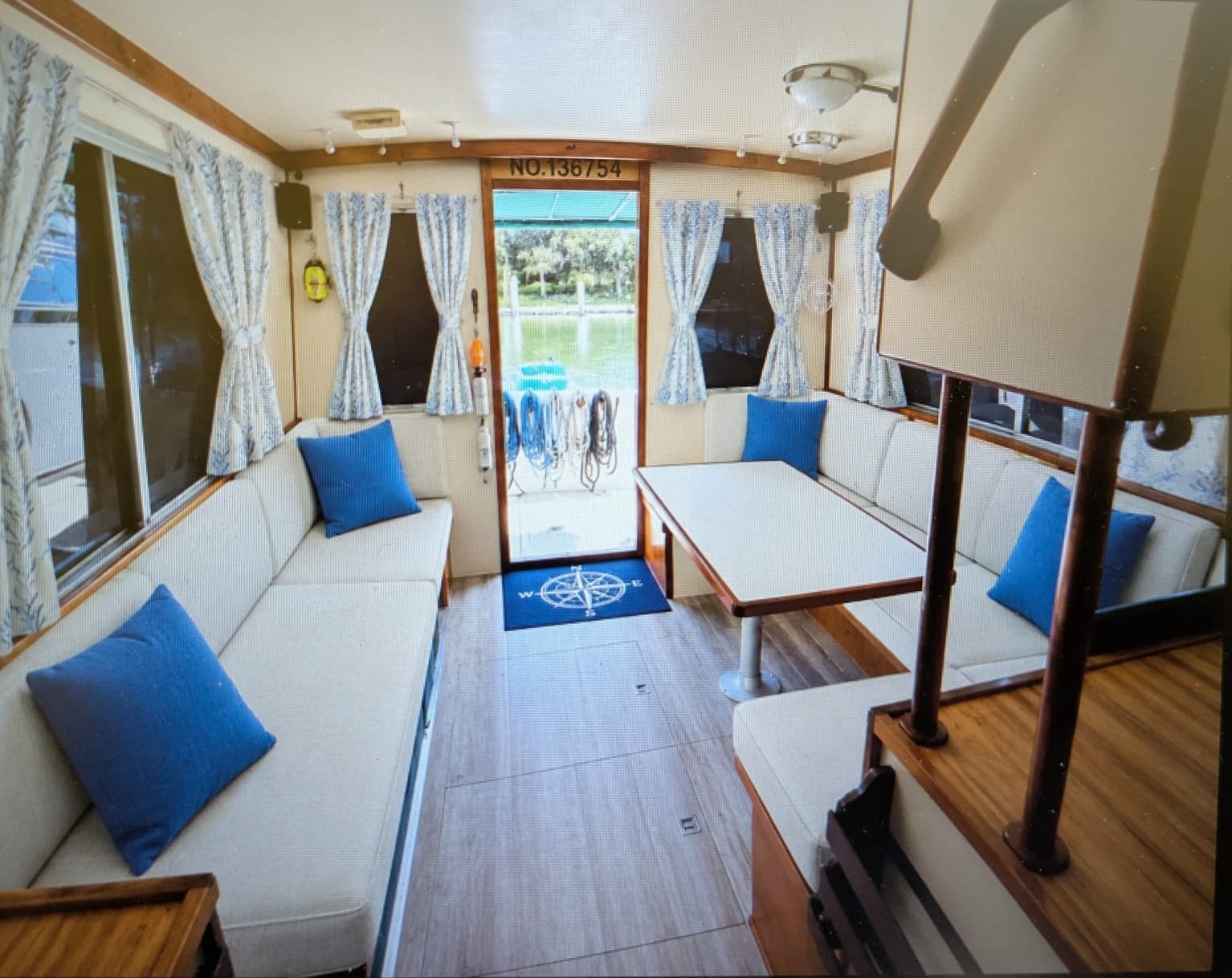
Several curtain track styles work well in boat interiors, from ceiling and wall-mounted to flexible and rigid tracks. The best choice depends on the window configuration, available mounting space, curtain weight and desired appearance.
Ceiling-Mounted Tracks
Ceiling-mounted tracks attach directly to the overhead or a horizontal mounting surface above the window. They create a streamlined appearance and allow curtains to hang close to the ceiling, making them suitable for salons, cabins and sleeping areas. Low-profile designs are particularly useful where headroom is limited.
Wall-Mounted Tracks
Wall-mounted tracks attach to a vertical surface above or beside a window. They can be useful when the overhead is inaccessible or unsuitable for mounting hardware. However, they may require additional clearance between the track and the window to allow the curtains to hang properly.
Flexible Tracks
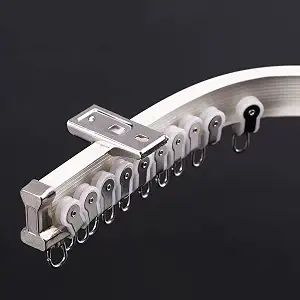
Flexible curtain tracks can bend to follow curves and rounded corners. These tracks are useful for boat windows that do not have straight upper edges or for installations that wrap around multiple sides of a cabin. The track's minimum bend radius and the manufacturer's installation instructions determine how tightly it can curve.
Rigid Tracks
Rigid tracks are generally made from aluminum or plastic and are suited to straight runs. Aluminum tracks provide a durable option for frequently used curtains, while plastic tracks may be suitable for lighter fabrics and less demanding applications. Some rigid systems can be connected with compatible curved sections and joining components.
Choosing the Right Track
Marine environments expose curtain hardware to humidity, condensation, salt air and temperature changes. Materials and finishes should therefore be selected with corrosion resistance and durability in mind.
Anodized aluminum and suitable marine-grade stainless steel components can provide good corrosion resistance, although performance depends on the alloy, finish and surrounding environment. Plastic tracks are not susceptible to metal corrosion, but their resistance to ultraviolet exposure, heat and wear varies.
The track must also support the curtain's weight without sagging or binding. Lightweight decorative curtains generally require less robust hardware than lined blackout curtains. Consider the weight of the fabric, the number of gliders or carriers and the spacing of mounting points when selecting a system.
For curved installations, check whether the track can be bent by hand, requires a specific bending tool or must be purchased in a preformed shape. Not every flexible track is suitable for tight curves.
Companies that produce and sell marine curtain tracks include:
- RECMAR Products
- TACO Marine
- JR Products
- R.F. May Company
- Sailrite
Gliders, Carriers and Curtain Attachments
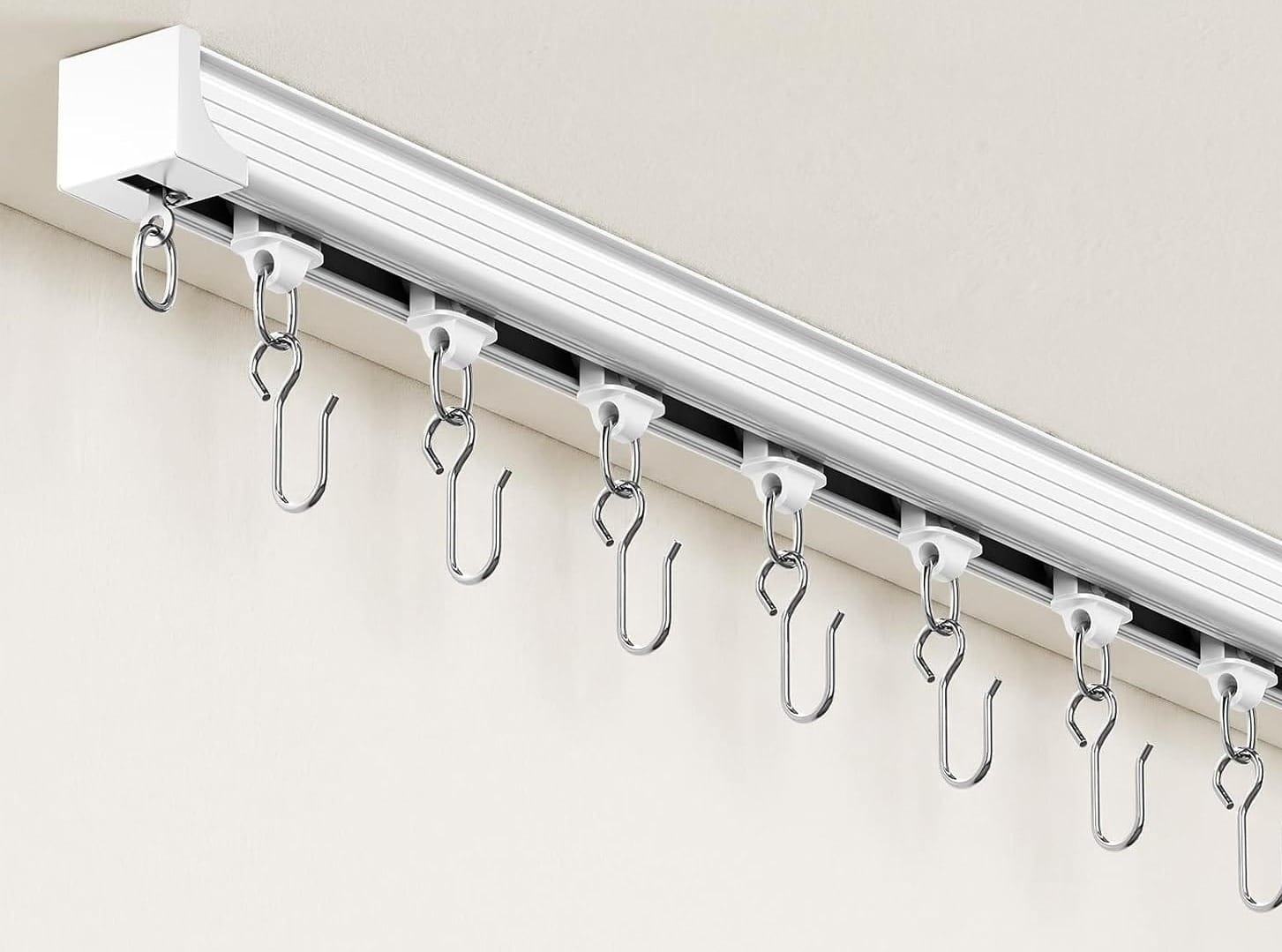
Gliders, also called carriers or runners, slide within the track and support the curtain. Some systems use small wheeled carriers, while others use plastic sliders designed to move along an internal channel. The appropriate design depends on the track profile and the weight of the curtains.
Curtains may attach to gliders using hooks, clips, snap fasteners or sewn-in heading tape. Make sure the attachment method is compatible with the selected hardware. End stops prevent carriers from sliding out of the track, while draw rods or pull cords can make it easier to operate curtains without repeatedly handling the fabric.
On boats that move frequently, secure end stops and properly fitted hardware help prevent curtains from sliding unexpectedly. Where privacy or sleeping arrangements require curtains to remain closed, suitable tiebacks or fasteners may also be useful.
Installing Curtain Tracks on a Boat
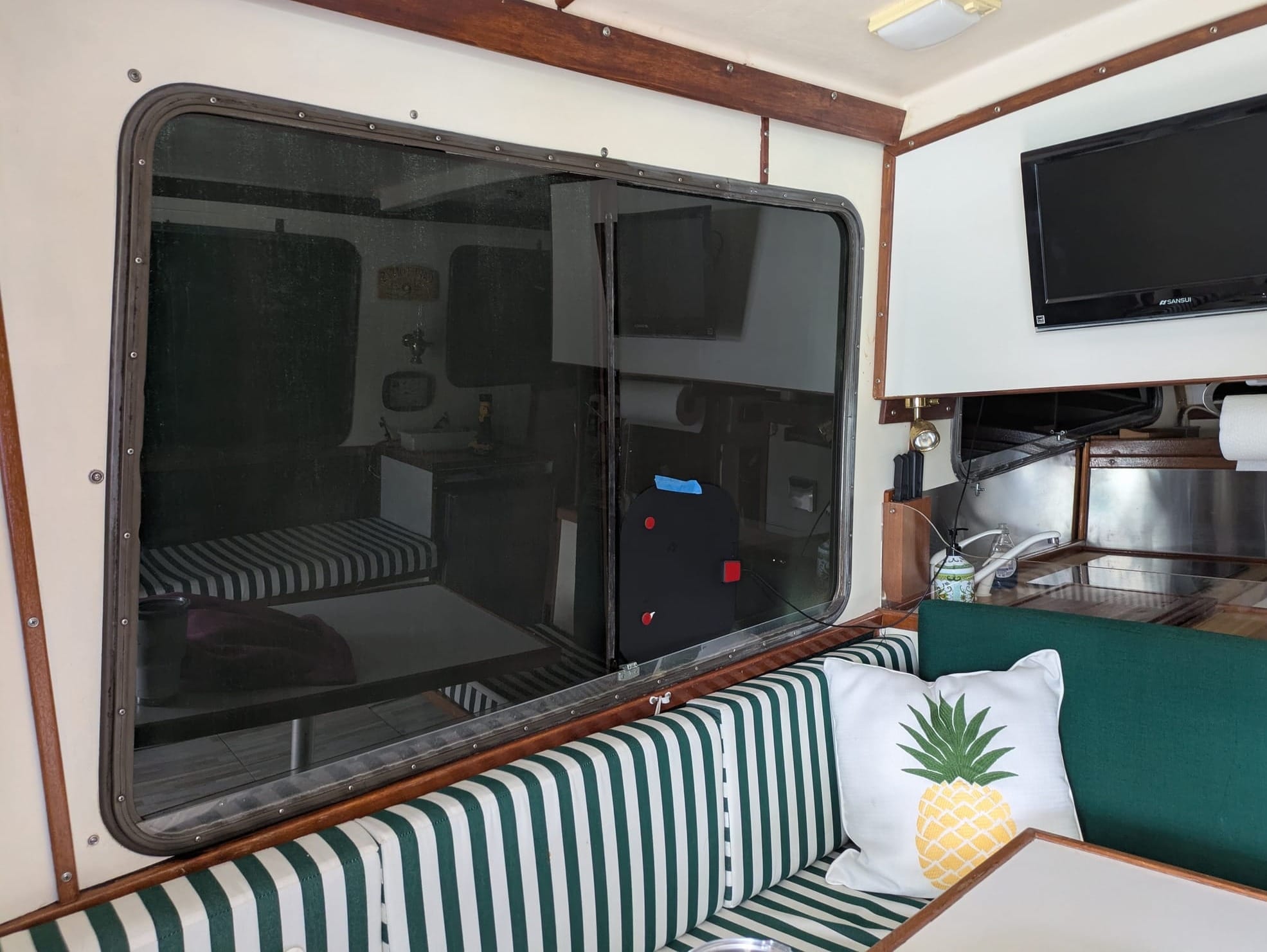
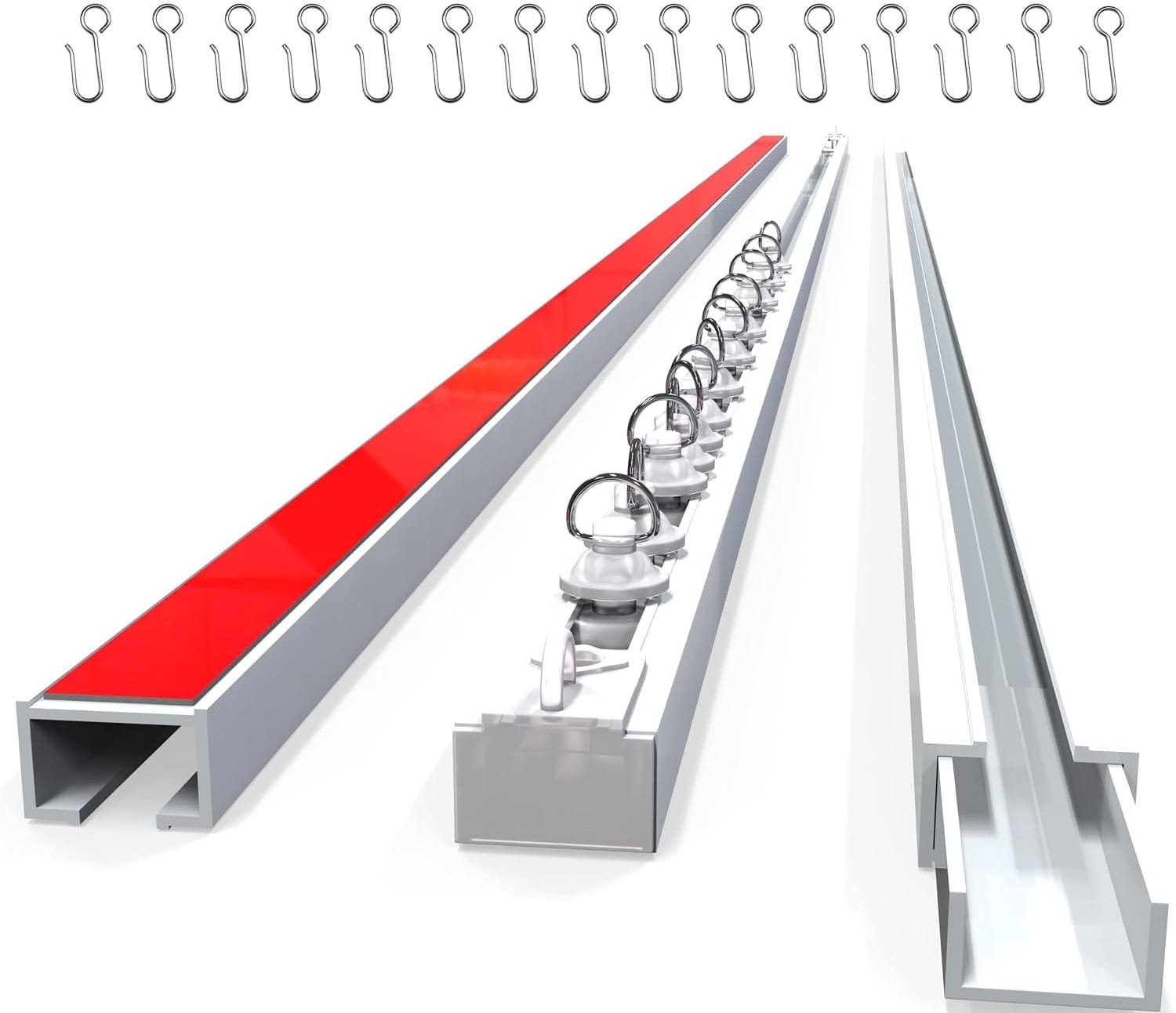
Before installation at the private boat lift rental or marina, measure the window area and determine where the track will be mounted. Check the path of the curtains to ensure they will not obstruct doors, hatches, ventilation openings or access to essential equipment. Both adhesive and drillable tracks are available for boats.
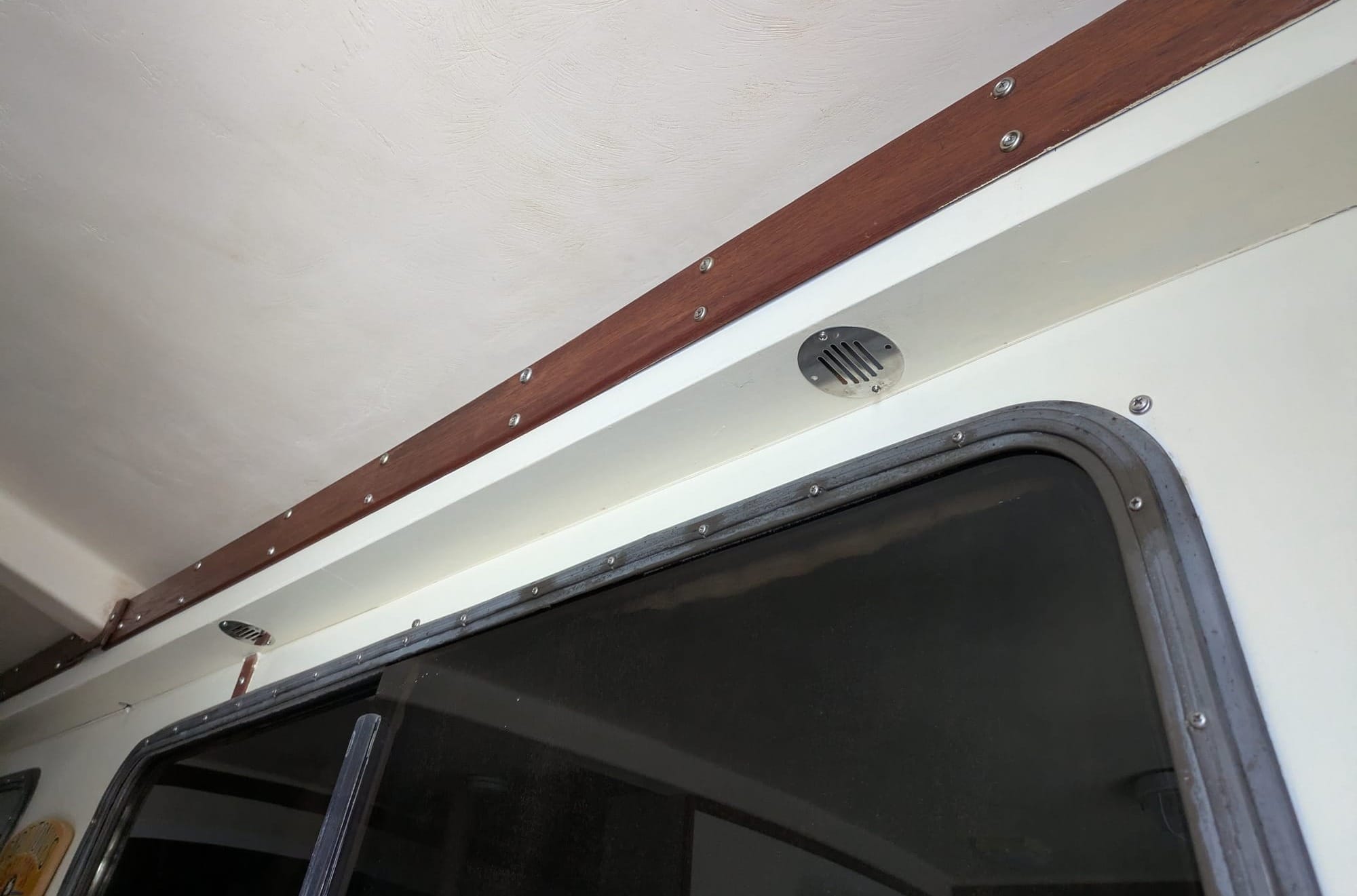
* For ceiling-mounted tracks, identify suitable structural backing or other approved mounting points. Boat overheads may contain wiring, insulation, liners or other components, so avoid drilling until the area behind the mounting surface has been checked. Use fasteners appropriate for the surface and the marine environment.
* For tracks that extend around two sides of an interior, plan the corners carefully. A continuous track can create a coordinated appearance, but the track must follow the intended route without sharp bends that impede the carriers. Allow enough space for the curtains to stack neatly when open.
* After installation, test the curtains through their full travel. Look for binding, sagging, loose fasteners and interference with nearby fixtures. Adjust the track or carrier spacing as needed before putting the system into regular use.
Cleaning and Maintenance
Inspect curtain tracks periodically for dust, fabric fibers, corrosion, loose fasteners and damaged carriers. Clean them with a soft cloth and a product compatible with the track material. Salt deposits should be removed before they contribute to corrosion or interfere with movement.
If the curtains become difficult to draw closed or open, check for obstructions and damaged gliders before applying lubricant. Use a lubricant only if recommended by the track manufacturer, since some products can attract dirt or damage plastic components.
Replace worn carriers and damaged end stops promptly while docked at a private boat slip rental near me or a marina. Keeping the track clean and the mounting hardware secure helps maintain smooth operation and reduces unnecessary strain on the curtains.
Improving Comfort and Appearance
Well-chosen curtain tracks can make a boat interior more functional without adding visual clutter. Low-profile tracks complement contemporary cabin designs, while curved systems accommodate unusual window shapes and create a continuous line around seating areas. Coordinating the track finish with nearby trim and selecting suitable marine fabrics can help integrate the curtains into the overall interior design.
With careful measurements, corrosion-resistant hardware and routine maintenance, a marine curtain track can provide dependable operation and a finished appearance in a boat's salon, stateroom or other enclosed living space.