Great Loop Boat Maintenance: Preparing for Thousands of Miles Underway

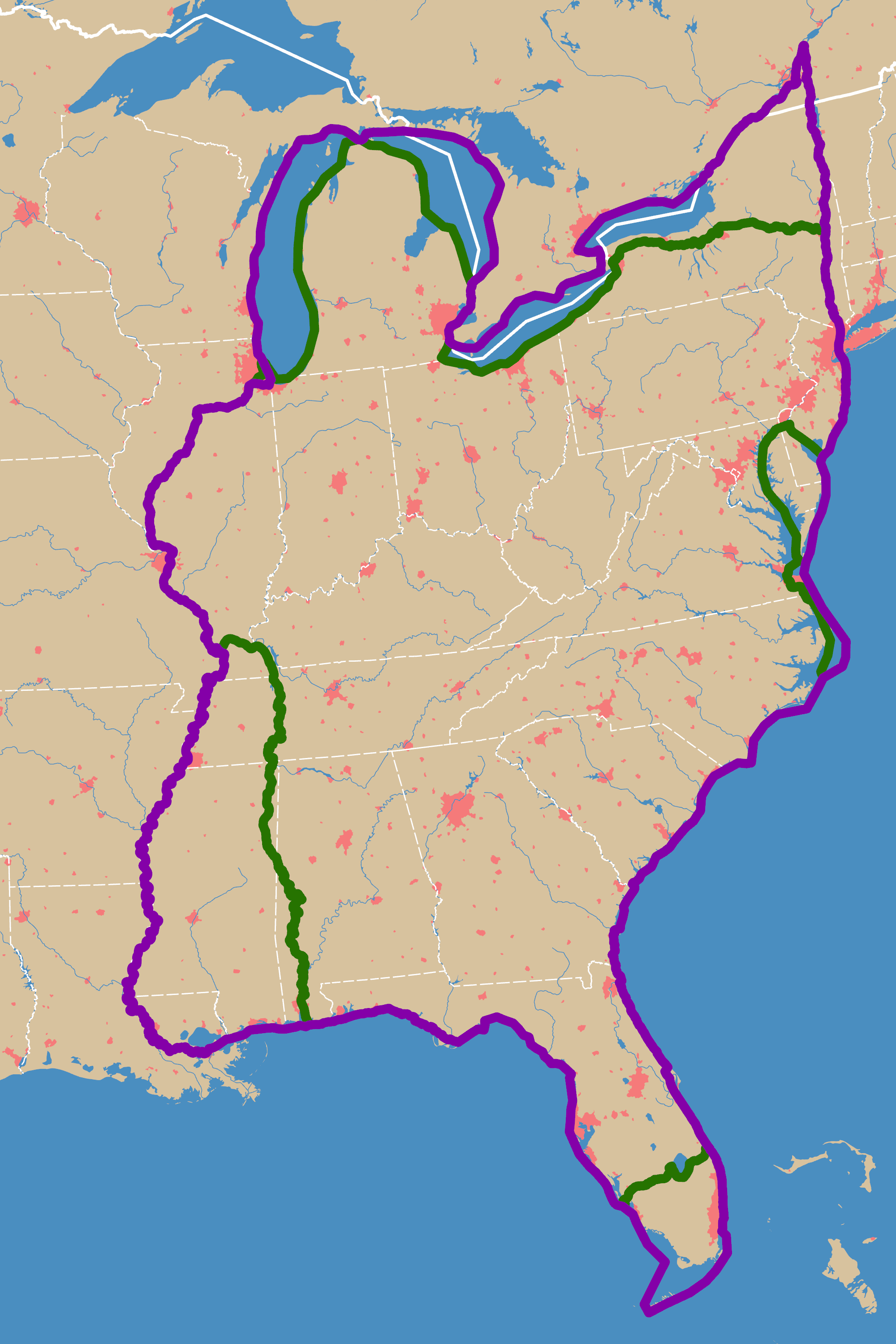
Cruising the Great Loop is a major undertaking that requires more than careful route planning and navigation skills. The approximately 6,000-mile journey passes through rivers, lakes, canals, coastal waterways and open-water stretches, exposing boats to changing weather, water conditions and operating demands. A vessel that performs reliably on a weekend outing may encounter very different challenges during months of continuous cruising.
Preparing for the Great Loop requires a thorough maintenance plan that addresses mechanical systems, electrical equipment, plumbing, hull integrity and onboard safety. Taking care of potential problems before departure can reduce unexpected repairs, minimize downtime and help keep the journey on schedule to reach the next private boat dock for rent, marina or destination.
Inspect the Engine and Fuel Systems
The propulsion system deserves particular attention before beginning an extended cruise. Have the engine serviced according to the manufacturer's maintenance schedule, including oil and filter changes, coolant inspection, belt adjustments and checks of hoses and connections. Inspect the raw-water cooling system, including the impeller, strainer, heat exchanger and associated hoses, for wear, corrosion or obstructions.
Fuel quality and delivery are equally important. Inspect fuel tanks for sediment, water contamination and corrosion. Replace fuel filters and carry spares, since changing filters may become necessary when operating in unfamiliar waters or drawing from tanks that have accumulated debris. Check fuel lines, clamps and fittings for leaks or deterioration.
Also inspect the transmission, shaft seals and propeller for unusual wear or damage. A qualified marine technician can identify mechanical problems that may not be apparent during routine operation.
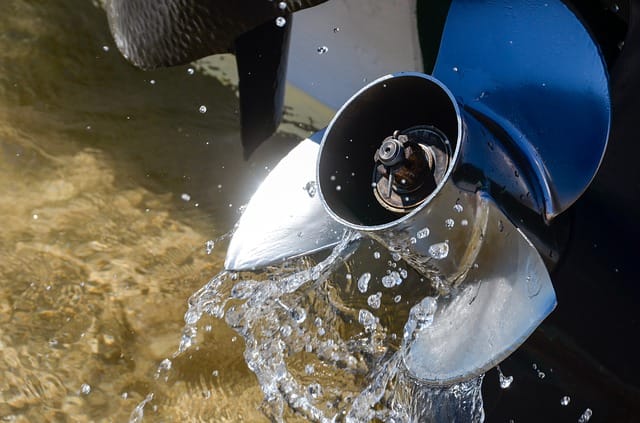
Check the Hull, Propeller and Running Gear
The Great Loop includes shallow waterways, narrow channels and areas with submerged obstructions. Inspect the hull for cracks, blisters, damaged fiberglass, loose fittings and deteriorating sealant. Pay particular attention to through-hull fittings, seacocks and underwater connections that could allow water to enter the vessel.
Examine the propeller, shaft, rudder and supporting hardware for corrosion, damage and excessive movement. Even minor propeller damage can cause vibration, reduce efficiency and place additional stress on the drivetrain.
Check the condition of bottom paint and inspect the hull for marine growth. Depending on the boat's operating schedule and the waters traveled, cleaning or repainting may be necessary during the trip.
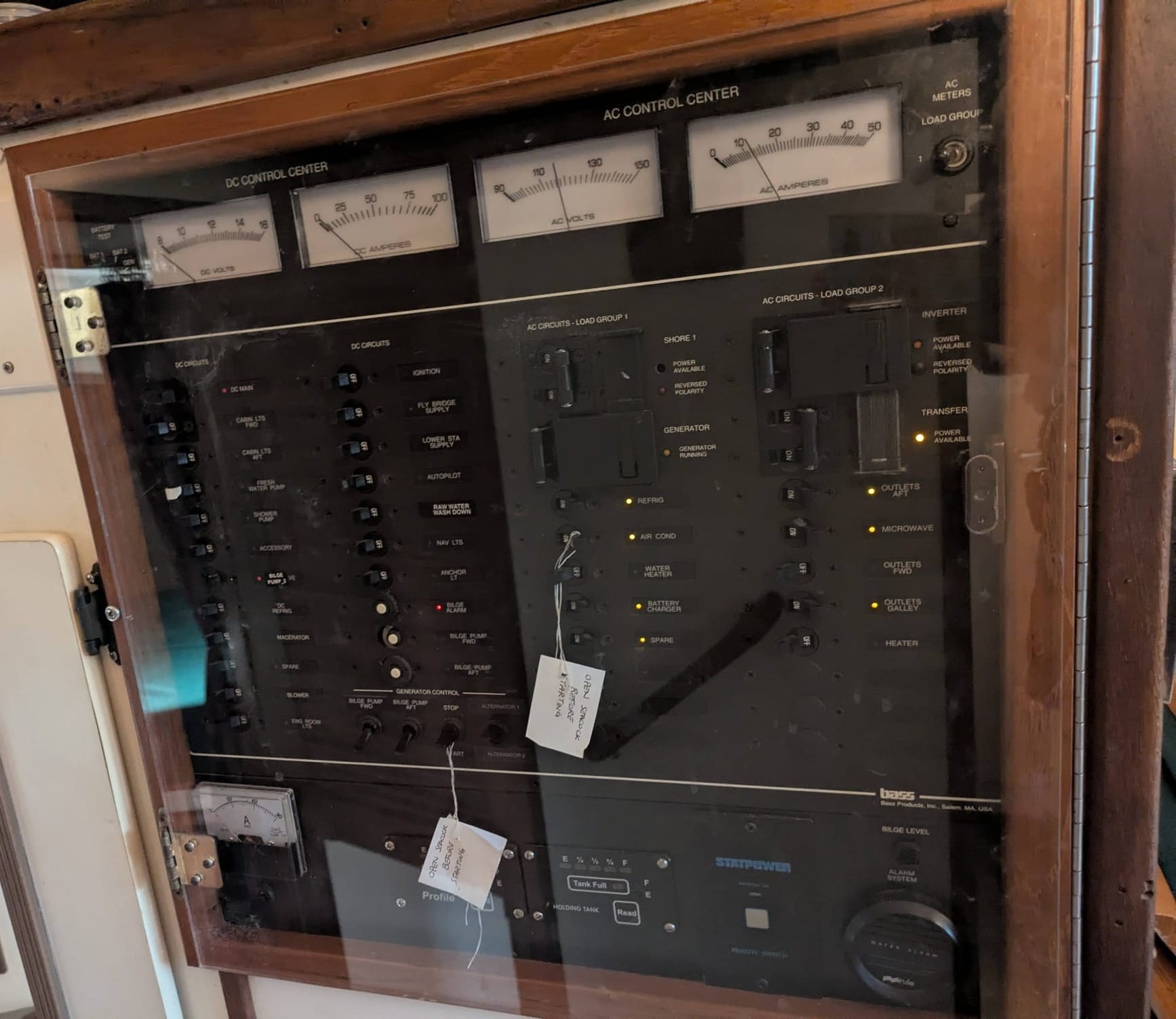
Evaluate Electrical Systems and Batteries
Extended cruising places consistent demands on a boat's electrical system. Navigation electronics, refrigeration, lighting, communications equipment, pumps and other onboard systems must operate reliably, sometimes for days without access to shore power.
- Have batteries load-tested and replace those that no longer hold an adequate charge. Inspect battery terminals, cables, charging equipment, alternators and shore-power connections for corrosion, loose fittings and damaged insulation.
- Test the bilge pumps, automatic switches, navigation lights and onboard monitoring equipment. Carry spare fuses and basic electrical supplies, and verify that battery charging systems operate correctly under normal engine and shore-power conditions.
- Boaters who rely on solar panels or generators should inspect those systems as well, including wiring, connections, ventilation and routine service requirements.
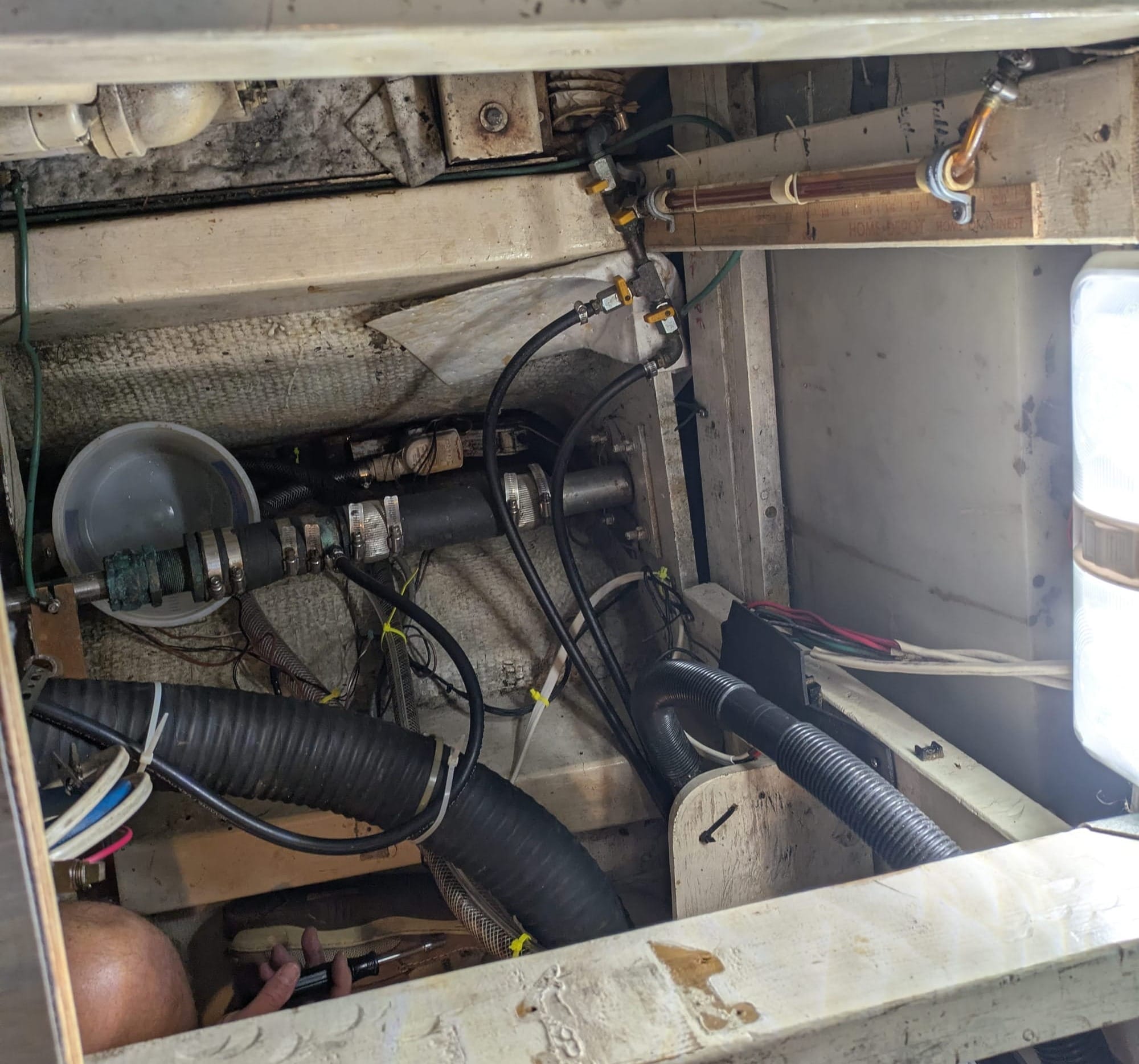
Inspect Plumbing and Bilge Systems
Freshwater, sanitation and bilge systems receive frequent use during an extended cruise. A functioning bilge system provides an important layer of protection against unexpected water intrusion.
- Inspect freshwater tanks, pumps, filters, hoses and connections for leaks.
- Check water heaters and faucets, and flush the system before departure.
- Examine sanitation hoses for deterioration, odors and loose connections.
- Service marine toilets and holding tanks, and verify that discharge arrangements comply with applicable regulations in the waters along the route.
- Clean the bilge, remove accumulated oil or debris and test every pump and float switch.
- Check discharge hoses and electrical connections, and carry a backup pump or other appropriate emergency equipment.
Prepare Navigation and Safety Equipment
The Great Loop requires navigating a variety of waterways, including busy commercial channels, inland rivers and coastal passages. Inspect chartplotters, GPS receivers, radar, depth sounders, AIS equipment and VHF radios before leaving a marina or private boat lift rental. Update electronic charts and verify that backup navigation methods are available.
Check the condition and expiration dates of required safety equipment, including fire extinguishers, flares and other signaling devices. Inspect life jackets for damage and ensure that appropriately sized equipment is available for everyone aboard. Test smoke and carbon monoxide detectors, and inspect emergency communication equipment, including EPIRBs or personal locator beacons if carried.
Review the operation of the anchor, windlass, rode and associated hardware. Anchoring equipment should be capable of handling changing conditions and providing a dependable alternative when a marina, dock or private boat slip for rent near me is unavailable.
Stock Spare Parts and Maintenance Supplies
A well-equipped spare-parts inventory can prevent a relatively minor problem from becoming a major interruption. Consider carrying replacement belts, hoses, fuel and oil filters, impellers, fuses, bulbs, clamps, lubricants and essential engine fluids.
Include a practical tool kit with wrenches, screwdrivers, pliers, a multimeter and equipment appropriate for the vessel's mechanical and electrical systems. Keep maintenance records, equipment manuals, wiring diagrams and parts information accessible.
Organize supplies so that frequently needed items are easy to locate. Store spare parts in labeled, waterproof containers and secure heavier equipment to prevent movement underway.
Establish a Maintenance Routine Underway
Predeparture maintenance for a Great Loop journey is only the beginning. Thousands of miles of cruising require regular inspections and preventive maintenance throughout the journey. Develop a daily checklist that includes checking engine fluids, monitoring temperatures and pressures, inspecting the bilge and looking for leaks or unusual noises.
Follow manufacturer-recommended service intervals, adjusting for extended engine operation and actual operating conditions. Record engine hours, fuel consumption, repairs and replacement dates. These records help identify developing problems and provide useful information when working with marine technicians along the route.