Marine Electrical Troubleshooting Beyond the Basics

Going beyond the basics when troubleshooting marine electronics requires a structured approach, a solid grasp of electrical theory and an understanding of how harsh marine environments accelerate wear, corrosion and intermittent failures. While simple issues, like blown fuses or loose terminals, are easy to identify, more complex problems often involve voltage drop, grounding faults, hidden corrosion or system interactions that are not immediately obvious. Whether you’re working on your boat at a marina or at private boat docks for rent, there are some tips to keep in mind.
Understanding the Marine Electrical Environment
Saltwater, humidity and vibration make marine systems uniquely vulnerable. Unlike automotive systems, boats often rely on multiple interconnected circuits (like house banks, starting batteries, navigation electronics, pumps and charging systems), all operating in close proximity. Failures rarely occur in isolation. A problem in one circuit can cascade into others.
Advanced troubleshooting starts with recognizing that marine wiring failures are often progressive, not sudden. Corrosion builds resistance over time, leading to voltage drop, heat and eventual component failure.
Voltage Drop: The Hidden Culprit
One of the most common but overlooked issues is voltage drop. Even when a circuit appears intact, excessive resistance in wiring or connections can prevent equipment from operating correctly.
To diagnose:
- Measure voltage at the power source and again at the load.
- A drop greater than 3% (critical systems) or 10% (non-critical) indicates a problem.
Common causes include:
- Undersized wiring
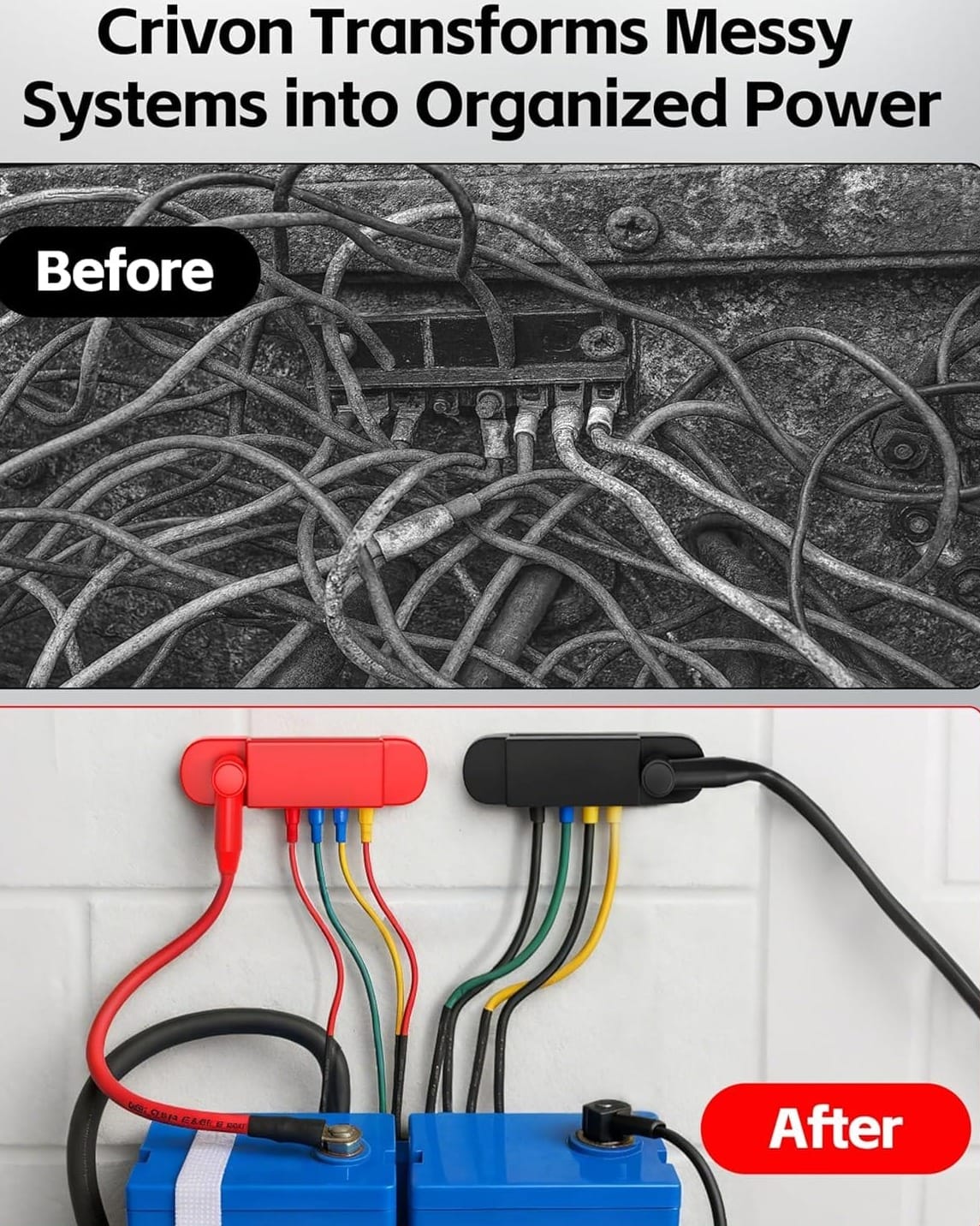
- Corroded terminals
- Long cable runs with multiple connections
Rather than replacing components prematurely, isolating voltage drop can often resolve “mysterious” equipment failures.
Advanced Grounding and Bonding Issues
Marine grounding systems are more complex than they appear. Boats often have:
- A DC negative system
- An AC grounding system
- A bonding system for underwater metals
Improper interaction between these can cause:
- Stray current corrosion
- Electrical noise in sensitive electronics
- Intermittent system resets
Troubleshooting steps include:
- Checking continuity between bonding points
- Measuring stray current in the water (with proper equipment)
- Verifying that AC and DC grounds are connected only where intended
Ground loops are especially problematic in modern boats with advanced navigation systems.
Intermittent Faults and Load Testing
Intermittent issues are among the most frustrating. A circuit may test fine at rest but fail under load.
Key techniques:
- Load testing: Apply a real or simulated load and observe voltage behavior.
- Wiggle testing: Gently move wiring harnesses to reveal hidden breaks.
- Thermal inspection: Use an infrared thermometer to identify overheating connections.
A connection that passes a continuity test may still fail under load due to high resistance.
Corrosion Beyond the Visible
Corrosion is not always obvious. It can occur:
- Inside crimped connectors
- Under insulation (wicking)
- Within circuit breakers and switches
Signs include:
- Green or blackened copper
- Stiff or brittle wiring
- Unexplained resistance increases
Best practice is to:
- Cut back wiring to clean copper
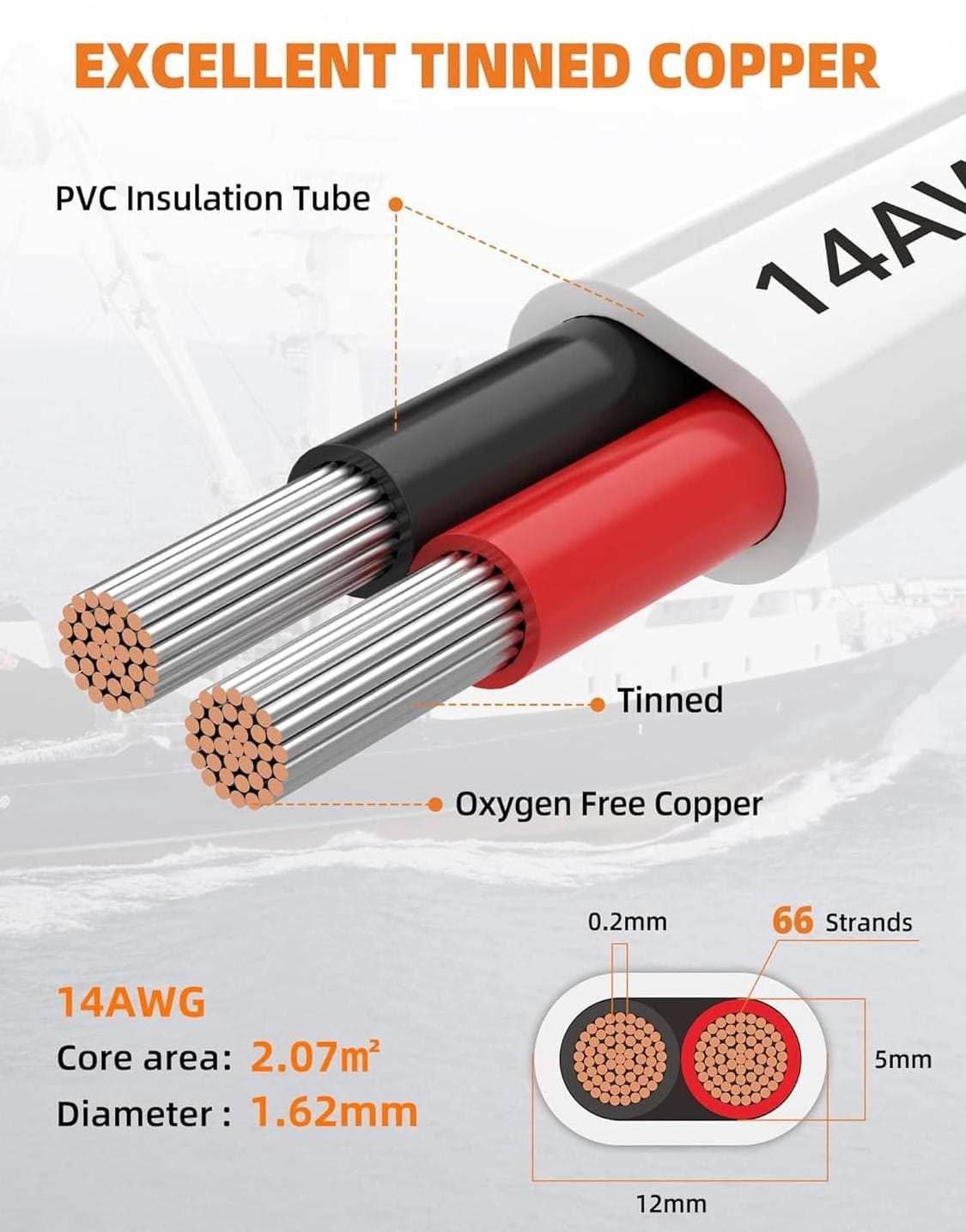
- Use marine-grade tinned wire
- Seal connections with adhesive-lined heat shrink
Diagnosing Charging System Problems
Modern boats may include alternators, shore power chargers, solar panels and battery management systems. When batteries fail to charge properly, the issue may not be the battery itself.
Steps to diagnose:
- Verify charging voltage at the battery terminals.
- Check output at the charging source.
- Inspect isolators, combiners, or DC-DC chargers.
- Confirm proper sensing (some systems rely on remote voltage sensing).
A mismatch between charging profiles and battery type (such as: AGM vs. lithium) can also cause persistent issues.
Electrical Noise and Sensitive Electronics
With the rise of digital navigation, electrical noise has become a significant concern. Symptoms include:
- Flickering displays
- GPS dropouts
- Radio interference
Sources of noise:
- Poor grounding
- Shared circuits with high-load devices
- Faulty alternator diodes
Solutions may involve:
- Dedicated power circuits for electronics
- Ferrite filters
- Improved shielding and grounding practices
Using Diagnostic Tools Effectively
Beyond a basic multimeter, advanced troubleshooting may involve:
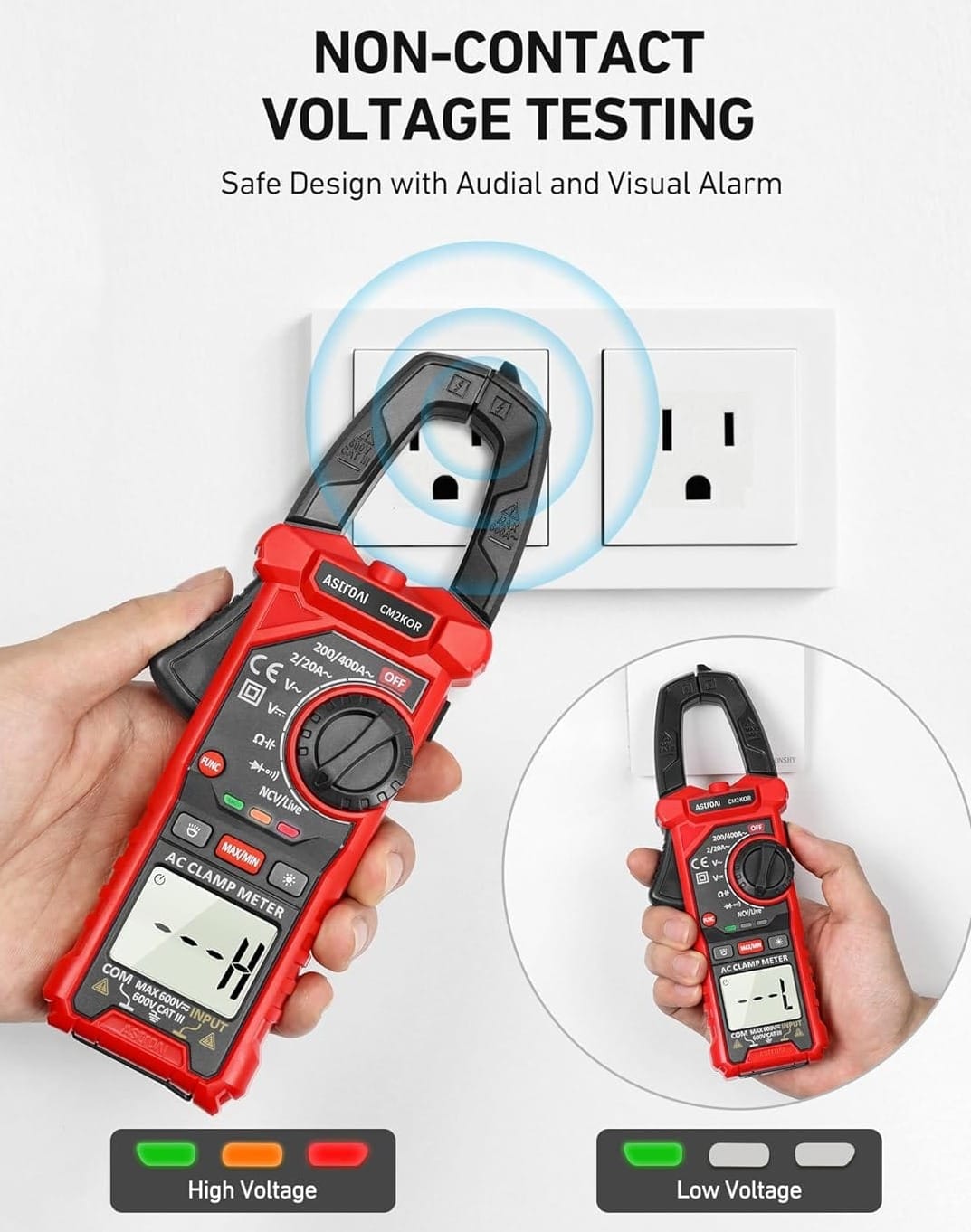
- Clamp meters for measuring current without disconnecting circuits
- Insulation resistance testers (megohmmeters)
- Oscilloscopes for analyzing waveform irregularities
However, even the best tools require a systematic approach. Random testing often leads to confusion rather than clarity.
Systematic Troubleshooting Strategy
A disciplined method saves time and prevents unnecessary replacements:
- Define the symptom clearly (what works, what doesn’t, under what conditions)
- Check the simplest explanations first
- Divide the system into sections and isolate the fault
- Test under real operating conditions
- Verify the repair under load
When troubleshooting from private boat slips for rent near me, avoid the common mistake of replacing parts without confirming the root cause.
Preventive Measures and Best Practices
Advanced troubleshooting is easier when systems are built and maintained correctly:
- Use marine-grade components and proper wire sizing
- Label circuits clearly
- Maintain updated wiring diagrams
- Inspect systems regularly for early signs of corrosion
Preventive maintenance often eliminates the need for complex diagnostics altogether.
Marine electrical troubleshooting is less about guesswork and more about disciplined analysis. By understanding voltage behavior, grounding systems and the effects of corrosion, boaters can diagnose even complex issues with confidence from a marina, a backyard or private boat lift rentals. In a marine environment where reliability is critical, developing these advanced skills not only saves time and money but also enhances safety on the water.