Preparing for a Night Passage: Equipment, Watchkeeping and Risk Management


A nighttime boat passage requires a different level of preparation and awareness than traveling during daylight. Reduced visibility makes it harder to identify navigation markers, judge distances, recognize floating hazards and assess the movements of other vessels. Familiar waterways can become challenging after sunset, particularly when weather conditions change or commercial traffic increases.
Whether crossing an unfamiliar coastal stretch or making an overnight offshore passage, such as cruising to the Bahamas from Florida, boaters should prepare their equipment, establish a watchkeeping routine and evaluate potential risks before departure from private boat slips for rent near me or local marinas. A combination of reliable technology, alert crew members and conservative navigation decisions helps make nighttime travel safer.
A successful night passage depends on:
- Preparation
- Reliable equipment
- Effective watchkeeping
- Sound risk management
1. Check Navigation and Communication Equipment
Before departure from a private boat lift rental, inspect all navigation equipment to ensure it’s functioning properly. GPS, chartplotters, radar, depth sounders and electronic compasses provide important information when visual references are limited. Update electronic charts and verify that the planned route, waypoints, shoals, restricted areas and alternative destinations are accurately plotted.
Radar is particularly useful for detecting vessels, landmasses and other objects that may be difficult to see in darkness. However, small boats, floating debris and low-profile objects may not produce reliable radar returns. Automatic Identification System (AIS) equipment provides additional information about transmitting vessels, including their position, course and speed, but not every vessel carries or transmits AIS.
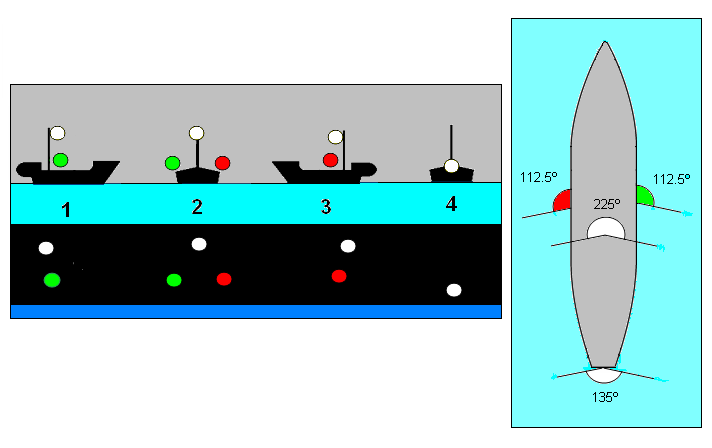
Check navigation lights for proper operation and visibility. Confirm that the masthead, sidelights and sternlight are working as appropriate for the vessel, and carry replacement bulbs or fuses when practical. Test the VHF radio, inspect antenna connections and keep a handheld radio available as a backup.
Flashlights, waterproof headlamps and emergency lighting should be accessible from the helm and other working areas. Red-light settings can help preserve night vision when reading instruments or charts.

2. Establish a Watchkeeping Schedule
An effective watchkeeping system ensures that someone remains alert throughout the passage. Before leaving private boat docks for rent or marinas, assign crew responsibilities and establish watch rotations that provide adequate time for rest. The schedule should account for the number of crew members, their experience and the length of the passage.
Watchkeepers should maintain a continuous lookout using sight, hearing and available electronic equipment. Regularly scan the horizon, monitor radar and AIS, check navigation lights and listen for sound signals. Watch for changes in vessel movement, unlit obstructions, floating debris and unexpected lights.
At each watch change, the outgoing crew member should brief the incoming watchkeeper about the vessel's position, course, speed, nearby traffic, weather conditions and potential hazards. Everyone aboard should know how to contact the skipper immediately if an unexpected situation develops.
Solo operators face additional challenges because they cannot rotate watches. Fatigue can significantly impair judgment and reaction time, making it important to plan shorter passages, allow adequate rest and avoid continuing when alertness becomes compromised.
3. Protect Night Vision and Manage Lighting
Human eyes require time to adjust to darkness. Exposure to bright white light can temporarily reduce the ability to distinguish objects beyond the illuminated area. Keep cockpit lighting low and adjust electronic displays to their dimmest readable settings.
Use red lighting when appropriate for reading instruments, charts and written instructions. Avoid directing spotlights toward other vessels or navigation markers unless necessary for safety. Excessive lighting can interfere with another operator's night vision and make navigation lights more difficult to identify.
Keep the helm area organized so that controls, radios, charts and emergency equipment can be located quickly without searching. Crew members should become familiar with the location of essential equipment before departure rather than trying to find it in darkness.
4. Evaluate Weather, Currents, and Traffic
Weather conditions can change significantly during an overnight passage. Review marine forecasts for wind speed and direction, wave heights, visibility, precipitation and approaching weather systems. Check tides and currents, particularly when navigating inlets, narrow channels or areas with strong tidal exchanges.
Identify commercial shipping lanes, bridges, shoals, restricted waters and known obstructions along the intended route. Darkness can make unlit markers, fishing gear and partially submerged objects difficult to recognize.
Maintain a conservative speed that allows sufficient time to identify hazards and take appropriate action. Safe speed depends on visibility, traffic density, vessel maneuverability, sea conditions and other circumstances. Follow the International Regulations for Preventing Collisions at Sea (COLREGs), including requirements for proper lookout, navigation lights, sound signals and collision avoidance.
When possible, schedule unfamiliar or particularly challenging sections for daylight rather than attempting them during the least favorable hours.

5. Prepare for Emergencies
An emergency at night can be more difficult to manage because visibility is limited and crew members may be less familiar with their surroundings. Review procedures for engine failure, electrical problems, flooding, fire, grounding and man-overboard incidents before departure.
- Inspect life jackets and ensure that everyone aboard knows where they’re stored.
- Check fire extinguishers, first-aid supplies, emergency signaling devices and waterproof communication equipment.
- If the vessel carries an Emergency Position-Indicating Radio Beacon (EPIRB) or personal locator beacons (PLBs), verify their condition and operation.
- Establish a man-overboard response plan and make sure crew members understand how to deploy recovery equipment and use available lighting to locate someone in the water.
- File a float plan with a reliable person on shore. Include the intended route, departure time, estimated arrival, vessel description, number of people aboard, and emergency contact information. Establish a procedure for reporting delays or changes in plans.
6. Know When to Delay Departure
Even a well-equipped vessel and experienced crew can encounter conditions that make nighttime travel unsafe. Poor visibility, deteriorating weather, heavy traffic, mechanical problems or inadequate crew rest may justify postponing departure.
- Consider whether the vessel's navigation equipment is appropriate for the route and whether everyone aboard has sufficient experience to handle the passage.
- Identify alternative anchorages and safe harbors along the way in case conditions deteriorate.
- Don’t let a planned arrival time dictate an unsafe decision.
- Delaying departure or stopping at a protected location with an essential go/no-go decision may be the most responsible choice.