Steering, Autopilot and Hydraulic Systems: What Experienced Boaters Should Know


Reliable steering is essential to safe boat handling, particularly when navigating narrow channels, maneuvering in crowded harbors or making long offshore passages. Modern vessels may combine mechanical or hydraulic steering with electronic autopilot systems, creating a network of components that need to work together.
Experienced boaters should understand how these systems operate, recognize early warning signs of failure and know when troubleshooting requires professional service. Here are a few topics to look over before leaving the marina or private boat lift rental.
Understanding Marine Steering Systems
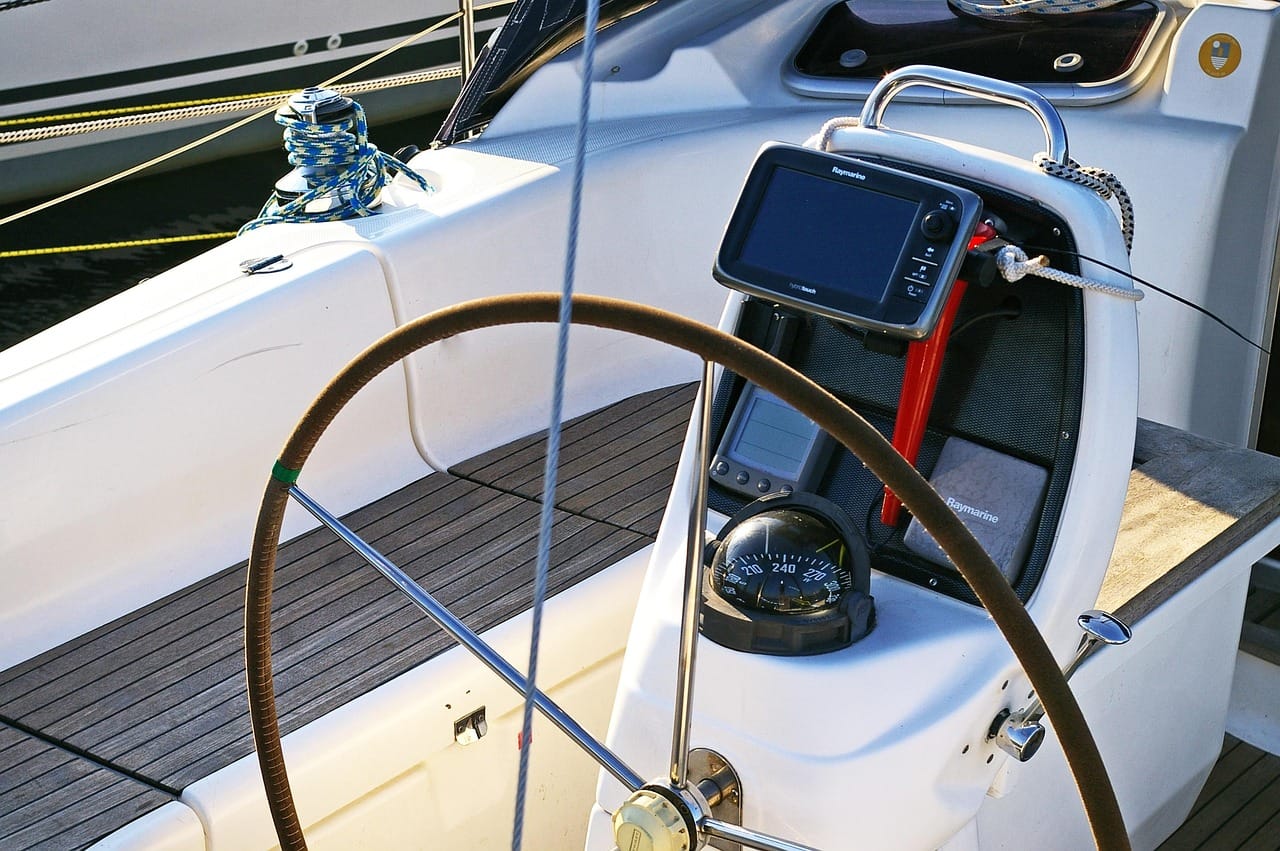
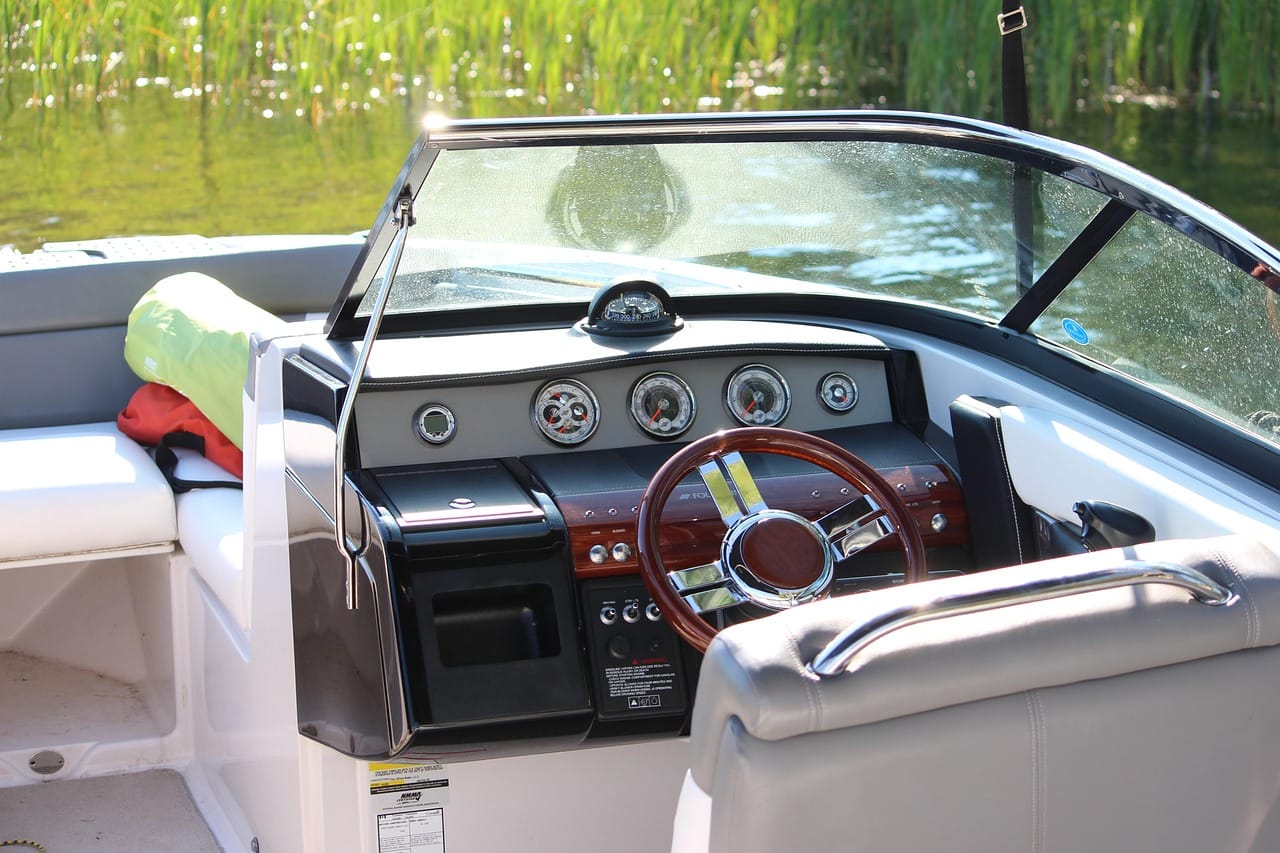
Marine steering systems translate helm input into movement of the rudder or outboard or sterndrive steering mechanism. Mechanical systems typically use cables and linkages, while hydraulic systems transmit force through pressurized fluid. Some larger vessels use fully electronic steering arrangements.
Mechanical Systems
Mechanical marine steering is relatively straightforward, but cables, connections and moving parts can wear, corrode or develop excessive friction. Stiffness, unusual noises, excessive helm play or delayed response can indicate a developing problem. Inspect cables and linkages for damage, check mounting hardware and follow the manufacturer's replacement schedule.
Hydraulic Systems
Hydraulic steering is common on larger outboards, sterndrives and many inboard vessels because it reduces the physical effort required at the helm. Turning the wheel moves a hydraulic pump, which displaces fluid through hoses to a cylinder that moves the steering mechanism. Leaks, air in the system, worn seals or damaged hoses can compromise performance.
If the helm becomes unusually spongy, requires repeated turns or responds inconsistently, inspect the system for leaks and check the fluid level according to the manufacturer's procedure. Air may need to be bled from the system, but the correct method depends on the equipment. Never assume that topping off the reservoir will resolve an underlying leak.
Hydraulic System Maintenance
Hydraulic steering depends on clean fluid, sound seals, secure connections and hoses rated for the application. Inspect hoses and fittings regularly for abrasion, cracking, corrosion, bulging or fluid residue. Pay particular attention to areas where hoses pass through bulkheads or near moving machinery.
Use only the hydraulic fluid specified by the manufacturer. Different fluids may have incompatible properties, and using the wrong product can damage seals or impair operation. Keep reservoirs clean when checking or adding fluid to prevent contamination.
While performing maintenance at private boat slip rentals near me, check the steering cylinder, helm pump and associated connections for signs of leakage. Even a small leak can eventually introduce air or reduce system performance. Hydraulic fluid on a hot engine or other ignition source can also create a fire hazard, so investigate leaks promptly.
Never use your hands to search for a pressurized hydraulic leak. High-pressure fluid can penetrate skin and cause a serious medical emergency. Shut down the system and relieve pressure using the prescribed procedure before carrying out repairs.
Autopilot: Convenience and Limitations
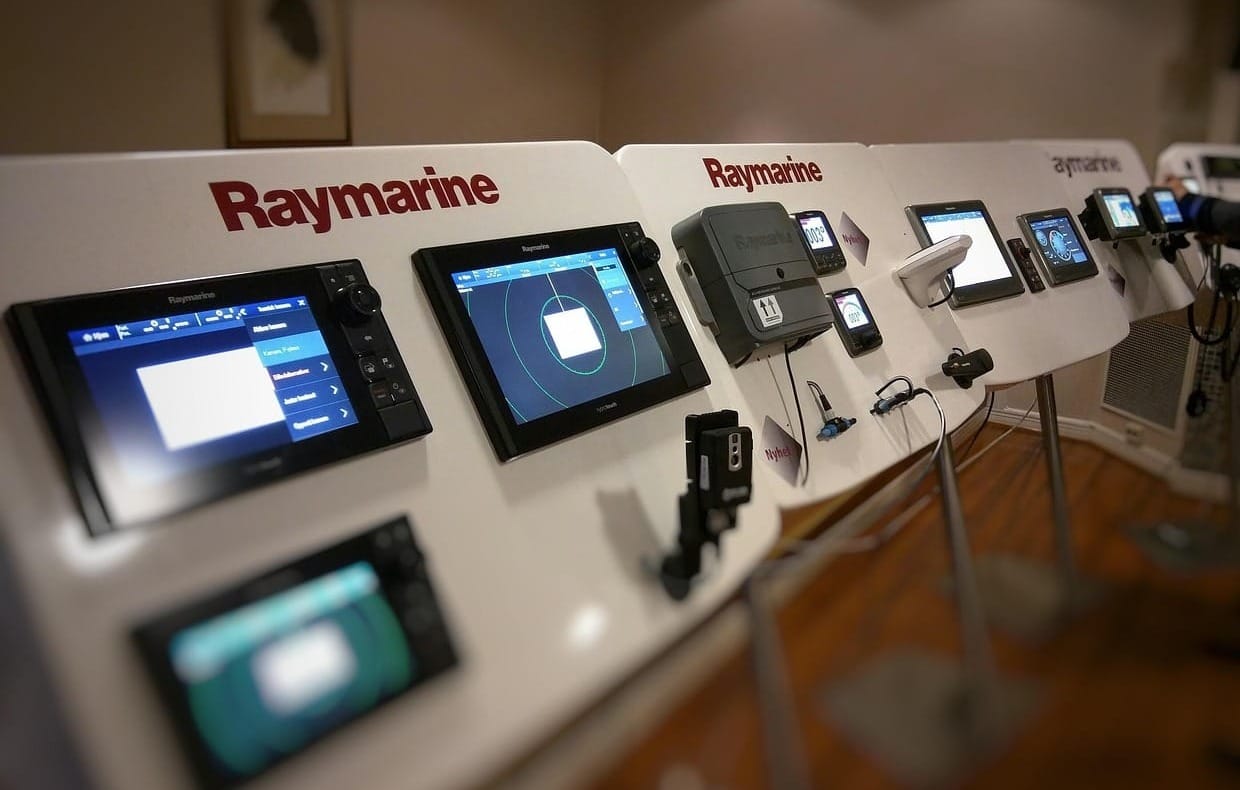
Marine autopilots maintain a selected heading or follow a navigation route by controlling the steering system. Depending on the installation, the system may use a dedicated compass, GPS data, a heading sensor or information from other navigation instruments.
An autopilot can reduce repetitive helm work on long passages, but it does not replace a lookout or sound navigation judgment. Wind, waves, currents and changing traffic conditions may require frequent course adjustments. A system following a GPS route may also steer toward a waypoint without independently accounting for every hazard, shallow area or vessel in the vicinity.
Before departure, verify the autopilot's operation in open water, confirm that heading and navigation data are accurate and learn how to disengage the system immediately. Understand the difference between heading mode and navigation or track mode, since they may respond differently to changing conditions.
Unexpected course changes, repeated alarms, hunting from side to side or failure to hold a heading can indicate sensor errors, poor calibration, steering resistance, electrical problems or incorrect settings. Consult the manufacturer's troubleshooting guidance rather than repeatedly resetting the equipment without identifying the cause.
How Steering and Autopilot Work Together
An autopilot must have a reliable means of controlling the vessel's steering. Depending on the design, this may involve an electric drive, hydraulic pump or interface with an electronic steering system. Problems in the steering mechanism can therefore affect autopilot performance, while electrical faults or incorrect sensor data can cause the autopilot to behave unpredictably.
If the autopilot struggles to steer but manual steering remains normal, investigate the autopilot drive, sensor inputs, electrical supply and system settings. If both manual and automatic steering are affected, suspect a shared mechanical or hydraulic problem. This distinction helps narrow the diagnosis, but it does not replace inspection or manufacturer-specific testing.
Always know how to switch to manual steering if the autopilot fails. On vessels with power-assisted or electronic steering, determine what backup steering capability remains available if electrical power is lost.
Predeparture Checks and Emergency Preparedness
Before each trip, while at a private boat dock for rent or marina slip, move the helm through its normal range and confirm that the steering responds smoothly.
Check:
- Visible hoses
- Cables
- Linkages
- Fluid levels
- Mounting points
Test the autopilot and its disengagement controls when conditions permit, and verify that alarms and navigation displays are functioning.
Experienced boaters should also know the location of steering-system shutoffs, circuit breakers, relevant spare parts and emergency steering equipment. Larger vessels may have dedicated emergency steering arrangements. Smaller boats should carry the equipment and tools recommended for their configuration.
Steering, hydraulic and autopilot systems are closely connected to a vessel's overall safety. Regular inspections at a boat dock rental, familiarity with normal operating behavior and prompt attention to subtle changes can help prevent a minor fault from becoming a loss-of-control emergency. When steering response is unreliable, discontinue normal operations and seek a safe means of stopping or maneuvering before attempting repairs underway.