Adventures in Boating: Quebec's Richelieu River

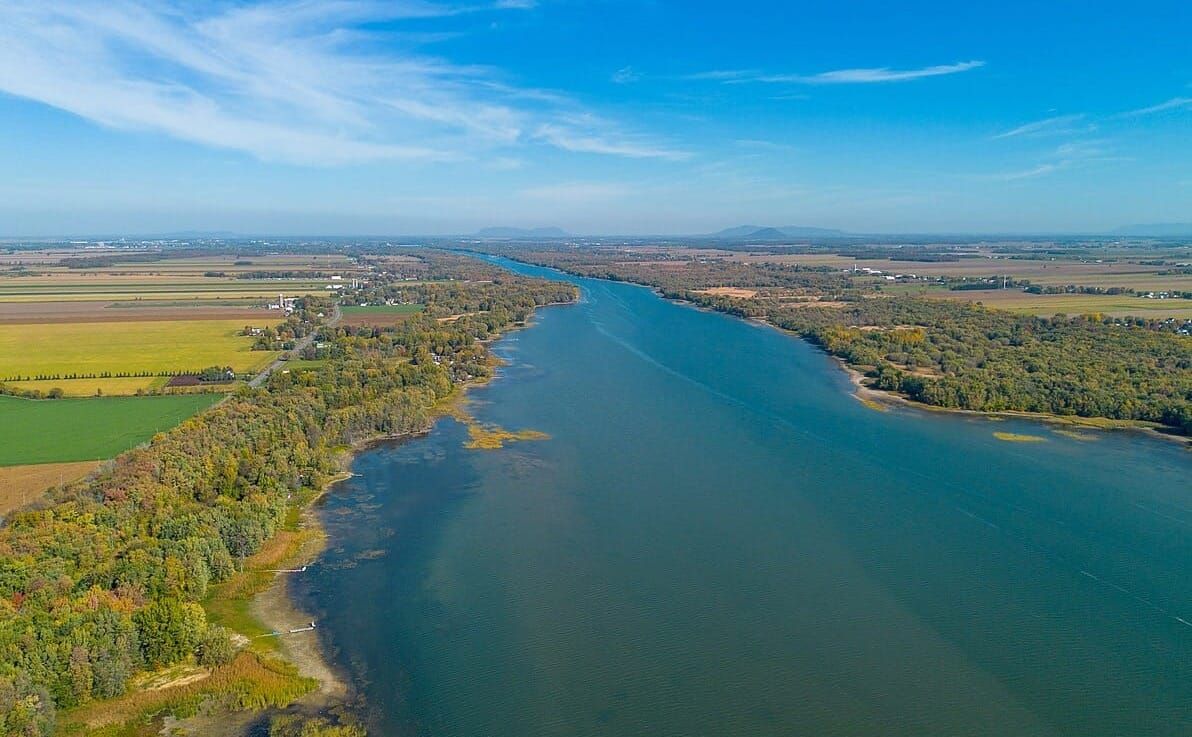
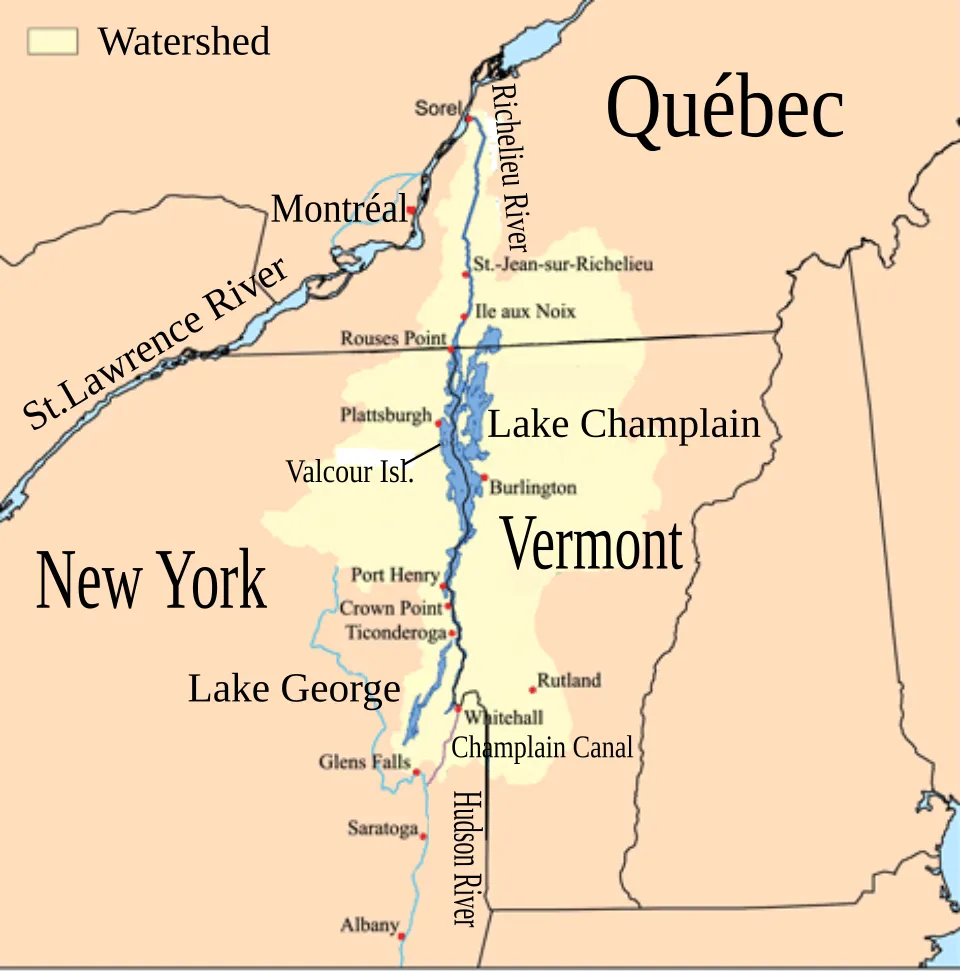
The Richelieu River is one of Quebec's most appealing waterways for recreational boating, combining scenic countryside, historic towns, protected waterways and an important link between the St. Lawrence River and Lake Champlain. Flowing north for about 80 miles from Lake Champlain to the St. Lawrence at Sorel-Tracy, the river has played a major role in the history and development of southern Quebec.
Boaters traveling from a marina or a private boat dock rental can explore the river aboard everything from cruising boats and sailboats to kayaks and canoes. The waterway is particularly attractive because it connects several historic sites and communities while providing access to the Chambly Canal and Saint-Ours Canal.
A river with an important history
The Richelieu was historically a major transportation route between the St. Lawrence and Lake Champlain. Its strategic importance also made it a route for military campaigns and trade. Today, reminders of that history are everywhere. Fort Chambly National Historic Site stands beside the river at Chambly, while Fort Lennox National Historic Site occupies Île aux Noix farther south. The Chambly Canal itself was constructed to overcome rapids and make navigation easier.
For modern boaters, this history adds an unusual dimension to a cruising trip. A day on the water can include historic locks, forts, old communities and canal infrastructure dating back generations.
Cruising the river
The Richelieu offers several different boating experiences depending on the section being explored. A motor cruiser or sailboat can make a leisurely trip between communities, incorporating the historic canals along the way. Smaller boats can explore quieter stretches of shoreline, while paddlers can use sections of the river and canal system for day trips.
The scenery is generally more pastoral than rugged. Fields, wooded shorelines, islands and riverside villages provide a changing backdrop, while the historic structures along the navigation route give the trip a strong sense of place.
For boaters coming from the south, the Richelieu also represents an important connection between Lake Champlain and the St. Lawrence River. Boaters can access the Chambly Canal from the Richelieu River, Lake Champlain or the St. Lawrence River.
Locking through
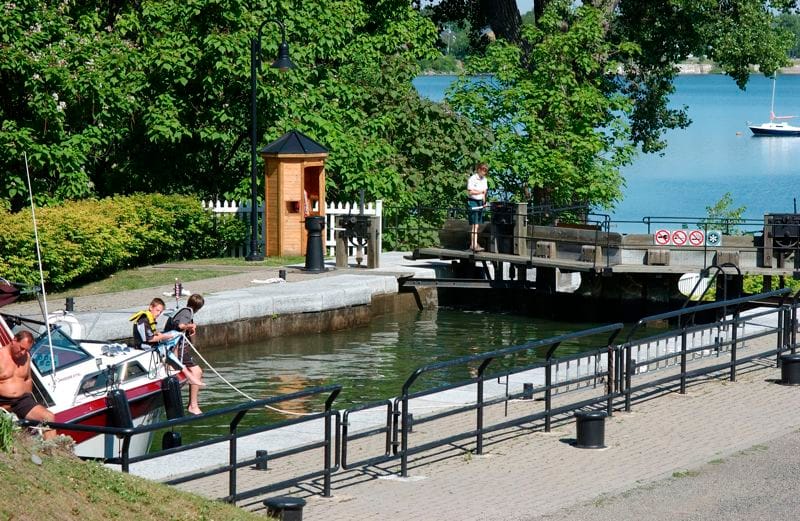
Boaters unfamiliar with Canadian canals should become comfortable with lock procedures before attempting the full route. Boaters should slow down and eliminate their wake when approaching a lock, contact the lock operator and wait for instructions. Once the signal is given, boats enter the chamber and secure themselves using mooring lines. Crew members are expected to tend the lines throughout the lockage.
At the Chambly Canal, boaters should pay particular attention to the instructions concerning mooring lines because the procedure differs from some other Quebec canals. The historic canals also have a 10 km/h nautical speed limit, and operators are responsible for controlling their wake. Swimming in the canal and approach docks is prohibited.
The Chambly Canal
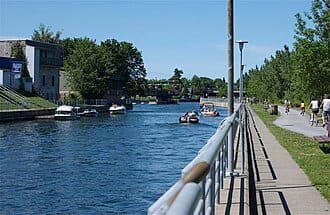
One of the highlights of Richelieu River boating is the Chambly Canal National Historic Site. The canal stretches about 12 miles between Chambly and Saint-Jean-sur-Richelieu and provides a navigable route around rapids in the river.
The canal has nine locks and numerous historic structures, including bridges and water-control works. The locks raise or lower boats through the elevation difference between Saint-Jean-sur-Richelieu and the Chambly Basin. For boaters, transiting the Chambly Canal is as much an experience as it is a practical navigation route. The relatively intimate scale of the canal brings boats close to historic buildings, parks and the communities along its banks.
Parks Canada currently lists a maximum canal draught of approximately 6.6 feet and an overhead clearance of about 29 feet, although conditions can vary and boaters should confirm current information with the lockmaster. Transit through the canal can take approximately three to five hours.
Saint-Ours Canal
Farther north, the Saint-Ours Canal National Historic Site provides another important link in the Richelieu's navigation system. The canal bypasses the Saint-Ours rapids and dam and includes a large lock capable of accommodating considerably larger vessels than the Chambly Canal.
Saint-Ours is also a pleasant place to stop. Parks Canada provides overnight mooring at docks near the lock, allowing cruising boaters to spend a night beside the river and explore the historic site. The site is also suitable for smaller craft. Canoes and kayaks are ideal ways to explore the Richelieu, while emphasizing the importance of staying clear of the dam and its currents.
Kayaking and canoeing
The Richelieu is not just a destination for larger recreational boats to explore from a private boat lift for rent or a marina. Canoes and kayaks provide an excellent way to experience the river at a slower pace. The Chambly Canal offers opportunities for paddling among historic locks, bridges and riverside scenery.
Paddlers should nevertheless remember that a historic canal is still an operating waterway. Motorboats, locks, bridges and dams create hazards that require appropriate attention and safety equipment. At Saint-Ours, particular caution is necessary around the dam. Paddlers should stay away from dangerous currents and undertows.
Towns and Attractions Along the Way
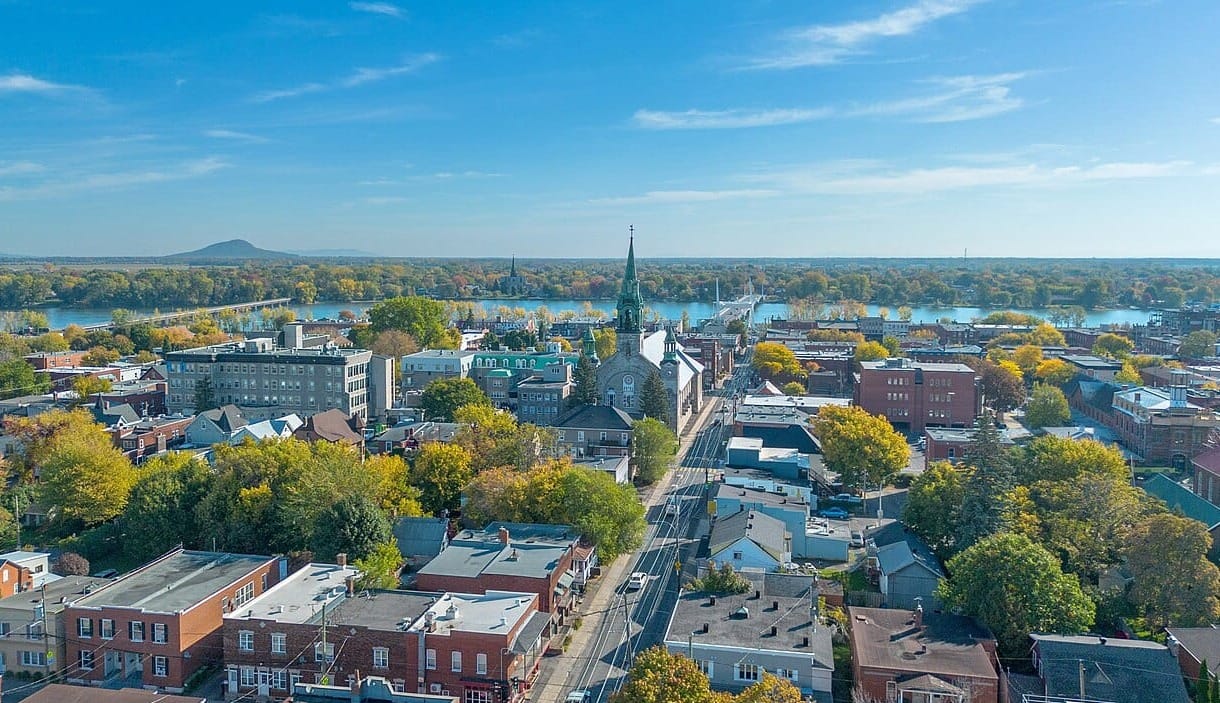
One of the pleasures of Richelieu River cruising is the opportunity to combine boating with shore excursions from private boat slips near me for rent. Chambly is an obvious stop, with its historic fort, restaurants, shops and access to the canal. Overnight mooring is available at several locations around the Chambly Canal, including near the historic center.
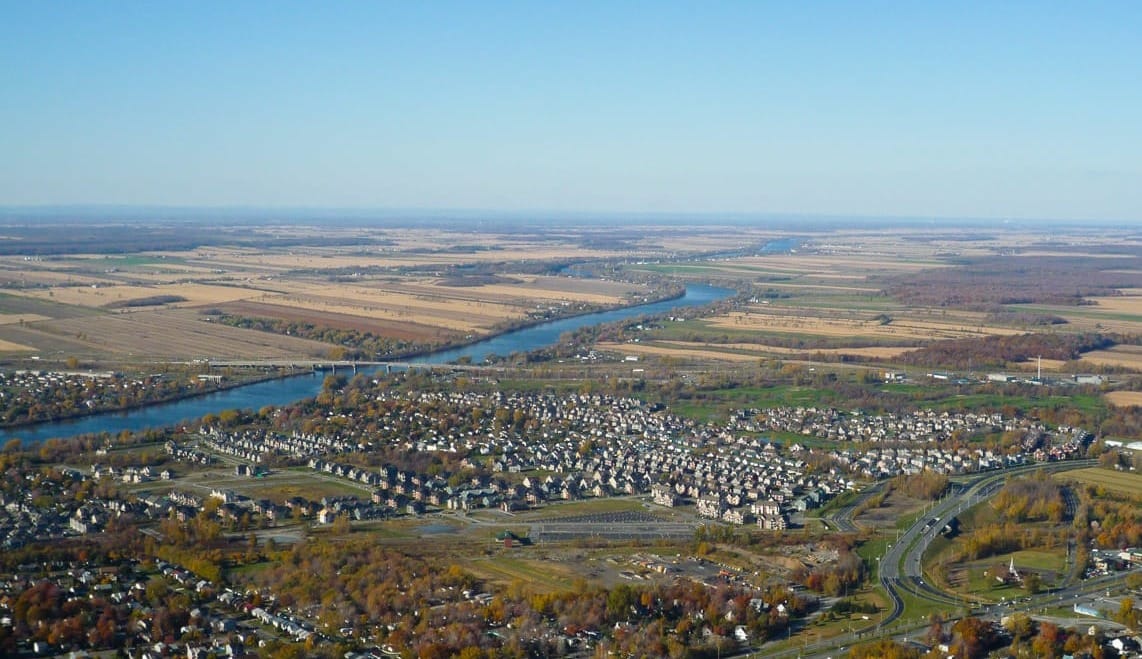
Saint-Jean-sur-Richelieu, at the southern end of the Chambly Canal, offers another convenient stopping point, with restaurants, shops and cultural attractions close to the canal. Farther north, Saint-Ours provides a quieter experience centered on the historic canal and river landscape. The river's connection with Lake Champlain also opens up the possibility of longer cruises extending south into the United States, subject to the applicable border, customs and navigation requirements.
Practical considerations
Anyone planning a Richelieu River cruise should consult current Parks Canada navigation information before departure. Lock schedules, water levels, maintenance work and other conditions can affect a planned itinerary.
A few considerations are especially important:
- Check current lock schedules and navigation notices.
- Confirm your boat's draught and air clearance, particularly before entering the canals.
- Carry appropriate safety equipment and follow Transport Canada requirements.
- Allow plenty of time for locks, particularly when cruising the Chambly Canal.
- Control your wake around docks, locks and other boats.
- Be especially cautious around dams and rapids.
- Check mooring arrangements if you intend to stay overnight.
- Contact lock operators when required and follow their instructions.
Fixed bridges and overhead power lines on the Richelieu route can affect vessels with tall masts. At Saint-Ours, vessels with masts exceeding 26 feet must be unstepped at designated locations upstream or downstream of the canal.
An Ideal Destination for a Boating Holiday
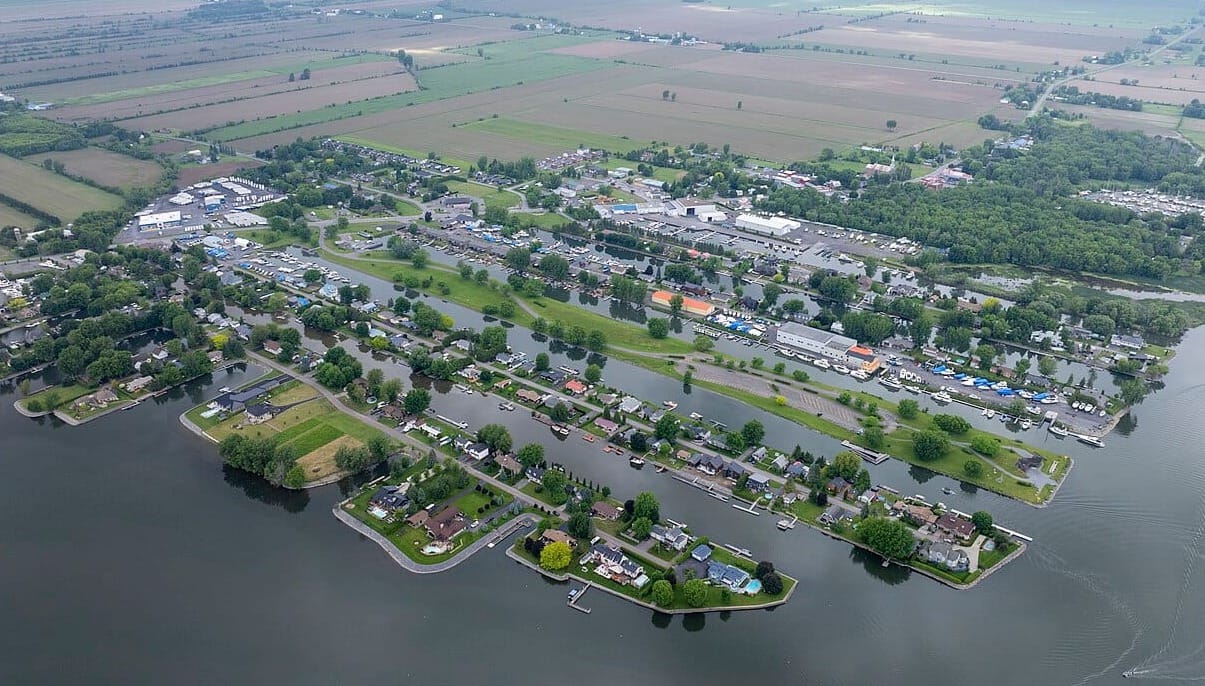
The Richelieu River offers something that many waterways struggle to provide: a genuine sense of journey. A cruise can begin on Lake Champlain, pass through historic communities and countryside, negotiate the locks of the Chambly Canal, continue north along the river and eventually reach the St. Lawrence.
Along the way, boaters encounter military history, historic canal engineering, wildlife, parks and attractive waterfront communities. For experienced cruisers, it’s an excellent route for a multi-day voyage. For paddlers, individual sections of the river and canals offer more manageable day trips. And for anyone interested in Quebec's history, the waterway provides an unusually enjoyable way to experience the region.