Crossing the Canadian Border by Boat: What Great Loopers Need to Know

For boaters traveling the Great Loop, crossing into Canada is an exciting part of the journey. Whether entering through the St. Lawrence Seaway, cruising the Thousand Islands or navigating the waterways between Lake Erie and Lake Huron, boaters have an opportunity to explore Canadian ports, historic waterfront communities and scenic cruising grounds. However, crossing an international border by boat requires advance preparation and an understanding of customs and immigration procedures.
Canadian and U.S. authorities have specific requirements for recreational vessels entering and leaving their respective waters. Knowing what documents to carry, where to report and what items can be brought across the border helps Great Loopers avoid unnecessary delays and enjoy a smoother passage, whether they’re leaving from a marina or a private boat dock rental.
1. Carry the Proper Identification and Vessel Documents
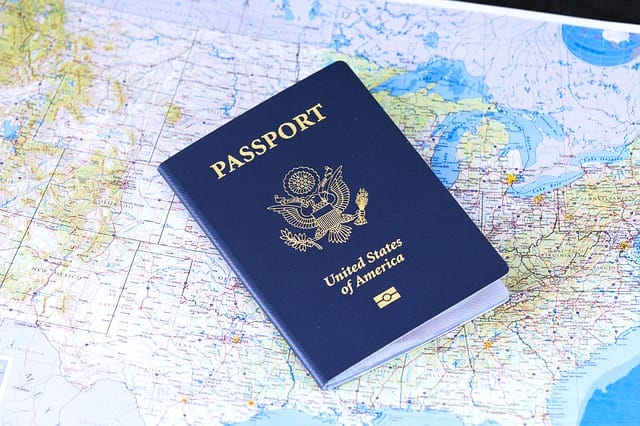
Before leaving U.S. waters, make sure everyone aboard has the appropriate travel identification. A valid U.S. passport is the preferred document for American citizens entering Canada. NEXUS cards may also be used by eligible members. Passengers should carry their own identification rather than relying on the captain to provide information for the entire crew.
The vessel operator should also have the boat's registration or documentation papers, proof of ownership and current insurance information readily available. Keeping a printed passenger list with full names, dates of birth, and citizenship information can make the reporting process easier. Travelers who are not U.S. or Canadian citizens should verify their Canadian entry requirements, including visa or electronic travel authorization requirements, before departure.
2. Understand Canada's Customs Reporting Procedures
The Canada Border Services Agency (CBSA) requires recreational boaters entering Canada to report their arrival, generally without delay. Most private vessels carrying fewer than 30 passengers can report through a designated marine telephone reporting site.
Upon reaching an authorized reporting location, the vessel operator calls the CBSA Telephone Reporting Centre at 1-888-226-7277 and requests clearance. Only the operator may leave the vessel to make the report, and all other passengers must remain aboard until clearance is granted.
Boaters can also report in person at designated marine reporting locations where border officers are available. The CBSA will request information about the vessel, its passengers, the purpose of the visit, and any goods being brought into the country.
There is a limited exception for boaters who enter Canadian waters but do not land, anchor, moor, contact another vessel or embark or disembark passengers or goods. However, Great Loopers planning to visit Canadian marinas, towns or anchorages should expect to report their arrival.
Failure to report can result in significant penalties, including a minimum fine of CAN$1,000, and potentially the detention or seizure of the vessel.
3. Know What You Can Bring Across the Border
Customs regulations apply to items carried aboard, not just those purchased during the trip. Boaters should declare applicable food, alcohol, tobacco, firearms, ammunition and other restricted goods. Certain foods, plants, animal products and fishing bait may be prohibited or subject to restrictions.
Firearms deserve particular attention. Canadian firearms regulations differ from U.S. laws, and some weapons that are legal to possess in the United States are restricted or prohibited in Canada. Boaters should research applicable requirements and obtain any necessary permits before crossing from a marina or a private boat lift rental.
Cannabis is another important consideration. Although recreational cannabis is legal in Canada, transporting it across the international border in either direction is illegal without specific federal authorization. This includes cannabis products, oils and products containing THC or CBD.
Travelers must also declare currency or monetary instruments totaling CAN$10,000 or more.
4. Make Arrangements for the Return to the United States
Returning to U.S. waters requires a separate customs reporting procedure. The U.S. Customs and Border Protection (CBP) agency requires recreational vessels arriving from a foreign location to report immediately upon arrival.
Depending on the location and the vessel's eligibility, boaters may report in person at an authorized marine port of entry or use an approved alternative reporting program. NEXUS members may qualify for expedited marine reporting, but everyone aboard must be an eligible program member to use the associated reporting benefits.
The CBP officer will request information about the vessel, passengers, and any goods being brought into the United States. Boaters should follow the officer's instructions and remain aboard until authorized to proceed.
5. Consider NEXUS Membership
For Great Loopers who anticipate crossing the Canadian border more than once, NEXUS membership may be worth considering. This joint U.S.-Canadian program provides expedited processing for preapproved, low-risk travelers at participating border crossings, including designated marine reporting locations.
NEXUS can simplify border procedures, but it doesn’t eliminate the requirement to report. For marine arrivals, all passengers must have NEXUS membership to use the expedited reporting process. Members entering Canada must also provide advance notification through the designated NEXUS reporting system.
Applications require background checks and interviews, so boaters interested in membership should plan well ahead of their departure from private boat slips near me for rent.
6. Plan Ahead for a Smooth Crossing
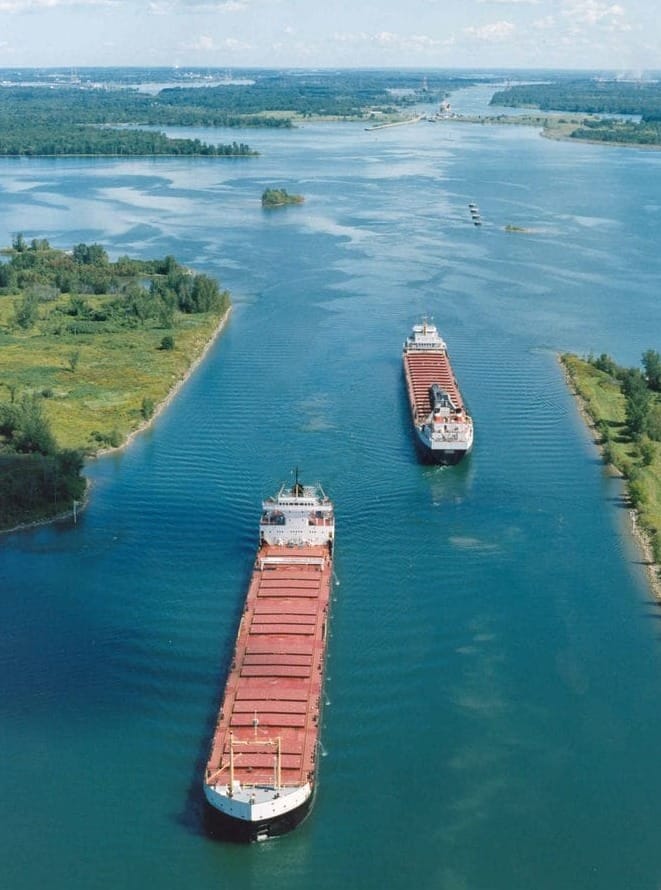
Crossing into Canada is an enjoyable part of the Great Loop, but boaters should not wait until they reach the border to research entry requirements. Reporting locations, operating hours and procedures can vary depending on the waterway and time of year.
Before departure, check current CBSA and CBP regulations, confirm the location of the nearest designated reporting site and make sure the vessel has reliable communication equipment. Cell service may be inconsistent in remote areas, particularly along northern Lake Huron and Georgian Bay.
Keep passports, vessel documentation, passenger information and customs records together in an accessible location. Also, maintain a record of your Canadian clearance number and any instructions provided by border officers.
With proper preparation, Great Loopers can spend less time worrying about customs procedures and more time enjoying Canada's beautiful waterways, welcoming waterfront communities and memorable cruising destinations.
Useful official resources for readers: