City Guides: Things to do While Boating in Minneapolis, Minnesota


Minneapolis combines urban attractions, cultural institutions, historic landmarks and outdoor recreation in a city shaped by the Mississippi River. Known for its flour-milling heritage, extensive park system and thriving arts scene, Minnesota's largest city offers visitors a variety of experiences to enjoy from a marina or private boat dock rental. From scenic waterfalls and lakeside trails to art museums and historic riverfront buildings, Minneapolis has attractions that appeal to history enthusiasts, outdoor adventurers and families.
Minnehaha Falls
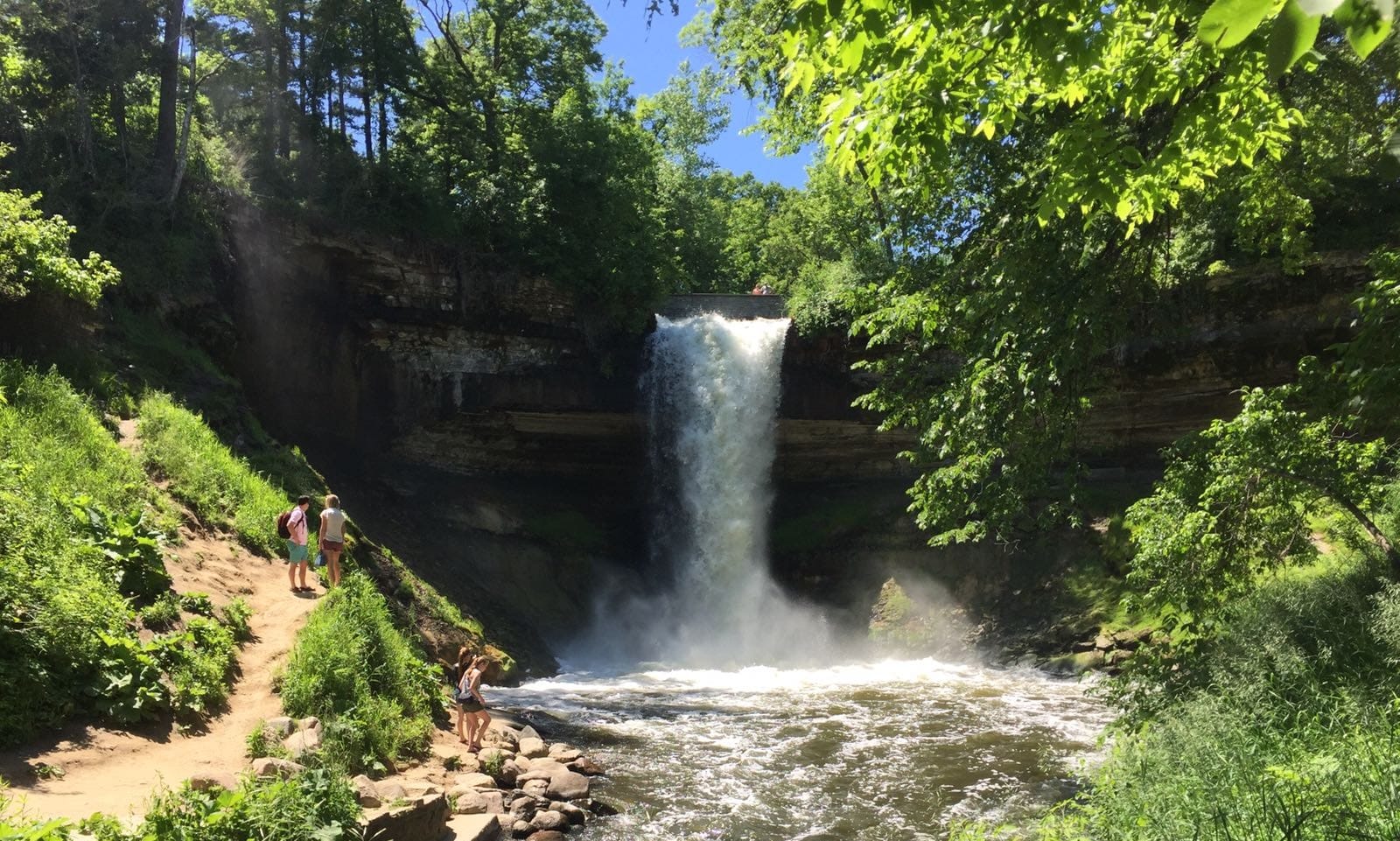
One of the city’s most recognizable natural landmarks, Minnehaha Falls is a 53-foot waterfall located within Minnehaha Regional Park. Minnehaha Creek flows over a limestone ledge before dropping into a rocky gorge on its way to the Mississippi River. Visitors can view the falls from an overlook at the top or follow stairways and walking paths to the lower basin for a closer perspective.
The surrounding park encompasses approximately 193 acres and includes wooded trails, picnic areas, historic structures and recreational facilities. Visitors can also explore the trails along Minnehaha Creek or walk toward the Mississippi River. During warmer months, Sea Salt Eatery, a seasonal restaurant near the falls, provides an additional reason to spend time in the park. In winter, the waterfall sometimes freezes into dramatic ice formations, creating a different but equally distinctive landscape.
Mill City Museum
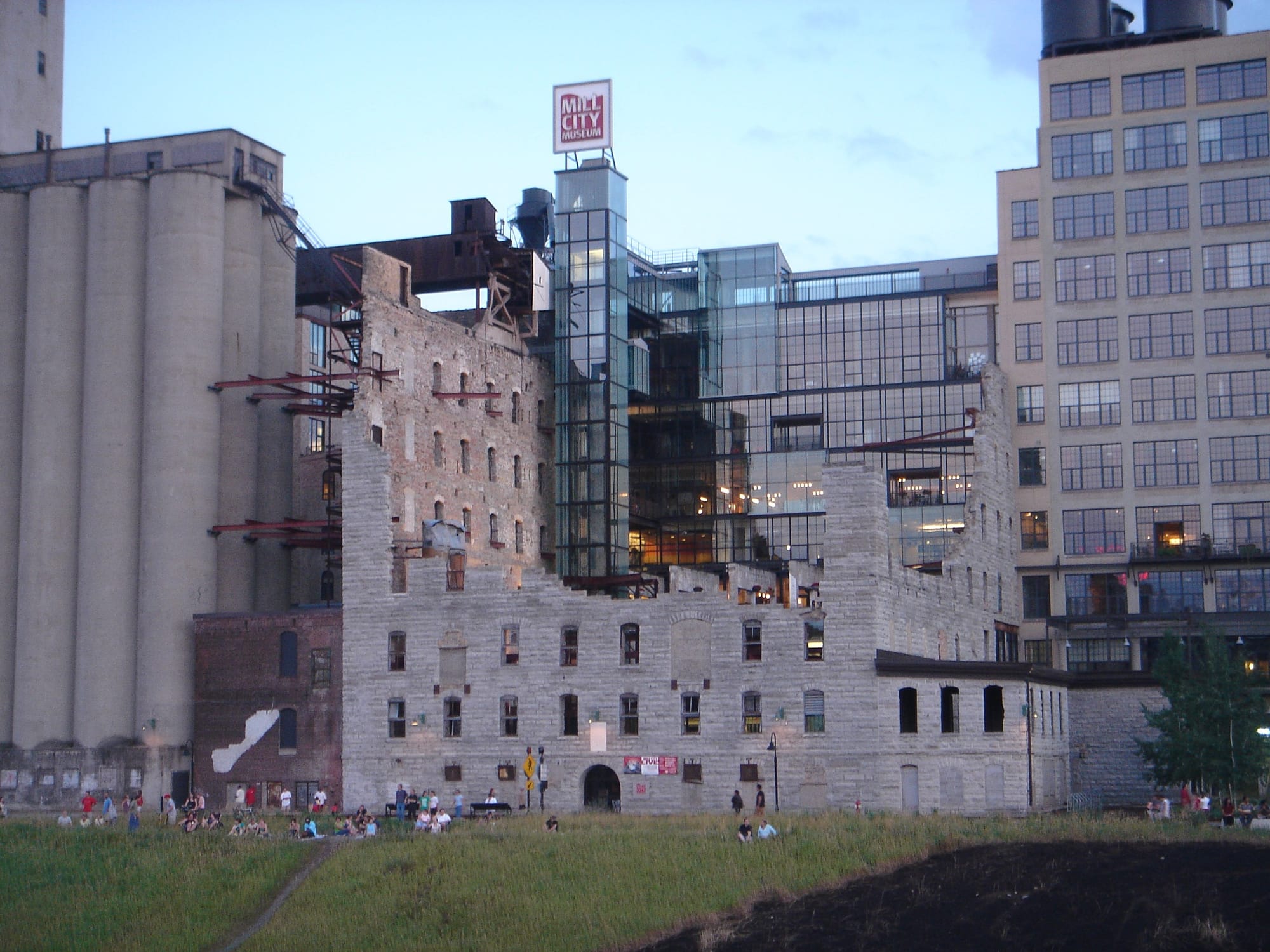
Located along the Mississippi River in the historic Mill District, Mill City Museum explores the flour-milling industry that helped establish Minneapolis as a major commercial center. The museum occupies the ruins of the former Washburn A Mill, once one of the world's largest flour mills. A devastating explosion in 1878 destroyed much of the original facility, and a subsequent fire in 1991 left the remaining structure in ruins.
Today, the museum incorporates portions of the historic building into its exhibits, providing insight into the city's industrial development, the milling process and the importance of the Mississippi River as a source of water power. One of its most distinctive features is the Flour Tower, an interactive elevator experience that takes visitors through different periods of milling history. The museum also has a rooftop observation deck overlooking St. Anthony Falls and the downtown riverfront.
Minneapolis Sculpture Garden
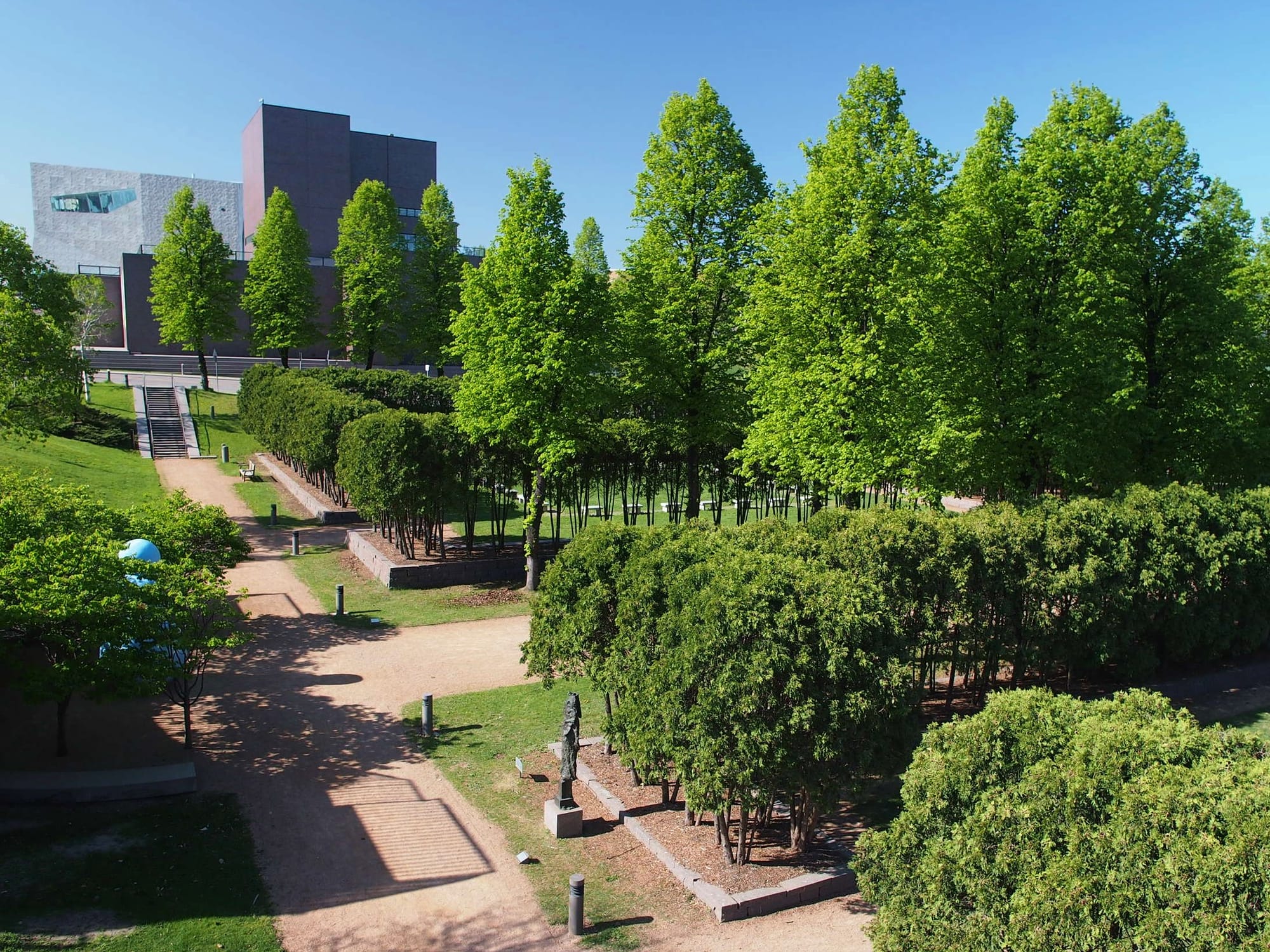
The Minneapolis Sculpture Garden combines contemporary art and landscaped green space in an 11-acre outdoor setting. Operated through a partnership between the Walker Art Center and the Minneapolis Park and Recreation Board, the garden features more than 60 sculptures and installations. Admission to the outdoor garden is free, making it an accessible attraction for visitors coming from a private boat lift rental or local marina.
Its most recognizable work is Spoonbridge and Cherry, a large spoon-shaped sculpture with a cherry resting on its end. Created by artists Claes Oldenburg and Coosje van Bruggen, the fountain sculpture has become one of Minneapolis's most recognizable landmarks. Other installations include colorful, oversized figures and abstract works that visitors can view while walking along the garden's landscaped paths.
Walker Art Center
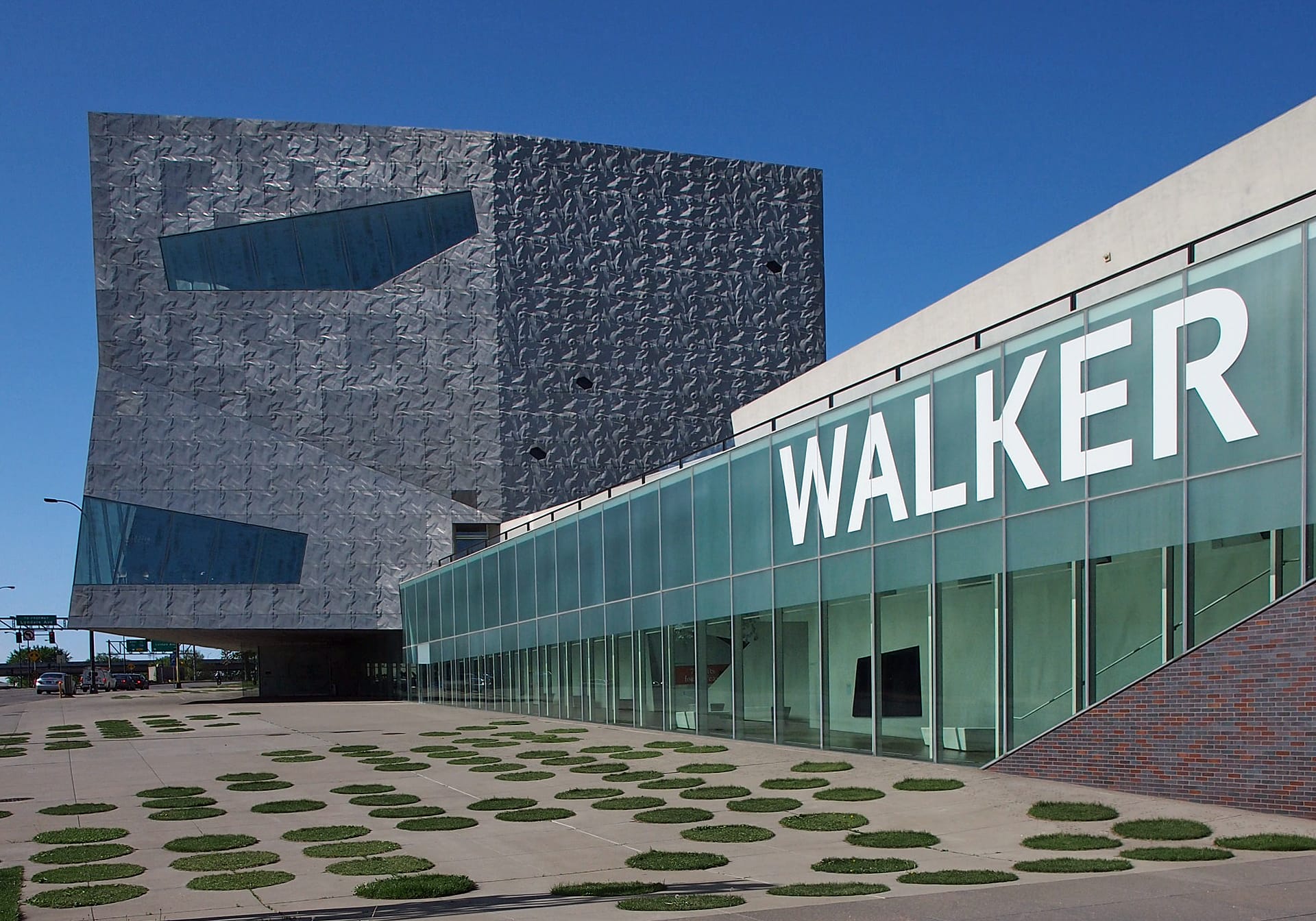
The Walker Art Center is a nationally recognized contemporary art institution featuring exhibitions, performances, films and educational programs. Its collection and rotating exhibitions encompass painting, sculpture, photography, design and multimedia installations. The museum's modern building provides gallery space for both established and emerging artists, while its performing arts programs include theater, dance, music and experimental presentations. The Walker also operates a cinema that screens independent, international and classic films.
Minneapolis Institute of Art

Art enthusiasts can explore thousands of years of artistic history at the Minneapolis Institute of Art, commonly known as Mia. Located in the Whittier neighborhood, the museum houses a collection of more than 100,000 objects representing cultures and artistic traditions from around the world. The galleries feature European paintings, Asian ceramics, African sculpture, decorative arts, photography and contemporary works. Visitors can encounter pieces by artists such as Vincent van Gogh, Claude Monet and Rembrandt, along with historical artifacts and objects from ancient civilizations.
Stone Arch Bridge

The Stone Arch Bridge is one of Minneapolis's most distinctive historic landmarks. Completed in 1883, the 2,100-foot structure was built to carry railroad traffic across the Mississippi River near St. Anthony Falls. Constructed primarily of granite and limestone, the bridge features a series of stone arches that remain an impressive example of 19th-century engineering.
Although it no longer carries trains, the bridge serves as a pedestrian and bicycle crossing, offering views of the river, downtown skyline and historic buildings. It also provides convenient access to attractions on both sides of the river, including Mill Ruins Park and the Mill City Museum.
American Swedish Institute
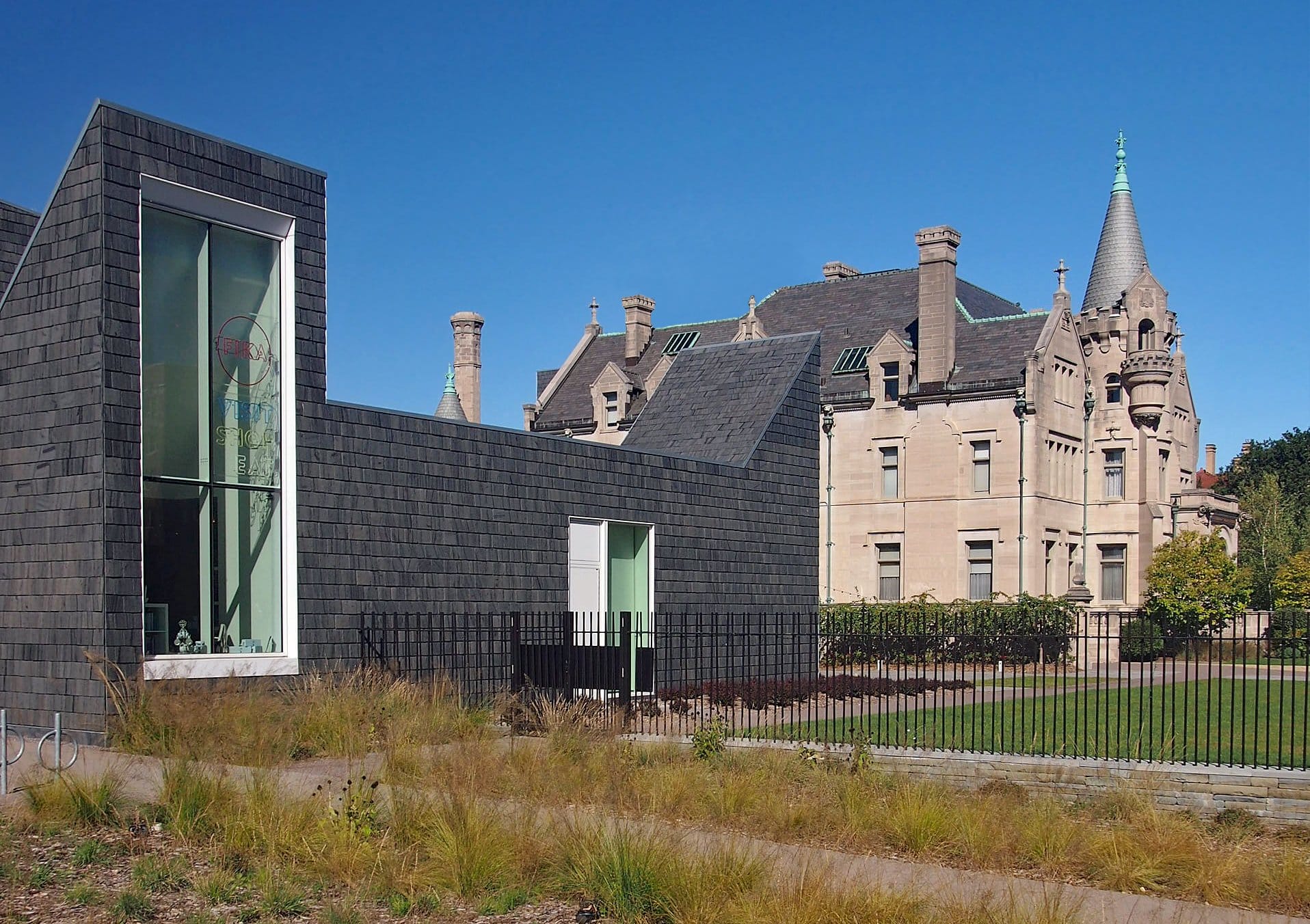
The American Swedish Institute celebrates Swedish and Nordic heritage through art, history, architecture and cultural programming. Its centerpiece is the historic Turnblad Mansion, a 33-room residence completed in 1908 for Swedish-American newspaper publisher Swan Turnblad and his family. The mansion features elaborate architectural details, carved woodwork, decorative ceilings and furnishings reflecting the family's Swedish background and wealth. Visitors can explore the historic rooms and view exhibitions highlighting Swedish immigration, Scandinavian traditions and contemporary Nordic culture.
The institute also has a modern cultural center with rotating exhibitions, educational programs and community events. An on-site Nordic café and museum shop provide additional opportunities to experience Scandinavian food, design and craftsmanship while staying at private boat slips near me for rent.
Bde Maka Ska
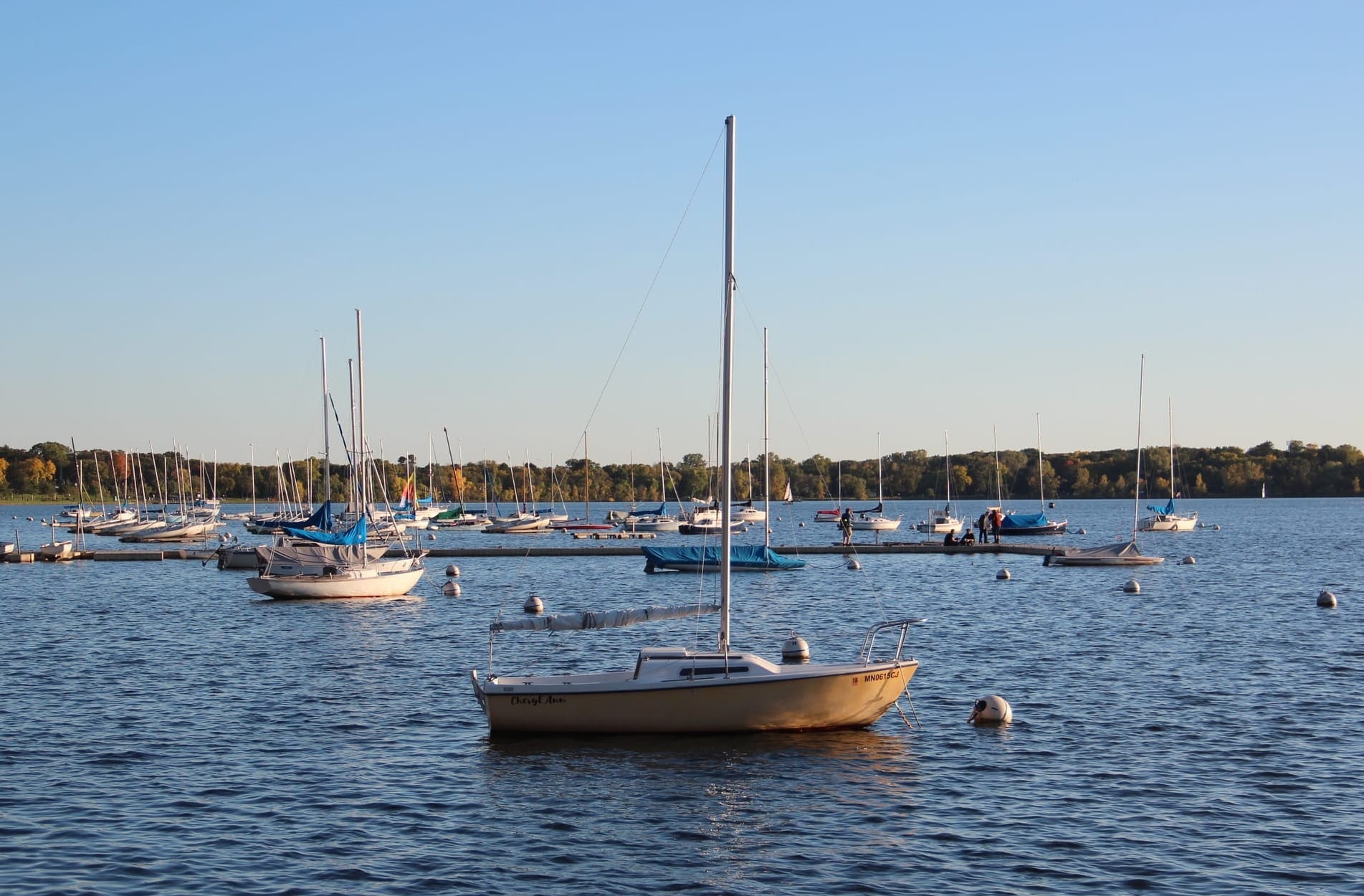
Outdoor recreation is an important part of Minneapolis's identity, and Bde Maka Ska is one of the city's most popular lake destinations. Formerly known as Lake Calhoun, the lake is part of the Chain of Lakes Regional Park system in southwestern Minneapolis. Its Dakota name translates to White Earth Lake. Bde Maka Ska connects to nearby Lake of the Isles and Lake Harriet through a network of trails, making it possible to explore several Minneapolis lakes in one outing.
A paved path circles the approximately 420-acre lake, providing space for walking, jogging and cycling. Visitors can also enjoy swimming at designated beaches, kayaking, paddleboarding, sailing and fishing. Several recreational facilities and rental opportunities are available during the warmer months.