Adventures in Boating: The Delaware River

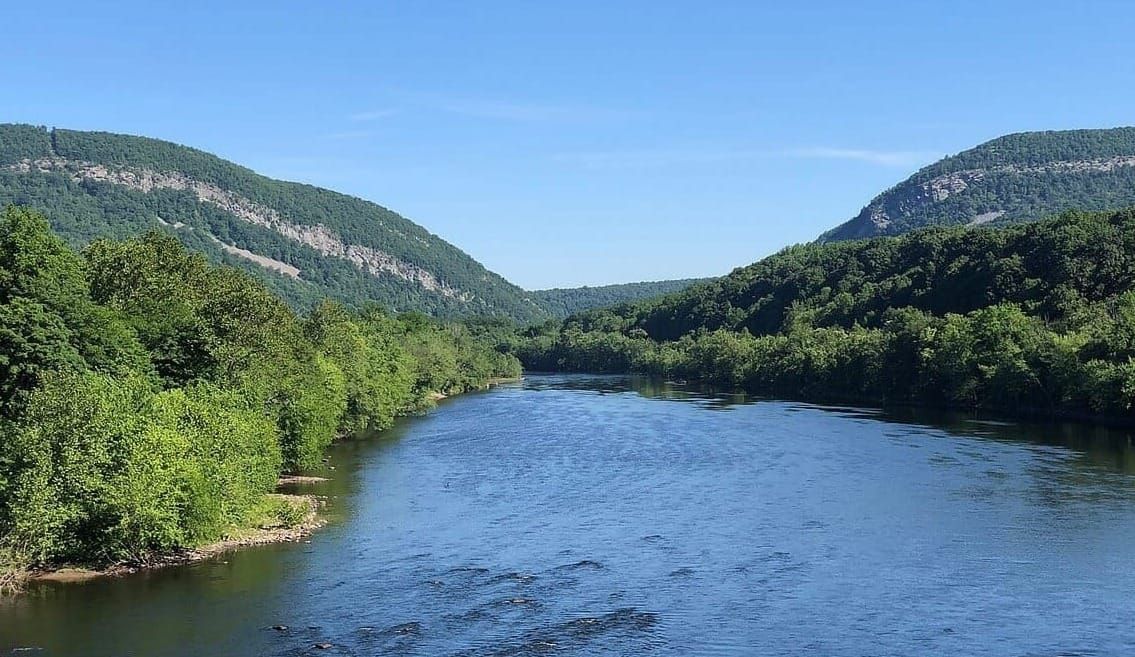
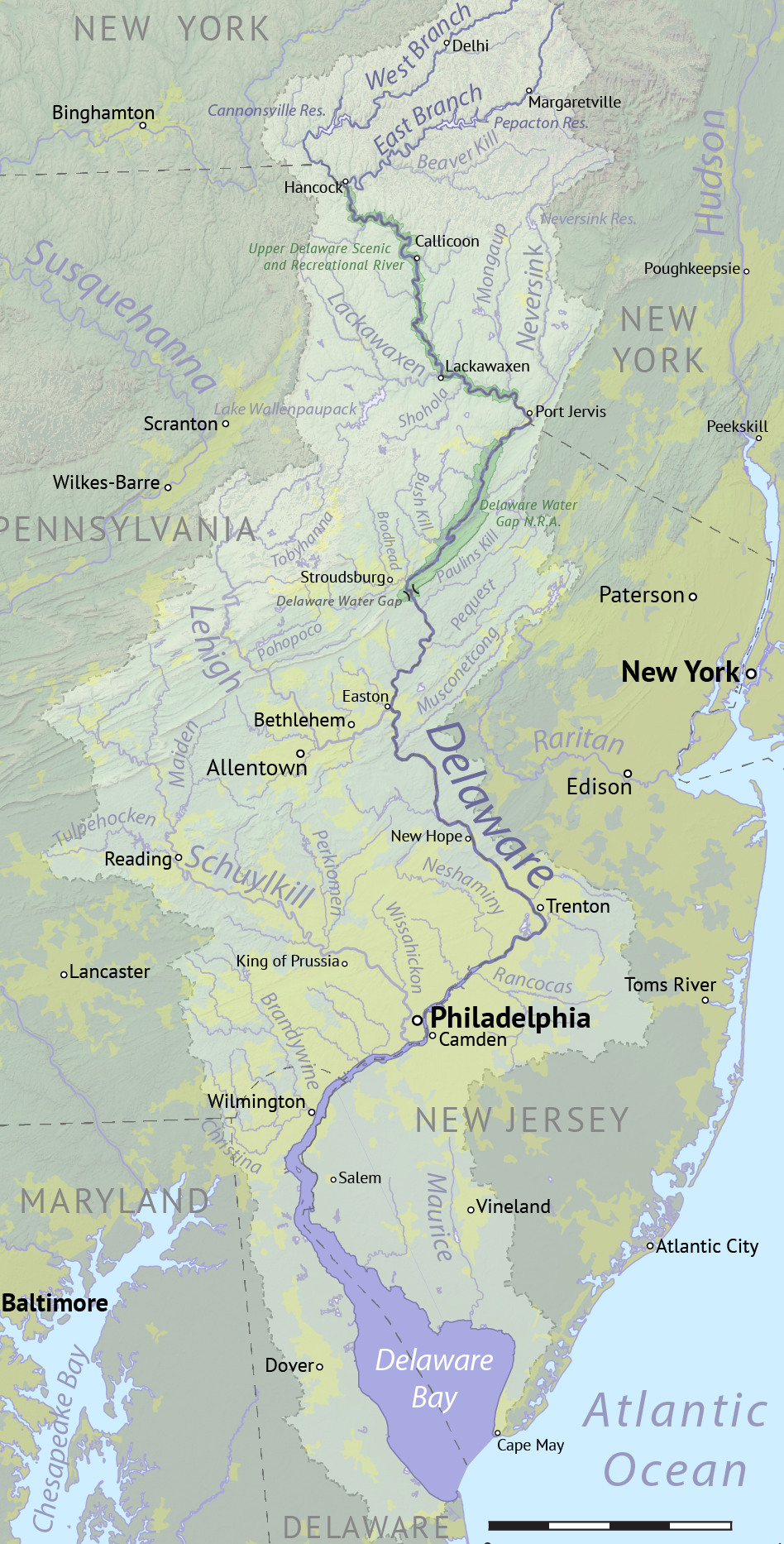
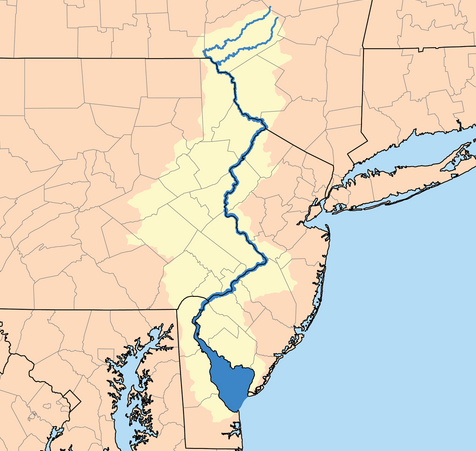
The Delaware River offers boaters something that few major rivers in the Northeast can match: a remarkable variety of scenery, wildlife, history and boating experiences. Stretching from the Catskill Mountains to Delaware Bay, at about 330 miles long, the river passes through or borders four states before reaching the Atlantic Ocean, including New York, Pennsylvania, New Jersey and Delaware. It’s one of the longest free-flowing undammed rivers in the Eastern US.
For recreational boaters, the Delaware can be a destination for an afternoon cruise from a private boat lift rental, a fishing trip, a kayaking adventure or a leisurely journey between riverside towns. It can also be a demanding waterway, particularly for boaters unfamiliar with its currents, commercial traffic, changing depths, and tidal sections.
A River with Many Different Personalities
One of the most appealing aspects of Delaware River boating is how dramatically the river changes along its course. In the upper Delaware, the river is narrower and more rural. Forested hills, rocky banks and relatively undeveloped stretches create a peaceful setting for paddlers, anglers and smaller recreational boats.
Farther downstream, the river becomes broader and more influenced by development. The middle and lower sections pass through historic communities, industrial areas, ports and major metropolitan centers. Near Philadelphia and Camden, the Delaware takes on a distinctly urban character. Boaters can see bridges, waterfront parks, skyscrapers, stadiums, port facilities and commercial ships. Farther south, the river opens toward Delaware Bay, where the environment becomes increasingly tidal and maritime.
Cruising the Delaware River
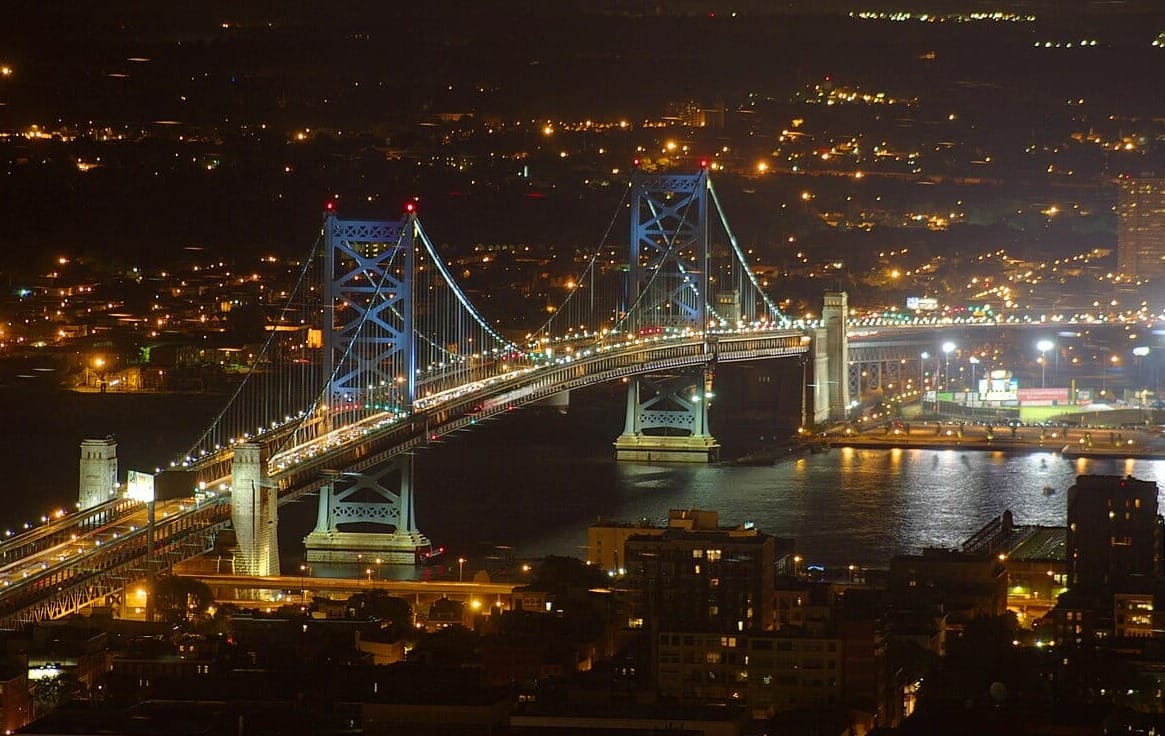
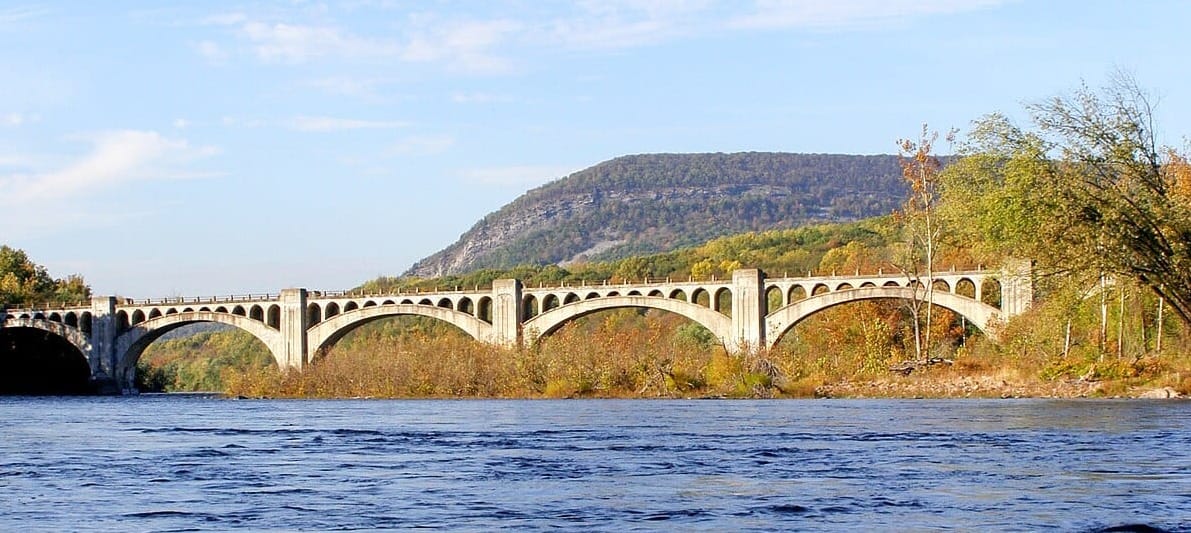
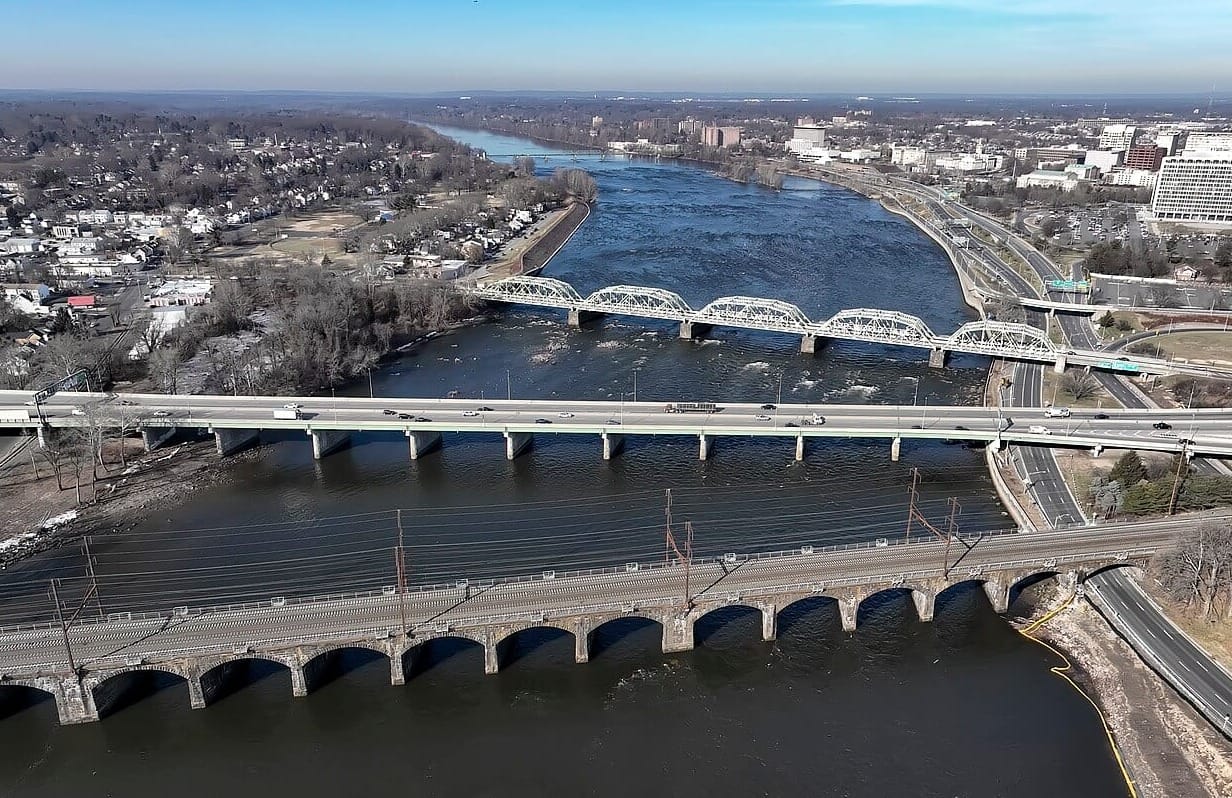
Powerboat cruising is one of the best ways to experience the river's changing scenery. A day on the water might combine a quiet morning in a sheltered stretch with lunch at a waterfront destination and an afternoon spent exploring a riverside town. The Philadelphia waterfront is particularly recognizable. Boaters can enjoy views of the city's skyline while traveling beneath or alongside some of the region's major bridges.
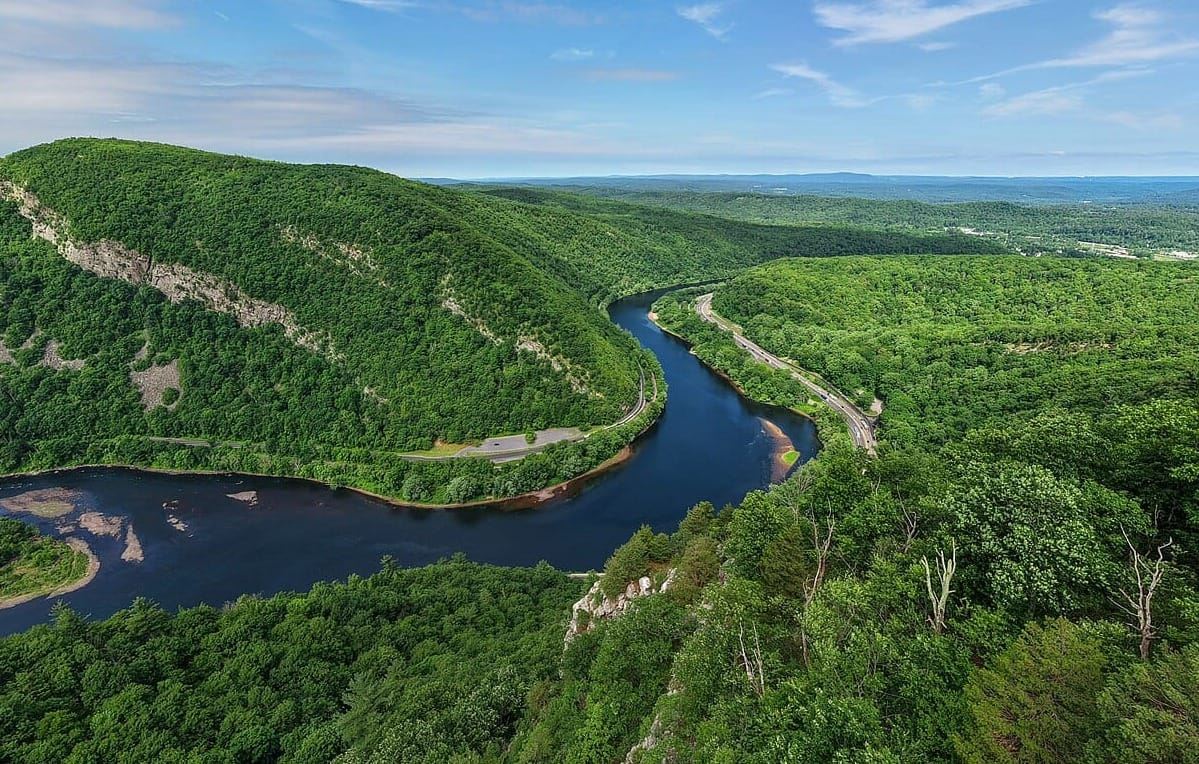
Heading north from Philadelphia brings a very different experience. The river becomes more rural, and the scenery around the Delaware Water Gap is especially impressive. The surrounding cliffs and wooded mountains provide one of the most dramatic landscapes on the river.
Cruisers should remember, however, that the Delaware is not simply a recreational lake. It is a working commercial waterway. Large commercial vessels use portions of the river, particularly in the lower reaches, and recreational boaters need to maintain a proper lookout and follow the applicable navigation rules.
Fishing on the Delaware
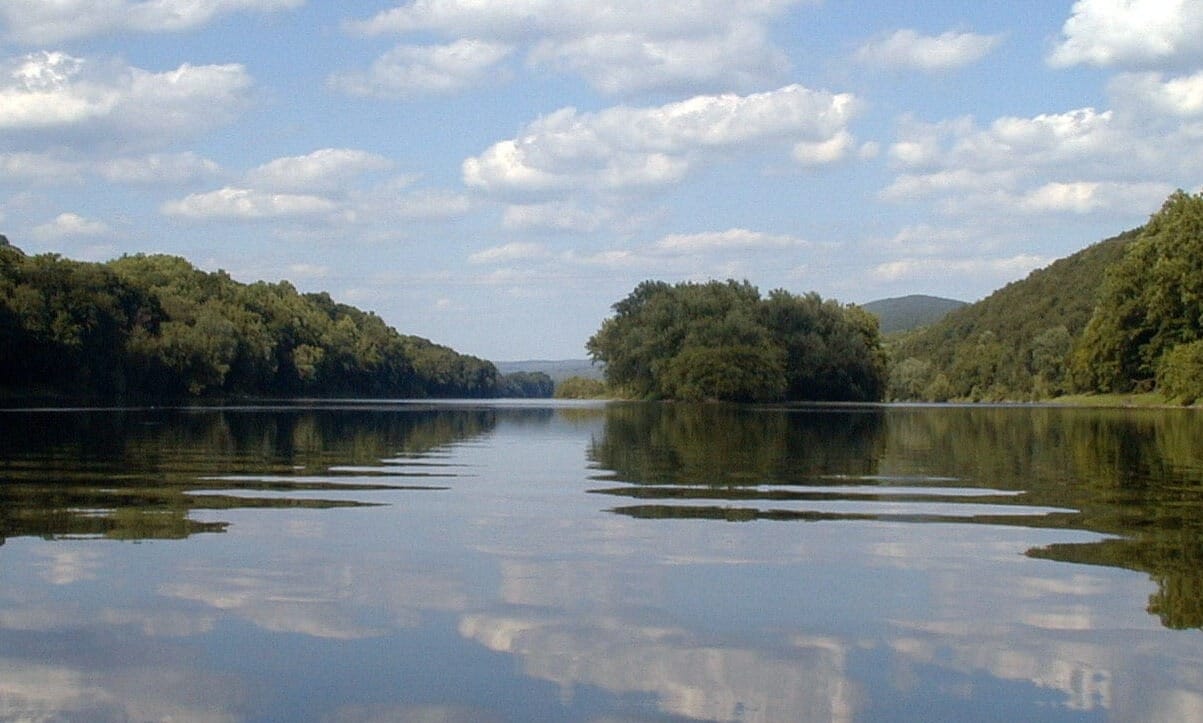
The river is also a popular destination for anglers. Depending on the location and season, fishermen pursue species including striped bass, catfish, smallmouth bass, walleye and other freshwater and migratory fish. Fishing conditions can change considerably from one section of the river to another. Upper-river fishing tends to have a different character from the broader, more tidal lower river.
Because the Delaware borders several states, anglers should pay close attention to the regulations governing the specific section where they are fishing. Licenses, seasons, size limits, creel limits and permitted equipment can differ between jurisdictions.
Kayaking, Canoeing and Paddle Sports
The Delaware is particularly attractive to paddlers because it offers everything from quiet stretches suitable for relaxed day trips to more challenging sections where current, weather, boat traffic and river conditions require greater experience.
Kayaking and canoeing are popular on the upper and middle portions of the river, where wooded scenery and riverside communities create opportunities for multi-hour or multi-day trips. Paddlers should never underestimate the river simply because it appears calm. Current, cold water, changing weather, submerged hazards and commercial traffic can all create significant risks.
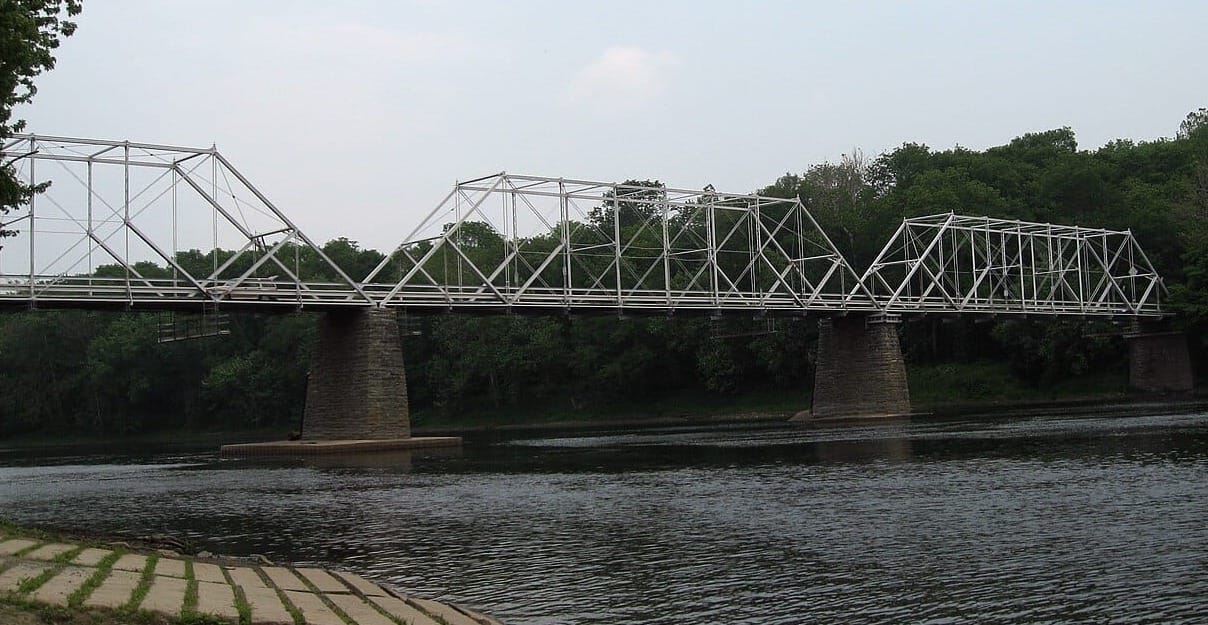
The Delaware Water Gap
For many recreational boaters, the Delaware Water Gap is one of the river's highlights. Here, the Delaware cuts through the Appalachian Mountains, creating a spectacular natural corridor. The combination of cliffs, forests, islands and relatively undeveloped shoreline makes this section especially attractive for kayakers, canoeists, anglers and small-boat cruisers. The landscape is particularly beautiful in autumn, when the surrounding forests take on brilliant colors.
Philadelphia and the Urban River
The Philadelphia section provides an entirely different boating experience. From the water, boaters get an unusual perspective on the city. The skyline, bridges, parks and modern developments create a striking contrast with the more rural river upstream. This section can also be considerably busier. Recreational boats share the waterway with commercial traffic, and boaters should maintain a careful lookout and understand the navigation rules before entering busy areas.
Waterfront Stops and Marinas
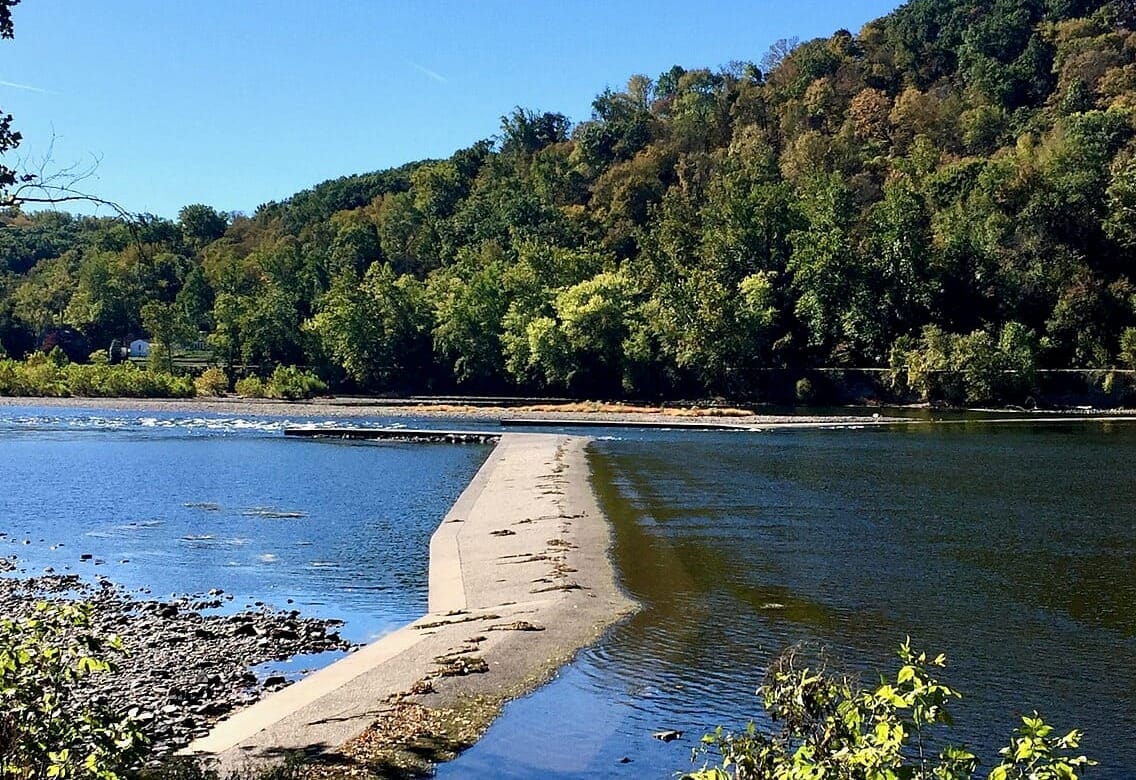
One of the pleasures of Delaware River boating is combining time on the water with stops ashore.
Marinas and waterfront communities along the river can provide opportunities for:
- Fuel and basic boating supplies
- Overnight or transient dockage
- Waterfront restaurants
- Parks and walking trails
- Historic attractions
- Shopping and local entertainment
- Fishing access
- Launch facilities for smaller boats
Because facilities vary considerably, boaters should check ahead for current hours, transient-slip availability, fuel service, depth restrictions and docking requirements. A little advance planning can turn a simple boat trip from a private boat slip for rent into a multi-stop river adventure.
Tides, Currents and Navigation
One of the most important things to understand about the Delaware is that conditions vary significantly along the river. The lower Delaware is tidal, meaning water levels and currents are influenced by the tides. Current and water level can affect speed over ground, docking, anchoring and the timing of a trip.
The river also contains shoals, submerged objects, changing depths, bridges, commercial shipping channels and other hazards. Navigation aids are important, but the Coast Guard notes that the U.S. aids-to-navigation system is not intended to identify every shoal or obstruction in navigable waters.
Before departing from a private boat dock near me for rent or a marina, boaters should consult current nautical charts, navigation information, weather forecasts and local notices. Experienced boaters also plan their route around fuel availability, bridges, tides, current and safe bailout points.
Boating Safety on the Delaware
Safety deserves particular attention on a river as large and varied as the Delaware. The Coast Guard's recreational boating guidance emphasizes several fundamentals, including life jackets, boating education, engine cut-off switches, float plans, carbon-monoxide awareness and avoiding boating under the influence.
A responsible Delaware River boater should:
- Wear an appropriate, U.S. Coast Guard-approved life jacket.
- Check the weather before leaving and continue monitoring conditions.
- Carry required safety equipment.
- Know the capabilities and limitations of the boat.
- Maintain a proper lookout, especially in areas with commercial traffic.
- Understand navigation rules and right-of-way situations.
- Keep a charged phone and appropriate marine communications equipment available.
- File a float plan for longer or more remote trips.
- Avoid alcohol consumption by the person operating the boat.
- Check current charts and navigation information rather than relying solely on memory or a GPS track.
Respecting the River
The Delaware is also an important ecological resource. Boaters can help protect it by avoiding unnecessary shoreline disturbance, properly disposing of trash, preventing fuel and oil spills and giving wildlife plenty of space. The river supports a wide range of aquatic and terrestrial ecosystems. Its shoreline includes wetlands, forests, islands, parks and other habitats that are easily affected by careless boating practices. A good rule is simple: leave the river as you found it—or better.
The Delaware as a Boating Destination
Boating on the Delaware River is ultimately about variety. In one trip, you can encounter quiet wooded shorelines, historic towns, dramatic mountains, busy ports, major bridges, city skylines and broad tidal waters. For the recreational boater, that makes the Delaware more than a waterway. It’s a series of different boating destinations connected by one historic river.
Whether your ideal day involves fishing at sunrise, paddling beneath forested hills, cruising past Philadelphia or tying up for dinner at a riverside marina, the Delaware offers an experience to match. The key is preparation. Understand the section of river you intend to explore, respect commercial traffic and changing conditions, follow the navigation rules and carry the safety equipment appropriate for your vessel. With those fundamentals in place, the Delaware can provide some of the most rewarding boating experiences in the Mid-Atlantic.