Adventures in Boating: The Red River of the North

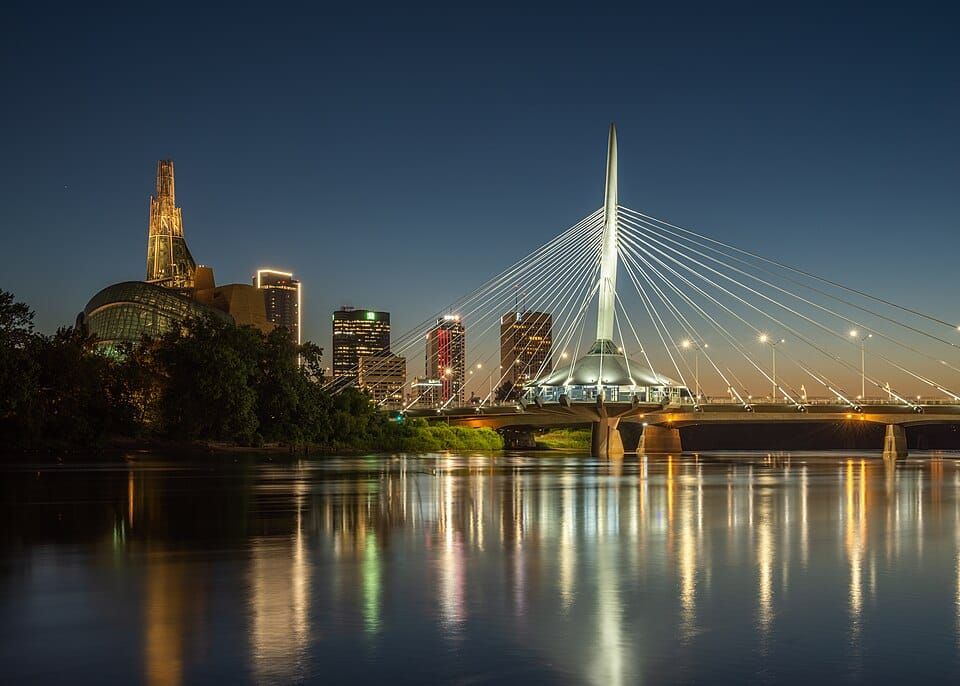
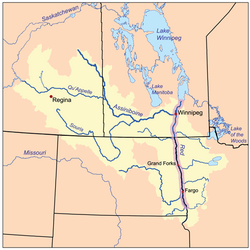
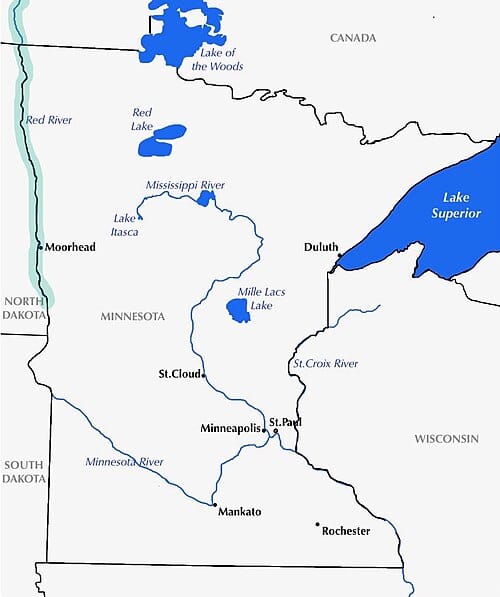
The Red River of the North is one of North America's most distinctive waterways. Flowing approximately 550 miles from the confluence of the Bois de Sioux and Otter Tail Rivers at the Minnesota/North Dakota border northward into Lake Winnipeg in Manitoba, Canada, it is unusual because it flows toward the Arctic rather than the Gulf of Mexico. The river also meanders through the remarkably flat Red River Valley, a landscape created by the ancient glacial Lake Agassiz.
For boaters, the Red River offers a unique mix of scenic views, wildlife, fishing opportunities and access to riverside communities. However, its changing water levels, strong currents during high water and seasonal conditions require careful planning. Check out some tips before heading out from private boat docks for rent or marinas.
Types of Boating
The Red River accommodates a variety of recreational boating activities:
- Fishing boats: Popular for anglers targeting channel catfish, northern pike, walleye, sauger and freshwater drum
- Kayaks and canoes: Suitable for many stretches during stable water conditions, offering a quieter way to experience the river
- Pontoon boats: Common in calmer sections near cities and parks
- Small motorboats: Frequently used for fishing and recreational cruising where water depth permits
The river is generally not ideal for large recreational vessels due to its varying depths, occasional sandbars and changing water conditions.
River Conditions
Before launching a boat, check:
- Current river levels
- Streamflow conditions
- Weather forecasts
- Local boat launch status
- Any navigation advisories
Water levels can change rapidly after heavy rainfall, especially in the northern portions of the watershed.
Wildlife and Natural Scenery
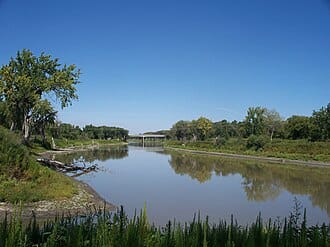
The Red River corridor supports a wide variety of wildlife. Boaters may observe:
- Great blue herons
- Bald eagles
- White pelicans
- Beavers
- Muskrats
- White-tailed deer along the shoreline
The river also serves as an important migratory route for numerous bird species, making it an attractive destination for nature enthusiasts and photographers to visit from private boat lift rentals.
Fishing Opportunities
The Red River is widely recognized for its excellent catfishing. Channel catfish are abundant, and anglers regularly catch fish exceeding 20 pounds, with much larger specimens occasionally landed.
Other commonly caught species include:
- Walleye
- Sauger
- Northern pike
- Smallmouth bass
- Freshwater drum
- Carp
Fishing regulations vary between Minnesota, North Dakota and Manitoba, so anglers should ensure they possess the appropriate licenses and understand local regulations before leaving marinas or private boat slips for rent near me.
Boat Access
Numerous public boat ramps provide access along the river. Popular launching areas can be found near communities including:
- Wahpeton, North Dakota
- Fargo, North Dakota
- Moorhead, Minnesota
- Grand Forks, North Dakota
- East Grand Forks, Minnesota
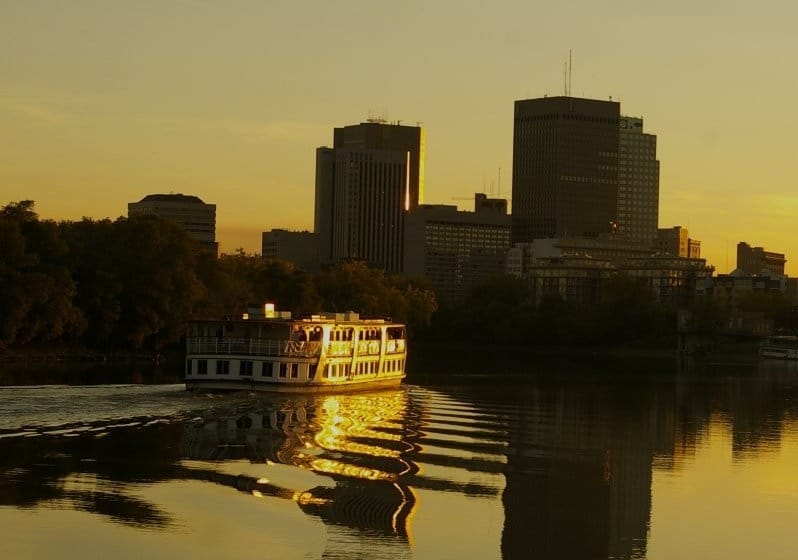
- Winnipeg, Manitoba
Availability and accessibility of launches may vary with river levels and seasonal conditions.
Safety Tips
Because the Red River behaves differently from many recreational lakes, boaters should follow several safety practices:
- Always wear a properly fitted life jacket.
- Watch for submerged logs and floating debris.
- Be aware of changing currents.
- Carry communication equipment.
- Tell someone your float plan before departing.
- Avoid boating during flood conditions or severe weather.
- Stay within your vessel's operating limits.
Environmental Stewardship
Boaters play an important role in protecting the river's ecosystem. Responsible practices include:
- Properly disposing of trash.
- Preventing fuel or oil spills.
- Cleaning boats to help prevent the spread of aquatic invasive species.
- Respecting wildlife habitat.
- Following all local boating regulations.
The Red River of the North offers a boating experience unlike many other rivers in North America. Its northward flow, rich fishing opportunities, abundant wildlife and connection to communities across Minnesota, North Dakota and Manitoba make it an appealing destination for recreational boaters. By monitoring river conditions, practicing safe boating and respecting the natural environment, visitors can enjoy everything this historic river has to offer.