When Conditions Deteriorate: Making the Right Go/No-Go Decision Offshore


Offshore boating requires more than reliable equipment and navigation skills. It also demands the ability to evaluate changing weather, sea conditions and vessel limitations before and during a trip. Conditions that appear manageable at the dock can deteriorate quickly once a boat has taken off from private boat lift rentals and is several miles offshore, where shelter may be limited and returning to port can become difficult. Knowing when to proceed, delay departure, change course or turn back is an essential part of responsible boat operation.
A go/no-go decision should never depend on a single weather forecast or the desire to reach a destination. Instead, boaters should consider several factors, including wind, waves, visibility, vessel capability, crew experience and access to safe harbor.
Evaluate Weather Before Departure
Weather forecasting is the starting point for offshore trip planning. Before leaving a marina or At private boat dock for rent, review marine forecasts, wind speeds and directions, wave heights, swell periods, precipitation and visibility. Pay particular attention to small craft advisories, gale warnings and other marine weather alerts.
Wind direction can be just as important as wind speed. An offshore wind may create relatively calm conditions near the coast while making the return trip more difficult. Conversely, strong onshore winds can produce steep waves and hazardous conditions near inlets, bars, and coastal entrances.
Wave height alone does not provide a complete picture of sea conditions. Short-period waves can create an uncomfortable, pounding ride, while larger swells with longer periods may be more manageable for some vessels. However, crossing swells, wind-driven waves and opposing currents can produce confused seas that make handling more difficult.
Check forecasts for the entire planned route and expected return time. Conditions can change considerably during a day, and a forecast that is acceptable for departure may not remain suitable several hours later.
Know Your Boat's Limitations
A vessel's size, hull design, freeboard, propulsion system and handling characteristics influence its ability to operate offshore. A boat that performs well in protected bays may not be suitable for exposed coastal waters or extended offshore passages.
Review the manufacturer's operating guidance and consider the boat's seaworthiness, fuel capacity, range and equipment. Ensure that bilge pumps, steering systems, navigation electronics, communications equipment and safety gear are functioning properly.
Fuel planning deserves particular attention. Calculate the expected fuel consumption for the entire trip, including the return journey, and account for additional consumption caused by strong winds, waves and changes in speed. Never assume that favorable conditions will continue throughout the passage.
Consider Crew Experience and Physical Condition
The experience and readiness of everyone aboard should influence the decision to depart. An experienced operator may be comfortable handling moderate offshore conditions, but inexperienced passengers or crew members may struggle with seasickness, fatigue or difficult movement around the boat.
Before departure, discuss the planned route, expected conditions, emergency procedures and individual responsibilities. Confirm that everyone knows where life jackets, communication equipment and emergency signaling devices are located.
Fatigue, illness, alcohol consumption and inadequate rest can compromise judgment and reaction time. If the operator or essential crew members are not physically or mentally prepared, postponing the trip is the safer decision.
Recognize When Conditions Are Deteriorating
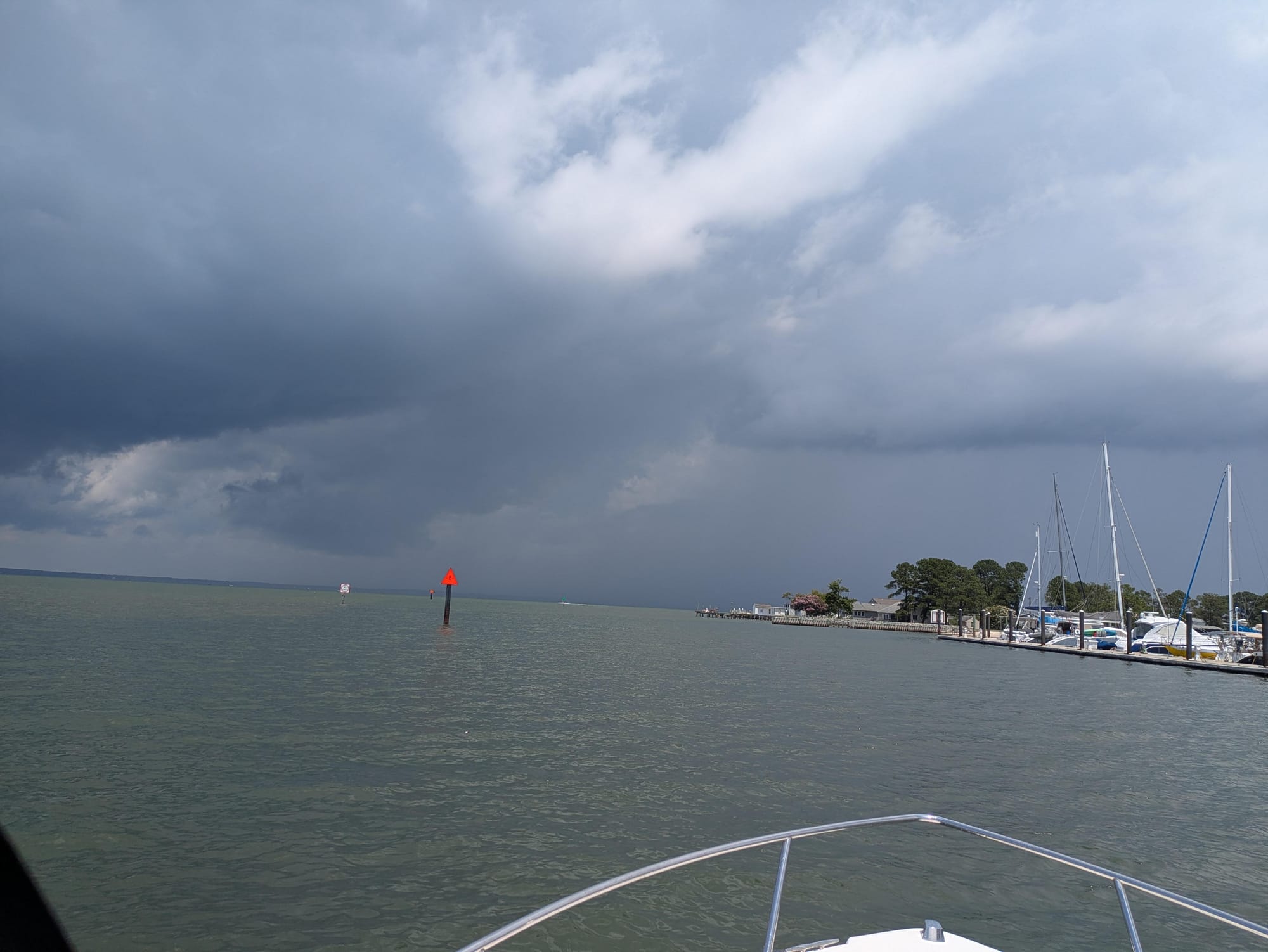
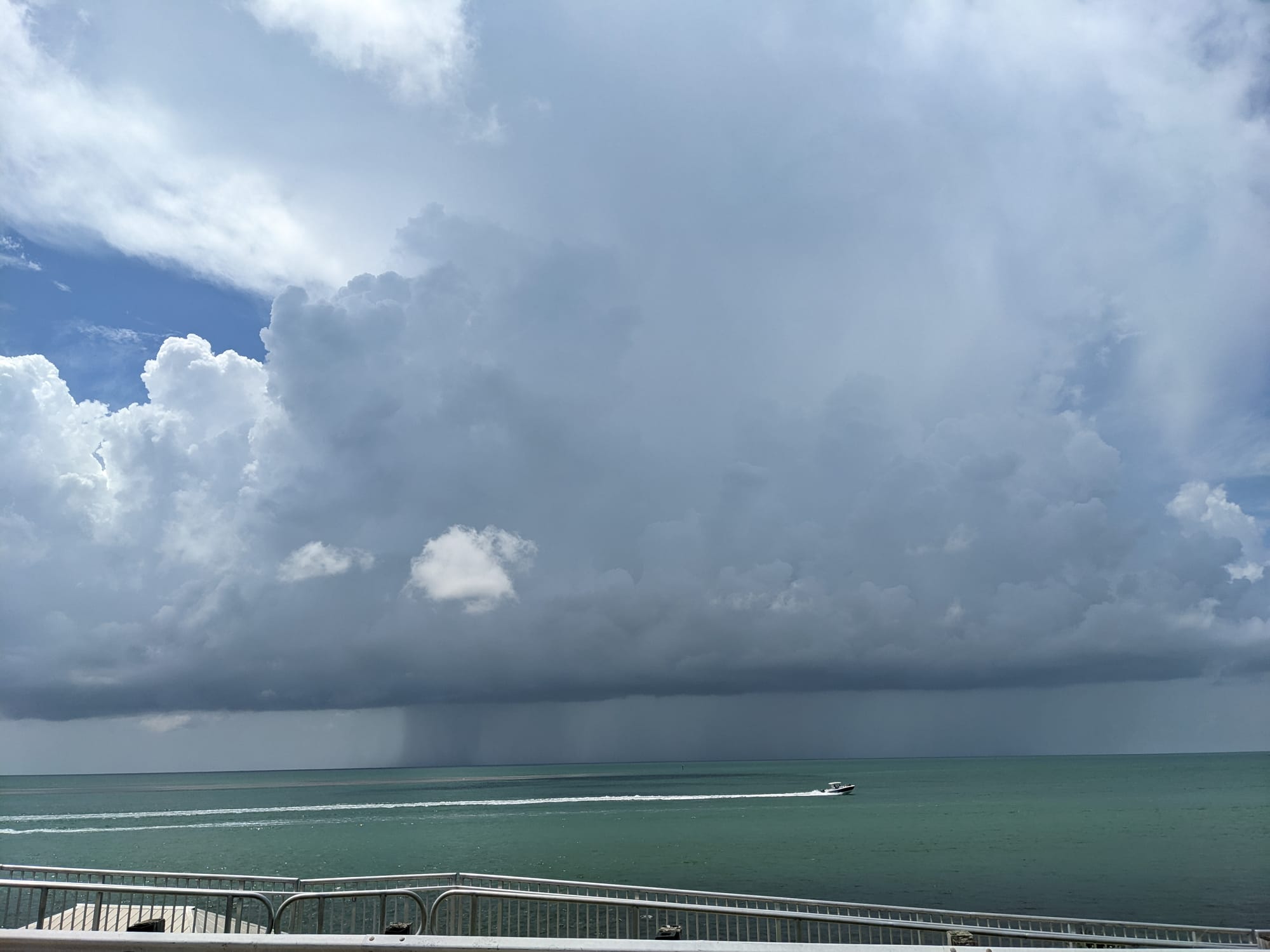
Once underway, boaters must continue evaluating conditions rather than relying exclusively on the original forecast that was in place before they left private boat slips for rent near me or marinas. Darkening skies, increasing wind, building seas, reduced visibility and changing wave patterns can signal an approaching weather system.
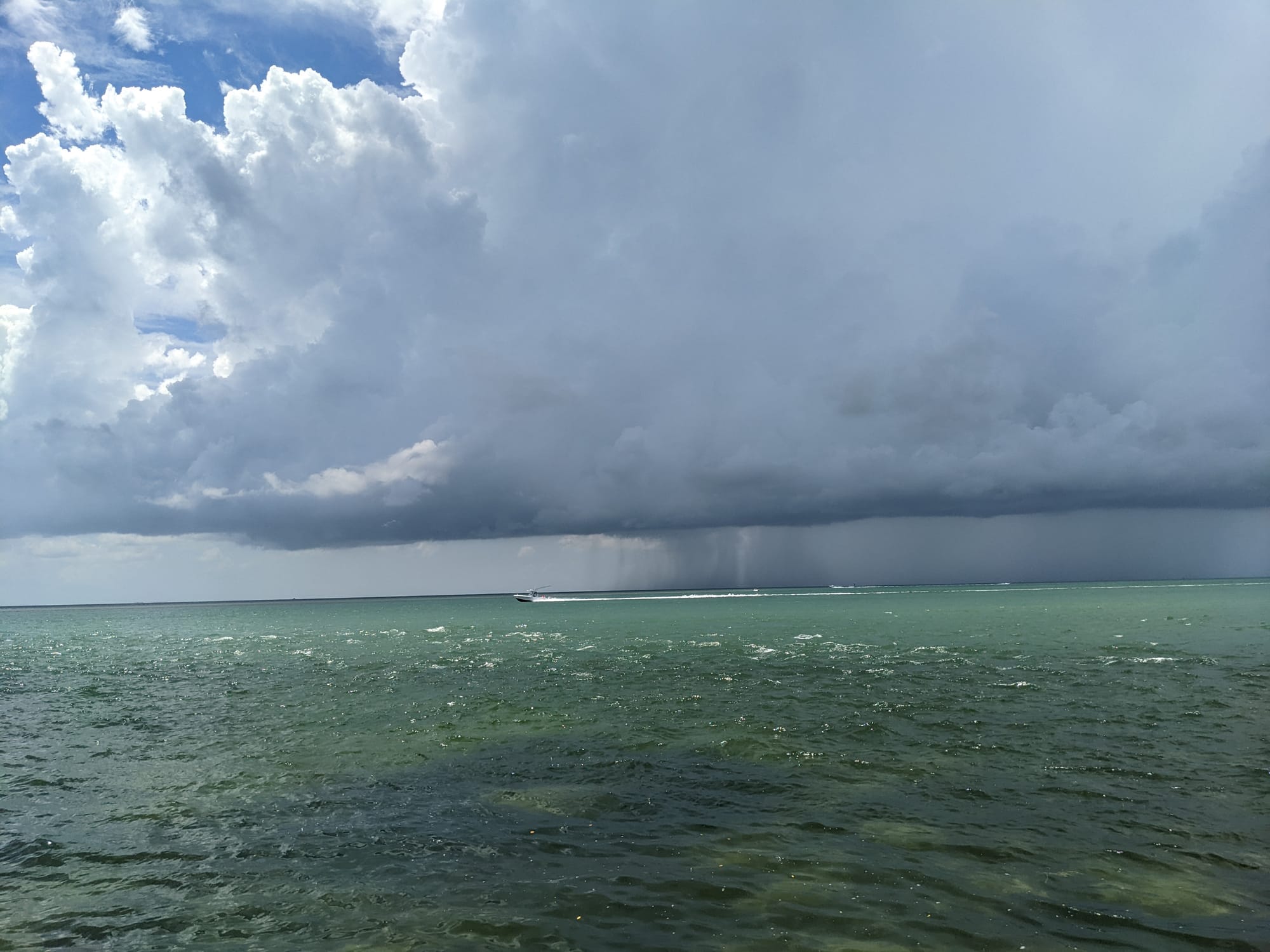
Watch for whitecaps becoming more widespread, waves steepening and spray increasing across the bow. Thunderstorms can bring sudden wind shifts, lightning, heavy precipitation and rapidly changing sea conditions. Fog and rain can also reduce visibility and make it more difficult to identify navigation markers, other vessels and hazards.
Monitor updated marine forecasts and weather alerts using available onboard equipment. A VHF radio with access to NOAA Weather Radio broadcasts, where available, provides an additional source of information. Maintain awareness of changing conditions even when electronic weather information is unavailable.
Know When to Turn Back
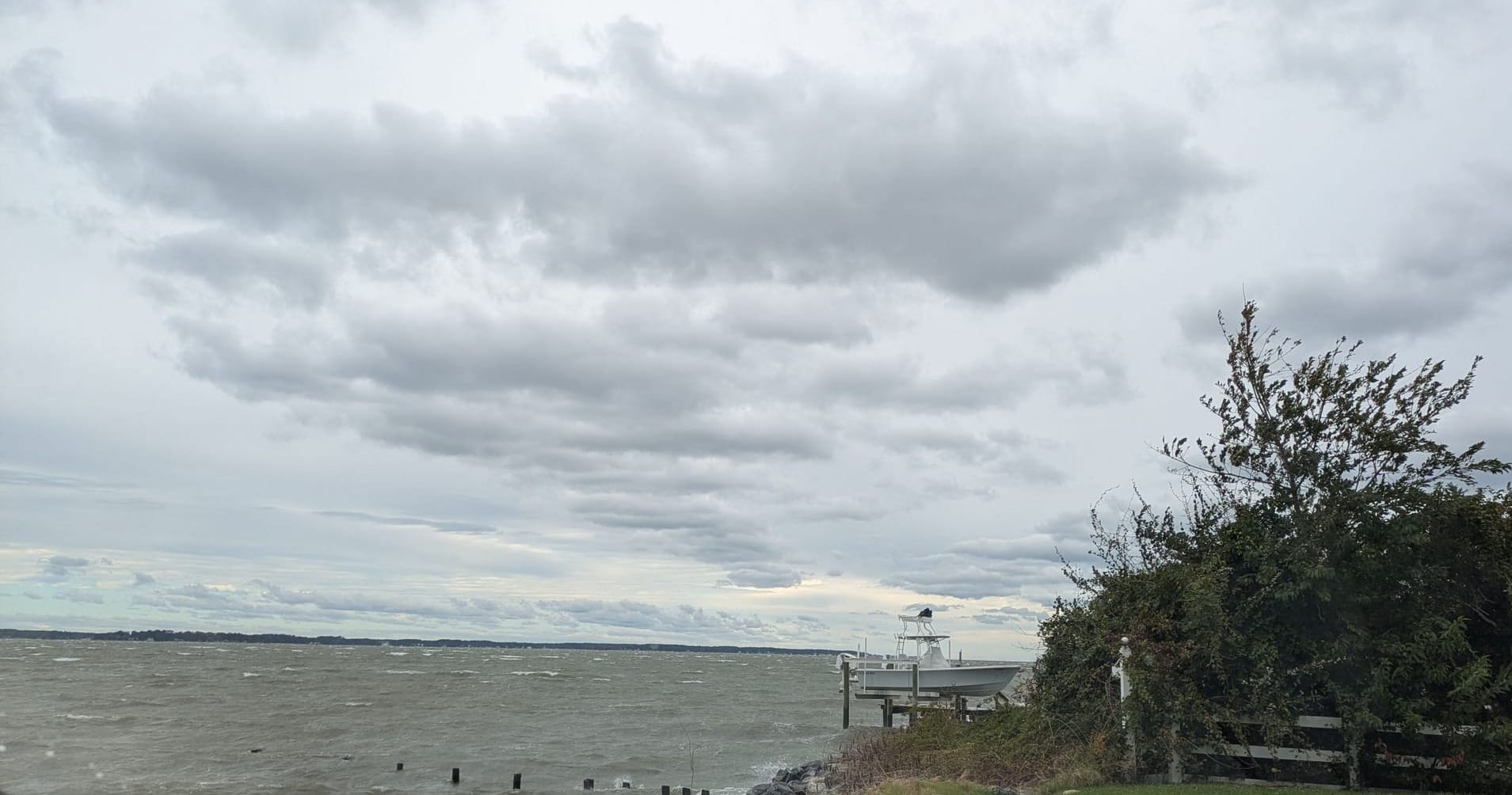
One of the most important offshore boating skills is recognizing when continuing is no longer a reasonable option. If conditions begin approaching the vessel's operating limitations, the crew becomes uncomfortable or fatigued, or the forecast indicates worsening weather, consider changing course or returning to port.
However, turning back is not automatically the safest response. Wind and waves may make the return route more hazardous than continuing toward a closer safe harbor. Evaluate available shelter, navigation hazards, sea conditions and the vessel's ability to handle the route before choosing a course of action.
If conditions become dangerous, reduce speed as appropriate, secure loose equipment, ensure everyone is wearing a properly fitted life jacket and maintain communication with other vessels or shore-based contacts when possible. If an emergency develops, use the VHF radio to request assistance, including a Mayday call when life or the vessel is in grave and imminent danger.
Make the Decision Before it Becomes an Emergency
A sound go/no-go decision is based on preparation, realistic expectations and a willingness to change plans. Establish personal operating limits before departure, identify alternate harbors and agree on conditions that will trigger a return or diversion. Offshore boating involves unpredictable variables, but careful planning and continuous observation help reduce unnecessary risks. Ultimately, postponing a trip or returning early is not a failure. It’s a demonstration of sound seamanship.