Adventures in Boating: The UK's Severn River

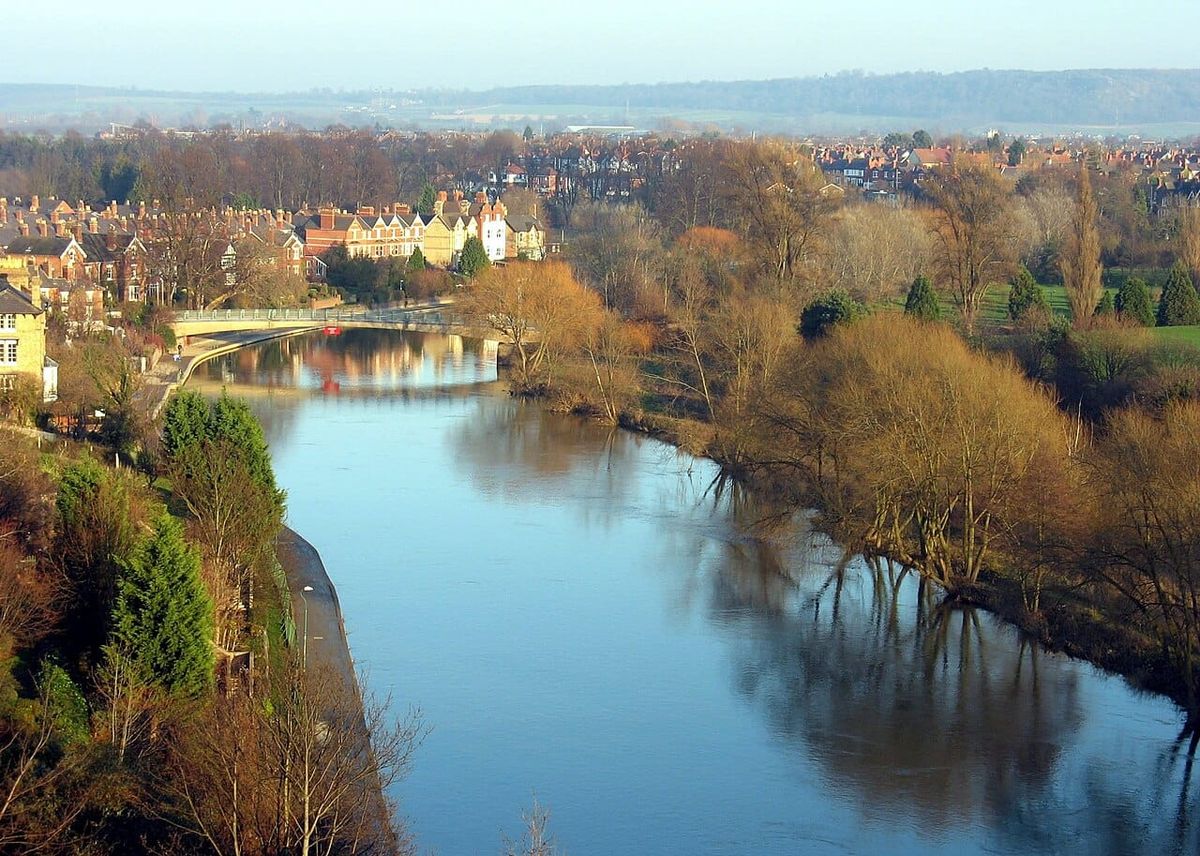
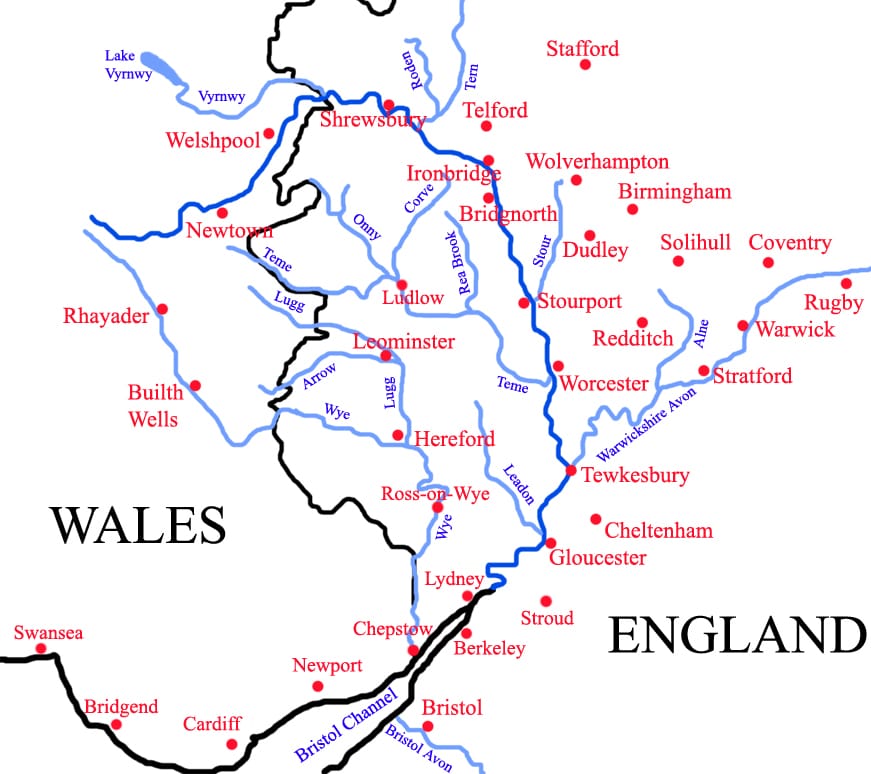
At about 220 miles in length, originating in the Cambrian Mountains in Wales and flowing into England, the River Severn is Britain’s longest river and one of its most varied boating waterways. From the historic river towns of Worcestershire and Gloucestershire to the tidal waters around Gloucester and Sharpness, it offers a mixture of peaceful cruising, historic industrial scenery, challenging navigation and connections to some of England’s most interesting inland waterways.
For leisure boaters, however, the Severn is not simply a larger canal. River conditions, water levels, commercial traffic and, on the lower river, tides all have to be taken seriously before boaters leave a marina or a private boat slip near me for rent.
Where Can You Boat on the Severn?
The principal navigable section managed by the Canal & River Trust extends for about 42.6 miles from the Stourport area to Gloucester. It connects with several other waterways, including the Staffordshire & Worcestershire Canal at Stourport, the Droitwich Canal near Hawford, the Warwickshire Avon at Tewkesbury and the Worcester & Birmingham Canal at Worcester.
Important boating centers include:
- Stourport-on-Severn, England – a major inland-waterway junction and gateway to the upper navigable Severn
- Worcester, England – an attractive historic city with riverfront scenery and connections to the Worcester & Birmingham Canal
- Upton upon Severn, England – a traditional riverside town and popular stopping point
- Tewkesbury, England – situated at the confluence of the Severn and Warwickshire Avon
- Gloucester, England – home to the historic docks and the connection with the Gloucester & Sharpness Canal
- Sharpness, England – the southern end of the Gloucester & Sharpness Canal and gateway to the tidal Severn
The character of the river changes considerably along this route. The Canal and River Trust describes the Stourport–Gloucester section as suitable for pleasure boating, with narrowboats, motor cruisers and other inland-waterway craft sharing the navigation.
Locks and Navigation
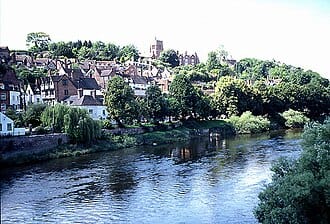
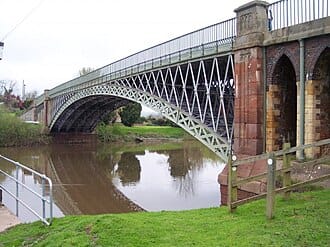
Unlike many canals, the Severn is a natural river, so its water levels and currents can vary substantially. There are several locks on the navigable section, including locks at Lincomb, Holt, Bevere, Diglis and Upper Lode. One of the most important things for newcomers to understand is that the Severn behaves like a river. Historically, navigation was affected by both excessive flows and low water. Modern boaters need to pay attention to river conditions rather than assuming that the waterway will always be suitable for navigation.
The Canal and River Trust publishes navigation notices and route information that should be checked before a trip. This makes passage planning particularly important. A sensible trip should allow enough time for changing conditions, lock delays and unexpected restrictions.
Gloucester and the Gloucester & Sharpness Canal
Gloucester is one of the most interesting places to begin or end a Severn cruise from a marina or a private boat dock rental. From the historic docks, boats can access the Gloucester & Sharpness Canal, which provides a much more controlled alternative to navigating the difficult tidal river between Gloucester and Sharpness.
The canal is about 16 miles long and has historically been an important ship canal. It opened in 1827, specifically helping vessels avoid the hazardous tidal section of the Severn below Gloucester. For modern leisure boaters, this distinction is crucial: the river between Gloucester and Sharpness should not be treated as an ordinary inland-waterway route. This section is dangerous for boats and is bypassed by the Gloucester & Sharpness Canal.
Sharpness and the tidal Severn
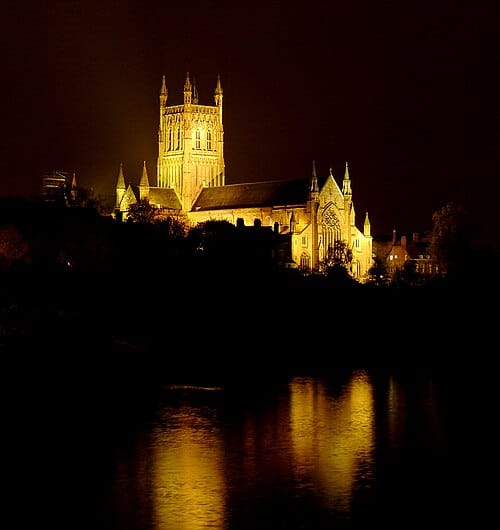
Beyond Sharpness, boating becomes a very different proposition. The lower Severn is tidal and is used by commercial shipping. The Gloucester Harbour Trustees' guidance warns that tidal flows around Sharpness can be extremely strong. Small-craft skippers need to account for the movement of larger commercial vessels and the restricted nature of the navigation channel.
This part of the river is therefore much more appropriate for appropriately equipped vessels and experienced crews than for an ordinary canal holiday. The Canal & River Trust advises that inland craft should not venture below Sharpness unless they are properly equipped for a short sea voyage and operated by experienced crews, or are assisted by a licensed River Severn pilot.
What sort of boat is suitable?
For the non-tidal navigation, typical recreational craft include:
- Narrowboats
- Wide-beam inland cruisers
- Motor cruisers
- Other appropriately licensed inland-waterway boats
Canoes, rowing boats and similar small craft are also found on parts of the Severn, particularly farther upstream, but the suitability of a particular section depends heavily on water conditions, traffic and local restrictions.
A boat intended for the tidal Severn requires a considerably different level of preparation. Navigation charts, suitable safety equipment, communications, weather and tide information and appropriate experience become much more important.
What makes a Severn cruise attractive?
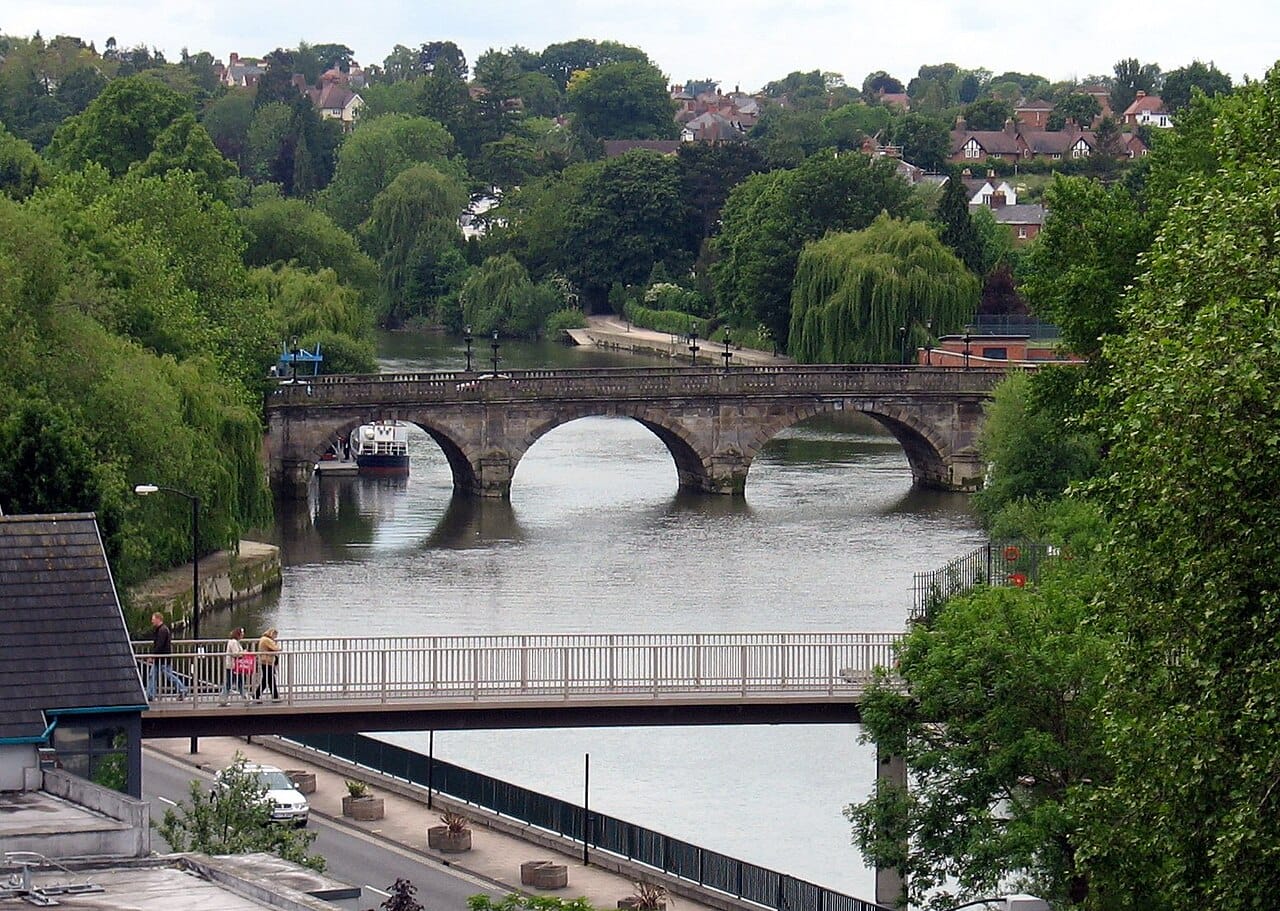
The Severn's greatest attraction is its combination of scenery and history. A cruise can take you through rural Worcestershire, past historic towns and riverside villages, and eventually into the industrial landscape around Gloucester and Sharpness.
The river also has an unusually rich commercial history. For centuries, it carried goods such as coal, iron, salt, timber and grain. Severn trows (traditional vessels associated with the river) could operate as both river and sea-going craft. Commercial traffic declined substantially during the twentieth century, leaving today's leisure boats to share a waterway shaped by this long industrial heritage.
Practical advice for first-time boaters
If you are planning your first Severn trip, a few principles are particularly useful:
- Check navigation notices immediately before departure. River restrictions can change.
- Understand the section you are travelling. The non-tidal navigation above Gloucester is very different from the tidal Severn below Sharpness.
- Allow extra time. Locks, river conditions and operational arrangements can affect your schedule.
- Check your boat's dimensions and draught. Published maximum dimensions vary between sections.
- Respect commercial traffic. Particularly around Sharpness, leisure craft must not impede larger vessels.
- Take river conditions seriously. High or low water can affect whether a passage is appropriate.
- Before leaving a private boat lift for rent or a marina, use official navigation information rather than relying solely on old cruising guides. The Canal & River Trust's current notices and boating guidance are particularly important.
- Don't treat the tidal Severn as an inland canal. It demands appropriate equipment, planning and experience.
The Canal & River Trust also notes that some Severn locks operate under booking arrangements during certain periods, so boaters should check current operating information before travelling.
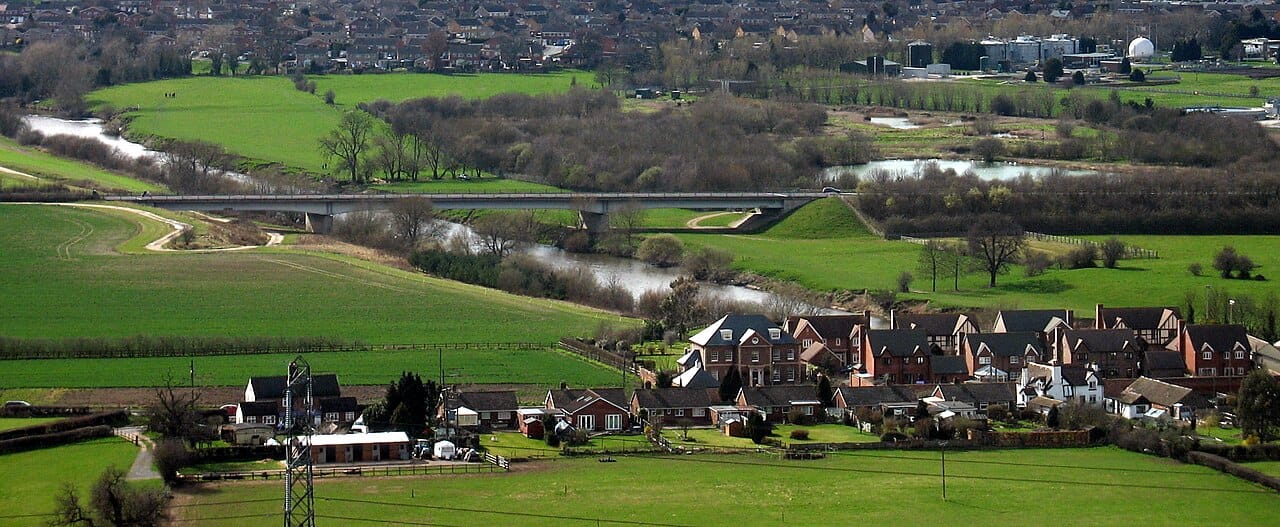
A waterway Worth Exploring
For an inland boating holiday, the Severn offers something rather different from Britain's canal network. It combines the relaxed pace of river cruising with the scale and character of a major natural river, while providing access to historic towns and a network of connecting canals.
The key is to choose the right stretch. Stourport to Gloucester is an excellent inland-waterway cruising environment for appropriately equipped boats, while the waters around Sharpness and the lower tidal Severn require a much higher level of preparation and seamanship.
For anyone interested in Britain's maritime and industrial history, as well as boating itself, the Severn is consequently one of the country's most rewarding waterways, but it’s also one that deserves respect.