Adventures in Boating: The Yukon River

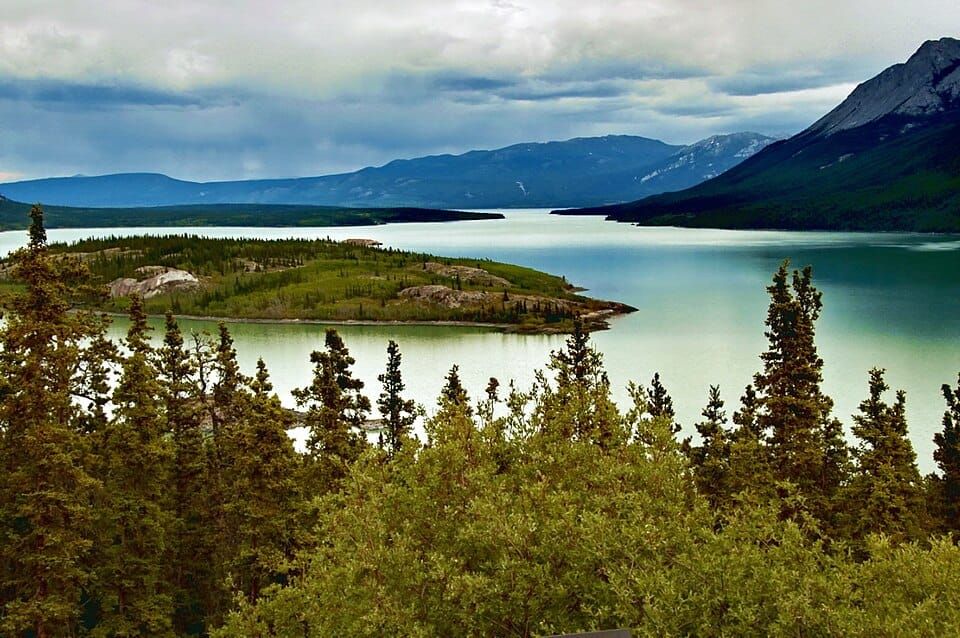
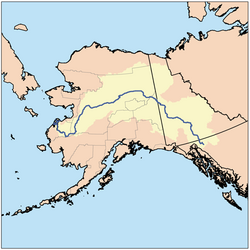
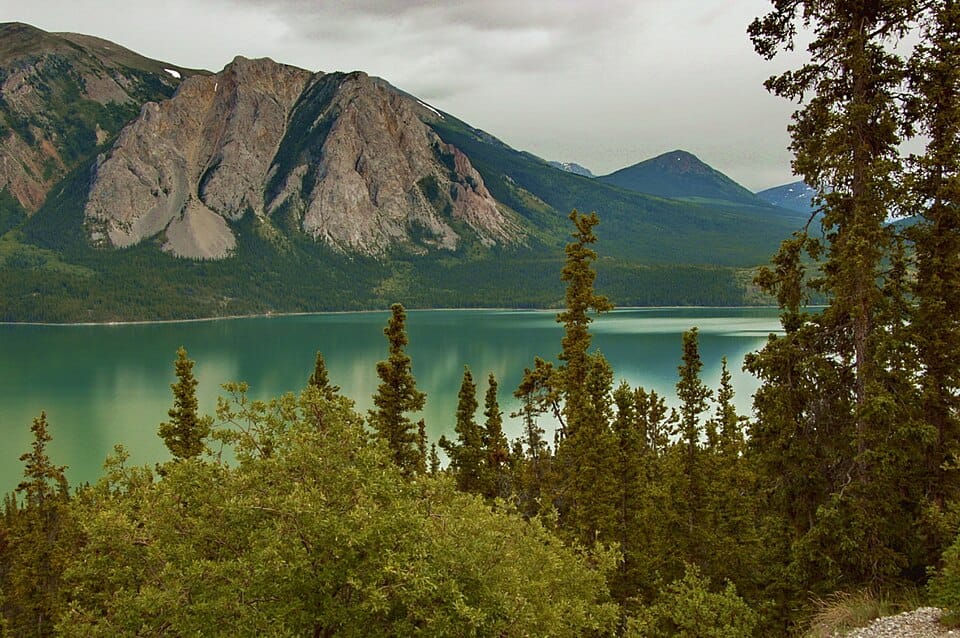
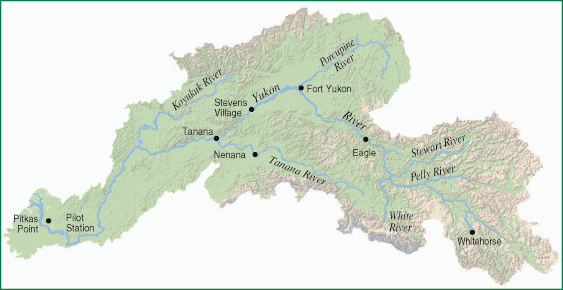
The Yukon River is one of the longest rivers in North America, stretching approximately 1,980 miles from British Columbia, through Canada's Yukon Territory and across Alaska before emptying into the Bering Sea. For boaters, the river offers an unforgettable journey through vast wilderness, rich Indigenous cultures, historic Gold Rush communities and abundant wildlife. However, boating on the Yukon also requires careful planning, respect for changing conditions and a high degree of self-sufficiency.
A River of History
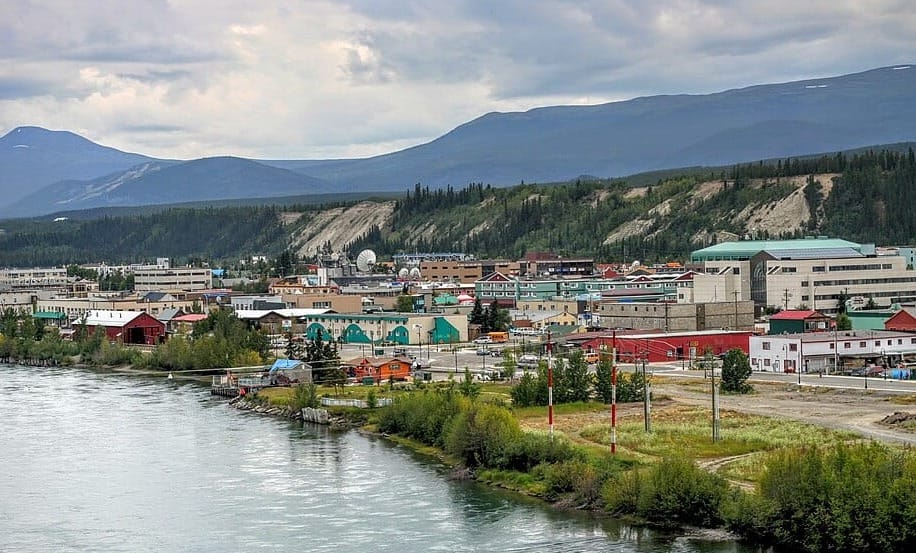
For thousands of years, the Yukon River has served as a vital transportation route for Indigenous peoples, including the Gwich'in, Hän, Koyukon and Yup'ik communities. During the Klondike Gold Rush of 1896–1899, thousands of prospectors built boats to travel downstream from Whitehorse toward Dawson City and beyond, transforming the river into one of the busiest waterways in the North. Today, while commercial traffic is limited compared to its historic peak, the Yukon remains an important route for local residents, subsistence activities and recreational boaters.
Types of Boating
The Yukon River accommodates a variety of watercraft, whether from a private boat dock for rent or a marina, including:
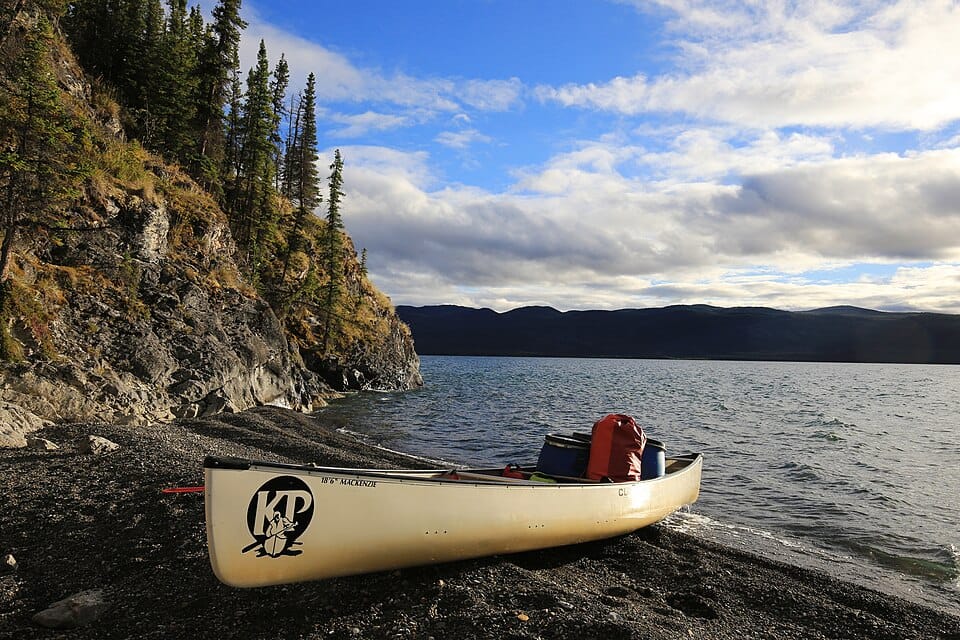
- Canoes and kayaks for multi-day wilderness expeditions
- Motorboats used by local residents for transportation, fishing, and hunting
- Inflatable rafts for adventure trips
- Small expedition vessels on selected stretches
Many paddlers begin their journey at Whitehorse, where the river is relatively accessible and current-assisted. Others launch further downstream depending on the length of trip they desire.
River Conditions
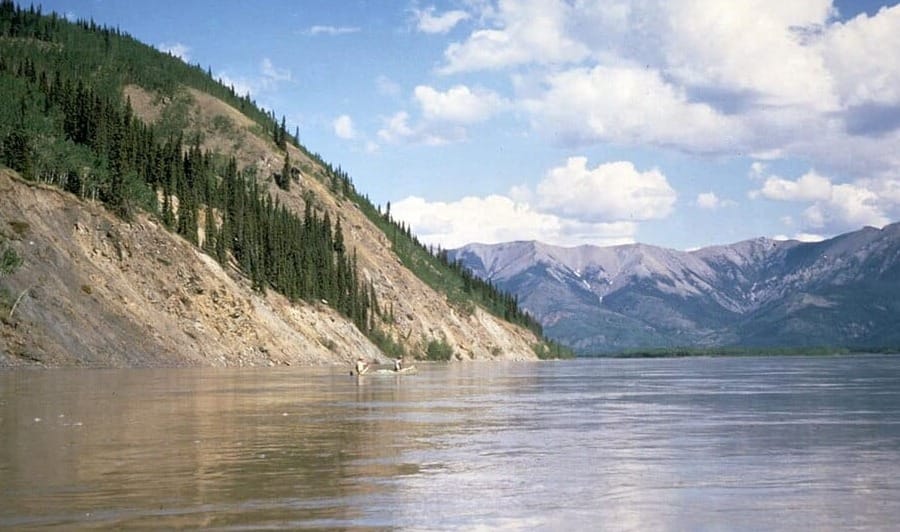
Although much of the Yukon River appears calm, conditions can change rapidly. Strong currents help propel boats downstream but require attention when approaching bends, islands or obstacles. Sandbars shift from year to year, creating shallow areas that may challenge larger motorboats.
Weather is another important factor. Winds can quickly produce rough water on wider sections of the river and on large lakes connected to the Yukon system, particularly Lake Laberge. Cold water temperatures remain a hazard throughout much of the boating season, increasing the risk of hypothermia if someone enters the water. Water levels fluctuate throughout the summer depending on snowmelt and rainfall, affecting navigation and campsite availability.
Wildlife Along the River
One of the greatest attractions of the Yukon River is its wildlife.
Boaters commonly encounter:
- Moose feeding in shallow water
- Bald eagles nesting along riverbanks
- Beavers constructing lodges
- Black and grizzly bears near shorelines
- Wolves and foxes in more remote regions
- Salmon during seasonal spawning runs
Observing wildlife from a respectful distance helps protect both animals and people. Proper food storage is especially important in bear country.
Navigation and Planning
Unlike heavily developed waterways, the Yukon River offers relatively few services over long distances. Fuel, food, repairs and emergency assistance may be separated by hundreds of miles. It’s essential to be fully prepared before leaving the marina or private boat slip rental.
Successful trips typically include:
- Detailed topographic or navigation maps
- GPS equipment backed up with paper charts
- Extra fuel for motorized boats
- Emergency communication devices such as satellite messengers or satellite phones
- Spare parts and repair kits
- Comprehensive first-aid supplies
- Sufficient food for unexpected delays
Because cellular coverage is limited across much of the river, boaters should not rely on mobile phones for emergency communication.
Safety Considerations
Preparation is essential for safe travel on the Yukon. Every passenger should wear a properly fitted personal flotation device (PFD). Cold-water immersion can quickly become life-threatening, even during summer months.
Boaters should also monitor weather forecasts, avoid overloading vessels and leave a detailed float plan with someone who is not participating in the trip. Remote travel means that rescue operations may take many hours (or even days) to reach stranded boaters. Mechanical reliability and conservative decision-making are critical.
Camping Along the Yukon
Many boaters camp on gravel bars, islands or designated recreation sites. Campsites often provide spectacular views of forests, mountains and wide river valleys. Visitors should practice Leave No Trace principles by packing out all garbage, minimizing campfire impacts where permitted, respecting wildlife and avoiding disturbance of archaeological and culturally significant sites.
Fishing Opportunities
The Yukon River supports several important fish species, including Chinook salmon, chum salmon, northern pike, Arctic grayling and burbot. Fishing regulations vary by location and season and may change to protect fish populations. Before fishing, visitors should obtain the appropriate licenses and carefully review current regulations for the area in which they plan to boat.
Boating on the Yukon River offers an experience unlike almost anywhere else in the world. Vast landscapes, remarkable wildlife and cultural history combine to create an unforgettable journey. Whether exploring a short stretch by canoe from a private boat lift for rent near me or traveling hundreds of miles by motorboat, visitors who prepare carefully and respect the river's power can enjoy one of North America's greatest waterways safely and responsibly.