Boat Stability Explained: Center of Gravity, Trim and Seaworthiness

A boat can look perfectly stable while sitting quietly at the marina or private boat dock for rent, yet behave very differently once it encounters waves, wind, passengers moving around the deck or a sudden change in speed. Understanding why requires a basic knowledge of boat stability, which is one of the most important concepts in safe and enjoyable boating.
Stability isn't simply about whether a boat tips over. It involves how a vessel responds when it is pushed, tilted, loaded or disturbed by wind and waves, and whether it naturally returns toward an upright position. Three concepts are particularly important: center of gravity, trim and seaworthiness. Together, they help explain why some boats feel solid and predictable while others can become unstable surprisingly quickly.
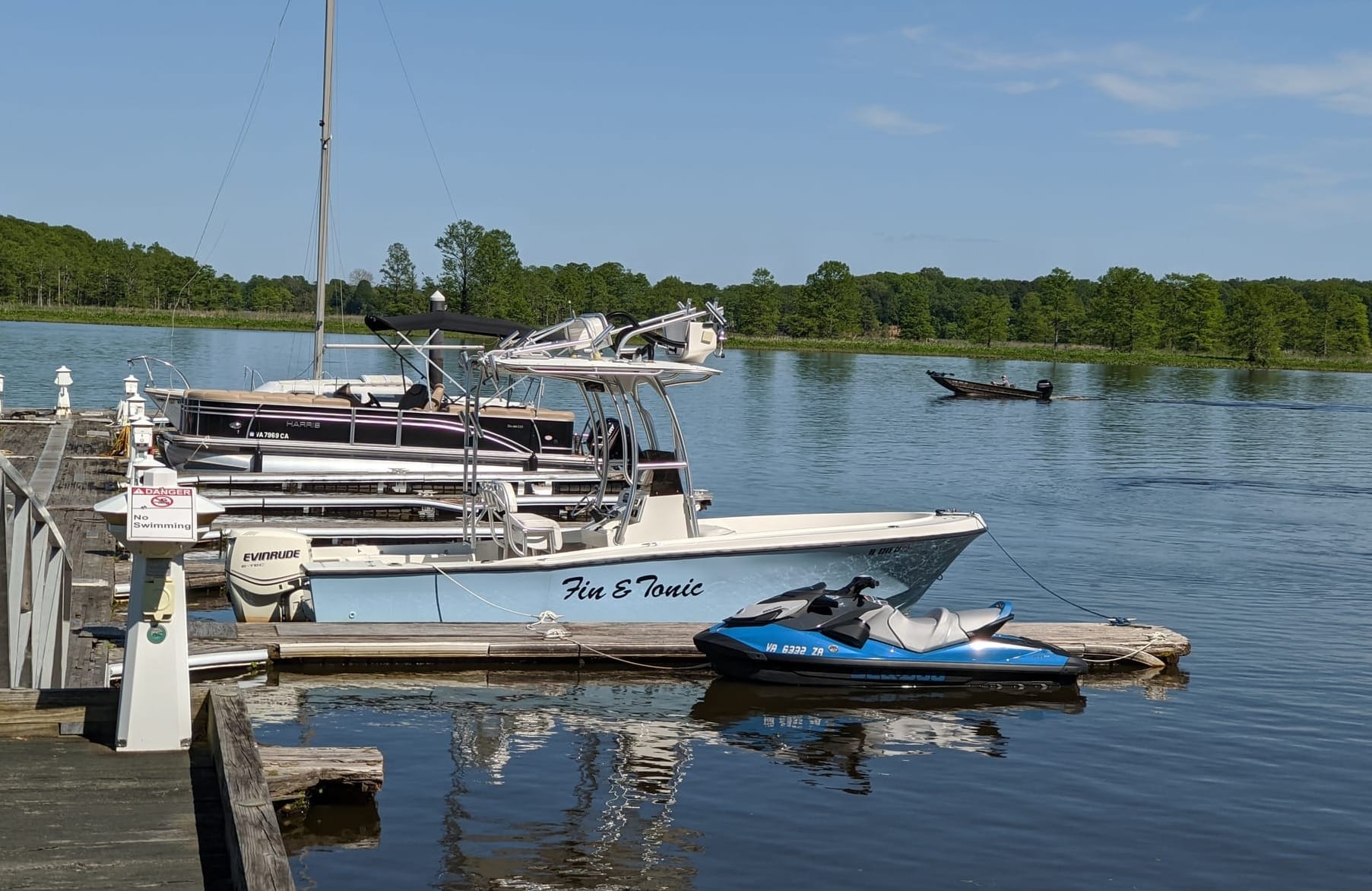
What Is Boat Stability?
Boat stability is a vessel's ability to resist capsizing and return toward an upright position after being tilted by an outside force.
Those forces can come from many sources:
- Waves and wakes
- Wind acting on the hull, cabin or sails
- Passengers moving from one side of the boat to the other
- Fishing gear or other equipment
- Improperly secured or unevenly distributed cargo
- Turning at speed
- Following seas or breaking waves
A boat's hull shape, dimensions, weight distribution and loading all influence its stability. One important distinction is between initial stability and overall or reserve stability. Initial stability describes how resistant a boat is to small angles of heel. A boat with high initial stability may feel very firm when you first step aboard. Reserve stability refers more broadly to the vessel's ability to resist increasingly large angles of heel before reaching a dangerous or unrecoverable condition.
A boat that feels exceptionally stable at rest, such as at the dock or private boat lift rental, isn't necessarily the safest boat in every sea condition. Different hull designs have different stability characteristics.
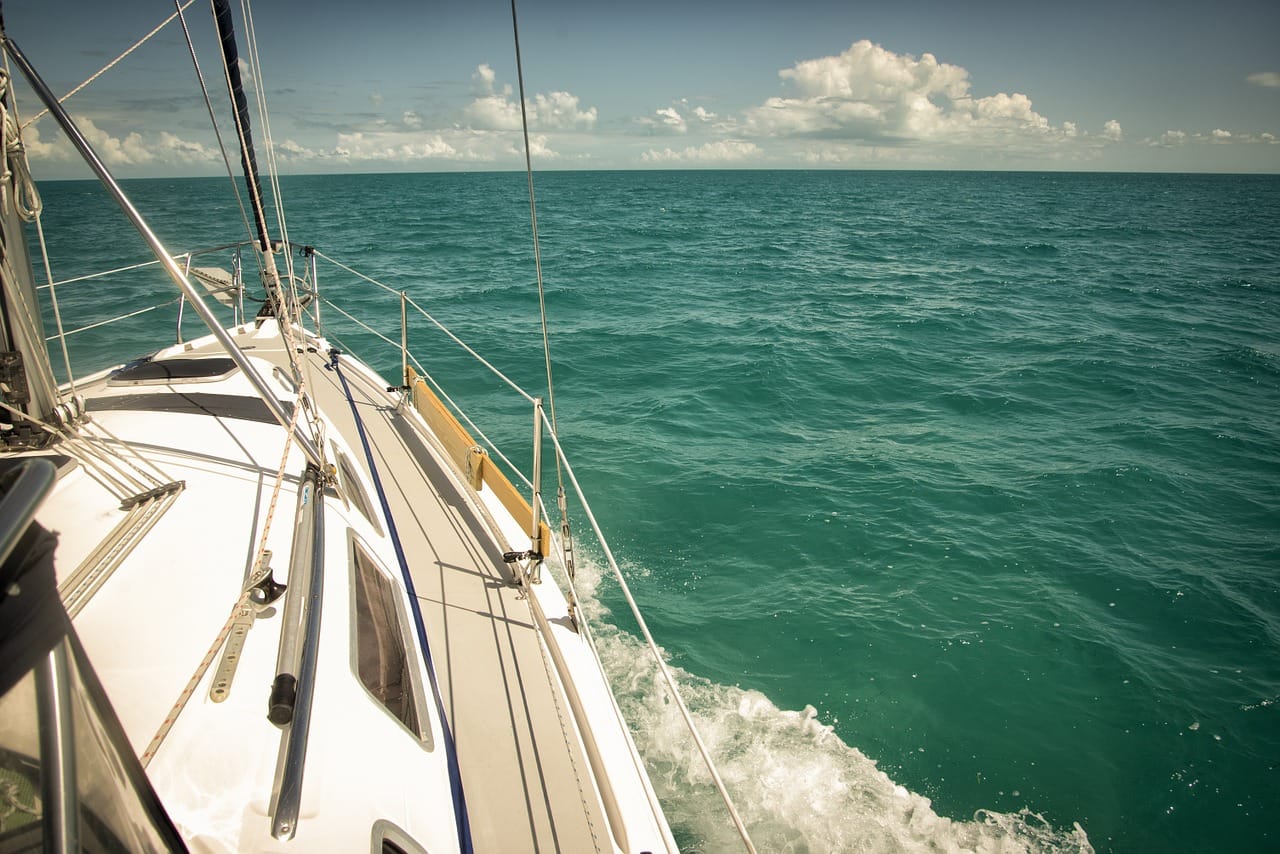
The Center of Gravity: Where the Weight Acts
The center of gravity (CG) is the point through which the boat's total weight effectively acts downward. Imagine balancing the entire boat (including its hull, engine, fuel, batteries, passengers, equipment and cargo) on a single point. That theoretical point is the center of gravity. Its position matters enormously.
- If heavy equipment is installed low in the hull, the center of gravity generally moves downward. This can improve a vessel's resistance to heeling.
- If weight is placed high (for example, additional equipment on a roof or flybridge), the center of gravity rises. A higher center of gravity can reduce stability and make the vessel more sensitive to wind, waves and passenger movement.
The same principle applies to loading. Suppose several passengers move from the center of a boat toward one gunwale. Their combined weight shifts the vessel's center of gravity toward that side. The boat heels as a result. If the passengers then move back toward the center, the weight distribution changes again. This is why distributing people and equipment evenly is much more than a matter of comfort.
The Center of Buoyancy: Stability's Other Half
The center of gravity is only part of the story. A floating boat is supported by buoyancy, the upward force produced by the water displaced by the hull. The effective point through which this buoyant force acts is called the center of buoyancy (CB).
When a boat is upright, the center of gravity and center of buoyancy are aligned vertically. When the boat heels, the shape of the submerged portion of the hull changes. As a result, the center of buoyancy moves.
This movement creates a relationship between the boat's weight and buoyancy that determines whether the vessel tends to return upright or continue to heel. For relatively small angles of heel, naval architects often describe this behavior using the metacentric height, commonly abbreviated as GM.
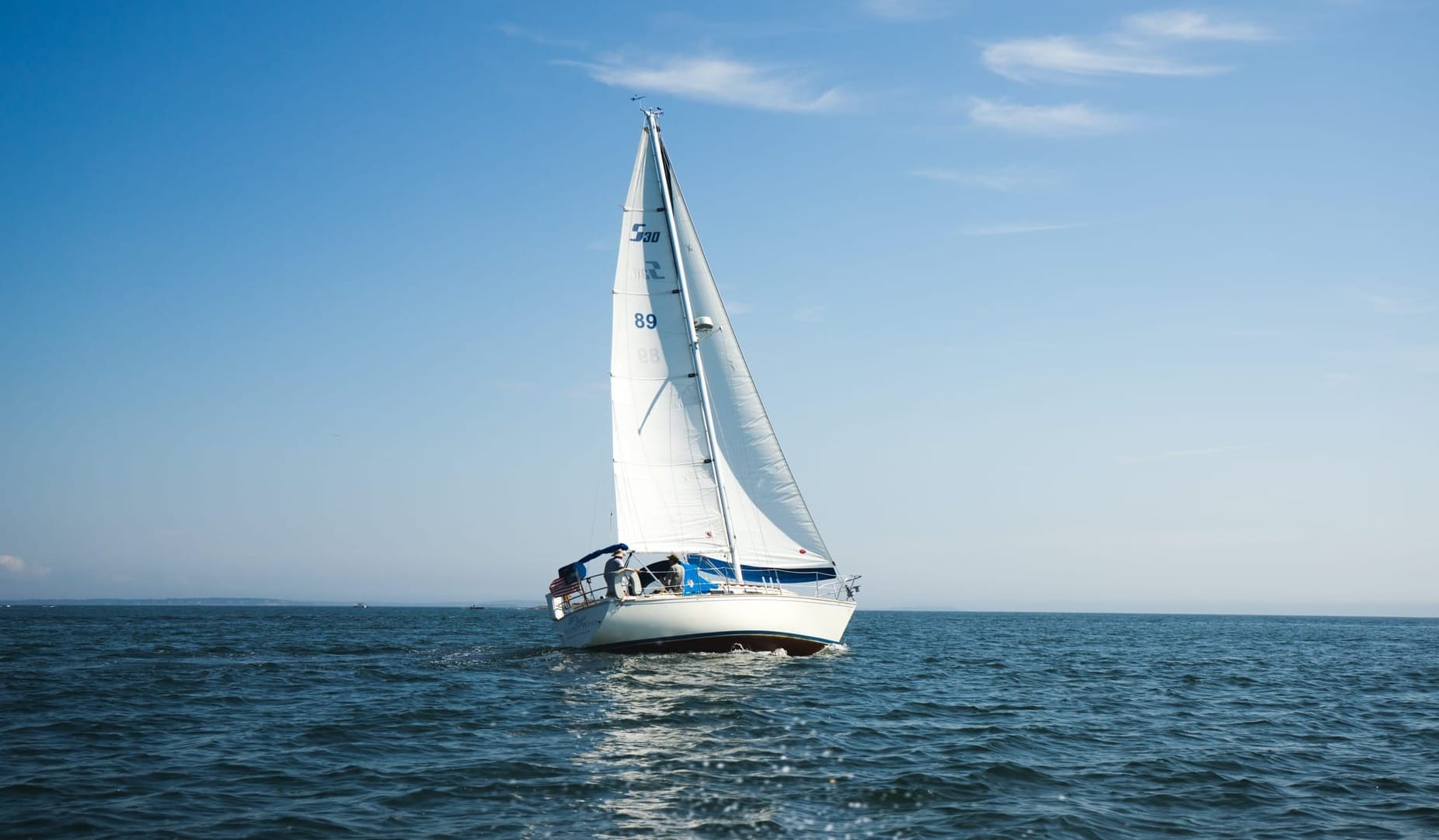
Trim: Why the Boat's Attitude Matters
Trim describes the boat's longitudinal attitude (whether the bow and stern sit at their intended levels relative to the water). A boat that sits noticeably bow-high or bow-low may be improperly trimmed or loaded. Weight distribution is one of the main factors affecting trim. Fuel, water, batteries, engines, fishing equipment, coolers and passengers can all influence how the boat sits in the water.
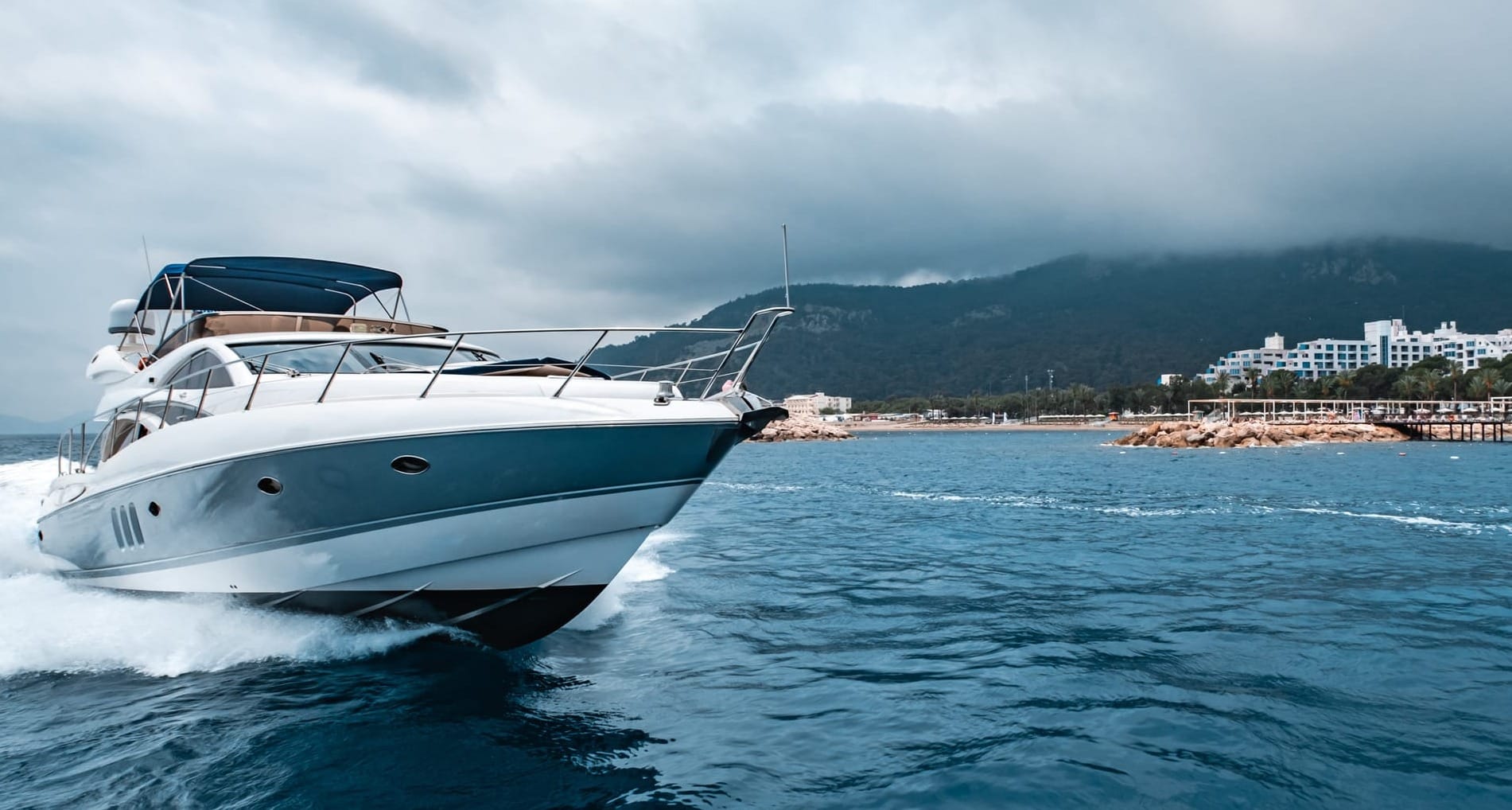
On a powerboat, trim can also change dynamically as speed changes. Accelerating may cause the bow to rise temporarily, while adjusting an outboard or sterndrive's trim angle can alter the boat's running attitude. A properly trimmed boat generally operates more efficiently and predictably. Excessive bow rise can restrict visibility and affect handling, while excessive bow-down attitude can increase drag and make the boat behave poorly in waves.
Trim and stability are related, but they are not identical concepts. A boat can have an acceptable side-to-side stability characteristic while still being improperly trimmed fore and aft.
Why Weight Distribution Matters
One of the simplest ways to influence stability is by managing weight carefully. Heavy items should generally be secured and positioned according to the manufacturer's guidance. Concentrating too much weight on one side can create an unwanted list, while placing excessive weight high above the waterline can raise the center of gravity.
Passenger movement can also have a substantial effect on smaller boats. A person may not seem heavy compared with an entire vessel, but in a small boat their weight represents a significant percentage of the total load. If several people suddenly stand on one side, the resulting shift in the center of gravity can produce a noticeable heel. For this reason, passengers should remain seated or positioned as instructed, particularly in small boats, during acceleration, turns and rough conditions.
Seaworthiness: More Than Just Stability
A seaworthy boat is not simply one that resists capsizing. Seaworthiness is a broader concept describing a vessel's ability to safely perform its intended function under the conditions for which it was designed.
It can involve:
- Stability
- Freeboard
- Hull strength
- Watertight integrity
- Drainage
- Propulsion and steering
- Weather protection
- Visibility
- Handling characteristics
- Emergency equipment
- The vessel's ability to cope with waves and wind
A small recreational boat designed for sheltered inland waters should not automatically be considered suitable for offshore conditions simply because it feels stable on a calm lake. Likewise, a large offshore vessel can encounter conditions beyond its safe operating limits. Seaworthiness always has to be considered in relation to the vessel, its loading, its condition and the environment.

Hull Design Makes a Difference
Different hull shapes produce different stability and handling characteristics.
- A flat-bottomed hull, for example, can provide strong initial stability and a stable platform in calm water. But its behavior in waves may be quite different from that of a deeper, more rounded hull.
- A deep-V hull can provide a softer ride through waves and is common on offshore-oriented powerboats. However, its stability characteristics at rest and at low speeds differ from those of flatter hulls.
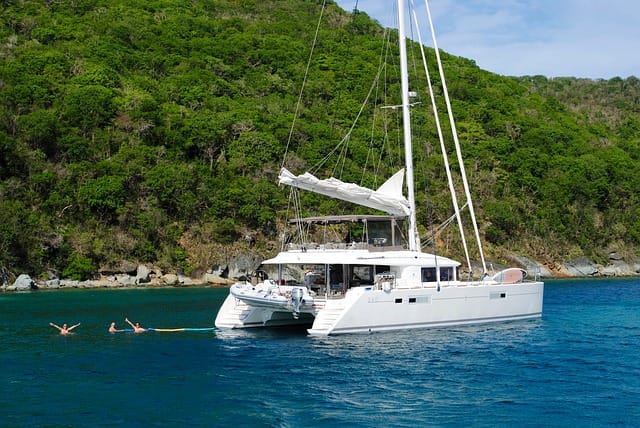
- Multihull boats, such as catamarans, can have very different stability behavior. Their wide beam can provide substantial initial stability, while their response to increasing heel depends on the particular design.
There’s no universally "most stable" hull. Good design is about matching the vessel's characteristics to its intended use.
Speed and Turning Can Change the Picture
A boat's stability isn't static while underway. Turning at speed can produce significant forces that cause the boat to heel. Rapid changes in direction can therefore be particularly important for smaller high-performance boats. Trim settings can also affect the boat's running attitude and handling.
Following seas deserve special attention. When waves approach from astern, a boat can experience yawing, surfing or broaching tendencies depending on hull design, speed, sea conditions and steering response. This is why a boat that handles beautifully on flat water may require much more careful operation in a rough or confused sea.
Good Loading Is a Safety Skill
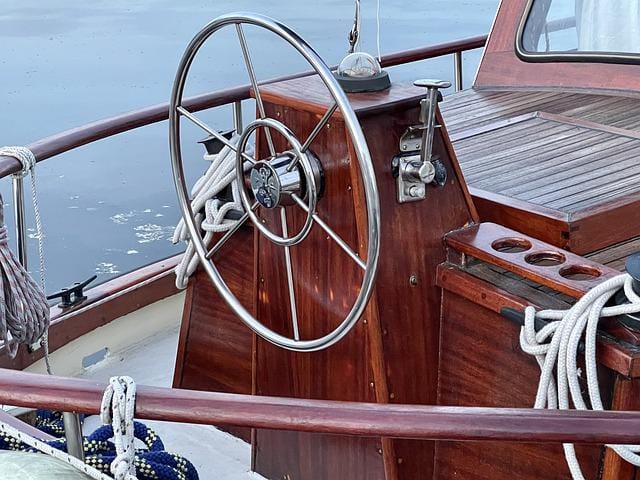
Before leaving the dock or private boat slip near me for rent, consider how the boat is loaded. Keep passengers and equipment within the manufacturer's limits, distribute weight appropriately, secure loose gear and avoid unnecessary weight high above the boat's center of gravity. Never assume that because a boat can physically carry a particular load, it will handle that load safely in every condition.
Pay close attention to the capacity plate, owner's manual and any applicable local requirements. Manufacturer guidance should always take precedence over generic rules of thumb.
Reading the Boat's Behavior
Experienced boaters learn to recognize changes in a vessel's behavior.
Warning signs can include:
- An unusual list to one side
- Excessive bow or stern immersion
- Reduced freeboard
- Sluggish response
- Water accumulating where it normally drains
- Unexpected changes in steering or handling
- Excessive rolling
- Unusual sensitivity to passenger movement
These aren't merely cosmetic concerns. They can indicate changes in loading, flooding, equipment distribution or operating conditions. If a boat begins behaving unexpectedly, slowing down and reassessing the situation is generally far wiser than trying to continue as though nothing has changed.