Choosing Marine Fabric for Seat Cushions, Covers and Curtains

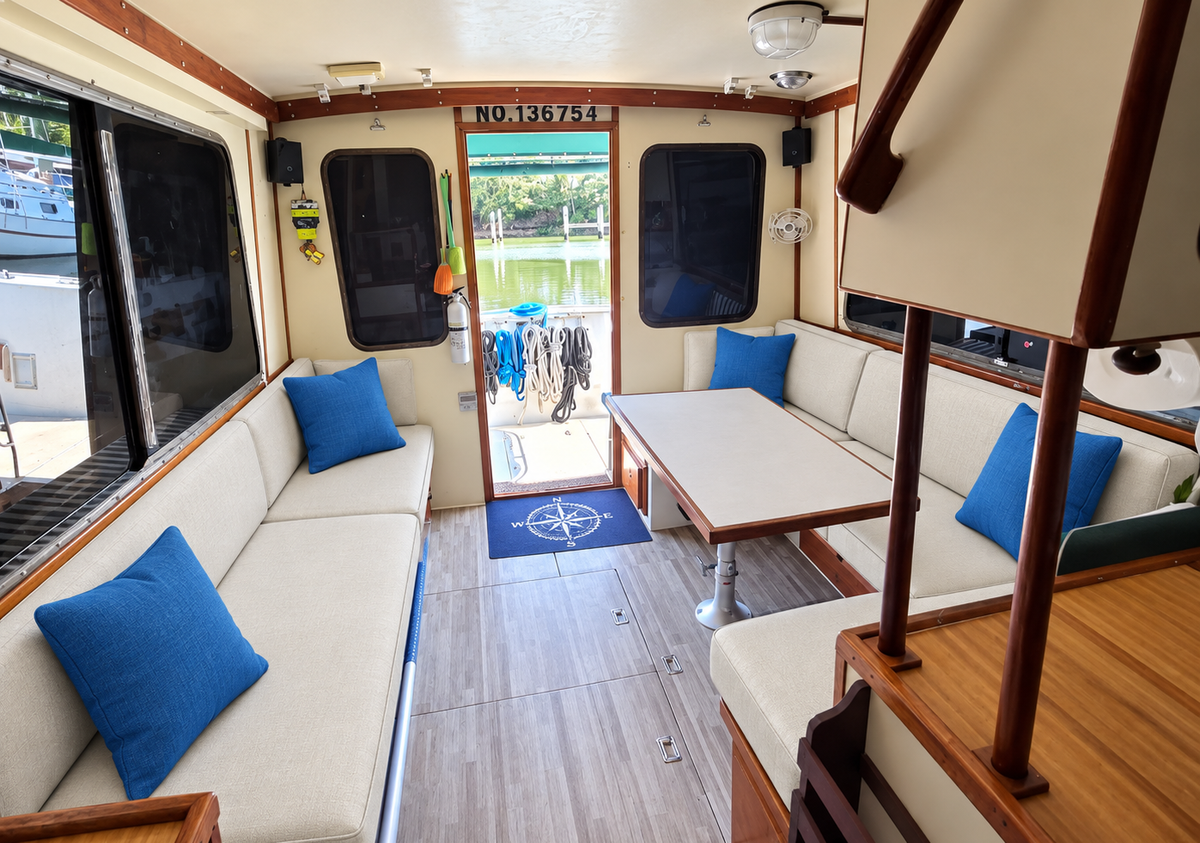
Marine fabrics play an important role in a boat’s comfort, appearance and durability. From salon seat cushions and cockpit upholstery to protective covers and interior curtains, the right material must withstand the marine environment while complementing the vessel’s design. Sunlight, moisture, salt spray, temperature changes and mildew can all affect fabric performance, making material selection an important consideration for boat owners.
Understanding the differences between marine fabrics, their intended applications and their maintenance requirements can help boaters choose materials that provide lasting performance without sacrificing style at the marina or private boat lift rental.
Differences Between Marine Fabrics
Not all fabrics marketed for outdoor use are suitable for every marine application. Marine-grade materials are designed to address specific challenges associated with boats, including prolonged ultraviolet (UV) exposure, moisture, abrasion and frequent cleaning.
Solution-Dyed Acrylic
Solution-dyed acrylic is a popular option for marine upholstery, canvas covers and outdoor curtains. During manufacturing, pigment is incorporated into the fiber rather than applied only to the surface. This process helps the material retain its color during prolonged sun exposure. Solution-dyed acrylic fabrics are generally breathable and resist fading, although their water resistance varies by product and finish.
Marine-Grade Vinyl
Marine-grade vinyl is another common choice, particularly for cockpit seating and other areas exposed to frequent splashes. It’s generally easy to wipe clean and is available in a wide range of colors and textures. However, vinyl can become hot in direct sunlight, and its performance depends on the quality of the material, its UV protection and the backing used.
Polyester
Polyester fabrics, including solution-dyed varieties, offer another option for upholstery, curtains and protective covers. Their durability, colorfastness, and water resistance depend on the specific construction and any protective coatings. Some polyester fabrics are designed primarily for upholstery, while others are better suited to exterior covers such as bimini tops.
Before purchasing fabric, check the manufacturer's specifications for its intended application. A material designed for patio cushions, for example, may not provide the durability or water resistance needed for a boat's exposed seating at private boat slips for rent near me and marinas.
Choose the Right Fabric for Seat Cushions
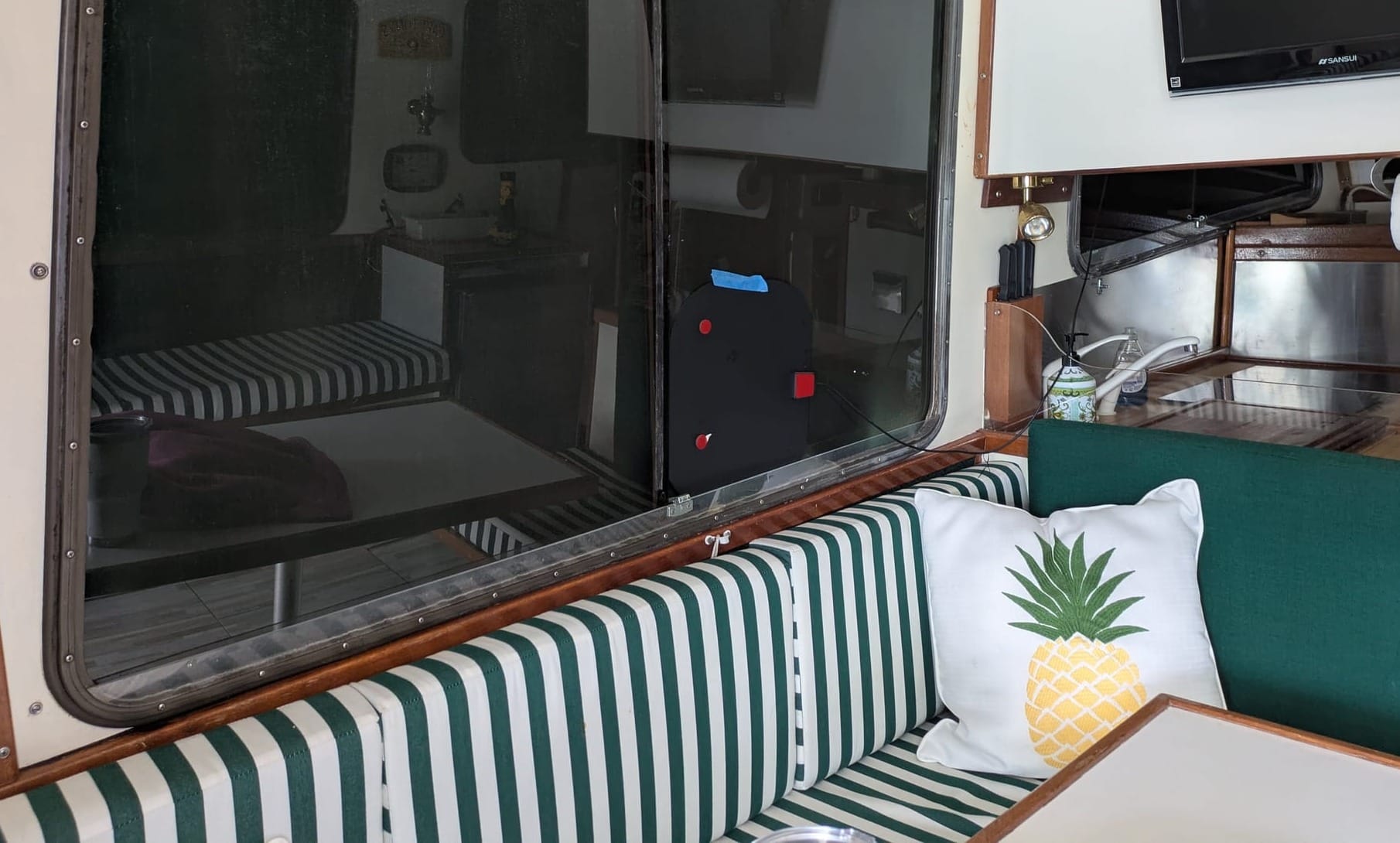
Seat cushions must balance comfort, durability and resistance to moisture. The best choice depends on whether the cushions are inside the cabin, in a covered cockpit, or fully exposed to the weather.
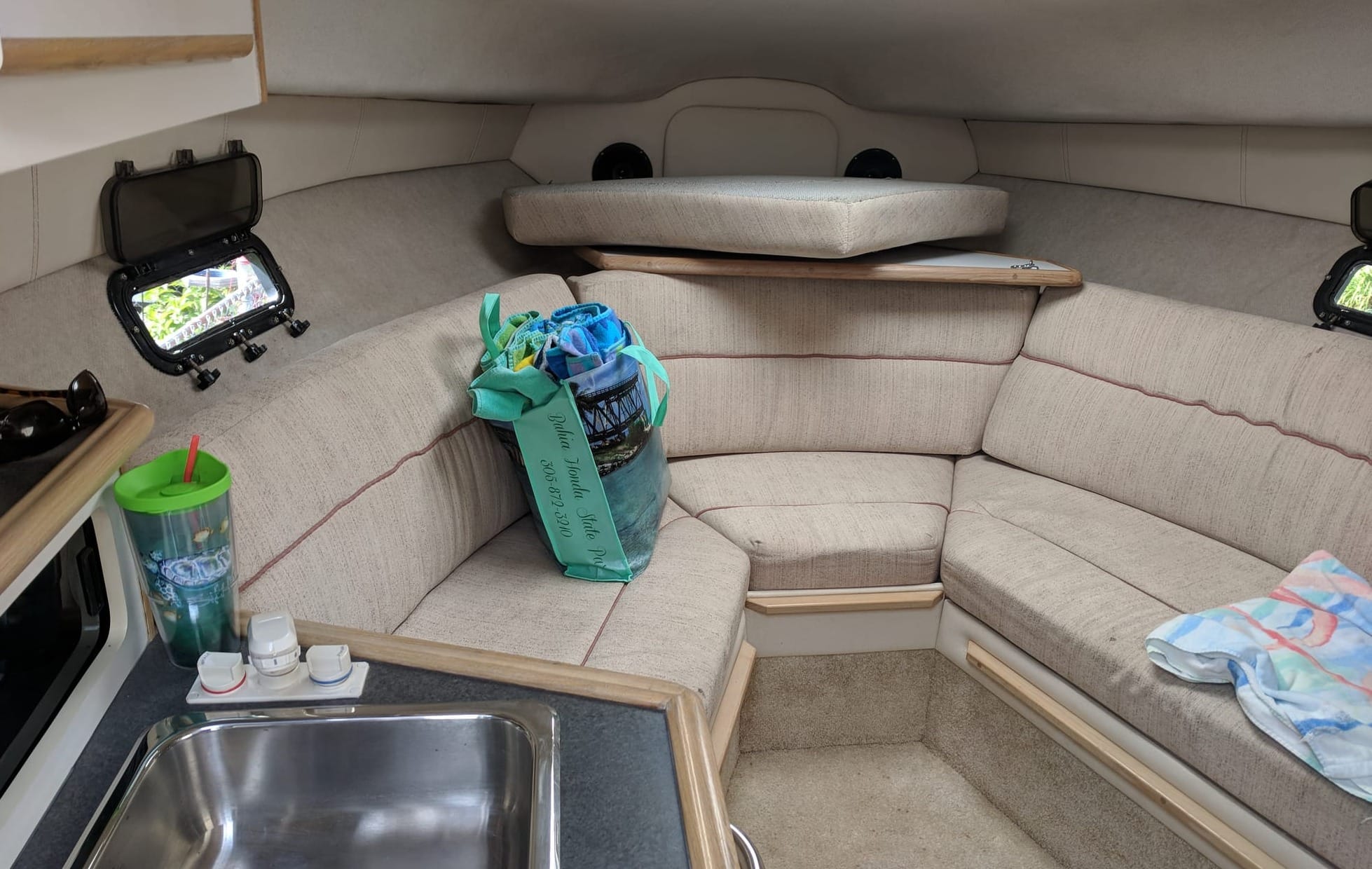
For salon seating, upholstery fabrics designed for marine interiors can provide a comfortable feel and a refined appearance. Woven solution-dyed acrylics and other marine-grade upholstery textiles are available in neutral colors, subtle patterns and textured finishes that complement wood cabinetry and other interior surfaces. Marine-grade vinyl is also an option for boaters who prefer a smooth, easy-to-clean finish.
Exterior cushions face more demanding conditions. UV-resistant fabrics help reduce fading, while materials designed for outdoor use can withstand repeated exposure to humidity and splashes. For areas that get wet regularly, consider how quickly the upholstery dries and whether the cushion construction allows moisture to escape.
The fabric is only one part of the equation. Cushion foam, backing materials, seams and construction also influence performance. Open-cell or specialized quick-drying foam can help water drain from exterior cushions, while appropriate moisture-resistant barriers may be useful in certain applications. However, impermeable barriers can also trap moisture if the cushion is not designed to drain and dry properly.
Color and texture matter as well. Lighter upholstery can help create an airy interior and may absorb less solar heat than darker colors, although it can show stains more readily. Textured fabrics can soften a cabin's appearance, while solid colors provide a versatile foundation for decorative pillows.
Select Protective Fabrics for Boat Covers
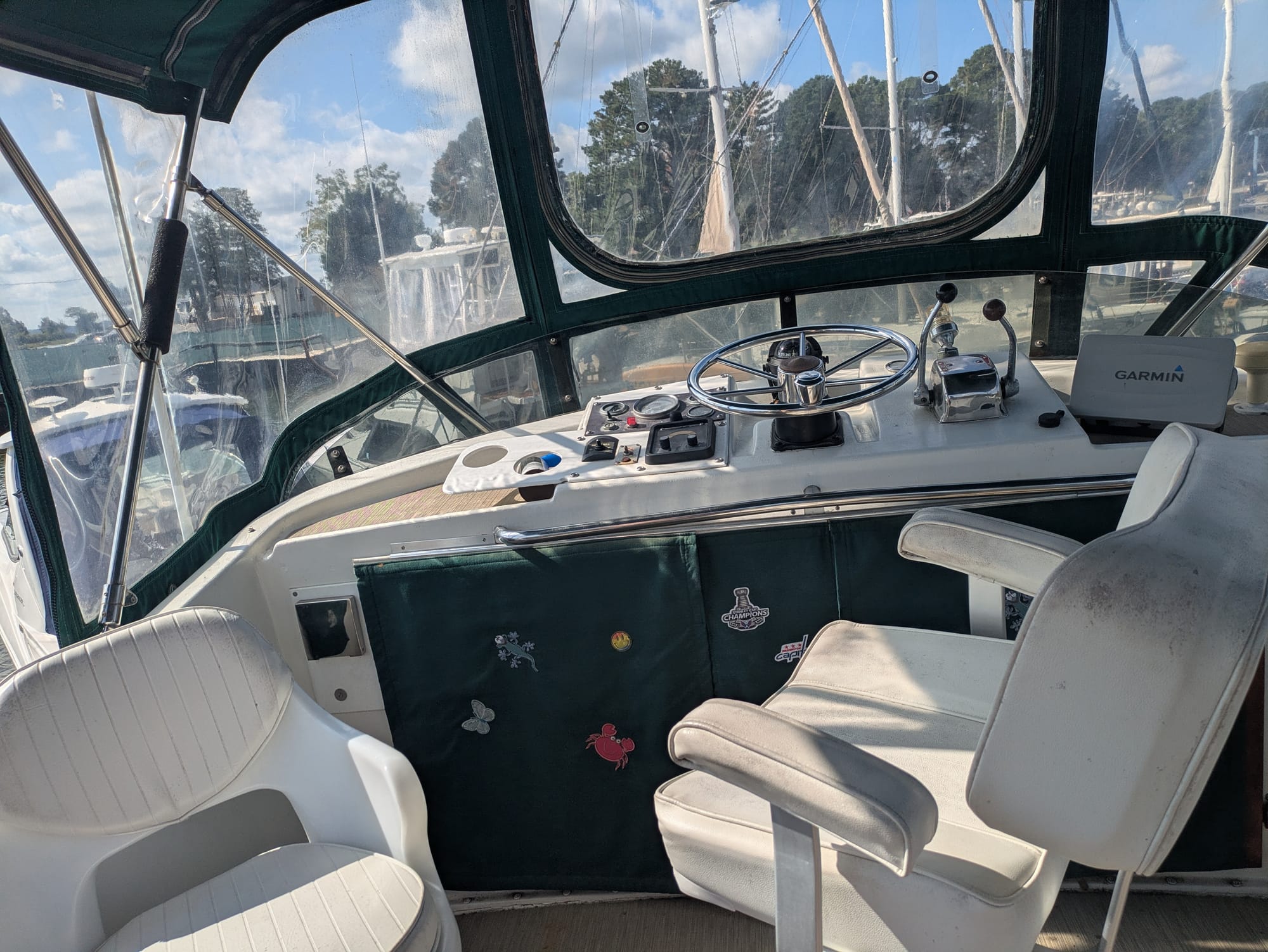
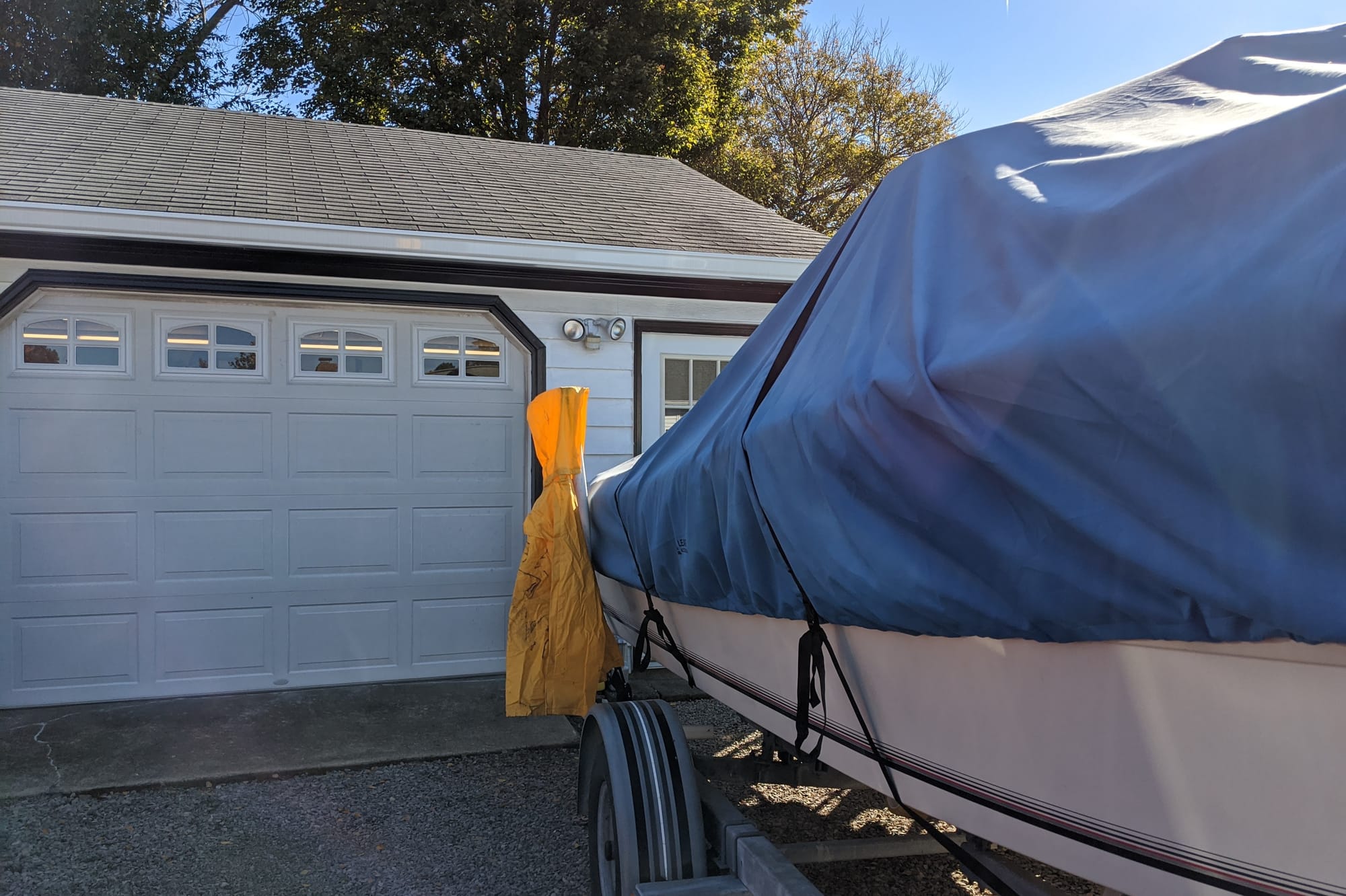
Boat covers protect seating, equipment and other surfaces from sun, rain, dirt and debris. Because covers often face direct exposure to the elements, the fabric must suit the type of protection required.
Solution-dyed acrylic canvas is commonly used for covers that need good UV resistance and breathability. Depending on its construction and finish, it can shed water while allowing some water vapor to escape. This breathability can help reduce condensation beneath a properly fitted cover.
Coated polyester and other purpose-built marine cover fabrics may be preferable when greater water resistance or a particular level of structural strength is required. Some fabrics have waterproof coatings, while others rely on tightly woven construction and water-repellent treatments. These characteristics are not interchangeable, so boaters should verify the product's specifications rather than assume every marine canvas is waterproof.
Weight and construction are also important. A cover must be strong enough to withstand wind, abrasion and repeated handling without becoming unnecessarily difficult to remove or store. Reinforced areas, suitable thread, properly designed seams and secure attachment points contribute to overall durability.
Ventilation deserves particular attention. Even a water-resistant cover can trap condensation when air circulation is limited. Proper fit and ventilation help reduce the likelihood of persistent dampness and mildew beneath the cover. Covers should also be secured to prevent loose fabric from flapping against surfaces in the wind while at a marina or private boat dock rental.
Find the Best Fabric for Interior Curtains
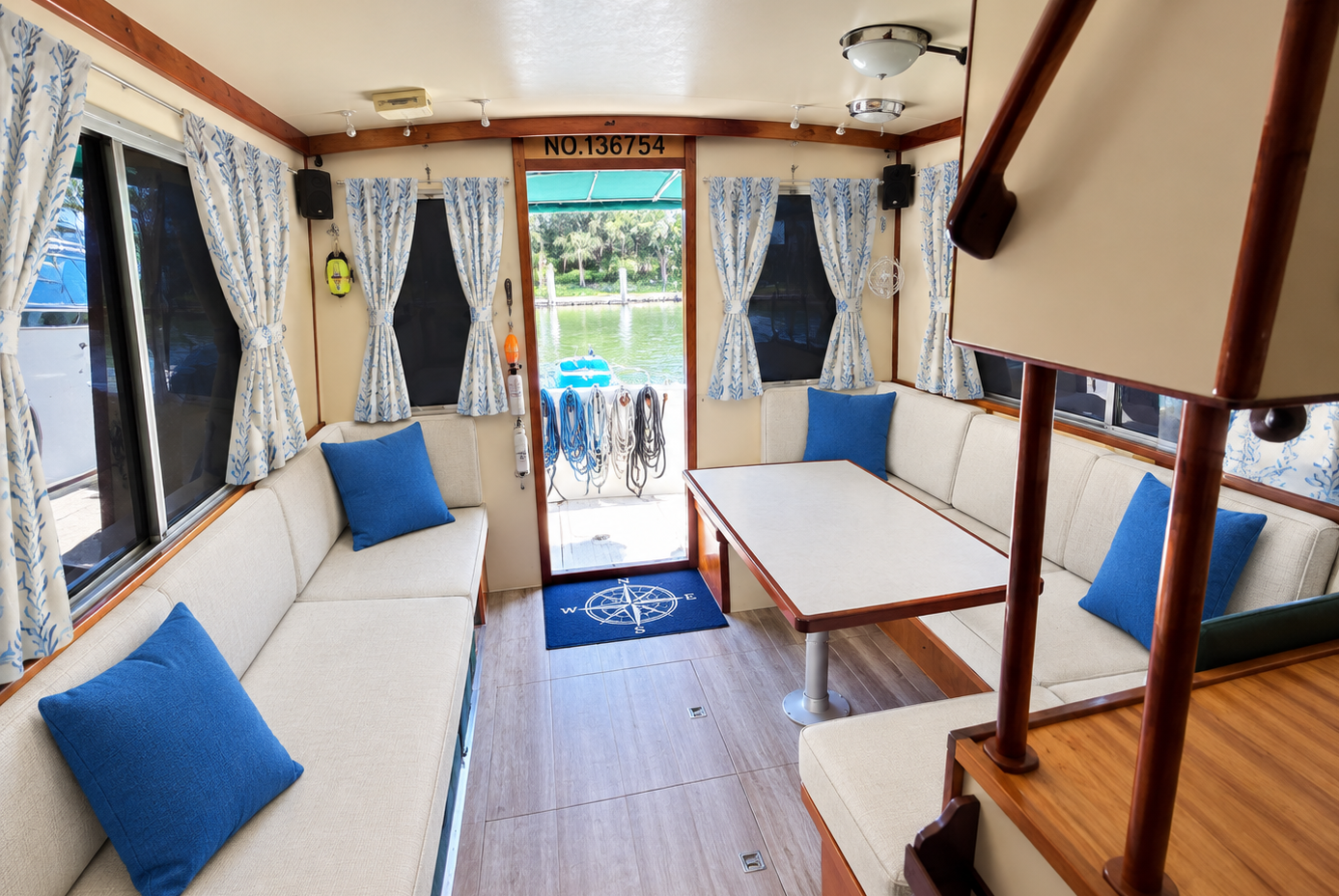
Along with the aesthetic appeal, curtains can soften a boat's interior, provide privacy and help control incoming sunlight. Because cabins generally offer more protection from direct weather exposure than cockpits, interior curtains can accommodate a broader selection of fabrics.
Marine-grade textiles are useful in areas where condensation, humidity and frequent handling are concerns. Solution-dyed acrylics and selected polyester fabrics offer durable options, while lightweight woven materials can create a softer appearance in sleeping cabins and salon spaces.
When selecting curtains, consider how much light the fabric allows through. Sheer materials maintain a bright, open atmosphere, and heavier fabrics offer greater privacy and light control. Lined curtains can provide additional shading, but the lining should be appropriate for the cabin's humidity and ventilation conditions.
Color and pattern can help establish the interior's overall style. Neutral fabrics, subtle stripes and understated geometric patterns complement many boat interiors without overwhelming compact spaces. Blue and white combinations can create a coastal appearance, while warm neutrals and natural-looking textures offer a more understated alternative to traditional nautical styling.
Practical details are equally important. Measure windows carefully, account for clearance around latches and hardware and choose tracks or fasteners that keep curtains secure while the boat is underway. Washability is another consideration, particularly in cabins where cooking odors, dust and condensation can accumulate.
Consider Color, Construction and Maintenance
Regardless of the application, several factors can help determine whether a fabric will perform well over time.
- UV resistance: Prioritize fabrics with documented resistance to fading and sun damage, especially for exterior seating and covers.
- Water resistance: Distinguish between water-repellent, water-resistant and waterproof materials. Choose according to the exposure and protection required.
- Mildew resistance: Look for products designed for damp environments, but remember that mildew can develop on accumulated dirt and other contaminants even when the fabric itself resists mildew growth.
- Abrasion resistance: Seating and frequently handled covers benefit from durable construction that tolerates rubbing, movement and repeated use.
- Color and texture: Coordinate upholstery, curtains and covers to create a cohesive appearance without overlooking the performance requirements of each application.
- Care requirements: Check cleaning instructions before buying. Some fabrics tolerate mild soap and water, while others require specific cleaners or restrictions on bleach and other chemicals.
Regular maintenance extends the useful life of marine fabrics. Rinse salt and dirt from exposed surfaces, clean spills promptly and allow wet cushions and covers to dry thoroughly. Avoid storing damp fabric in enclosed compartments for extended periods. Inspect seams, stitching, fasteners and protective coatings regularly. Always follow the manufacturer's recommendations for cleaning and reapplying water-repellent treatments when applicable.
Balance Performance and Appearance
Choosing marine fabric involves matching the material to its intended use rather than selecting one fabric for every application.
- Upholstery should provide comfort and withstand abrasion.
- Covers must offer suitable weather protection.
- Curtains should complement the cabin while tolerating its environmental conditions.
By evaluating UV resistance, water management, durability, maintenance requirement and appearance, boat owners can make informed decisions that improve both the function and style of their vessels. Investing in appropriate marine-grade materials can help preserve the boat's interior and exterior finishes while creating a comfortable and coordinated space for time on the water.